




Targeted Therapy: Precision Cancer Treatment That Restores Hope for Patients
Targeted therapy is a highly effective and precise modern cancer treatment. This approach has helped many patients regain a better quality of life and live longer, reshaping the outlook so that a cancer diagnosis no longer means the end of hope.
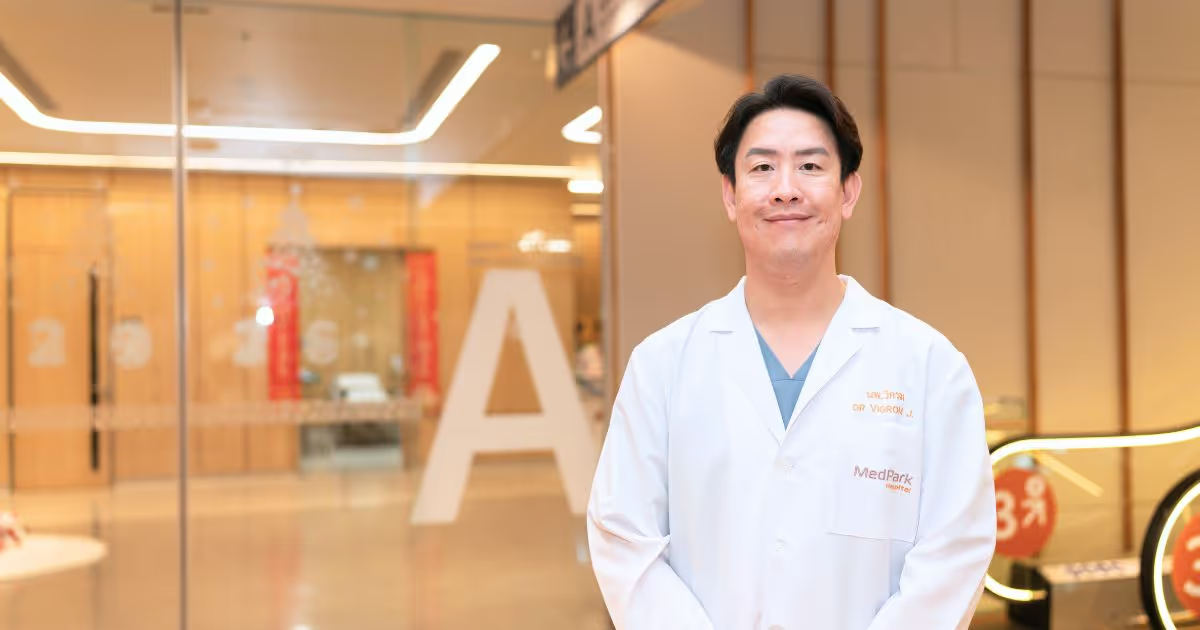
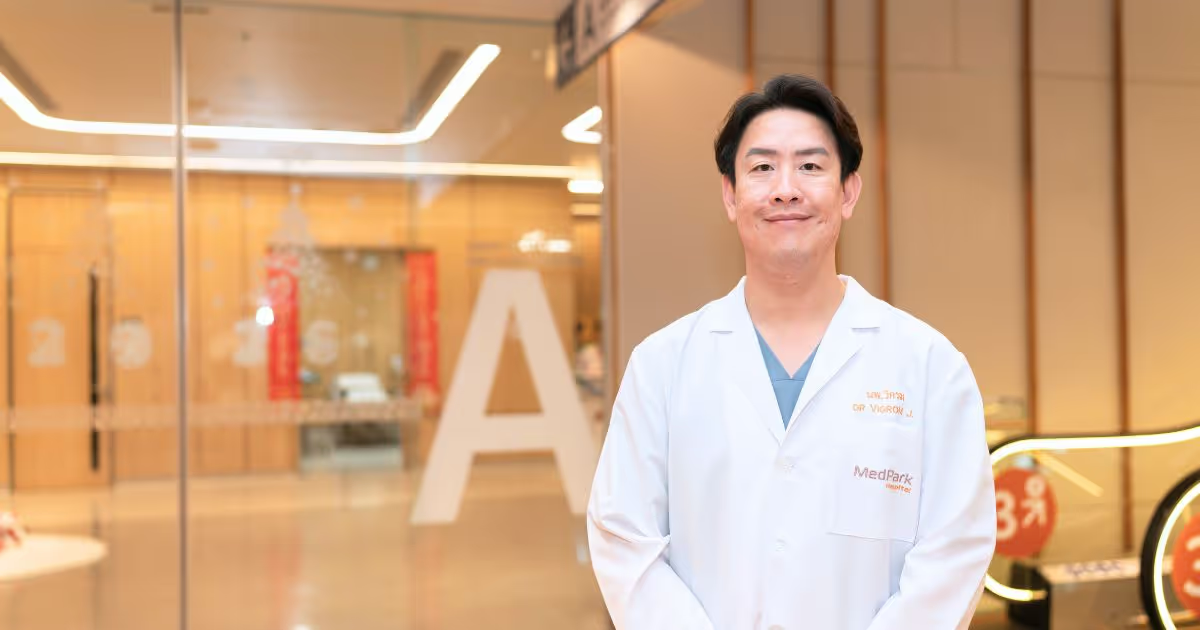
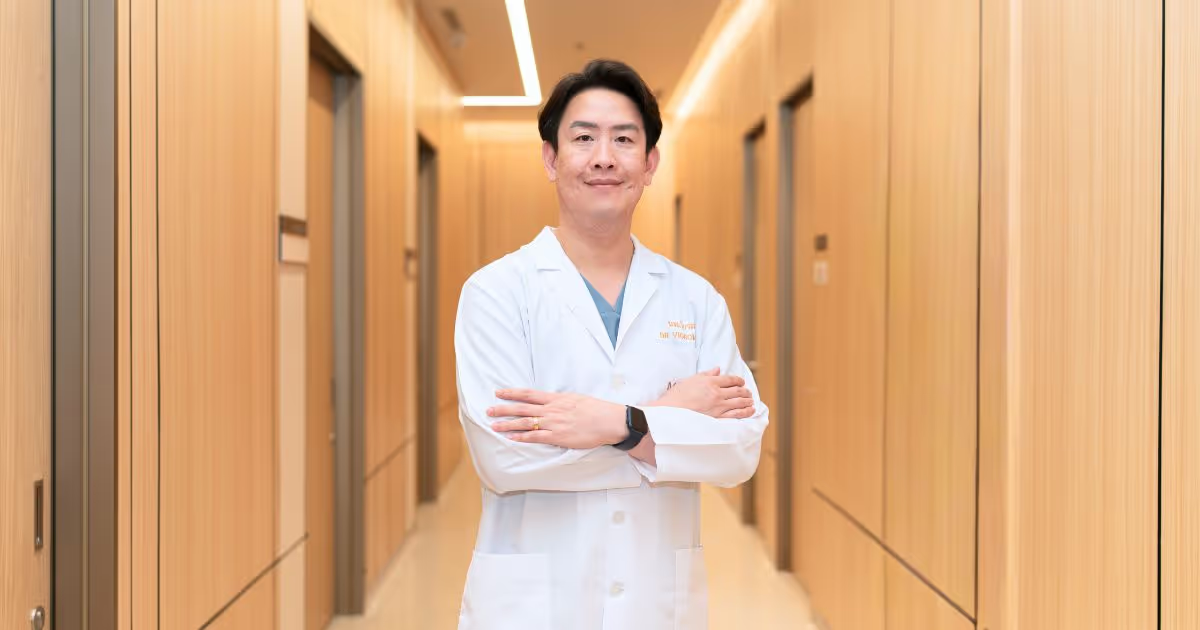
However, targeted therapy is specific and requires tailoring to each patient. Specialist doctors with dedicated expertise and experience should oversee treatment planning. Dr. Vigrom Jennetisin, a medical oncologist, will share key insights to help you better understand modern cancer care.
Understanding Targeted Therapy: Not a Miracle Cure, but One with Precision Power
Targeted therapy works exactly as its name suggests. It exerts its effect on a specific target of cancer cells. This specificity is a key advantage that makes this treatment approach highly effective and less toxic to healthy cells.
“Cancer cells differ from normal cells, most notably in their capacity for uncontrolled proliferation and replicative immortality. Normal cells possess intrinsic regulatory mechanisms that tightly control growth and respond to signals instructing cells to cease dividing. However, when genetic mutations and molecular abnormalities disrupt these controls, the body can no longer effectively restrain aberrant growth. As a result, cancer cells can metastasize to sites beyond their tissue of origin,” explains Dr. Vigrom.
Targeted therapy leverages biological differences to selectively inhibit cancer cell activity by targeting specific pathways, enhancing therapeutic efficacy and precision while sparing healthy cells.
“In patients with advanced-stage cancer who respond favorably to targeted therapy, survival may extend beyond 5 years. This improved life expectancy also creates greater opportunities to benefit from newly developed treatments, which continue to advance and may further extend survival.”
From Concept to Targeted Therapy: Development Driven by Oncologists
In the early days, the first targeted therapies were primarily agents that suppressed hormone expression, commonly known as anti-hormone therapies. These treatments were effective on cancer cells with hormone receptors. Subsequently, deeper research and molecular analysis of cancer cells revealed molecular alterations unique to each cancer.
Targeted therapies are under continuous development to develop agents that bind more tightly with the cancer targets, particularly for common cancers such as lung, breast, and colorectal cancers. For rare cancers, however, where clinical data remain limited, targeted therapies may not yet be available, and further case accumulation and data collection are still needed.
“At present, it is estimated that there are roughly 2,000 cancer-related genes, representing about 10% of the approximately 20,000 genes in the human genome. Current targeted therapies developed to address these abnormal genes cover around 10% of all known cancer-driving genes — or about 200 genes in total. With emergent technologies, drug design is becoming faster and more precise. This development is promising, as we expect targeted therapies to address a broader range of genetic abnormalities.”
When asked which type of cancers show the most favorable outcomes with targeted therapy, the doctor replied “lung cancer,” followed by “breast cancer.” These are common malignancies that have extensive research data on their mechanisms. As a result, treatment outcomes are more effective, and drug development is economically viable given the substantial clinical need and market demand.
Advances in Targeted Therapies: Two Promising Approaches to Watch
Dr. Vigrom highlighted two notable types of advanced targeted therapies:
- Bi-specific Antibodies: This type of drug is capable of blocking cancer mechanisms through two pathways simultaneously. Because certain cancers are driven by two primary genetic abnormalities, impeding only one may allow the cancer to survive. The dual pathway blockade significantly improves the efficacy in managing cancer cells.
- Antibody-Drug Conjugates (ADCs): This involves attaching chemotherapy agents to an antibody that acts as a precision guide to home in on cancer cells. Once the antibody reaches its target, the cancer cell engulfs the drug, which kills the cells from within. It functions much like a "guided missile."
Is Targeted Therapy Suitable for All Cancer Patients?
To receive targeted therapy, a specialist must evaluate patients to determine whether their cancer type and stage are appropriate for this treatment. Genetic mutation testing or protein expression analysis is required to ensure the proper selection of targeted therapy for each patient.
“Targeted therapy can be used in combination with surgery, chemotherapy, and radiotherapy. In some cases, it can be administered as a standalone treatment if the response is exceptionally well. While targeted therapy was originally used primarily for advanced-stage cancers, it is now applicable to early-stage common cancers as well, such as lung and breast cancer. The earlier the abnormality is detected and treated, the greater the chance of a cure.”
Side Effects of Concern to Patients: What the Doctor Explains
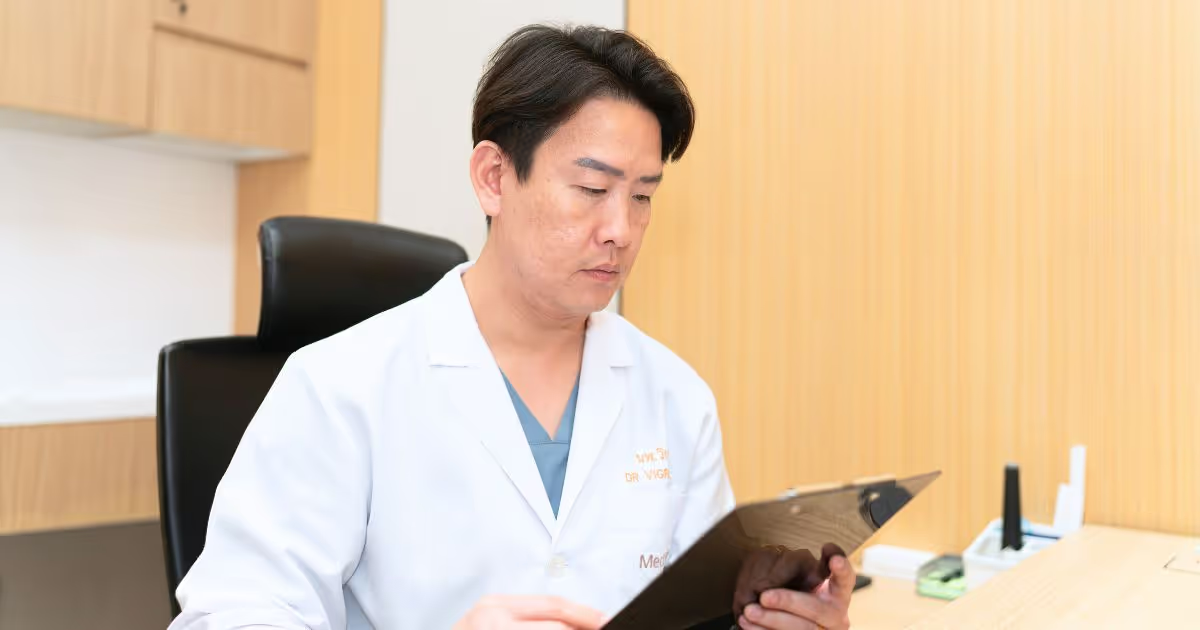
“Side effects of targeted therapy are drug-specific. Possible effects include diarrhea, high blood pressure, abnormal bleeding, lung inflammation, or impaired heart function. Although targeted therapies generally cause fewer side effects than chemotherapy, some patients may still experience severe adverse reactions. Therefore, treatment should be under the close supervision of a medical team.”
However, in modern cancer treatment, doctors evaluate common side effects and develop comprehensive management plans to pre-emptively mitigate or prevent them. These allow patients to continue their daily life with minimal side effects, as they receive appropriate preventive medications prescribed by their doctor. Therefore, there is no need for undue concern.
“In one instance, I treated a 76-year-old patient with advanced colorectal cancer. The patient had previously received multiple chemotherapy regimens at another hospital but was unable to tolerate more treatment due to severe side effects.”
“I recommended comprehensive genomic profiling to identify a more precise treatment target option. The test revealed an NTRK fusion in the tumor — a very rare abnormality in colorectal cancer (found in less than 1% of cases). This discovery allowed us to prescribe a specific targeted therapy.”
“Following the treatment, the patient responded exceptionally well. Symptoms were alleviated, and there were virtually no severe side effects. The patient’s quality of life improved significantly. This case clearly shows that without genomic testing, we might never have known that another effective and more suitable treatment option was still available.”
MedPark Hospital Is Prepared to Deliver Comprehensive Cancer Care.
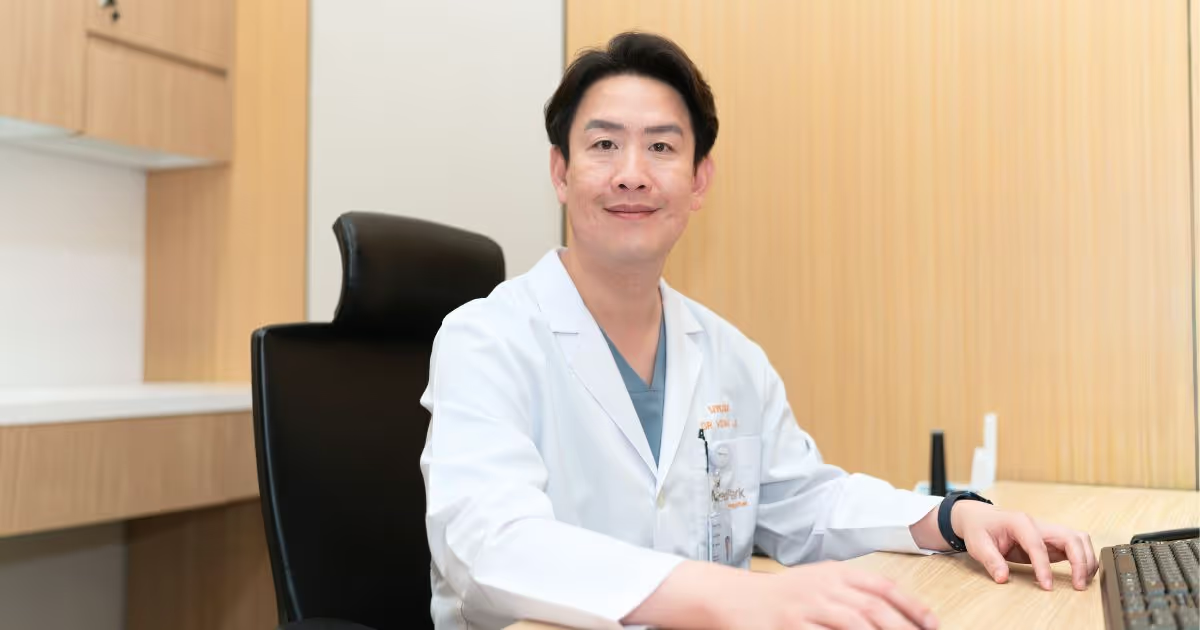
Targeted therapy represents a rising hope in cancer treatment through precision medicine, which continues to advance rapidly. MedPark Hospital is one of the hospitals that brings together a multidisciplinary team of specialists who work collaboratively to support patients and develop carefully tailored treatment strategies. With extensive experience, clinical expertise, and advanced technology, the team delivers precise care and is well-equipped to navigate the complexities of cancer treatment.
MedPark Hospital is capable of procuring targeted therapy drugs, including those approved domestically and internationally, with strict legal and regulatory compliance, ensuring patients receive the most appropriate, disease-specific treatment options.
Q&A: Addressing Common Misconceptions About Targeted Therapy
To conclude the interview, Dr. Vikrom responded to common questions from patients and their families to clarify crucial points about targeted therapy, as follows:
- Q: Is targeted therapy appropriate for all patients?
A: No. Patients must have specific genetic characteristics that match an available targeted agent. - Q: Can targeted therapy replace chemotherapy?
A: Not always. Chemotherapy remains essential in some cases and may require combination with targeted therapy for optimal outcomes. - Q: Is targeted therapy free of side effects?
A: No. Side effects can occur and differ depending on the drug used. Careful monitoring by doctors is still necessary.
Dr. Vigrom urged cancer patients and high-risk individuals to pursue screening and treatment with confidence.
“Modern cancer care has advanced remarkably. Patients should not hesitate to begin treatment, as there is a strong likelihood of achieving effective disease control and a better quality of life.”