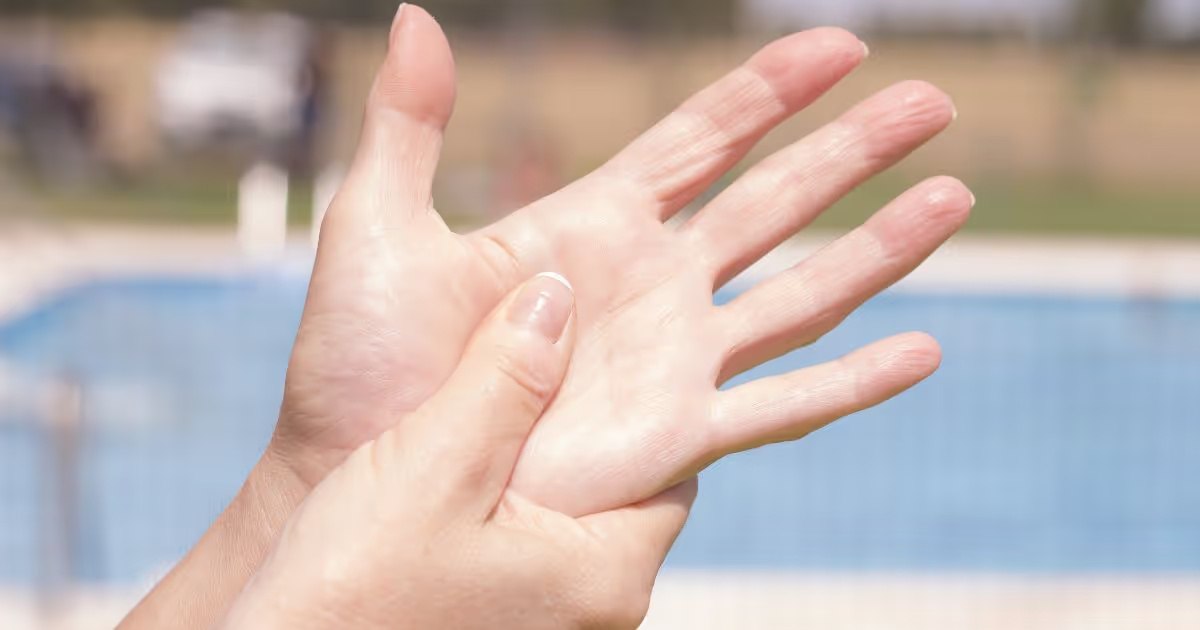





What are the causes of Hyperhidrosis?
Sweaty palms may seem mundane for some, but excessive palm sweating may impact the quality of life or socialization issues, causing avoidance of touching objects or shaking other people’s hands. This article explains sweaty palms in various aspects, including the causes, characteristics, and when medical attention is required.
Are sweaty palms benign?
Among mammals, humans have the best well-developed sweat glands for efficient thermoregulation, enabling us to adapt to wide-ranging environments. However, sweating unrelated to lowering body temperature may indicate excessive sweating.
Even though sweaty palms may sound like a banal issue, they can bother people to a certain extent. Excessive sweating of the hands can cause difficulty grabbing or touching things, socializing issues, raising social anxiety, and hindering quality of life.
The causes of sweating in the hands
Sweaty palms can be due to many factors, such as diabetes or menopause, which can affect the rate of sweating.
Some may experience excessive sweating or hyperhidrosis in medical parlance. Symptoms of hyperhidrosis can be noticeable as early as childhood, then gradually improve by age 40 and typically go away at 60.
However, sweaty palms can be due to causes other than physiologic hyperhidrosis, including:
- Certain prescription medications that have sweating as a side effect
- Alcohol and substance abuse
- Infections, e.g., tuberculosis and septicemia
- Endocrine disorders, such as diabetes and thyroid problems
- Neurological disorders, such as Parkinson’s disease and stroke
- Cancer
Symptoms of palmar hyperhidrosis
Patients with palmar hyperhidrosis may experience the following symptoms:
- Excessive sweating that does not stem from cooling body temperature
- Excessive sweating of palms and fingers over the entire hands
- Cold and clammy palms
- wollen fingers in some

When to see a doctor
To be diagnosed with palmar hyperhidrosis, individuals must experience readily noticeable sweaty palms for at least 6 months with two or more of the following symptoms or characteristics:
- Excessive sweating of both hands.
- Sweating occurs intermittently at least once every week.
- Sweating that interferes with daily life.
- The onset of symptoms after age 25
- Family history of palmar hyperhidrosis.
- No nocturnal sweating.
How to treat palmar hyperhidrosis
A physician may consider the following interventions to treat excessive hand sweating:
- Iontophoresis: This technique involves placing hands into a tub of water with a low electrical current to block sweat gland function and reduce sweating. The effect of iontophoresis can last 4 weeks; a treatment session takes about 30 – 40 minutes.
- Medications: Medications to alleviate sweaty palms are anticholinergic drugs. They inhibit the activation of the autonomic nervous system receptors that stimulate sweat production. An example of this medication is oxybutynin hydrochloride or a medication for an overactive bladder. Patients with glaucoma should not use this medication.
Potential side effects of anticholinergic drugs include dry mouth, urinary retention, constipation, nausea, and vomiting. - Botox: Botox or botulinum toxin treats hand sweating by inhibiting the activation of the autonomic nervous system receptors, preventing sweat production. The effect of Botox lasts about 6 months.
- Surgical procedure: In severe cases of hand sweating refractory to other treatments, a doctor may suggest surgery to disable the sweat glands. The surgical approach for palmar hyperhidrosis is called endoscopic thoracic sympathectomy, involving severing autonomic nerves through an endoscope.
Hand sweating can be a natural occurrence. However, you should see a doctor for a thorough diagnosis and suitable treatment if hand sweating disturbs daily activities or causes difficulty grabbing, touching, or socializing.