
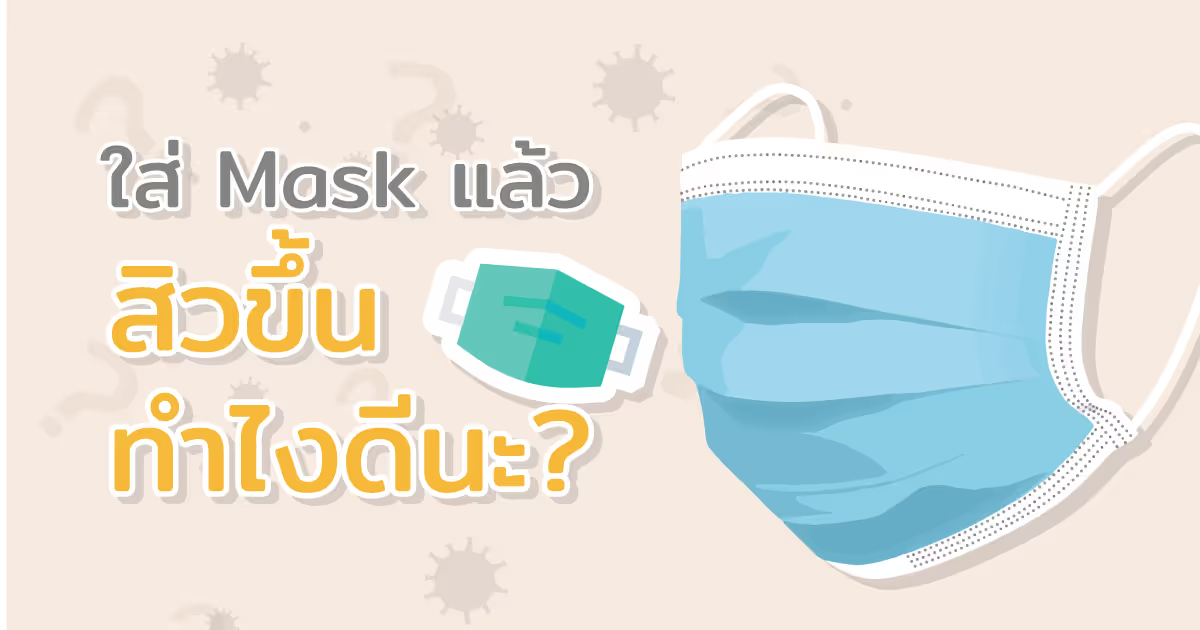





Why Does Wearing a Mask Cause Acne?
Why does wearing a mask lead to acne? How can I prevent it?
Today, I would like to share practical tips on how to care for your skin and keep it clean and healthy even when wearing a mask every day.
The COVID-19 pandemic's impact has been unavoidable. We have all had to adapt to a new normal lifestyle, in which wearing a mask is essential to reduce the risk of infection.
However, prolonged and regular mask use can trigger various skin concerns. One of the most common is acne, which typically develops on the chin and cheeks -- the areas covered by the mask.
What causes “mask acne” and how can it be prevented?
Let’s start with the causes of acne from wearing a face mask. There are several factors, including:
1. Friction from the mask on the skin — particularly when speaking, which involves facial movement, or when frequently adjusting the mask, is a factor that contributes to the development of acne.
The mechanism behind mask-related acne is like what some athletes experience when wearing helmets. If you notice motorcyclists who wear helmets, acne often appears on the forehead or along the chin strap—areas exposed to friction. When wearing a mask, it rests against the skin, acting like a barrier that traps sweat and natural oils. Saliva from talking or sneezing can also accumulate on the mask, contributing to clogged pores and the formation of acne.
In hot weather, our body produces more sweat and oils, increasing humidity and stuffiness inside the mask. Dust particles can adhere more easily. Bacteria multiply and grow more rapidly in the skin pores, making it easier for both non-inflammatory and inflammatory acne to develop.
While wearing a face mask, avoid talking excessively and adjust the mask infrequently. If possible, stay in a cool, well-ventilated area and avoid hot and humid environments. Maintaining the cleanliness of your mask is also essential. If using a cloth mask, it should be washed daily with non-irritating soap or a gentle, fragrance-free, hypoallergenic laundry detergent. The mask fabric should be non-irritating, such as cotton, which is soft and breathable. If you use a disposable medical mask, change it every day or replace it immediately if it becomes soiled.
2. Facial products: if creams or cosmetics contain oils or ingredients that can clog up the skin pores, they can increase the likelihood of developing acne.
Doctor’s recommendation: Choose products that do not contain acne-causing or pore-clogging substances. Look for products labeled "non-comedogenic, non-acnegenic, or oil-free." Once home, it is essential to cleanse the face properly using gentle, non-irritating products to remove makeup, dirt, and excess oil.
3. Acne caused by stress: Stress resulting from the impacts of COVID-19 or insufficient rest can also trigger acne flare-ups. However, being completely stress-free is difficult, as everyone has been affected by COVID-19 in some way.
Tips to Prevent Mask-Related Acne
- Whenever possible, take short breaks by removing your mask for 10–15 minutes every 4 hours in a safe environment, such as a private room, when alone in a car, or when at least 2 meters away from others. These allow your skin to breathe. However, never remove your mask in crowded or public spaces to minimize the risk of COVID-19 infection.
- Avoid pore-clogging products or makeup in areas covered by the mask. Applying only eyebrow or eye makeup is sufficient, as blush and lipstick are hidden beneath the mask anyway. It also helps save on cosmetic products.
- Wash your face with a mild, non-irritating cleanser to remove excess oil and dirt. Use moisturizers or skincare products labeled oil-free or non-comedogenic.
- Replace disposable masks daily and wash cloth masks thoroughly every day.
Preventing acne is not difficult. If acne develops, the treatment for mask-related acne is generally similar to treating regular acne. If you have breakouts, it is advisable to consult a doctor and follow proper treatment, as severe inflammation can take longer to heal and may lead to redness, dark spots, and scarring.
With care from the doctors and MedPark Hospital, we wish everyone healthy, beautiful skin.
Let’s stay safe from COVID-19 by wearing masks, washing hands, and maintaining physical distance.


