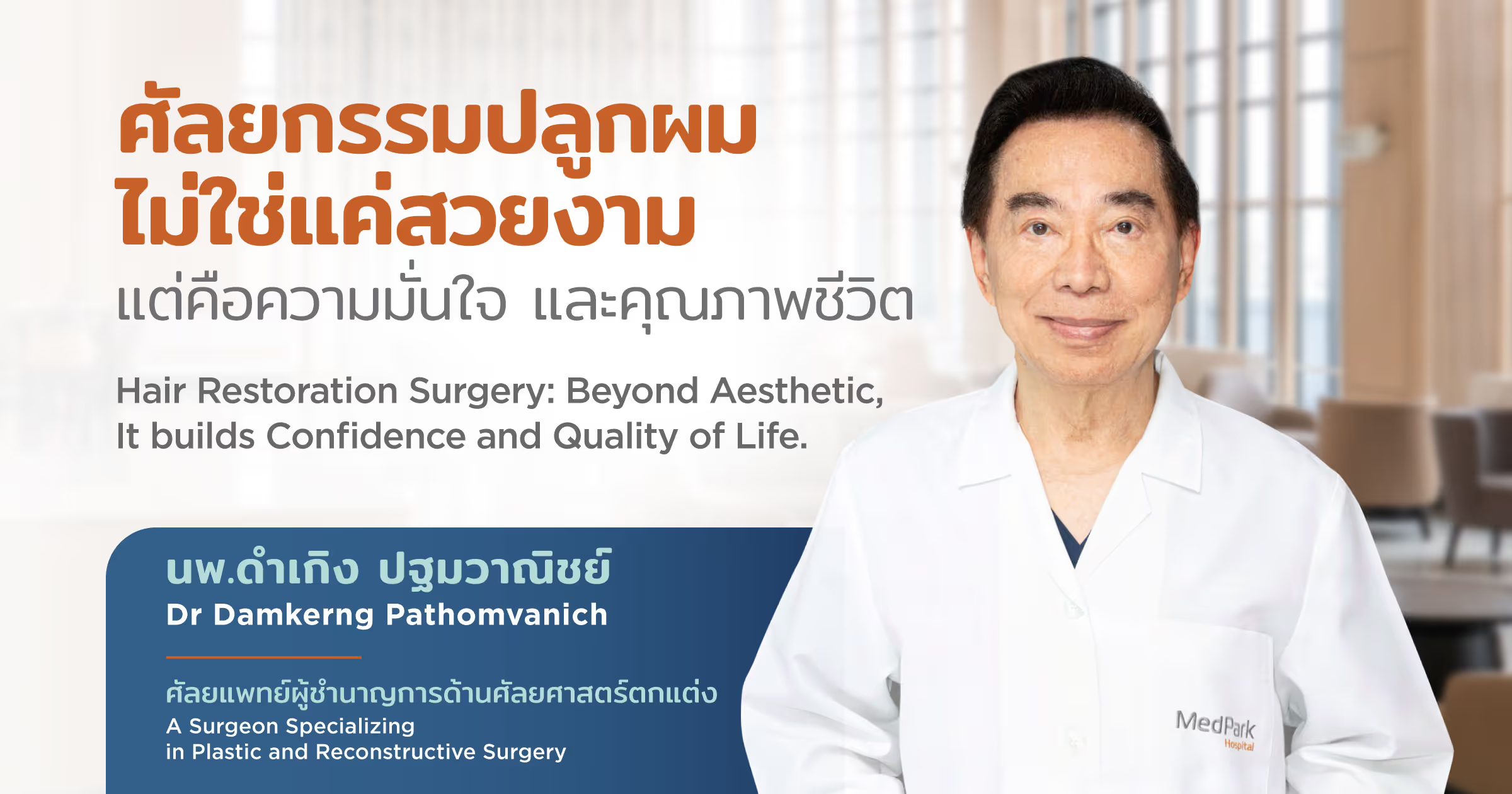





Hair Restoration Surgery: Beyond Aesthetic, It builds Confidence and Quality of Life.
Hair loss, thinning hair, and baldness may seem like minor or commonplace concerns, but they can materially impact self-confidence in daily life. And these issues can affect individuals of all genders and ages.
Today, there are numerous approaches to prevent, manage, or treat hair loss, including medications, laser therapy, laser hats, and the most widely recognized method—hair restoration surgery. In this Special Scoop, we take a deep dive into hair restoration surgery with Dr. Damkerng Pathomvanich, a pioneer in the field, who provides valuable insights for those considering treatment for hair loss, thinning hair, or baldness.

Permanent Hair Restoration Surgery Is Not Suitable for Everyone.
“When facing hair loss, thinning hair, or baldness, many patients gravitate toward hair transplantation as their first option. However, hair transplant surgery should often be the final step in the treatment process. What is truly important is for a doctor to conduct a thorough evaluation to determine the underlying cause of the problem and identify the most appropriate treatment tailored to the patient’s specific condition.”
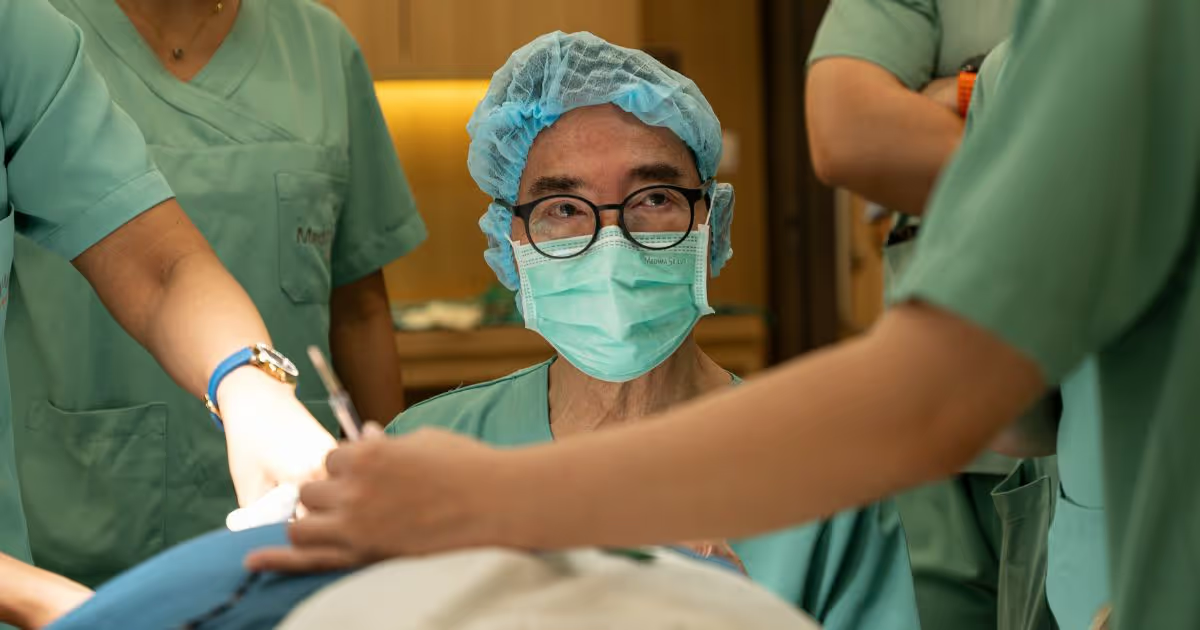
Although commonly called “hair restoration surgery”, the procedure actually involves surgically relocating healthy hair follicle units—known as hair grafts—from areas with dense hair, such as the back or sides of the scalp, to areas affected by hair loss. It does not restore new hair growth. For this reason, hair transplantation cannot be performed immediately on every patient experiencing hair loss or thinning; a thorough evaluation and diagnosis by a qualified doctor are essential to determine the underlying cause of each individual’s hair loss.
“Approximately 96% of hair loss cases are genetic, and hair restoration surgery can effectively deal with them. However, in cases caused by other factors, such as autoimmune-related hair loss, transplanted hair will also fall out. Addressing the underlying problem with appropriate medications can allow hair to regrow naturally once the underlying condition abates. For this reason, anyone considering hair restoration surgery should first have a professional assessment and diagnosis.”
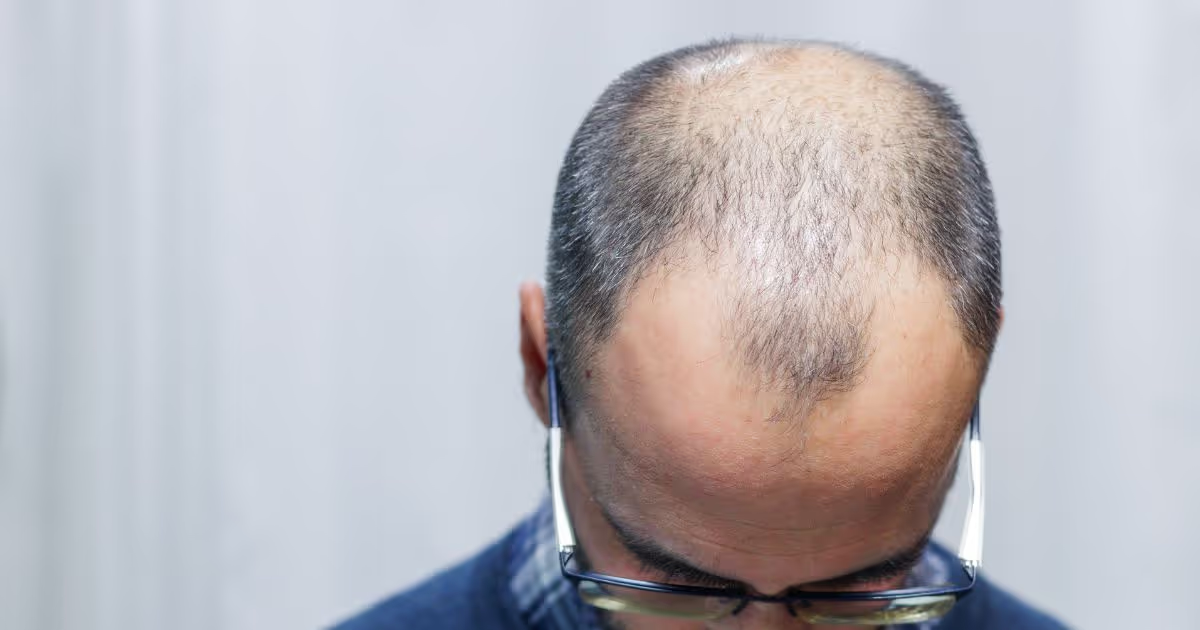
Good Candidate: Qualifications for Hair Transplantation
“The most important responsibility of a hair restoration specialist is to determine whether a patient is suitable for the procedure. We must consider whether performing the transplant would truly benefit the patient and communicate this honestly and transparently.”
According to Dr. Damkerng, the first consideration in identifying a good candidate for hair transplantation is age. While hair loss, thinning hair, and baldness can occur in individuals of all genders and ages, medical standards generally advise against performing hair transplants on patients under 25 years old, except in cases of established baldness, which are up to the doctor’s discretion. For patients younger than 25, hair loss medications are often the first-line treatment before resorting to surgical intervention.
Another crucial factor is the patient’s family history, as approximately 96% of baldness cases have genetic underpinnings. The pattern of hair loss often mirrors that of previous generations. In men, this is referred to as Male Pattern Baldness, while in women, it is known as Female Pattern Hair Loss. Hair loss patterns seen in previous generations are likely to reappear in the current generation. Awareness of these patterns or characteristics of hair loss, thinning hair, or baldness enables doctors to predict hair loss progression accurately and develop a precise, targeted treatment plan, resulting in more effective and long-lasting outcomes.
Another crucial factor is the quantity of healthy hair remaining. Dr. Damkerng compares the remaining healthy follicles to “seeds” essential for transplantation. If more than 30% of a patient’s hair is unhealthy, the individual may be deemed an unsuitable candidate for hair restoration surgery.
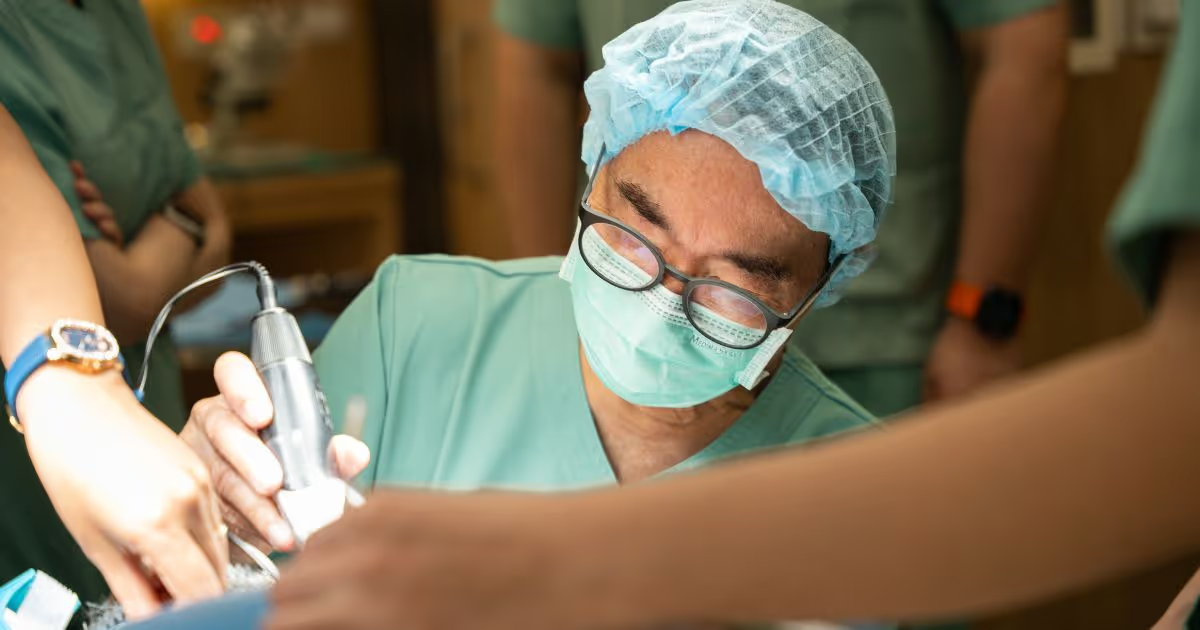
FUE and FUT: Same Techniques Worldwide, Different Results Driven by Experience
“While hair transplantation techniques—FUE and FUT—are standardized globally, the experience and skills of the doctors and their team are what truly determine the outcome. As a surgeon, my expertise in precise extraction and suturing allows me to anticipate and avoid complications, minimize scarring, and achieve results that are natural-looking and pleasing.”
Hair Restoration Techniques: Choosing the Right Approach for Each Patient
The technique used for hair restoration surgery is another critical factor that the doctor must carefully consider for each patient. The most commonly used standard techniques worldwide include:
- FUE (Follicular Unit Excision), which extracts individual follicular units evenly across the donor area, ensuring that the patient’s remaining hair does not appear thinned out.
- FUT (Follicular Unit Transplantation) which involves surgically removing a narrow, long strip of scalp to harvest a larger number of grafts. FUT requires significant surgical skill and experience to achieve optimal results.
- COMBO Technique: A combination of FUE and FUT. However, only a limited number of surgeons are skilled in performing the COMBO technique, and it also requires a highly experienced support team to ensure successful outcomes.
Regenerative Medicine, Nano Fat, and SVF: The Evolving Hair Restoration Technologies
“The treatment of hair loss and thinning hair is continuously evolving. Presently, we are exploring the anti-aging and regenerative medicine approaches, such as stem cell therapy and PRP (Platelet-Rich Plasma), in hair restoration. However, these methods still require further development. At the same time, new medications for hair loss, such as PP405, are emerging as potential future solutions. However, their long-term safety and side effects remain under scrutiny.”
Current trends in treating hair loss, thinning hair, and baldness go beyond hair transplantation. Many emerging therapies are gaining attention, including Nano Fat injections, Stromal Vascular Fraction(SVF) injections, Exosome therapy, and PRP (Platelet-Rich Plasma) injections, all of which aim to harness growth factors to stimulate the regeneration of hair follicle cells.
At the same time, new medications for hair loss are under development. Dr. Damkerng cites an example of a drug called PP405, which can help inhibit hair loss, stimulate thicker and stronger new hair growth, and potentially enable regrowth even in patients who are already bald. However, these results are not yet guaranteed, as the drug is still in the experimental phase, and its long-term safety and potential side effects remain under evaluation. Moreover, Low-Level Laser Therapy (LLLT) is being used to prolong the growth phase of hair follicles and improve blood circulation to the scalp. Its effectiveness can be further enhanced when combined with medications such as Minoxidil and Finasteride.
Hair Restoration Surgery at a Hospital Can Enhance Safety and Patient Confidence
“Performing hair restoration surgery in a hospital setting offers a significant safety advantage. Should any unforeseen complications occur, specialists from other medical fields are immediately available to provide support. Moreover, patients with pre-existing medical conditions can consult relevant specialists before the procedure.”
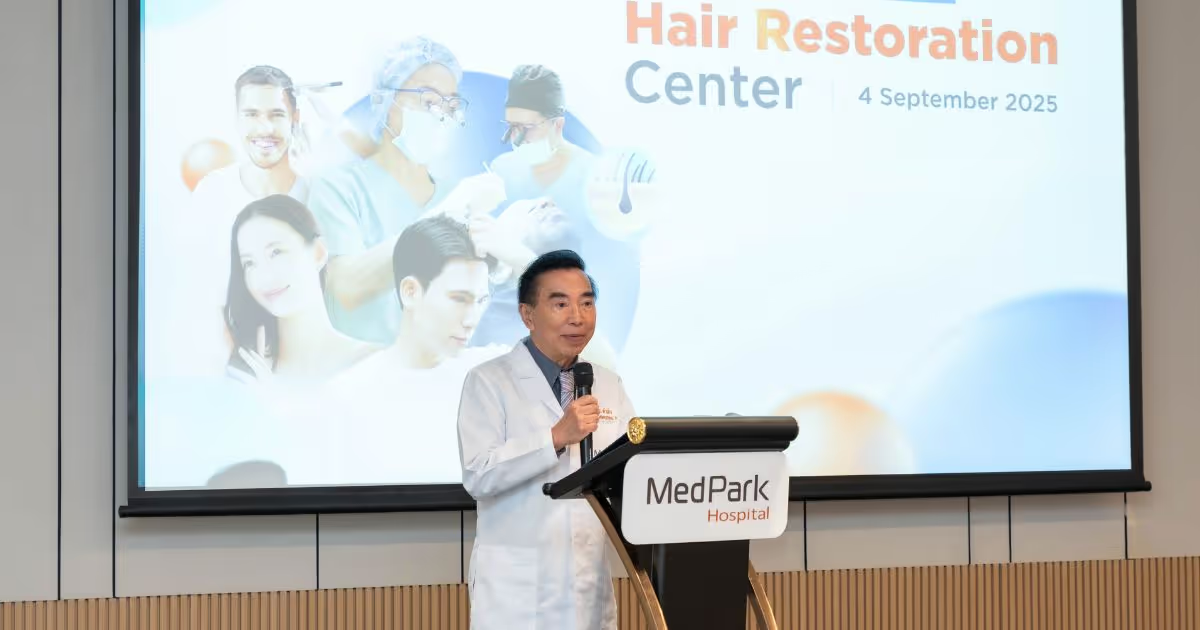
Choosing the right facility and surgeon is a critical decision for patients, as each individual’s health condition is unique. For patients with underlying health conditions, such as heart disease or diabetes, who require special care or feel anxious, having a hair transplant procedure in a hospital setting, such as the Hair Restoration Center at MedPark Hospital, can help reduce risks in the event of unexpected complications. The hospital has a full complement of staff to provide immediate specialist consultation and care across all medical disciplines if needed. It is also ideal for patients concerned with pain who wish to undergo hair transplantation under anesthesia, as a dedicated anesthesiology team is always available at a hospital.
“Hair restoration is very much like planting a tree. It takes time for the new hair to grow and for the results to become noticeable, which can take up to a year. During the first four months, patients often feel anxious because the effects are not yet visible, despite having invested time, money, and undergoing a surgical procedure. Our role is to provide reassurance, keep trust in the process, and closely monitor their progress throughout the post-treatment phase.”