



Is the HPV Vaccine, a Preventive Measure for Cervical Cancer, Truly Safe?
The human papillomavirus (HPV) vaccine is highly effective in preventing infections and diseases caused by HPV, a key risk factor for cervical cancer, vaginal cancer, anal cancer, and genital warts.
Since 2006, the World Health Organization (WHO) has affirmed the vaccine’s safety and recommends its administration to girls and boys aged 9–14 and individuals of reproductive age. Despite over 500 million doses administered worldwide, concerns about safety and potential long-term side effects persist. This article offers a concise overview of the HPV vaccine safety issue.

Does the HPV Vaccine Contain the Virus?
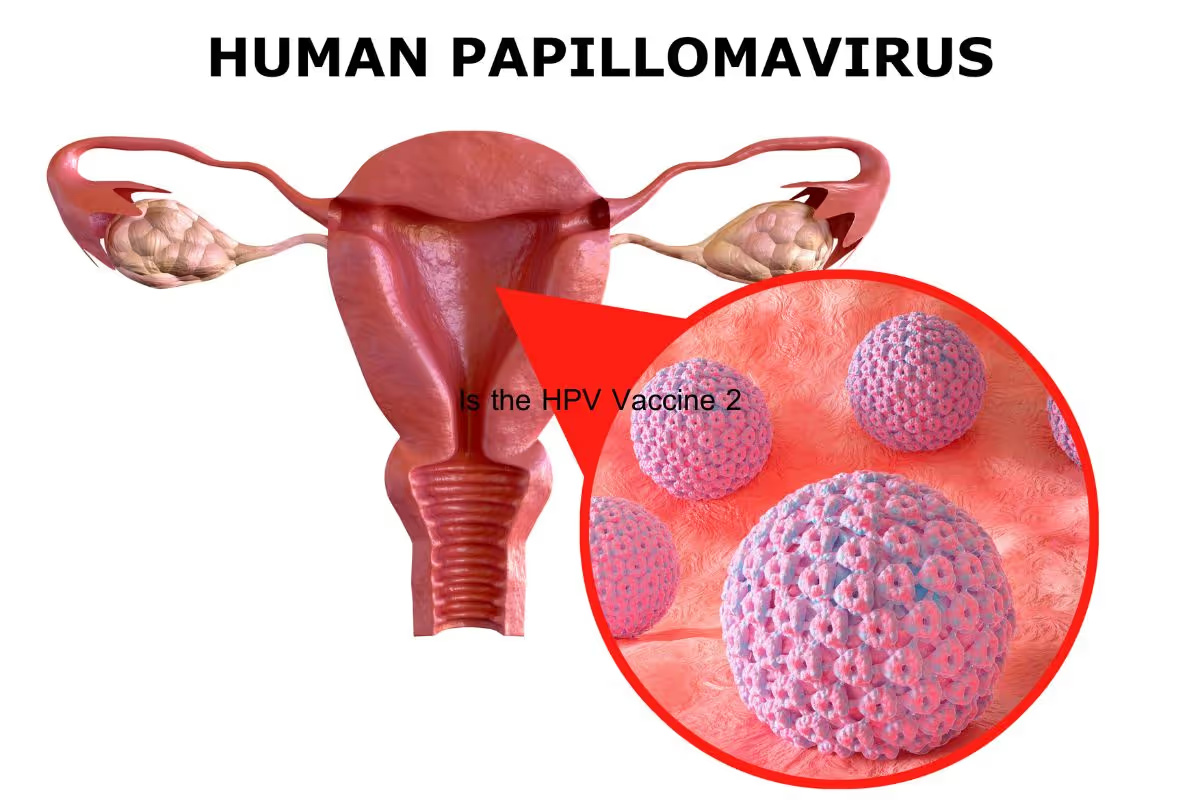
Many people wonder whether the HPV vaccine contains the live HPV virus. Its key component is a protein derived from the outer shell of specific HPV strains without the potential cancer-causing genetic material. These proteins are synthesized in abundance and self-assembled into virus-like particles resembling the targeted HPV strains. Once administered, the HPV vaccine exerts its effect by being latched to antigen-presenting immune cells, which activate and transform other immune cells to produce antibodies, providing immunity against future HPV infections.
For those concerned about the safety of the HPV virus-like particles used in the vaccine, it is crucial to understand the scientific and medical processes behind vaccine development. Before greenlighting any vaccine for public use, it must undergo rigorous, multi-phase testing and clinical trials over several years to ensure safety and efficacy in disease prevention. Moreover, the vaccine must have the approval of the World Health Organization (WHO) and other international regulatory bodies, including Thailand, before its widespread public use.
In addition to the viral proteins, the HPV vaccine contains “immune-boosting components.” These adjuvants have been used safely for over 70 years in various vaccines, including diphtheria, pertussis, polio, and encephalitis.
Side Effects of the HPV Vaccination
The HPV vaccine has a long history of global use and proven safety. Continuous long-term post-marketing monitoring for side effects further assures the safety of recipients.
International organizations and the World Health Organization (WHO) regularly collect and report on vaccine safety profiles. Studies have focused on various groups with specific medical conditions, including autoimmune diseases such as systemic lupus erythematosus (SLE), multiple sclerosis, Guillain-Barré syndrome, complex regional pain syndrome (CRPS), postural orthostatic tachycardia syndrome (POTS), and chronic fatigue syndrome/myalgic encephalomyelitis (CFS/ME). These studies have shown that they are not related to HPV vaccination or premature menopause in women. Furthermore, there is no evidence that the vaccine harms pregnant women or their unborn children, even after unintentional administrations during pregnancy.
Research shows that side effects of the HPV vaccine are rare and generally mild. Common adverse reactions include local pain, swelling, or redness at the injection site, which are mild and can resolve by themselves. In some cases, individuals may experience headaches, fever, fatigue, muscle pain, nausea, dizziness, or fainting, but these occurrences are rare and usually not severe. Individuals should remain seated and be under observation for about 15 minutes after receiving the vaccine to prevent accidents such as falls. If any unusual or adverse symptoms arise, it is crucial to notify a healthcare provider for guidance and appropriate management.