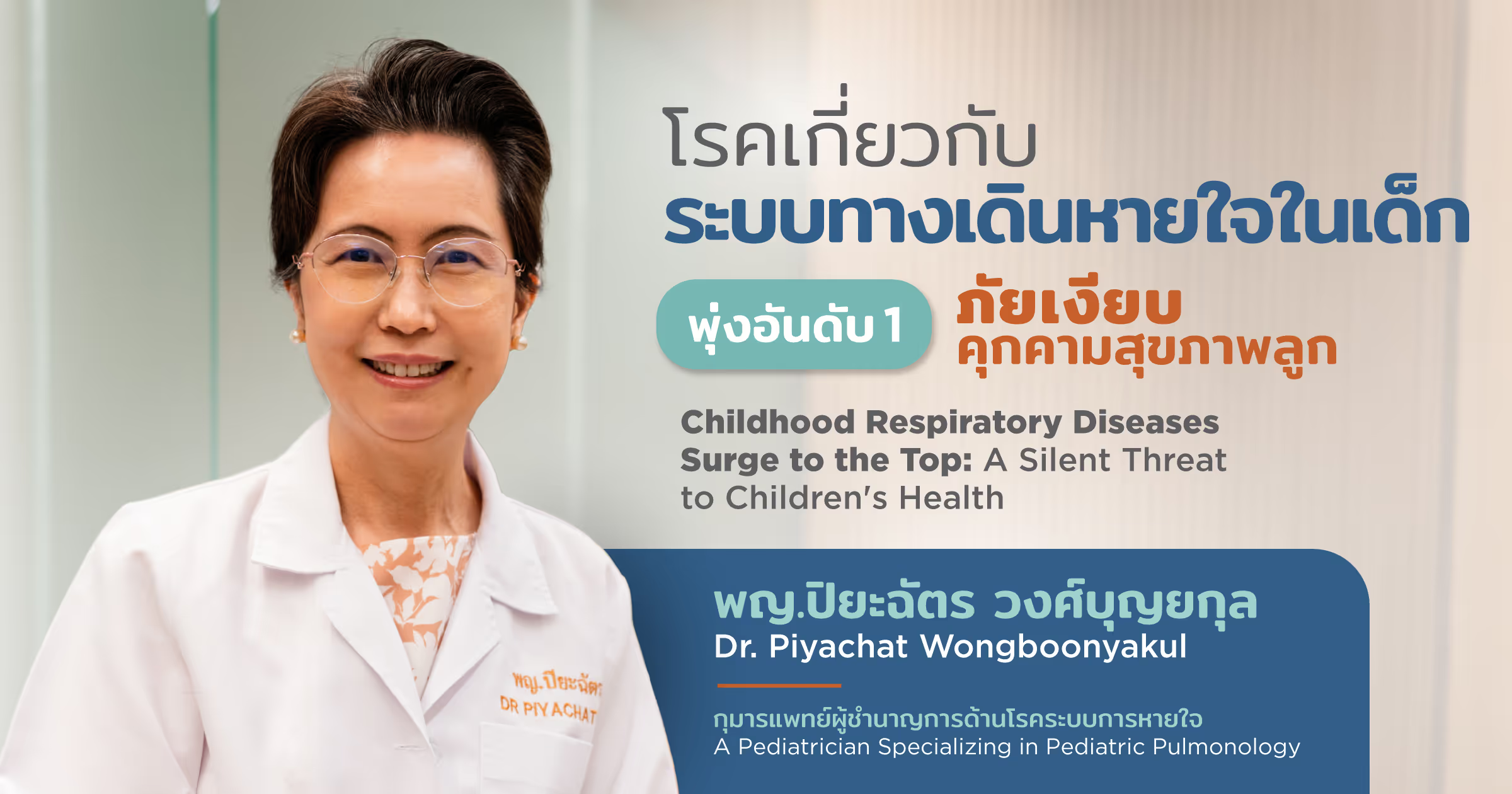





Childhood Respiratory Diseases Surge to the Top: A Silent Threat to Children's Health
“Why does my child get sick so often?” or “Why is my child so prone to illness?” These questions often linger in parents' minds. You do not need to look far for answers. If you recall your own childhood, many of you will likely remember experiencing common illnesses such as colds, coughs, and sore throats more frequently than you do nowadays.
Today, we have the opportunity to talk with Dr. Piyachat Wongboonyakul, a pediatrician specializing in respiratory diseases, who will provide clear and detailed explanations about childhood respiratory illnesses and share some helpful tips.

Respiratory Diseases in Children: The Most Common and Potentially Life-Threatening Illnesses
“Epidemiologically, respiratory diseases are among the most frequently encountered childhood illnesses across countries and continue to be a persistent risk for everyone.”
She elaborated that pediatric respiratory diseases encompass any conditions affecting the organs involved with breathing, including the nose, nasal cavity, oral cavity, throat, sinuses, larynx, trachea, bronchioles, lungs, and diaphragm. Within this spectrum, many of the illnesses are familiar to most of us, such as the common cold, pharyngitis, tonsillitis, sinusitis, otitis media, bronchitis, pneumonia, asthma, RSV infection, and croup.
“Respiratory diseases in children are ubiquitous and can potentially progress to more severe forms. In certain patients with additional risk factors, these conditions may lead to serious complications and death.”
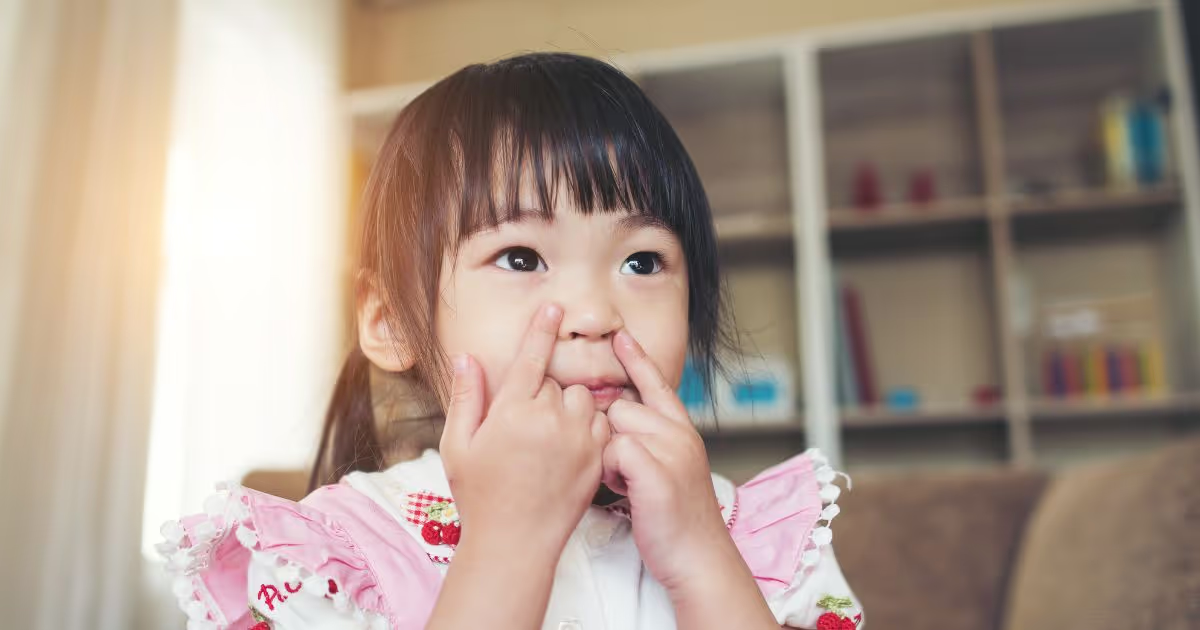
Colds in Children Can Be More Concerning Than in Adults
“Even mild nasal swelling or a slight runny nose can make it difficult for a child to breathe because the oral and pharyngeal spaces in children are much smaller, making airway obstruction far more likely. In comparison, when an adult experiences nasal swelling due to illness, their airways typically narrow by about 25%, whereas in a child, the same swelling can reduce the airway lumen by as much as 75%.”
This anatomical distinction between children and adults is a key reason why respiratory illnesses can be more dangerous and why children are more susceptible to infection. Beyond their smaller oral and pharyngeal spaces, which predispose them to airway obstruction, children also face challenges with mucus clearance and accumulation. Due to the soft, small, and highly pliable structure of a child’s pharynx and airways, the elimination of mucus and other secretions is more difficult and generally slower than in adults. These can cause fatigue in children from persistent coughing, labored breathing, and reduced ventilation. More importantly, if the child develops a severe illness, necessary interventions such as endotracheal intubation are also more challenging to perform.
"When a child becomes ill with a respiratory infection, they have less physiological reserve than adults and cannot afford to wait as long. As doctors, we must rapidly identify the cause of the illness based on clinical signs and symptoms and initiate timely treatment, because delays can lead to worsening severity and increased risk of complications."
Breastfeeding, Vaccines, and a Healthy Environment: The Best Ways to Prevent Childhood Illness
“In addition to monitoring a child’s current symptoms, doctors must also assess fundamental factors such as underlying health status, chronic conditions, vaccination history, and breastfeeding, as these can significantly influence the severity of the disease.”
Dr. Piyachat recommended key strategies for preventing respiratory illnesses in children. The most important and effective measure is to initiate breastfeeding from birth, ideally exclusively for at least the first six months of life. Following this, children need to receive all recommended vaccines, which help protect against infections such as pneumonia, influenza, and RSV, thereby reducing the incidence and severity of these diseases.

Equally important is minimizing exposure to tobacco smoke, including both conventional and e-cigarettes. Even if a child is otherwise healthy—having been breastfed and fully vaccinated—exposure to household secondhand smoke can still increase the risk of respiratory illness. You should also pay attention to environmental pollutants, particularly in urban areas, where dust and vehicle emissions compromise air quality.
Children should avoid individuals with active respiratory infections or crowded environments, as they are more susceptible to illness. If a child becomes unwell, they should stay home rather than attend school to prevent spreading the infection to others and catching a superinfection.
"When children contract infections, their illnesses are often more severe and take longer to recover than in adults. These not only affect the child directly but also cause challenges for parents, who may need to take their child to the hospital frequently. Therefore, focusing on prevention can greatly help reduce these burdens."
Advances in Pharmacotherapy, Genetic Research, and the Future of Pediatric Respiratory Care
"Regarding medications, we use common ones, but we adjust the method and route of administration to improve treatment outcomes and enhance patients’ quality of life."
Dr. Piyachat discussed the future of treating childhood respiratory diseases, highlighting the development of new medications and innovative administration methods to increase treatment efficacy. Moreover, newer and more effective vaccines are under development for better prevention against these illnesses.
Current research also focuses on genetic factors. For example, children born in families with a history of allergic diseases may be more susceptible to infections, experience frequent colds, and require a more prolonged recovery period compared to others.
When Should I Take My Child with a Cough, Runny Nose, or Sore Throat to the Doctor?
“Most children who come to see a doctor are not yet seriously ill, which is a good thing. When symptoms are still mild, we have more time to determine the cause of the illness. The most important thing for parents is knowing when to bring their child to see a doctor by noticing symptoms that are unusual or concerning.”

Dr. Piyachat concluded with a crucial question: “Which symptoms warrant medical attention?” She uses the common cold as an example—an illness that may seem minor and usually resolves on its own within a short period. Parents should be attentive to warning signs such as a cold or cough lasting more than 10 days, persistent coughs, sore throat, excessive or discolored phlegm, labored breathing, barking cough, or chest retraction. These symptoms indicate abnormal conditions and require medical evaluation and appropriate treatment.
“For certain conditions, such as childhood asthma, early diagnosis can make a significant difference. When identified early, doctors can initiate treatment to reduce inflammation in the lungs, control symptoms, and lower the risk of pulmonary scarring or permanent airway narrowing, which leads to a better prognosis and the likelihood of complete recovery and eventual independence from medication.”

The greatest gift for parents is seeing their child grow up healthy and free from illness. Prevention, therefore, is essential. Laying a strong foundation for a child’s health at the outset helps ensure proper development and lasting, lifelong well-being.