


How Is Abdominal Pain Diagnosed Banner

Abdominal Pain: What each stomachache location means

Abdominal pain refers to pain in a specific region in the stomach or diffusely throughout the abdominal region between the ribs and pelvis. Abdominal pain can be caused by organs

分享

Choose the content to read


Abdominal pain

Abdominal pain refers to pain in a specific region in the stomach or diffusely throughout the abdominal region between the ribs and pelvis. Abdominal pain can be caused by organs within the stomach, including the stomach, esophagus, liver, pancreas, bile duct, gallbladder, small intestine, large intestine, and bladder. Internal organs in women, such as the uterus, fallopian tubes, ovaries, and pelvic organs, or other parts of the body, such as the abdomen, breasts, pelvis, or back. Abdominal pain can also be caused by a serious disease, such as cancer, which can cause unexplained stomachaches.

What causes abdominal pain?

Abdominal pain is typically caused by dysfunctions of abdominal organs resulting from various factors, including digestive issues, injury, infectious diseases, or specific diseases affecting the functioning of the main organs or adjacent structures, such as muscles, abdominal walls, and nearby organs.

Abdominal pain can be acute, persistent, and chronic; acute abdominal pain is potentially a life-threatening medical condition that requires immediate medical attention. The doctor will make an initial diagnosis of abdominal pain based on the location, severity, chronology, and frequency of occurrence, and associated symptoms.

How many types of abdominal pain?

Abdominal pain can be divided into 3 types based on disease chronology as follows:

  1. Acute abdominal pain is abdominal pain that suddenly occurs and lasts no longer than 1 day. Acute abdominal pain can stem from common causes such as indigestion, gas in the stomach, or menstruation, which may resolve on their own, or it can be caused by a medical emergency such as internal organ injury or a ruptured appendix or perforated gastric ulcer, necessitating prompt surgical intervention.
  2. Persistent abdominal pain refers to intermittent abdominal pain that lasts for 1 day or more but does not last longer than 6 months.
  3. Chronic abdominal pain is pain that lasts for more than 6 months.

What is the most common cause of abdominal pain?

Abdominal pain is typically short-lived and mild, commonly stemming from digestive problems, menstruation, or viral gastroenteritis from contaminated food and drink in everyday life. Abdominal pain can manifest as abdominal discomfort, mild abdominal pain, severe abdominal pain, heartburn, cramping, dysentery, or intermittent pain. Abdominal pain is commonly caused by the following factors:

  1. Digestive system disorders are the most common cause of abdominal pain, which usually occurs after eating. Digestive symptoms or disorders include indigestion, gaseous stomach, constipation, diarrhea, food allergies, and food poisoning.
  2. Inflammation, or an infection in the gastrointestinal tract that causes irritation and transient inflammation of the gastrointestinal organs, such as viral gastritis, gastroenteritis, gastric ulcer, chronic gastroesophageal reflux disease, or urinary tract infection.
  3. Female reproductive system: Occasional abdominal pain in women is caused by internal organs of women, such as the uterus, which may cause menstrual pain or abdominal pain during ovulation.

อาการปวดท้องแบบรุนแรง มีจุดสังเกตตำแหน่งใดบ้าง What does each specific abdominal pain location tell us?

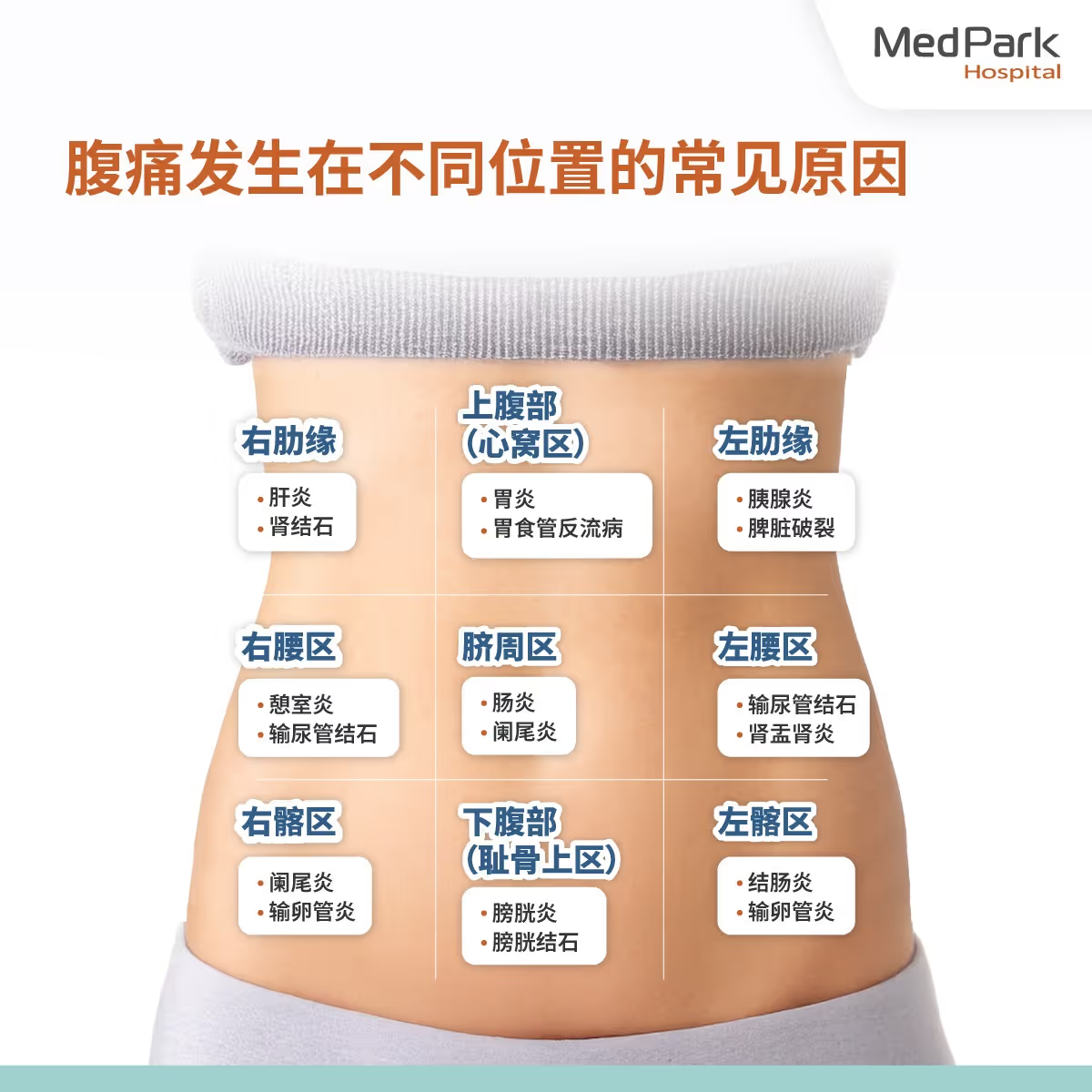
What does each specific abdominal pain location tell us?

1. Right upper abdominal pain between the right costal margin and the area above the navel

Organs in this region that may cause abdominal pain are the liver, gallbladder, intestines in this area, or the right kidney. Diseases or symptoms that may occur with organs in this area include hepatitis and right-sided kidney inflammation or stones in the right kidney, which may be a sign of gallstone disease. Those with severe abdominal pain may have pain that radiates to the right shoulder or to the back directly under the right shoulder blade, along with nausea and vomiting. Abdominal pain can be severe to the point of fainting due to the pain. Abdominal pain in this area is common after eating high-fat food or a large meal.

2. Epigastric abdominal pain between the xiphoid and navel

Organs in this region that may cause abdominal pain are the stomach, lower esophagus, first part of the small intestine, pancreas, and gallbladder. Diseases or symptoms that may affect the organs in this region include gastritis, gastroesophageal reflux disease (GERD), gallstones, or pancreatitis. To help make a diagnosis and to discern the disease, the doctor may request additional diagnostic tests, such as abdominal X-rays to determine other comorbidities or a FibroScan, which can help detect fatty liver disease and liver fibrosis that can lead to cirrhosis or liver cancer. Additionally, people experiencing epigastric abdominal pain when hungry or feeling full may have gastritis; people experiencing severe pain or constant pain with vomiting may have pancreatitis. Individuals who feel a mass or a large lump in this area may have an enlarged liver (hepatomegaly). Additionally, an acute heart attack can also present with pain in this area.

3. Left upper abdominal pain between the left costal margin and area above the navel

This region's organs that can cause abdominal pain include the stomach, spleen, pancreas, left kidney, and intestines. Diseases or symptoms that may affect the organs in this region include gastritis, pancreatitis, ruptured spleen, left kidney inflammation, or stones in the left kidney. The slow onset and gradual worsening of pain characterize peptic ulcer disease and colonic diverticulitis. Abdominal pain in this area, which is considered a medical emergency, is a ruptured spleen caused by an accident or having received a severe concussion, which requires the patient's immediate hospitalization and surgery in most cases.

4. Mid-abdomen pain, towards the right flank

Pain in this region, particularly if severe, may be a sign and symptom of diverticulitis. Severe colicky right flank pain, accompanied by sweating and blood in the urine, could be due to a ureteric stone. If the abdominal pain radiates to the back and is accompanied by fever, chills, or cloudy urine, this could be a sign and symptom of pyelonephritis. If the pain radiates down the thigh, it could be a ureter stone. If you feel a mass in this region, you should see a doctor immediately.

5. Mid, periumbilical abdominal pain

Organs in this area that may cause abdominal pain include the small intestine. Typically, this region's abdominal pain is caused by inflammation of the small intestine (enteritis). Those presented with a gradual onset of periumbilical pain, which later shifts down to the right lower abdomen, associated with nausea, vomiting, and localized right lower abdominal tenderness, and unbearable pain when pressing, could be symptoms of appendicitis. You should see a doctor as soon as possible.

6. Mid-abdomen pain, towards the left flank

Abdominal pain in this region, particularly if severe, may be a sign and symptom of diverticulitis. Severe colicky left flank pain, accompanied by sweating and blood in the urine, could be due to a ureteric stone. If the abdominal pain radiates to the back and is accompanied by fever, chills, or cloudy urine, this could be a sign and symptom of pyelonephritis. If the pain radiates down the thigh, it could be a ureter stone. If you feel a mass in this region, you should see a doctor immediately.

7. Right lower abdominal and pelvic pain

Organs in this region that may cause abdominal pain include the appendix and the intestines, the right ovary, and the fallopian tube. Diseases or symptoms that may occur with organs in this region include appendicitis, inflammatory conditions of the small or large bowels (colitis), and right pyelonephritis. If pressing on the area of abdominal pain causes pain, it could be appendicitis. If you have periodic pain that radiates down to the thigh, it could be due to ureteric stones. If you have a fever, chills, and vaginal discharge, it could be a sign of salpingitis. If you feel a mass in this region, it could be an inflammatory appendiceal or ovarian mass that requires further evaluation.

8. Mid-abdominal pain between the navel and the pubis

The organs in this region that may cause abdominal pain are the urinary bladder and the uterus. If you experience burning pain while urinating or urinary hesitancy, this could be a sign of cystitis or bladder stones. In females, if experiencing dysmenorrhea during their menstrual cycle associated with fever, chills, leukorrhea, and chronic, dull pelvic pain, it could be a sign of endometritis or uterine fibroids, all of which require immediate medical attention.

9. Left lower abdominal and pelvic pain

The organs in this area that may cause abdominal pain are the left colon, ureter, fallopian tube, or ovary. If you have severe abdominal pain in this area, pay attention to the associated symptoms; if you have diarrhea or watery diarrhea, there may be abnormalities in the large intestine or colitis. If the pain is colicky and radiates to the left thigh, it could be a ureteral stone. If you feel a mass in this area with chronic constipation, bloody mucoid stools, alternating constipation and diarrhea, and weight loss, you may have intestinal malignancy (colon cancer). In females, pain in the lower left abdominal area accompanied by fever, chills, or leukorrhea (vaginal discharge) may be a sign or symptom of left fallopian tube inflammation.

การวินิจฉัยอาการปวดท้อง มีวิธีการอย่างไร How is abdominal pain diagnosed?

How is abdominal pain diagnosed?

The physician will take a history to characterize the abdominal pain, such as where the pain is located. How long have you been suffering from abdominal pain? Is the pain localized, or does it radiate to other parts of the body? Is there abdominal pain that comes and goes or that lasts? Inquire about other side effects aside from abdominal pain. The physician will take a history from the following inquiries:

  • Abdominal pain lasts more than 6 hours without relief
  • Unable to eat due to abdominal pain with loss of appetite
  • More than 3-4 episodes of abdominal pain and vomiting
  • Increased abdominal pain with movements
  • Severe abdominal pain interferes with sleep
  • Pain in the abdomen accompanied by vaginal bleeding
  • Abdominal pain, fever, and chills
  • Abdominal pain and shortness of breath
  • Abdominal pain and dizziness, fainting, and loss of consciousness
  • Abdominal pain radiating to the back or the shoulder blade

What kind of abdominal pain should I seek urgent medical attention?

Immediate medical attention is advisable for those experiencing severe or chronic abdominal pain, recent accidents or injuries, pregnancy, or having additional concerning symptoms alongside abdominal pain to find the cause and prompt intervention.

  • Persistent fever, nausea, or vomiting
  • Bloody stools, urine, or vomitus
  • Painful swelling or severe tenderness when pressed
  • Jaundice (yellowish eyes and skin)
  • Pain radiating to other parts of the body
  • Shortness of breath, fatigue, or stomach pain that worsens with movements.

How Is Abdominal Pain Diagnosed 2

Abdominal Pain, Knowing the Exact Location is the Key to Treatment

Each regional abdominal pain has varying symptoms, causes, and severity, necessitating distinct treatment approaches. A comprehensive history is therefore crucial for accurate diagnosis and treatment. Currently, advanced medical technologies, including Upper GI endoscopy, Colonoscopy, and FibroScan, aid physicians in providing precise diagnoses. Individuals experiencing chronic abdominal pain or severe acute abdominal pain should seek immediate medical attention, as it could indicate severe diseases such as kidney stones, tumors, or gastrointestinal cancers. Early diagnosis and appropriate treatment are crucial for reducing complications and recovering from abdominal pain.

发布 26 12月 2025

分享

相关医生

  • Link to doctor
    Dr Panida Piyachaturawat

    Dr Panida Piyachaturawat

    • Gastroenterology & Hepatology
    Gastroscopy and Colonoscopy, Gastroenterology and Hepatology, Chronic Abdominal Pain, Chronic Constipation, Chronic and Acute Diarrhea, Endoscopic Retrograde Cholangiopancreatography (ERCP), Inflammatory Bowel Disease (IBD), Irritable Bowel Syndrome (IBS), Colorectal Screening, Endoscopic Ultrasound (EUS), Gastrointestinal Bleeding, Elevated Liver Enzymes, Viral Hepatitis, Non-alcoholic steatohepatitis (NASH), Enteroscopy, Fibroscan
  • Link to doctor
    Dr Uraiwan Simapichet

    Dr Uraiwan Simapichet

    • Gastroenterology & Hepatology
    Gastroenterology and Hepatology
  • Link to doctor
    Dr Kittithat Tantitanawat

    Dr Kittithat Tantitanawat

    • Gastroenterology & Hepatology
    Gastroenterology and Hepatology, Pancreato - Biliary Disorders, Pancreatic Cancer, Chronic Pancreatitis, Acute Pancreatitis, Metabolic Dysfunction - Associated Steatotic Liver Disease (MASLD), Obesity and Overweight, Colorectal Screening, Gastroesophageal Reflux Disease (GERD), Gastritis, Endoscopic Mucosal Resection (EMR)
  • Link to doctor
    Assoc.Prof.Dr Sawangpong Jandee

    Assoc.Prof.Dr Sawangpong Jandee

    • Gastroenterology & Hepatology
    Gastroenterology and Hepatology
  • Link to doctor
    Dr Penprapai Hongsrisuwan

    Dr Penprapai Hongsrisuwan

    • Gastroenterology & Hepatology
    Gastroenterology and Hepatology, Gastroscopy and Colonoscopy, Colorectal Screening, Gastroesophageal Reflux Disease (GERD), Irritable Bowel Syndrome (IBS), Chronic Abdominal Pain, Gastrointestinal Bleeding, Hemorrhoids, Viral Hepatitis, Elevated Liver Enzymes, Cirrhosis, Fatty Liver Disease
  • Link to doctor
    Asst.Prof.Dr Siam Sirinthornpunya

    Asst.Prof.Dr Siam Sirinthornpunya

    • Gastroenterology & Hepatology
    Gastroenterology and Hepatology
  • Link to doctor
    Assoc. Prof. Dr Chonticha Auesomwang

    Assoc. Prof. Dr Chonticha Auesomwang

    • Gastroenterology & Hepatology
    Gastroenterology and Hepatology
  • Link to doctor
    Dr Waraporn Panjawong

    Dr Waraporn Panjawong

    • Gastroenterology & Hepatology
    General Gastrointestinal Disorders, Colorectal Screening, Endoscopic Ultrasound (EUS), Endoscopic Retrograde Cholangiopancreatography (ERCP), Gastroesophageal Reflux Disease (GERD)
  • Link to doctor
    Prof.Dr Sinn Anuras

    Prof.Dr Sinn Anuras

    • Gastroenterology & Hepatology
    Gastroenterology and Hepatology
  • Link to doctor
    Dr Sureeporn  Jangsirikul

    Dr Sureeporn Jangsirikul

    • Gastroenterology & Hepatology
    Gastroscopy and Colonoscopy, Gastroenterology and Hepatology, Colorectal Screening, Gastroesophageal Reflux Disease (GERD), Chronic Abdominal Pain, Gastrointestinal Bleeding, Elevated Liver Enzymes, Biofeedback Therapy, Esophageal Motility Disorders, Esophageal pH Study, Helicobacter pylori (H. pylori), Gastric Emptying Time, Colonic Transit Time, Manometry
  • Link to doctor
    Dr Santi  Kulpatcharapong

    Dr Santi Kulpatcharapong

    • Gastroenterology & Hepatology
    Gastroscopy and Colonoscopy, Gastroenterology and Hepatology, Colorectal Screening, Elevated Liver Enzymes, Non-alcoholic steatohepatitis (NASH), Alcoholic Hepatitis, Viral Hepatitis, Endoscopic Retrograde Cholangiopancreatography (ERCP), Gastrointestinal Bleeding, Chronic Abdominal Pain, Fibroscan, Liver Mass / Live Nodule / Liver Cyst, Gastroesophageal Reflux Disease (GERD), Liver Failure, Cirrhosis
  • Link to doctor
    Assoc.Prof.Dr.M.L. Taya Kitiyakara

    Assoc.Prof.Dr.M.L. Taya Kitiyakara

    • Gastroenterology & Hepatology
    General Gastrointestinal Disorders, Colorectal Screening, Helicobacter pylori (H. pylori), Chronic Abdominal Pain, Inflammatory Bowel Disease (IBD), Irritable Bowel Syndrome (IBS), Endoscopic Ultrasound (EUS), Diarrhea, Chronic and Acute Diarrhea, Endoscopic Retrograde Cholangiopancreatography (ERCP), Chronic Constipation, Abnormal Liver Funtion Test
  • Link to doctor
    Dr Korpong Hungspreugs

    Dr Korpong Hungspreugs

    • Gastroenterology & Hepatology
    General Gastrointestinal Disorders, Colorectal Screening, Diarrhea, Chronic and Acute Diarrhea, Helicobacter pylori (H. pylori), Dysphagia (Difficulty Swallowing), Gastroesophageal Reflux Disease (GERD), Chronic Constipation, Dyspepsia, Bowel Habit Change
  • Link to doctor
    Assoc.Prof.Dr Sathaporn Manatsathit

    Assoc.Prof.Dr Sathaporn Manatsathit

    • Gastroenterology & Hepatology
    Gastroenterology and Hepatology, Gastrointestinal Infection, Chronic Abdominal Pain, Chronic Constipation, Chronic and Acute Diarrhea, Diarrhea, Viral Hepatitis, Leaky Gut Syndrome, Liver Tumor, Elevated Liver Enzymes, Hemorrhoids, Inflammatory Bowel Disease (IBD), Irritable Bowel Syndrome (IBS), Dysphagia (Difficulty Swallowing)
  • Link to doctor
    Dr Thaninee Prasoppokakorn

    Dr Thaninee Prasoppokakorn

    • Gastroenterology & Hepatology
    Gastroenterology and Hepatology
  • Link to doctor
    Dr Yearnyong Jeangwirichaikull

    Dr Yearnyong Jeangwirichaikull

    • Gastroenterology & Hepatology
    General Gastrointestinal Disorders, Colorectal Screening, Endoscopic Retrograde Cholangiopancreatography (ERCP), Hepatomegaly, Jaundice, Cirrhosis
  • Link to doctor
    Dr Sukawit Thongsri

    Dr Sukawit Thongsri

    • Gastroenterology & Hepatology
    Gastroenterology and Hepatology