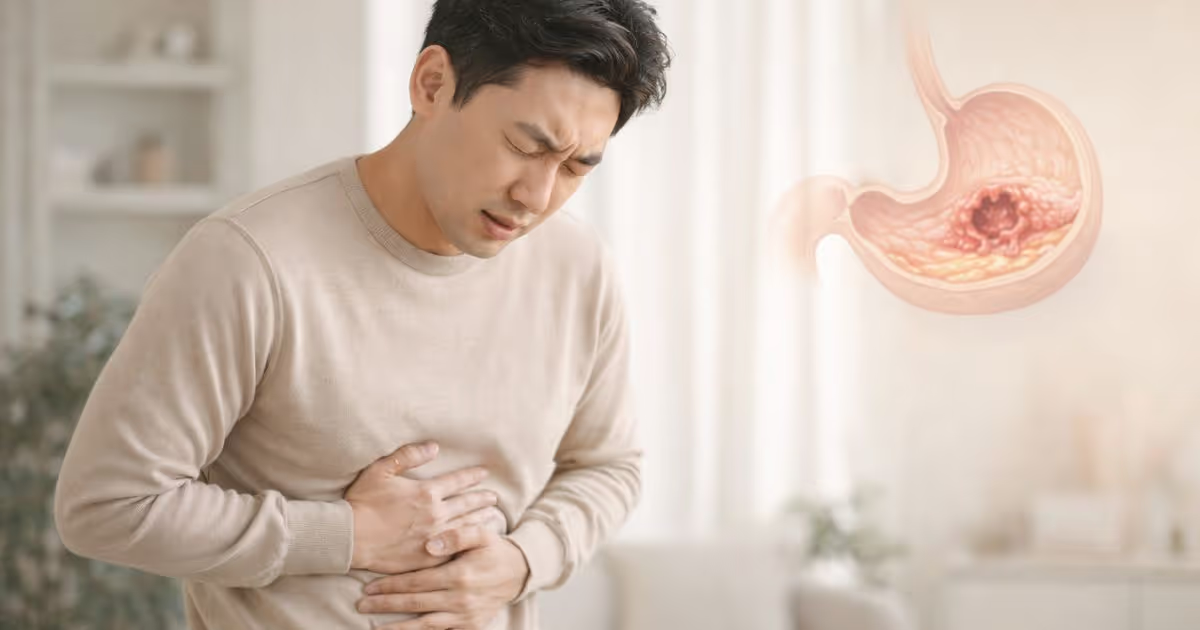
สัญญาณเตือน! แผลในกระเพาะอาหาร รู้ทันก่อนกระเพาะพัง - Warning! Peptic Ulcers: Know the Signs Before It’s Too Late

SOS Warning! Peptic Ulcers: Know the Signs Before It’s Too Late

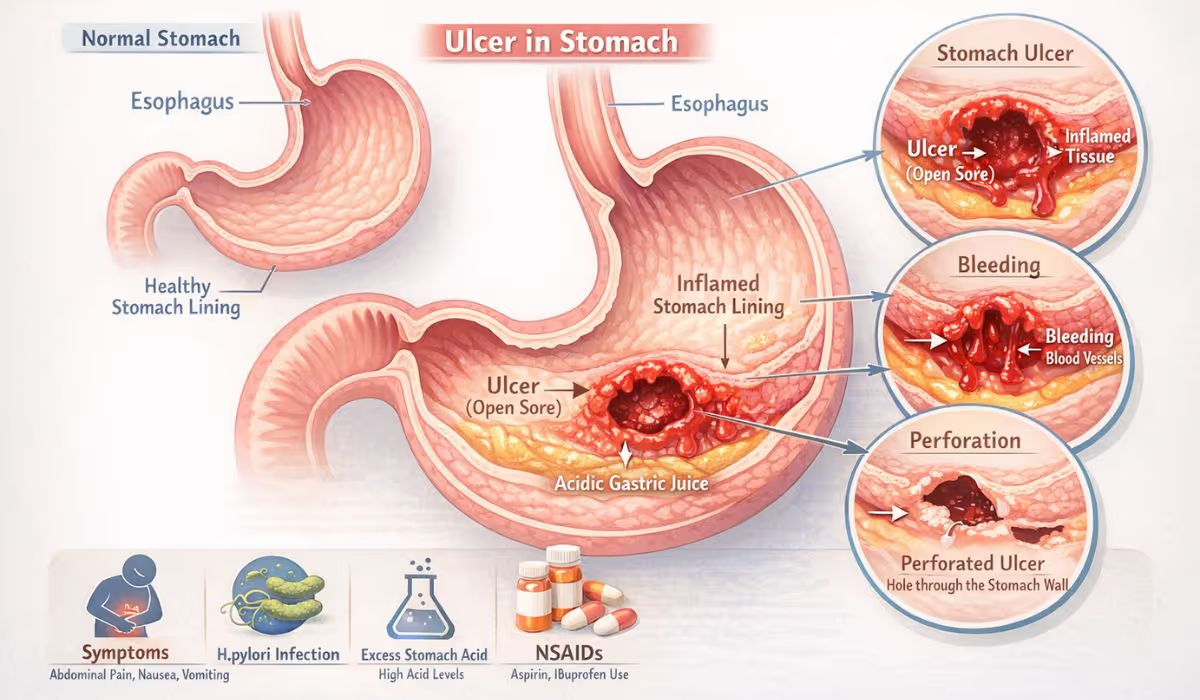
A peptic ulcer is an open sore that forms on the lining of the stomach or duodenum, the first part of the small intestine, often causing abdominal pain, burning sensations, acute discomfort, and bleeding.

分享

SOS Warning! Peptic Ulcers – Know the Signs Before It’s Too Late

A peptic ulcer is an open sore that forms on the lining of the stomach or duodenum, the first part of the small intestine, often causing abdominal pain, burning sensations, acute discomfort, and bleeding. The most common causes include Helicobacter pylori (H. pylori) bacterial infection and prolonged use of nonsteroidal anti-inflammatory drugs (NSAIDs), such as piroxicam, meloxicam, ibuprofen, and naproxen.

Globally, approximately 5–10% of the population develops peptic ulcers. This condition can affect individuals of all ages. However, they are more commonly found in middle-aged adults and affect men more frequently than women.
Peptic Ulcers Banner 3

What Causes Peptic Ulcers?

Many people believe that consuming spicy, acidic, or carbonated beverages can erode the stomach lining and lead to ulcers. There is also a common misconception that excessive stress can cause gastritis, often referred to as “stress-induced gastritis.” However, this is not entirely true.

Stress and spicy foods do not directly cause peptic ulcers, but they can exacerbate symptoms in individuals who already have them. The primary causes of peptic ulcers remain Helicobacter pylori (H. pylori) infection and prolonged use of nonsteroidal anti-inflammatory drugs (NSAIDs).

Does Spicy Food Cause Stomach Pain?

Spicy food does not cause gastric(stomach) ulcers but can trigger abdominal discomfort in some individuals. Frequent consumption of spicy foods may aggravate upper gastrointestinal symptoms in people with indigestion. Additionally, in individuals with irritable bowel syndrome (IBS), spicy foods can exacerbate symptoms and worsen their condition.

Peptic Ulcers Banner 2

How Do You Know If You Have a Gastric Ulcer?

More than 70% of individuals with gastric ulcers experience no noticeable symptoms. However, the most common signs include abdominal pain and indigestion, which may occur after eating or during digestion. The quality of pain is a burning sensation, pressure, or fullness in the stomach.

The burning stomach pain is due to gastric acid and digestive enzymes eroding the protective stomach lining. Some individuals report a sharp, stabbing pain so much that they can pinpoint the exact location of discomfort. However, it is often difficult to distinguish whether the ulcer is in the stomach or the duodenum solely from the symptoms.

Patients can recognize gastric ulcer symptoms by noting that discomfort typically worsens shortly after eating (within 30 minutes) when gastric acid production is at its peak. In contrast, duodenal ulcers usually cause pain that is severe enough to wake individuals at night. This pain is typically lower than the stomach, closer to the navel. Meanwhile, esophageal ulcers present with a sharp pain that is more intense at night.

Gastritis: Over-the-Counter Medication Isn’t Enough. Proper Treatment Is Key.

If you suspect you may have a peptic ulcer, seeking medical attention is essential. While over-the-counter medications may provide temporary relief, they do not heal the ulcer. Identifying and treating the underlying cause is the key.

Untreated gastric ulcers can lead to serious complications and may increase the risk of stomach cancer. Be vigilant for warning signs of severe complications, such as persistent severe abdominal pain, bloody stools, vomiting blood, or symptoms of significant blood loss, e.g., pale skin, dizziness, or fainting. Do not delay medical consultation for proper and prompt diagnosis and treatment.

发布 22 12月 2025

分享

相关医生

  • Link to doctor
    Dr Waraporn Panjawong

    Dr Waraporn Panjawong

    • Gastroenterology & Hepatology
    General Gastrointestinal Disorders, Colorectal Screening, Endoscopic Ultrasound (EUS), Endoscopic Retrograde Cholangiopancreatography (ERCP), Gastroesophageal Reflux Disease (GERD)
  • Link to doctor
    Assoc.Prof.Dr.M.L. Taya Kitiyakara

    Assoc.Prof.Dr.M.L. Taya Kitiyakara

    • Gastroenterology & Hepatology
    General Gastrointestinal Disorders, Colorectal Screening, Helicobacter pylori (H. pylori), Chronic Abdominal Pain, Inflammatory Bowel Disease (IBD), Irritable Bowel Syndrome (IBS), Endoscopic Ultrasound (EUS), Diarrhea, Chronic and Acute Diarrhea, Endoscopic Retrograde Cholangiopancreatography (ERCP), Chronic Constipation, Abnormal Liver Funtion Test
  • Link to doctor
    Dr Yearnyong Jeangwirichaikull

    Dr Yearnyong Jeangwirichaikull

    • Gastroenterology & Hepatology
    General Gastrointestinal Disorders, Colorectal Screening, Endoscopic Retrograde Cholangiopancreatography (ERCP), Hepatomegaly, Jaundice, Cirrhosis
  • Link to doctor
    Dr Korpong Hungspreugs

    Dr Korpong Hungspreugs

    • Gastroenterology & Hepatology
    General Gastrointestinal Disorders, Colorectal Screening, Diarrhea, Chronic and Acute Diarrhea, Helicobacter pylori (H. pylori), Dysphagia (Difficulty Swallowing), Gastroesophageal Reflux Disease (GERD), Chronic Constipation, Dyspepsia, Bowel Habit Change
  • Link to doctor
    Dr Panida Piyachaturawat

    Dr Panida Piyachaturawat

    • Gastroenterology & Hepatology
    Gastroscopy and Colonoscopy, Gastroenterology and Hepatology, Chronic Abdominal Pain, Chronic Constipation, Chronic and Acute Diarrhea, Endoscopic Retrograde Cholangiopancreatography (ERCP), Inflammatory Bowel Disease (IBD), Irritable Bowel Syndrome (IBS), Colorectal Screening, Endoscopic Ultrasound (EUS), Gastrointestinal Bleeding, Elevated Liver Enzymes, Viral Hepatitis, Non-alcoholic steatohepatitis (NASH), Enteroscopy, Fibroscan
  • Link to doctor
    Dr Sureeporn  Jangsirikul

    Dr Sureeporn Jangsirikul

    • Gastroenterology & Hepatology
    Gastroscopy and Colonoscopy, Gastroenterology and Hepatology, Colorectal Screening, Gastroesophageal Reflux Disease (GERD), Chronic Abdominal Pain, Gastrointestinal Bleeding, Elevated Liver Enzymes, Biofeedback Therapy, Esophageal Motility Disorders, Esophageal pH Study, Helicobacter pylori (H. pylori), Gastric Emptying Time, Colonic Transit Time, Manometry
  • Link to doctor
    Dr Santi  Kulpatcharapong

    Dr Santi Kulpatcharapong

    • Gastroenterology & Hepatology
    Gastroscopy and Colonoscopy, Gastroenterology and Hepatology, Colorectal Screening, Elevated Liver Enzymes, Non-alcoholic steatohepatitis (NASH), Alcoholic Hepatitis, Viral Hepatitis, Endoscopic Retrograde Cholangiopancreatography (ERCP), Gastrointestinal Bleeding, Chronic Abdominal Pain, Fibroscan, Liver Mass / Live Nodule / Liver Cyst, Gastroesophageal Reflux Disease (GERD), Liver Failure, Cirrhosis
  • Link to doctor
    Dr Kittithat Tantitanawat

    Dr Kittithat Tantitanawat

    • Gastroenterology & Hepatology
    Gastroenterology and Hepatology, Pancreato - Biliary Disorders, Pancreatic Cancer, Chronic Pancreatitis, Acute Pancreatitis, Metabolic Dysfunction - Associated Steatotic Liver Disease (MASLD), Obesity and Overweight, Colorectal Screening, Gastroesophageal Reflux Disease (GERD), Gastritis, Endoscopic Mucosal Resection (EMR)
  • Link to doctor
    Dr Penprapai Hongsrisuwan

    Dr Penprapai Hongsrisuwan

    • Gastroenterology & Hepatology
    Gastroenterology and Hepatology, Gastroscopy and Colonoscopy, Colorectal Screening, Gastroesophageal Reflux Disease (GERD), Irritable Bowel Syndrome (IBS), Chronic Abdominal Pain, Gastrointestinal Bleeding, Hemorrhoids, Viral Hepatitis, Elevated Liver Enzymes, Cirrhosis, Fatty Liver Disease