





Heart Failure: A Frequently Overlooked Complication of Coronary Artery Disease
Heart failure is a serious and concerning heart condition. Despite its name, it rarely occurs suddenly. In most cases, it develops because of underlying heart problems that gradually worsen over many years. Coronary artery disease is one of the leading causes and can progress silently without obvious symptoms in its early stages.
This special article explores how heart failure can develop from coronary artery disease, who may be at risk, the warning signs that should not be ignored, and diagnostic evaluation and holistic approaches to patient care through an interview with Dr. Pierre -- Dr. Piyanart Preeyanont -- a cardiologist specializing in interventional cardiology at MedPark Hospital. Learn to recognize early warning signs and take proactive steps to guard your heart health before the condition affects your long-term quality of life.

Heart Failure Is Not Sudden Cardiac Arrest.
The “heart” has two essential functions that must work in harmony: contraction, which pumps blood to supply the body’s organs, and relaxation, which allows the heart to fill with blood returning from the body and lungs. When either function becomes impaired or less efficient, the heart may fail to deliver sufficient blood to meet the body's needs; blood volume increases, and fluid may build up in the lungs, signifying heart failure.
Dr. Piyanart addresses a common misconception: “Heart failure does not mean the heart suddenly stops beating. Instead, it refers to a condition in which the heart’s ability to pump blood is reduced due to underlying conditions that have developed over time. Cardiac arrest may occur when heart failure progresses to a more advanced and severe stage.”
Heart failure does not occur without an underlying cause. Instead, it develops because of various forms of heart disease, including congenital heart disease, cardiomyopathy, heart valve disease, and disorders affecting the heart’s electrical system. Among these, coronary artery disease is one of the most common causes.
Coronary Artery Disease: The Silent Villain That Damages Your Heart.
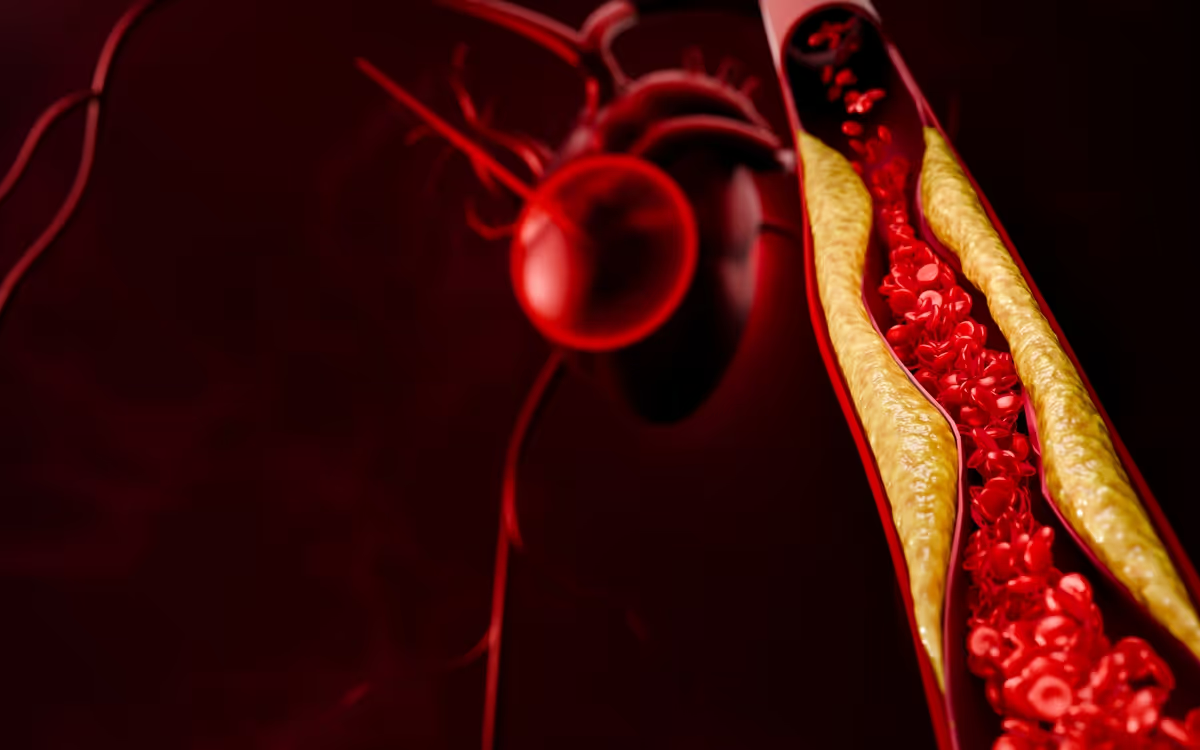
When the coronary arteries become narrowed or blocked — whether due to a sudden blockage during a heart attack or gradual narrowing over time — the heart muscle may not receive an adequate supply of blood and oxygen, damaging heart muscle cells in areas deprived of blood supply, and some areas of the heart muscle may die, resulting in permanent cardiac impairment.
“When the heart loses muscle tissue responsible for contraction and relaxation, its pumping function gradually declines, eventually leading to heart failure. Therefore, the doctor’s role is not only to manage symptoms such as shortness of breath and swelling, but also to identify the underlying cause.”
Fainting, Swelling, and Fatigue: Heart Failure Signs Not to Be Dismissed as Aging
Often, family members begin to notice that an elderly relative becomes easily fatigued, develops leg swelling, or is less able to perform daily activities as they once did. Because these symptoms tend to develop gradually, patients and those around them may become accustomed to the changes and dismiss them as a normal part of aging. However, these signs may indicate that the body is working harder to compensate for declining cardiac function.

Dr. Piyanart highlights key warning signs that should not be overlooked. “Early-stage heart failure may start with exertional fatigue, such as being able to walk less or climbing fewer flights of stairs than before. This gradually worsens until fatigue occurs even during simple daily tasks. Some individuals may experience an unexplained cough, swelling in the legs by the evening, or an inability to lie flat, requiring additional pillows to prop themselves up. ”
Therefore, if a family member experiences episodes of fainting, swelling, or shortness of breath, these symptoms may be related to heart disease or other underlying conditions. They should not be dismissed as a normal part of aging. A comprehensive medical evaluation should be sought to pinpoint the underlying cause.
Red Flags: Warning Signs of Exacerbating Heart Failure and Risk of Pulmonary Edema
As fluid accumulates in the body, a patient’s symptoms may worsen rapidly. Warning signs that should be closely monitored include:
- Increasing shortness of breath, even with speaking or eating.
- An unexplained cough, difficulty lying flat, or waking up in the middle of the night due to difficulty breathing.
- The above symptoms accompanied by leg swelling and a rapid increase in body weight.
Dr. Piyanart highlights the red flags that require immediate medical attention: “If patients experience shortness of breath even at rest, are unable to speak full sentences, have episodes of fainting or loss of consciousness, or experience chest pain or pressure, they should not wait to see if the symptoms improve. They should seek immediate medical care, as these may indicate worsening heart failure or pulmonary edema, which requires urgent treatment.”
Diabetes, Hypertension, High Cholesterol, and Chronic Conditions: Increasing the Heart’s Workload
Noncommunicable diseases (NCDs), including diabetes, hypertension, and dyslipidemia, are key risk factors that can slowly damage blood vessels and the heart muscle. Many patients mistakenly assume that “no symptoms means the condition is under control,” which may lead to inconsistent medication use or missed follow-up care. However, underlying changes may already be developing within the body.
“Individuals with diabetes, hypertension, high cholesterol, kidney disease, thyroid disorders, anemia, or a family history of heart disease should maintain regular follow-up appointments as recommended by their doctor. These conditions may affect the blood vessels and heart muscle, while placing additional strain on the heart over time,” Dr. Piyanart emphasizes.
Understanding HFpEF: Heart Failure with Preserved Ejection Fraction
Heart Failure with Preserved Ejection Fraction (HFpEF) is a type of heart failure in which the heart’s ability to contract and pump blood remains preserved, but the heart muscle cannot relax properly. Because the heart becomes thickened, stiff, or less flexible, it cannot adequately accommodate blood returning from the lungs.
“As pressure within the heart rises, blood and fluid may back up into the lungs, leading to symptoms such as fatigue, shortness of breath, orthopnea, or pulmonary edema. These are hallmark symptoms of this type of heart failure.”
Dr. Piyanart further explains: “HFpEF is associated with hypertension, diabetes, and obesity, and it can develop even in working-age adults. Body weight, blood glucose, blood pressure, and lipid level management is not merely about improving health metrics; It is essential in reducing the workload of the heart over the long term.”
Heart Failure Diagnosis Requires a Comprehensive Evaluation to Identify the Root Cause
The diagnosis of heart failure requires a thorough evaluation that considers multiple aspects, including medical history, physical examination findings, and specialized diagnostic tests, to determine the underlying cause of the impaired cardiac function.
“When heart failure is suspected, doctors conduct further evaluations, including echocardiography and blood tests for specific biomarkers such as NT-proBNP. These assessments help determine whether symptoms such as fatigue or swelling are associated with impaired cardiac function.” Dr. Piyanart explains a systematic approach to uncovering the underlying cause.
Echocardiography enables doctors to evaluate the heart’s pumping and relaxation functions, myocardial thickness, valve function, and abnormalities within the heart chambers. Additional blood tests and diagnostic assessments further contribute to a more comprehensive and accurate diagnosis.
Cardiac Catheterization: A Procedure That Provides a More Complete Understanding of the Condition
“For patients with findings that suggest possible heart failure, information obtained from cardiac catheterization, a procedure in which a thin catheter is inserted through a blood vessel and guided to the heart, helps doctors gain a clearer understanding of the condition, including the presence of coronary artery disease, abnormal pressure within the heart, and the extent of fluid accumulation. This information is essential for identifying the underlying cause and developing a targeted treatment approach for heart failure,” Dr. Piyanart describes the critical diagnostic step that helps unravel the complexity of the disease.

However, cardiac catheterization is not indicated in all patients with heart failure. The doctor will determine the patient’s symptoms, initial diagnostic findings, risk factors, and the likelihood of underlying coronary artery disease. If significant coronary artery narrowing is detected, treatment may include medical therapy, coronary angioplasty, or other treatment approaches tailored to individual patients' needs.
“I’m Still Healthy”: A False Sense of Well-Being That Allows Heart Disease to Progress Silently
Dr. Piyanart shares the case of a relatively young patient with diabetes, hypertension, and high cholesterol who had not attended follow-up appointments for more than two years and did not take medications consistently because they felt healthy and were able to carry on with daily life as usual. It was only after the patient developed fatigue, shortness of breath, and leg swelling that further evaluation revealed an enlarged heart, impaired cardiac function, and significant blockages in all three major coronary arteries.
“After undergoing coronary treatment, medication adjustment, and care from a multidisciplinary team, the patient’s symptoms and heart function steadily improved. This case serves as a clear reminder that heart failure doesn't happen overnight. It builds up from cumulative damage, even when you feel perfectly healthy.”
Comprehensive Heart Failure Care to Help Patients Return to a Near-Normal Life
Many patients with heart failure are living with more than just heart disease. They often have coexisting conditions such as diabetes, hypertension, kidney disease, thyroid disorders, anemia, or obesity. These comorbidities can affect heart function, influence treatment response, and increase the risk of future heart failure. Effective treatment therefore requires a comprehensive approach that addresses the underlying cause, manages coexisting conditions, and helps patients achieve the best possible quality of life.

At MedPark Hospital, we provide care specific to each patient's underlying condition, comorbidities, and individual needs through holistic multidisciplinary management. Our multidisciplinary team includes interventional cardiologists, endocrinologists, nephrologists, registered nurses, clinical pharmacists, dietitians, physiatrists, and physical therapists. Together, they formulate personalized pharmacotherapy regimens, optimize management of coexisting conditions, provide nutritional support, and facilitate cardiac rehabilitation for each patient.
Dr. Piyanart wrapped up with a reassuring smile: “Our treatment goals focus on two key priorities: managing the underlying cause and helping patients regain the best possible quality of life or return to a near-normal lifestyle. Achieving these goals requires a multidisciplinary team approach, but patients and their families play an equally important role. Taking medications as prescribed, attending follow-up appointments, and paying close attention to even subtle bodily changes give us the best opportunity to preserve healthy heart function for as long as possible.”