





Top 3 Health Risks for “Salty Lovers”
Confess now—who has the habit of reaching for the saltshaker before tasting their food? If you equate saltiness with umami and irresistible flavor, it is time for significant dietary changes! Think twice before adding that extra dash of soy sauce, fish sauce, or salt because excessive sodium intake does not just harm your kidneys. It significantly increases the risk of hypertension, cardiovascular disease, gastric cancer, and more.
How Much Salt Is Too Much?
According to the U.S. Food and Drug Administration (FDA), a healthy adult should limit sodium intake to no more than 2,300 milligrams per day—roughly equivalent to 6 grams (one teaspoon).
One commonly overlooked source of excess sodium is hidden salt—an ingredient in various foods. Even if you do not sprinkle extra salt, soy sauce, or monosodium glutamate (MSG) on your food, it may still contain high sodium levels, leading to unintentional overconsumption. Processed foods are the primary hidden sources, as salt is often used during manufacturing. These include frozen meals, pickled foods, processed meats, bread, baked goods, and soft drinks.
Occasionally exceeding the recommended sodium intake is unlikely to cause immediate harm. However, habitual overconsumption—day after day—can gradually take a toll on your overall health.
What happens when excessive salt intake becomes a daily habit? Let’s explore the potential health consequences.

- Hypertension
Research indicates that high-sodium diets significantly elevate blood pressure, while reducing salt intake can effectively lower blood pressure levels.
Two large-scale studies reported that decreasing salt consumption by 4.4 grams per day could reduce systolic blood pressure by 4.18 mmHg and diastolic blood pressure by 2.06 mmHg. The effect was even more pronounced in individuals with pre-existing hypertension compared to those with normal blood pressure.
Additionally, obese individuals and seniors are particularly susceptible to the hypertensive effects of excessive sodium intake, experiencing higher blood pressure elevations than the general population.
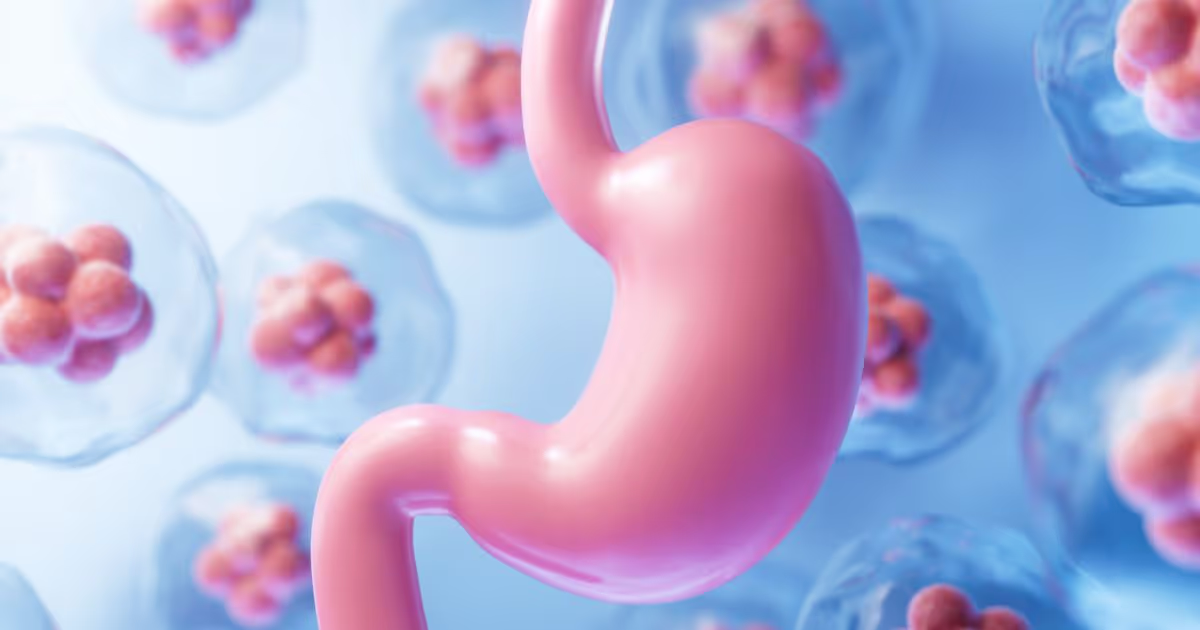
- Gastric Cancer
Studies have identified a link between high-salt diets and an increased risk of gastric cancer.
One study found that individuals with high salt intake may be twice as likely to develop gastric cancer. However, the study did not give a specific threshold separating high and low salt intakes.
While the exact mechanism remains unclear, experts suggest that excessive salt consumption may contribute to gastric ulcers or chronic inflammation of the stomach lining (gastritis), both of which are known risk factors for gastric cancer.

- Heart Disease and Premature Mortality
As mentioned earlier, research suggests that excessive salt intake raises blood pressure, which in turn contributes to vascular stiffness and arterial hardening—key risk factors for heart disease and premature death.
A 20-year study found that participants consuming less than 5.8 grams of salt daily had the lowest mortality rate, while those consuming more than 15 grams had the highest mortality rate.
However, some studies have found no clear link between high salt intake and increased cardiovascular risk. This discrepancy may be due to variations in individual physiology and pre-existing health conditions among study participants. As a result, the impact of excessive salt consumption on heart health may vary from person to person.

Guidelines for Preventing Excessive Sodium Intake
The most effective way to reduce sodium levels in the body is to limit sodium intake and maintain a well-balanced diet. Here’s how:
- Reduce consumption of hidden sodium sources such as processed foods, cured meats, baked goods, snacks, potato chips, and soft drinks.
- Opt for low-sodium seasonings. Reduced-sodium options, such as fish sauces or seasonings with 50% less sodium, are widely available.
- Choose freshly prepared meals. It helps minimize sodium intake from frozen, processed, or ready-to-eat meals.
- Use alternative flavor enhancers such as herbs, spices, and lemon juice to enhance flavor without the need for salt or fish sauce.
In summary, excessive salt consumption is undoubtedly harmful to health. By actively managing sodium intake, you can significantly reduce the risk of chronic non-communicable diseases often associated with high-sodium diets.