





Dr. Panida: Innovative Gastroenterologist Transforming Patients’ Lives

When it comes to gastrointestinal health, everything, from eating and digestion to elimination, is intricately connected. As eating is an essential part of daily life, it is not surprising that gastrointestinal conditions are among the most common health concerns. These range from mild everyday symptoms to more serious and complex diseases. Given the complexity and extensive nature of the digestive system, specialist care is essential to address its many interrelated components. Today, we invite you to explore your gastrointestinal health through the story of Dr. Panida Piyachaturawat, a specialist in gastroenterology and hepatology.
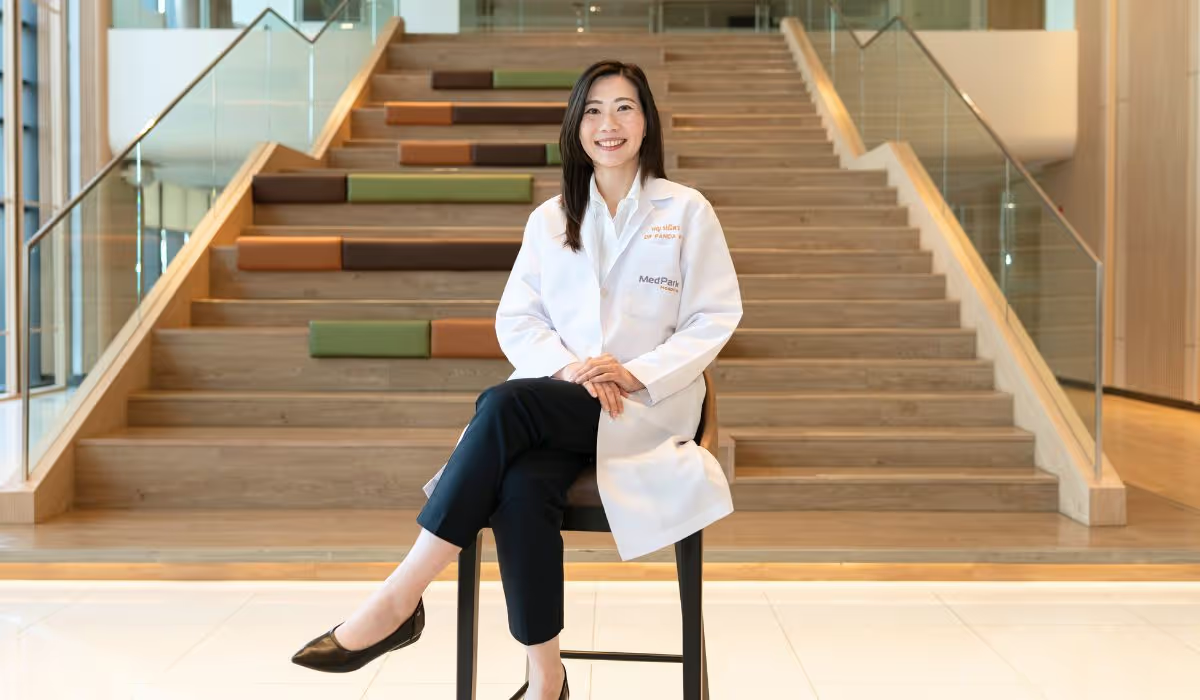
Transformative Outcomes That Inspired a Career in Gastroenterology
Dr. Panida shared that her interest in gastroenterology and hepatology began during her medical school years, when she had the opportunity to rotate through the internal medicine ward and care for a patient with severe liver disease.
“Managing that patient required a comprehensive approach for carefully evaluating clinical symptoms, interpreting laboratory results, reviewing imaging studies, and developing a structured treatment plan. Following treatment, the patient gradually improved, from being unconscious and visibly jaundiced to eventually returning to a normal life. I was profoundly inspired by how precise, holistic care can truly transform patients' lives and lead to a full recovery. It is this experience that sparked my interest in the field of Gastroenterology and Hepatology.”
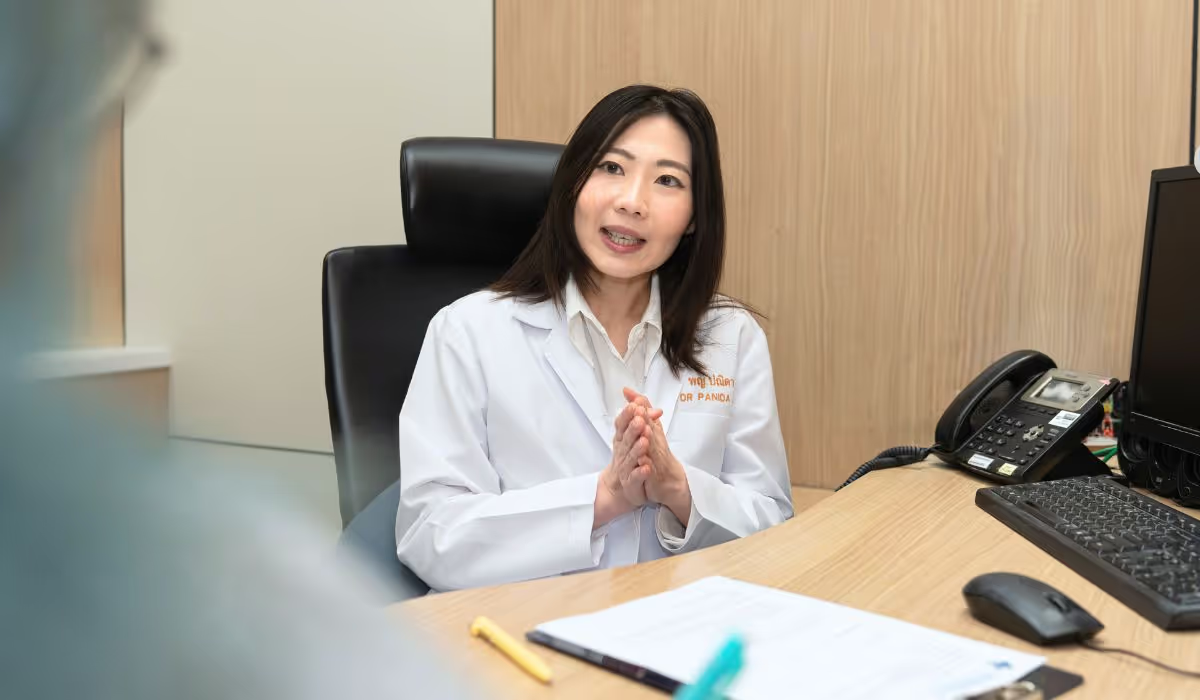
The gastrointestinal system is extensive, encompassing the esophagus, stomach, intestines, biliary tract, liver, and pancreas. Each condition affecting this system has its own distinct pathophysiology, making gastroenterology a field that requires careful, multifaceted analysis. Sometimes, patients present with “abdominal pain,” a seemingly mundane symptom. Yet this common complaint can be due to a wide range of underlying conditions, representing a key challenge for specialists in this field.
When a Single Symptom Could Mean Anything in the Digestive System
“Patients often come to see a gastroenterologist with very general symptoms, such as abdominal pain, bloating, heartburn, constipation, or chronic diarrhea. The same symptom can stem from a wide range of conditions, from mild issues to serious, urgent diseases that require prompt treatment. The role of a gastroenterologist is therefore not just to order tests, but to carefully select the ones that will best address the clinical question at hand, even when there are many options available.”
The integration of advanced medical technologies now plays a pivotal role in the diagnosis and management of gastrointestinal diseases, enabling more precise evaluation with improved clinical outcomes. Innovations such as AI-assisted endoscopy enhance the detection of mucosal abnormalities within the gastrointestinal tract. Noninvasive modalities for assessing hepatic steatosis and fibrosis allow effective screening for fatty liver disease and cirrhosis without the need for liver biopsy. Collectively, these technologies support more accurate, structured, and efficient treatment planning.
“Today, many patients present with chronic symptoms such as dysphagia, acid eructation, refractory gastroesophageal reflux, and chronic constipation. Endoscopic assessment alone is insufficient to resolve these conditions. Advances in diagnostic technology now allow us to gain deeper insights into the function of muscles, nerves, and other contributing mechanisms. For example, tools like esophageal manometry to measure esophageal pressure, 24-hour pH monitoring to evaluate acid reflux, and anorectal manometry to assess sphincter function in patients with chronic constipation. These advancements enable us to solve these problems for our patients effectively.”
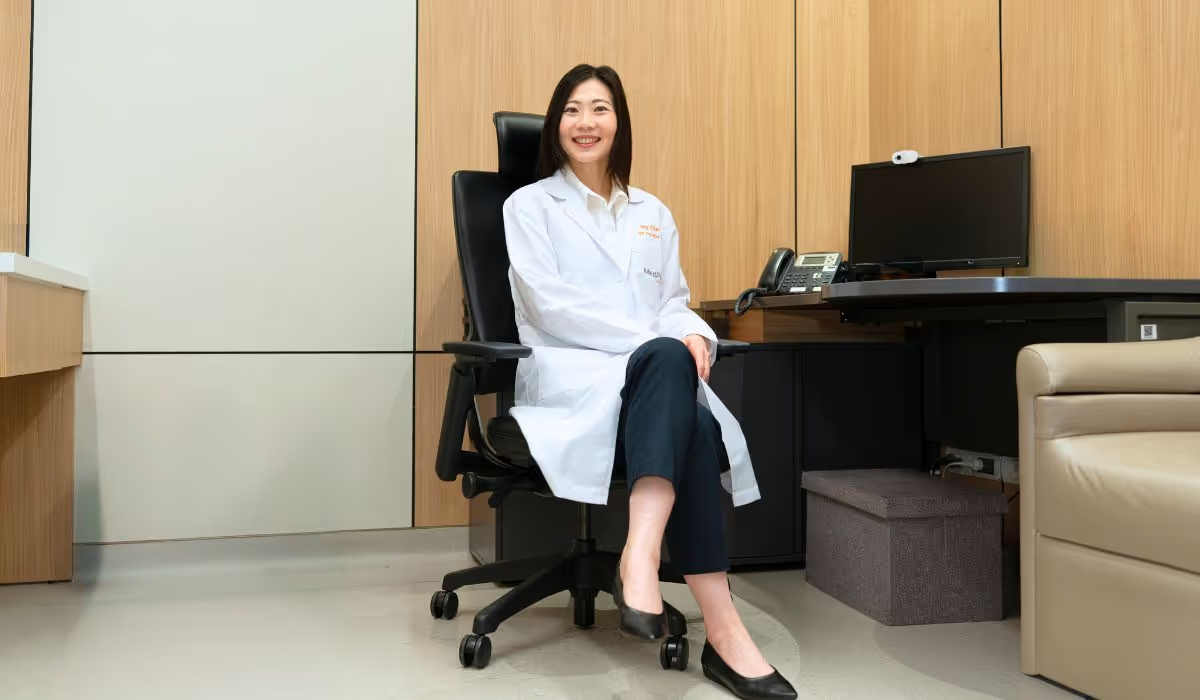
Gastrointestinal Endoscopy: A Highly Beneficial Procedure for Patients
“I am particularly drawn to endoscopy, as it enables both screening and early therapeutic intervention in a single session. With current technological advancements, endoscopy has become increasingly omnipotent. High-definition endoscopes enable an exquisite visualization of the esophagus and intestines, beyond what is visible to the naked eye. AI-assisted endoscopic systems can detect subtle abnormalities easily missed even by trained eyes. Moreover, specialized instruments allow for the removal of early-stage lesions or polyps before they progress to malignancy. All are accomplishable in a single session, with no incisions or surgery.”
Because endoscopy enables screening and immediate treatment of early lesions, it is widely advisable for individuals with risk factors such as advancing age or a positive family history. It can effectively prevent common yet serious conditions, particularly colorectal cancer.
“In cases requiring more advanced intervention, such as lesions in the biliary tract or pancreas, endoscopic retrograde cholangiopancreatography (ERCP) can manage biliary stones without the need for open surgery, and laser lithotripsy can further facilitate stone fragmentation and clearance. However, these procedures are not suitable for every patient. A comprehensive evaluation by a gastroenterologist is essential to assess the underlying condition and determine the most appropriate treatment strategy.”
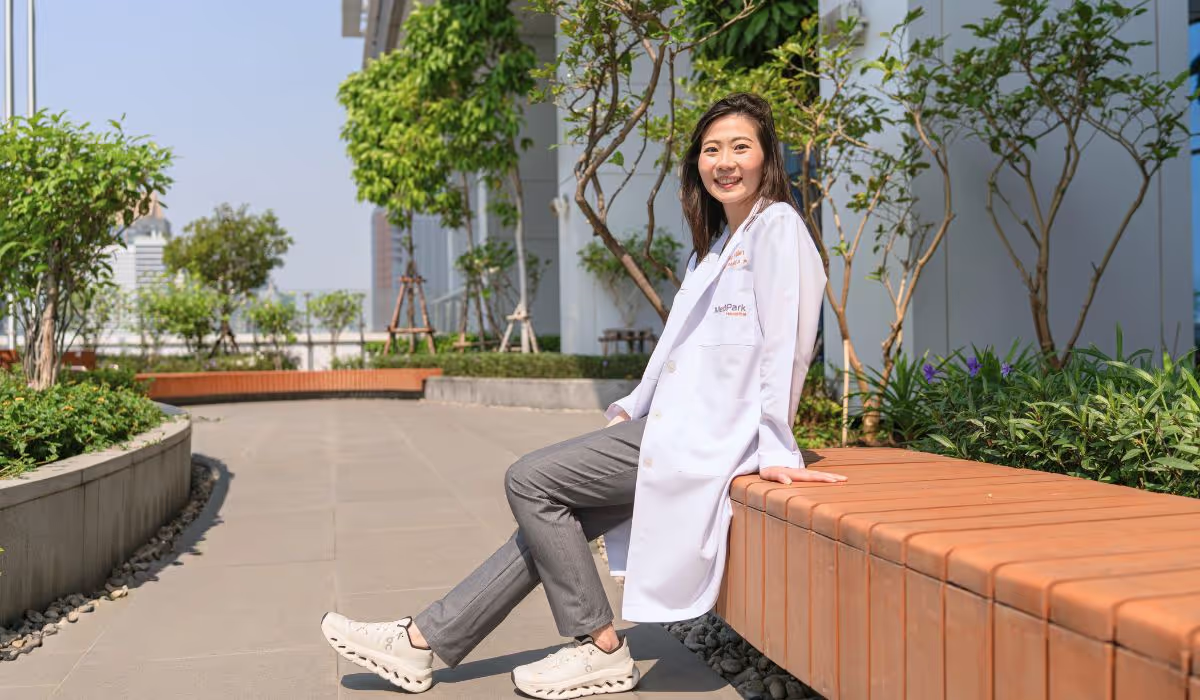
Embracing Advanced Techniques to Expand Treatment Options and Improve Patients' Quality of Life
Dr. Panida recalls an elderly patient with multiple comorbidities who presented with severe cholangitis. The standard treatment, surgical intervention, carried a significantly high risk in this context. Leveraging expertise gained from specialized training, she managed this case with therapeutic endoscopic ultrasound (EUS), which enables biliary drainage through an endoscope. This technique is known as Natural Orifice Transluminal Endoscopic Surgery (NOTES).
“Since it is not surgery with a large external wound, but equally effective, this approach helps improve the patient's symptoms and overall quality of life. By reducing procedural risks and post-operative complications, patients can achieve a faster recovery.”
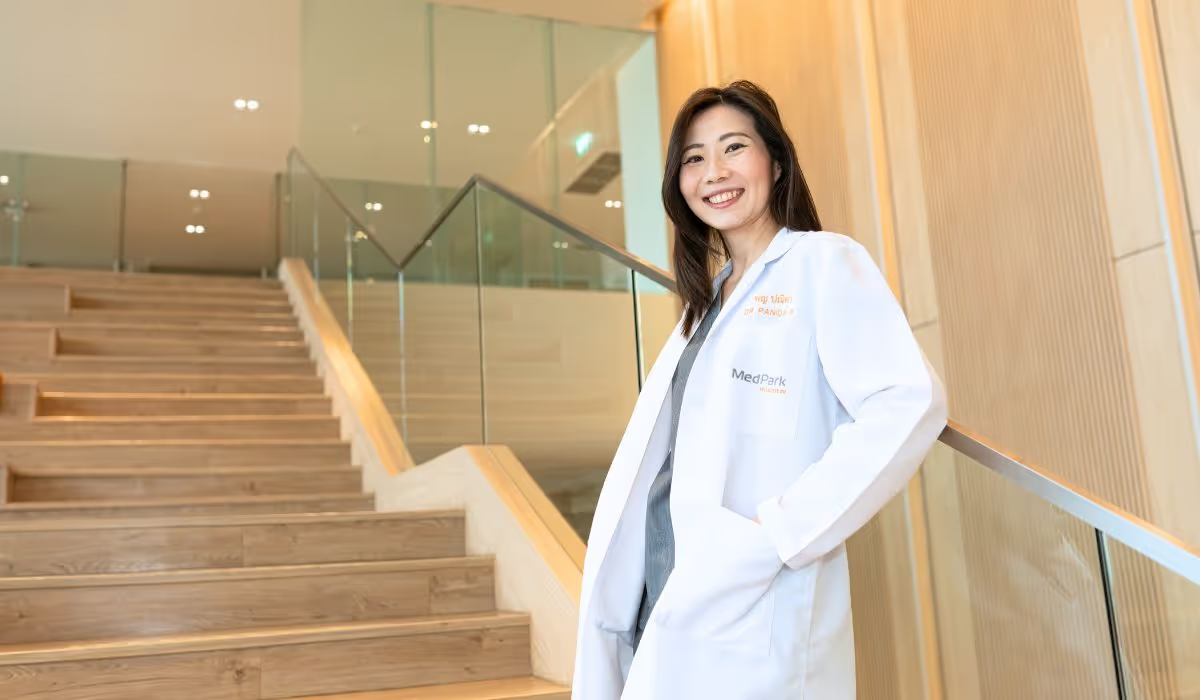
Dr. Panida is among the first group of doctors to introduce this technique in Thailand when it was still not widely adopted. Today, it has become increasingly embraced, with many patients benefiting from its clinical capability.
Her intimate engagement with evolving medical advancements, coupled with her commitment to adopting innovative techniques when they offer the greatest benefit to patients, continues to shape the future of gastrointestinal and hepatology care in Thailand, enabling positive clinical outcomes.
“Being a gastroenterologist means never-ending learning. In Thailand, there is no definitive curriculum. Although we complete the core fellowship in two years, the journey continues with extensive training in specialized, advanced procedures. I currently wear two hats as a practicing physician and a guest lecturer at Chulalongkorn University. Doing the work yourself versus teaching others requires a completely different set of skills; it’s quite challenging.”

Maintaining Balance in a High-Pressure Profession
Dr. Panida emphasizes that work-life balance is essential as it prevents one from being overwhelmed by any single aspect of life. To recharge, she enjoys leisure activities such as listening to music, attending concerts, and having dinner with her family. It allows her to return to work energized.

“Another activity I’ve come to enjoy is snowboarding. It challenges me in many ways; it requires focus, physical strength, and the ability to anticipate what lies ahead. Progress comes step by step through practice and self-improvement. At the same time, being on the slope allows me to be fully present, with myself, the path ahead, and the surrounding scenery. It feels like having a personal space to reset.”
“And when I return, I will be able to care for my patients with a balanced and renewed energy.”