





Choose the content to read
- Which cancer is treatable with targeted therapy?
- How is targeted therapy delivered?
- What is the preparation for targeted therapy?
- What is self-care during and after targeted therapy?
- What are the side effects of targeted therapy?
- What is the duration of targeted therapy?
- Targeted Therapy MedPark Hospital
Targeted Therapy
Targeted therapy is a type of precision medicine cancer treatment involving administering drugs specifically targeting cancer cells, suppressing their growth, inhibiting their division, and reducing their spread. Currently, targeted therapy is markedly more effective, using genomic sequencing, which identifies specific cancer-causing genes or proteins, allowing oncologists to prescribe targeted drugs with mechanisms of action tailored to that specific type of cancer cell. As a result, modern targeted therapies have a lower impact on healthy cells, fewer side effects, and effectively reduce cancer cell division. Consulting a medical oncologist as soon as early-stage cancer is detected can beneficially improve disease control, lower the risk of recurrence, and increase the chances of a cure when combined with core medications.
What is the goal of targeted therapy?
- Halting cancer growth by blocking signals that tell cancer cells to divide.
- Destroying cancer cells and triggering natural cell death (apoptosis).
- Disrupting the nutrient supply cycle by preventing the growth of new blood vessels that feed the tumor.
- Improving treatment efficacy: Combining with other treatments to increase the chances of a cure and cancer control.

Which cancer is treatable with targeted therapy?
Targeted therapy effectively treats cancers, from early to advanced stages, that express a cancer-specific protein (biomarker), regardless of the organ of origin (tumor-agnostic). Oncologists will prescribe targeted therapy with mechanisms of action that best match the specific mutation of cancer. Targeted therapy can be used to treat the following types of cancer.
Respiratory system:
- Lung cancer: non-small cell lung cancer (EGFR, ALK, KRAS, RET, MET, ROS1, and BRAF gene mutations)
Reproductive system:
- Breast cancer: HER2-positive breast cancer and triple-negative breast cancer (BRCA1, BRCA2, and PIK3CA gene mutations)
- Female reproductive system cancers: Cervical cancer, endometrial cancer
- Prostate cancer (BRCA1, BRCA2, and ATM)
Digestive system:
- Colorectal cancer (RAS wild-type gene)
- Stomach cancer (CLDN18.2, FGFR2b, NTRK gene fusions)
- Liver cancer (VEGFR, PDGFR, KIT)
- Bile duct cancer (FGFR1-3 gene mutation)
Hematological system:
- Blood cancers: Multiple myeloma (MM), chronic myeloid leukemia, and acute lymphocytic leukemia with specific gene alterations.
- Lymphoma: Certain types with CD markers.
Urological system:
- Bladder cancer (FGFR1-3 gene mutation)
- Renal cell carcinoma (HIF-2α, VEGF, MET)
Head and neck:
- Head and neck cancers: Laryngeal cancer, nasopharyngeal cancer
- Thyroid cancer: anaplastic thyroid cancer, medullary thyroid cancer (RET gene mutation)
Skin and connective tissue:
- Skin cancer: melanoma (BRAF gene mutation)
- Bone and soft tissue cancers, such as certain types of soft tissue sarcoma
How many types of targeted therapy?
There are many groups and types of targeted drugs classified by their structure and mechanism of action. The main targeted therapies commonly used by oncologists include:
- Small Molecule Drugs (SMDs) are oral targeted therapy drugs that enter cells to interfere with the function of specific intracellular molecules. Small-molecule drugs are the most common targeted therapies used to treat lung cancer, breast cancer, and leukemia.
- Monoclonal antibodies (mAbs): Parenteral targeted therapies, synthetic antibodies that act by binding to proteins or receptors on the surface of cancer cells to stop cancer cell growth.
- Angiogenesis inhibitors are targeted therapy agents that slow cancer growth and spread by blocking the formation of new blood vessels that nourish cancer cells. They achieve this by inhibiting signaling molecules that stimulate blood vessel growth.

How is targeted therapy delivered?
There are 2 primary methods for administering targeted therapy:
- Oral Tablet/Capsule: Small-molecule drugs are well-absorbed through the intestinal tract and effective when taken as oral tablets or capsules.
- Intravenous infusion or subcutaneous injection: Monoclonal antibodies (mAb) have large molecular structures that require administration by intravenous or subcutaneous injection.
What is the preparation for targeted therapy?
- Inform your doctor about your medical history and current medications: Advise them of any pre-existing conditions, current medications, supplements, and herbal remedies to avoid potential drug interactions or side effects.
- Physical examination, liver and kidney function tests
- Electrocardiogram (EKG) or echocardiogram as indicated, depending on the targeted drug and the patient's risk profiles.
- Biopsy of the cancer and genomic testing to identify mutated genes or specific cancer proteins (biomarkers) and use the results to tailor the treatment plan and prescribe targeted therapies specific to the mutations of that particular cancer.
- Maintain good oral hygiene by avoiding mouth sores, brushing your teeth, and rinsing your mouth regularly.
- Note down your symptoms: Report symptoms or abnormalities, e.g., characteristics of pain, its location, and severity, to doctors.
- Practice self-care: Get enough sleep, refrain from smoking and alcoholic beverages, manage stress, and reduce anxiety.
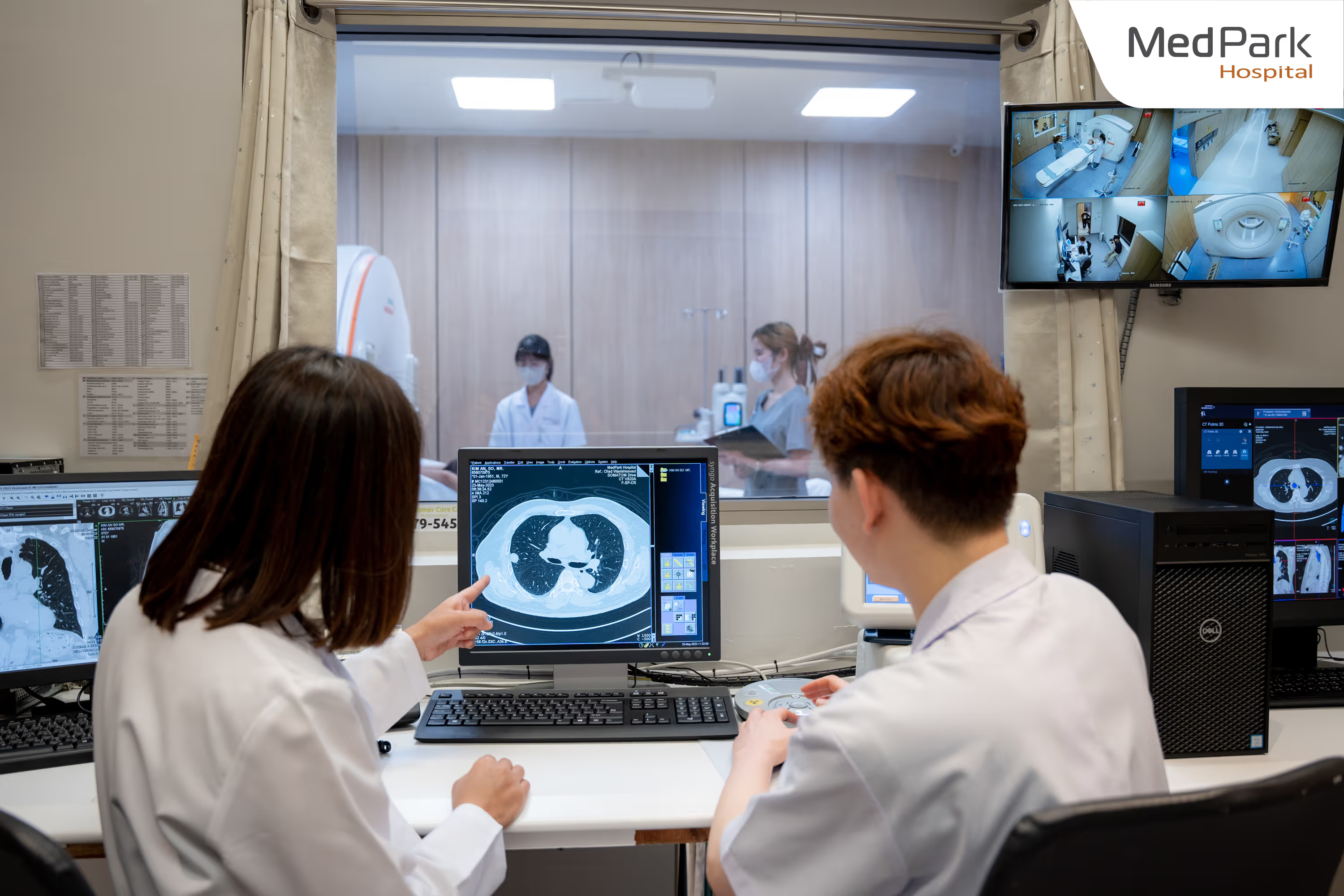
What is the targeted therapy procedure?
- The oncologist will schedule a follow-up appointment to discuss the biopsy results, genomic testing results, and the treatment plan, expected outcomes, and potential side effects of the medication.
- The oncologist administers targeted therapy, given parenterally or orally, depending on the cancer, stage, treatment plan, and targeted therapy.
- The oncologist will order follow-up CT scans/MRIs to monitor the response to the medication and adjust if necessary.
Note: Even for the same nominal cancer, the oncologist may prescribe different targeted therapies. In some cases, the oncologist may prescribe targeted therapy alone, whereas in others, the oncologist may combine targeted therapy with other treatments such as chemotherapy, immunotherapy, or radiotherapy.
What is self-care during and after targeted therapy?
- Skin care: Use gentle soap, apply moisturizing lotion, and use sunscreen to prevent dryness, rashes, or dermatitis.
- Nutrition: Eat freshly cooked, clean food containing beneficial antioxidants, and drink plenty of clean water.
- Symptom observation: If you experience fever, severe diarrhea, or difficulty breathing, seek immediate medical attention at a hospital.
What are the side effects of targeted therapy?
Side effects from targeted therapy depend on the type of drug and the treatment goal. Each drug acts on different pathways of cancer cells, so individual responses to treatment may vary. Common side effects of targeted therapy include:
- Fever, flu-like symptoms, chills, muscle pain
- Skin rash, acne-like skin inflammation
- High blood pressure
- Nausea, diarrhea
- Slow blood clotting, slow wound healing
Note: Before beginning targeted therapy, the oncologist will address the potential side effects of each type of targeted therapy, provide instructions for observing symptoms, and prescribe symptom-relieving medications as needed to prevent or treat side effects, reduce symptoms, relieve patients' anxiety, and allow them to live a normal life.
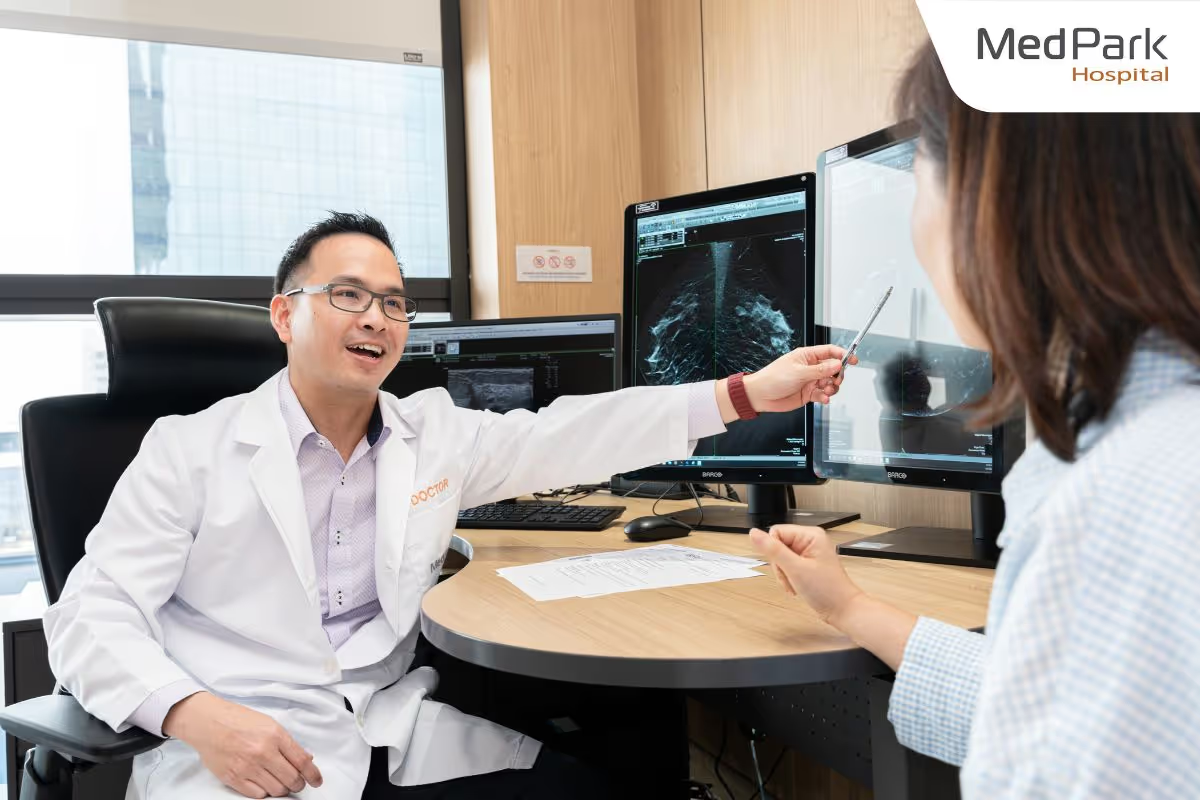
Can targeted therapy cure cancer?
Targeted therapy significantly improves the chances of a cure for up to 80% in specific, early-stage cancer if detected and treated early. It is also effective when combined with other treatments like surgery, chemotherapy, or radiation therapy.
In metastatic cancer, targeted therapy can help achieve remission, control cancer metastasis, reduce pain, and extend patient life by transforming cancer into a manageable chronic disease, allowing patients to live longer with a higher quality of life.
How often is targeted therapy administered?
The number and frequency of targeted therapy doses differ from person to person, depending on the type and stage of cancer, the type of targeted therapy, the response to targeted therapy, and the treatment plan. Your doctor may consider administering targeted therapy daily, weekly, every 2-3 weeks, or monthly, at the doctor’s discretion.
For some types of targeted therapy, the doctor may prescribe the medication in cycles. One treatment cycle consists of medication administration followed by a recovery period. During this recovery period, medication is withheld to allow the body to heal and regenerate new healthy cells.
What is the duration of targeted therapy?
The duration of targeted therapy varies depending on the type and stage of cancer. For early-stage cancer, oncologists will have a clear, specific timeframe for how long to continue treatment, such as 1 year or 2-3 years, before discontinuing.
For metastatic cancer, doctors may consider continuing treatment until the disease is in remission, drug resistance is detected (cancer progression), or the patient can no longer tolerate the side effects. In some cases, ongoing treatment for several years may be required.

Targeted Therapy MedPark Hospital
Light of Day Oncology Center, MedPark Hospital, Bangkok, led by a team of expert oncologists and hematologists in close collaboration with a multidisciplinary clinical team, provides a holistic treatment approach for all types of cancer, from early-stage to advanced metastatic and hereditary blood cancers. MedPark employs state-of-the-art genomic laboratory, medical equipment, and technology to deliver a wide range of treatments, including targeted therapy, immunotherapy, chemotherapy, radiopharmaceutical treatment, radiotherapy, stem cell transplantation, and surgery. Our dedicated medical caregivers provide consistent post-treatment follow-up care to improve the chances of disease control, reduce complications, prevent recurrence, and promote overall well-being and a higher quality of life.
FAQ
1. How to effectively use targeted therapy?
To achieve optimal treatment results with targeted therapy, the oncologist advises key guidelines to apply as follows:
- Genetic testing to identify cancer-specific genes (biomarkers) that correspond to the type of targeted drug. This increases the drug's specificity in targeting cancer cells, allowing doctors to prescribe the most efficacious targeted therapy for that particular type of cancer cell. Each drug is only effective against specific targets.
- Take medications on time and consistently: For oral targeted therapy, take the medication on time and avoid missing doses to maintain a stable blood level.
- Attend all follow-up doctor’s appointments: Attend all doctor-scheduled appointments to evaluate the response to targeted therapy and have blood tests or CT/PET scans to monitor progress, check organ function, and assess the drug's effectiveness in controlling cancer growth.
2. How do targeted therapy work?
Cancer cells multiply and spread through signaling molecules, which are often specific proteins produced by mutated oncogenes. These proteins, located on the cell membrane or within the cell, transmit growth signals that stimulate cell division.
Targeted therapy achieves selective binding by structurally complementing the mutated products of oncogenes, functioning like a lock and key. As a result, targeted therapies are highly specific, causing minimal impact on healthy cells. They effectively inhibit the proliferation of cancer cells, the formation of blood vessels, and can slow down or block metastasis.