





Choose the content to read
- Poor Oocyte Quality
- Sperm DNA Fragmentation
- Poor Embryo Quality
- Inappropriate Ovarian Stimulation Protocols
- What to Do After Repeated IVF/ICSI Failures?
- IVF ICSI MedPark Hospital
- What Are the Causes of Failed Embryo Implantation After Transfer?
- What Should I Do After Repeated ICSI Failures?
10 Reasons Why IVF/ICSI Fails
For couples experiencing infertility or those who wish to have children later in life, conceiving through IVF or ICSI is a truly effective method that can result in a successful pregnancy. Many patients conceive on their very first IVF/ICSI attempt—however, for those who have tried a second cycle and still fail to conceive, the most important question to ask is not "Why are we so unlucky?" but rather "What is the true underlying cause, and can it be addressed?" This is because repeated IVF/ICSI failure may not stem from a single cause, but rather from a combination of multiple contributing factors. Reproductive endocrinologists at MedPark Hospital have compiled 10 reasons why IVF/ICSI fails, along with recommendations and solutions, as follows:
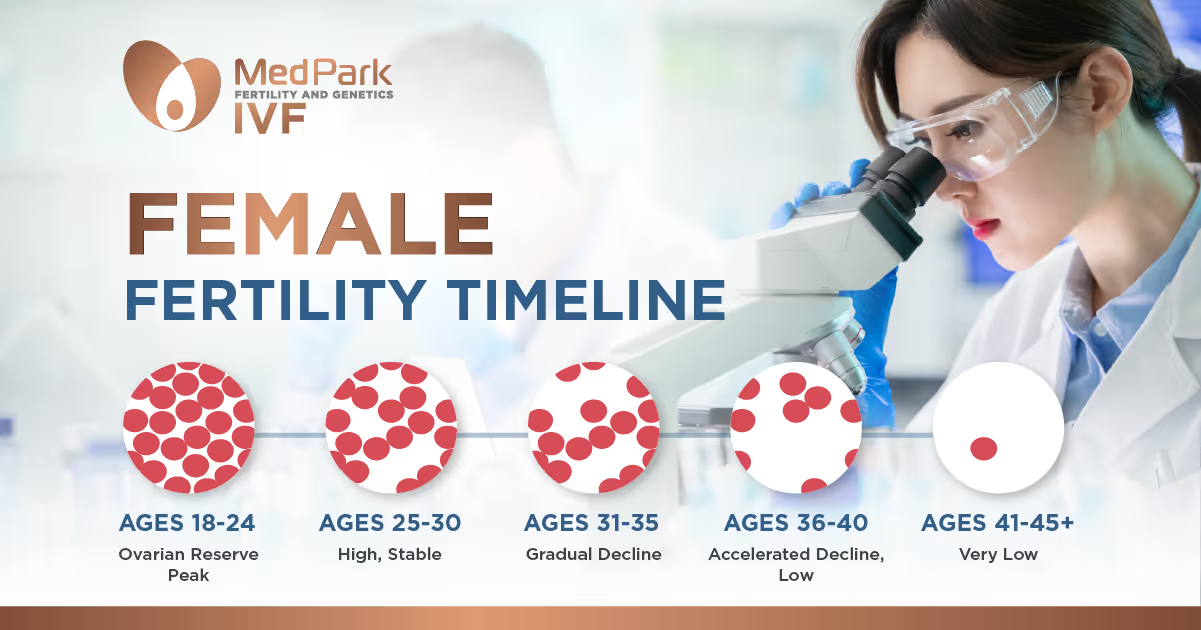
1. Advanced Age
Age is a key factor in determining the quality and quantity of a woman's eggs, particularly from the ages of 35–38 onwards. As age increases, the natural egg reserve declines, egg quality deteriorates, and the risk of infertility rises.
These factors have a significant direct impact on a woman's chances of conception. They are also a direct contributing cause of IVF/ICSI failure—as eggs that have begun to decline in quality respond less effectively to hormonal ovulation stimulation.
Doctors recommend that patients aged 35 and above who wish to undergo a repeat IVF/ICSI cycle request a full review of all previous diagnostic and treatment steps, along with a thorough repeat physical examination of both the female and male partners—including deeper-level investigations involving areas that have not previously been examined.
2. Poor Oocyte Quality
Poor egg quality stems from advancing age. In today's world, due to work and lifestyle demands, many people choose to postpone having children until they feel ready—delaying the realization of a complete family. By the time having a child becomes a priority, age has already become a factor, resulting in infertility or even failure despite undergoing IVF or ICSI.
Research conducted on women aged 38–40 found that only 40–50% of their eggs have normal chromosomes that are viable for use, and this percentage gradually decreases with age. Eggs with chromosomal abnormalities (aneuploid oocytes) completely fail to develop into healthy blastocyst-stage embryos (day 5–6 embryos), even after undergoing IVF or ICSI procedures.
MedPark Hospital doctors recommend egg freezing (oocyte cryopreservation) for those who are not ready to have children now but plan to have children in the future. It is best to collect and freeze eggs at a younger age, as this typically yields a higher quantity of high-quality eggs, lowering the risk of infertility when the time comes to start a family.
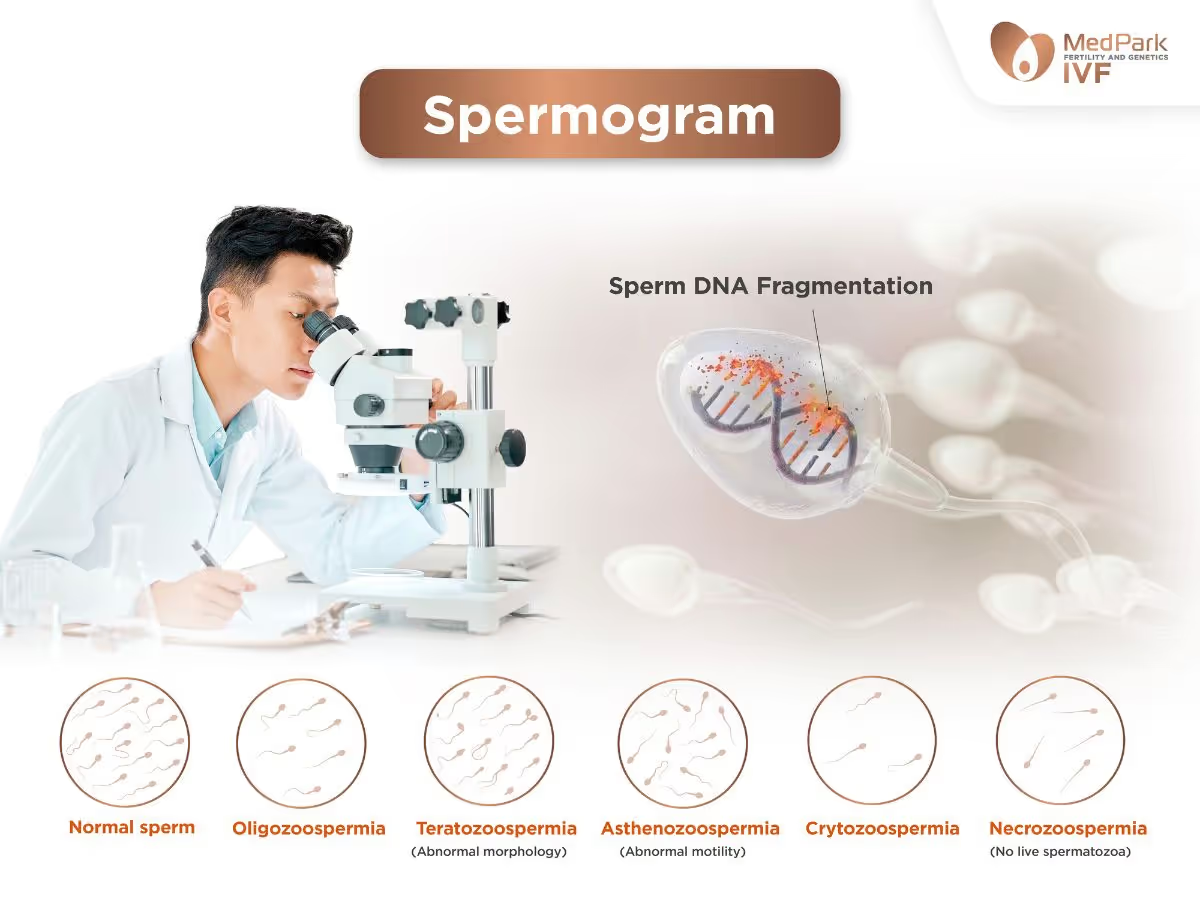
3. Sperm DNA Fragmentation
Aside from abnormal sperm morphology, low sperm count, and slow sperm motility, which are known causes of IVF/ICSI failure, a deeper underlying cause is DNA fragmentation within the sperm head. This causes incomplete sperm structure, degrades embryo quality, lowers fertilization rates and embryo implantation rates in the uterus, and significantly increases the risk of miscarriage.
According to World Health Organization (WHO) standards, the normal reference values for semen quality analysis are:
- Semen volume: 1.5 - 5.0 ml
- Sperm concentration: > 15 million/ml
- Total sperm count: > 39 million
- Sperm motility: > 40%
- Normal sperm morphology: > 4% (under strict criteria)
However, the standard criteria above may not reflect sperm quality at the DNA level. MedPark Hospital doctors recommend testing the sperm DNA fragmentation index (DFI), which indicates DNA fragmentation within the sperm head. According to reports, a DFI value greater than 25-30% is frequently associated with lower embryo implantation rates, affects fertilization and embryo development, and increases the risk of miscarriage, even if the embryo externally appears to be normal.
4. Poor Embryo Quality
Embryo quality is one of the key factors affecting the success of In Vitro Fertilization (IVF) and Intracytoplasmic Sperm Injection (ICSI). A high-quality embryo must have a complete set of 23 pairs of chromosomes (euploid embryo) and should have less than 20% cell fragmentation. A high degree of fragmentation can cause embryonic cells to lose essential intracellular substances (cytoplasm), which degrades the quality of the cell cluster destined to develop into the baby (inner cell mass).
Medical reports indicate that Grade C or lower-quality embryos, characterized by fewer, loosely arranged cells, typically exhibit a low uterine implantation rate of only 5–10%, compared to Grade A embryos, which significantly increase an implantation rate as high as 40–50%.
However, evaluating an embryo quality based solely on its outward appearance cannot fully determine its genetic health. Even Grade A embryos can have chromosomal abnormalities. Therefore, doctors may recommend chromosomal testing of embryonic cells using PGT-A (Preimplantation Genetic Testing for Aneuploidy) technology. This helps in selecting embryos with a complete set of chromosomes, thereby increasing the chances of successful implantation.
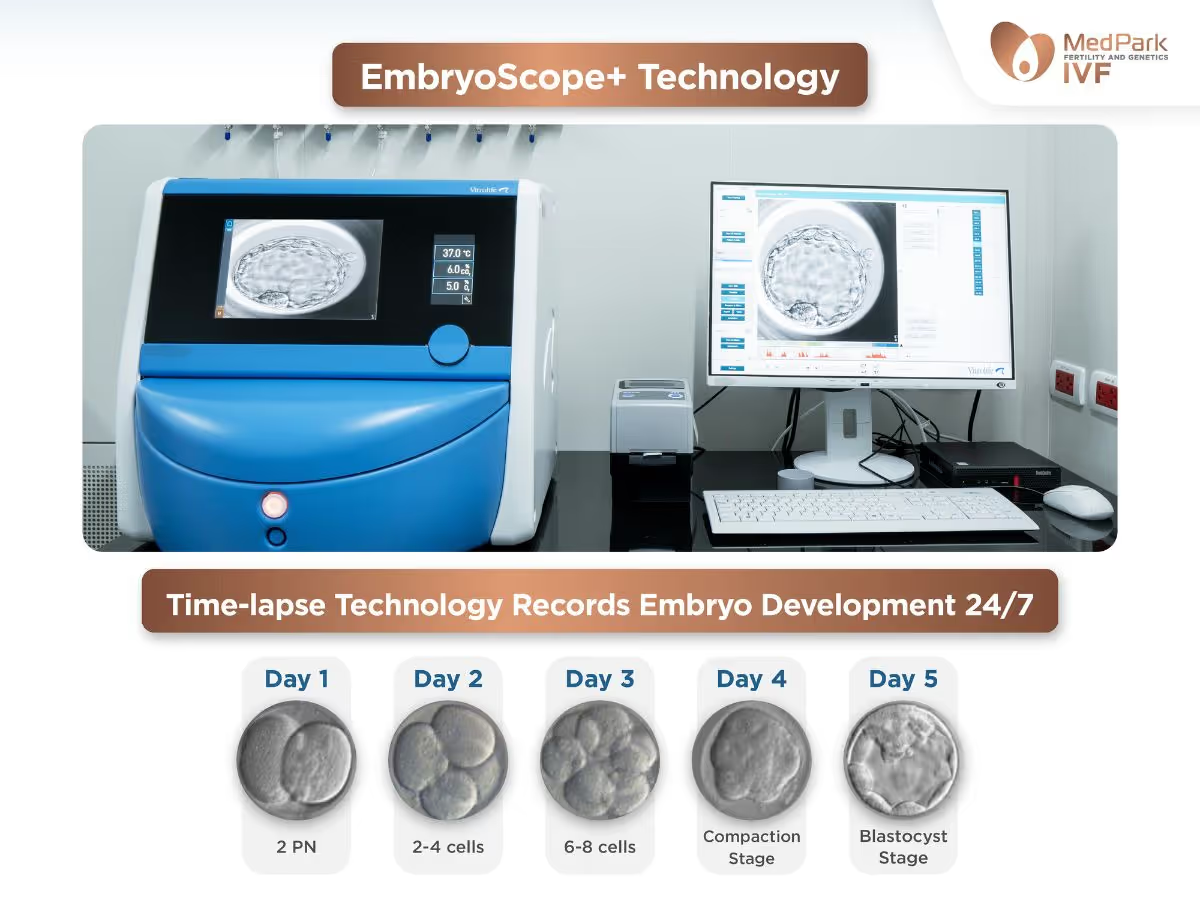
Furthermore, time-lapse embryo culture video recording technology, such as EmbryoScope+, enhances the efficacy of embryo selection. The system continuously records the development of embryos in the incubator 24 hours a day without the need to remove them for periodic visual inspections, obviating the perturbation of the optimal, stable environment required for their development.
Combining EmbryoScope+ technology with PGT-A testing allows doctors to select robust embryos with healthy development and a higher probability of successful uterine implantation. Ultimately, this can help increase pregnancy success rates for couples planning to have children through IVF or ICSI.
5. Thin Uterine Lining
Another risk factor for IVF/ICSI failure is an endometrial lining that is thinner than 7 mm on the day of embryo transfer. According to research, an endometrial thickness of less than 6 mm is associated with a more than 50% reduction in implantation rates.
The optimal endometrial thickness for embryo implantation is 7-10 mm. If the lining is thinner than 5 mm, the embryo will be unable to attach and implant deeply enough into the uterine wall, resulting in pregnancy failure.
Furthermore, a thin endometrium often leads to hormonal imbalances, causing the window of implantation—the period during which the uterus is most receptive to embryo implantation—to become misaligned with the scheduled embryo transfer date. This may also lead to the expulsion of the embryo before successful implantation occurs.
In addition to endometrial thickness, which directly affects pregnancy success rates, the readiness of the uterine lining (endometrial receptivity) is also a crucial factor. Even if the thickness of the uterine wall is within a normal range, some patients may experience a misalignment between their scheduled embryo transfer date and the specific timeframe when the uterus is receptive to embryo implantation, known as the Window of Implantation (WOI). As a result, the embryo cannot implant successfully.
For patients who have experienced multiple unsuccessful transfers using high-quality embryos, doctors may consider performing an Endometrial Receptivity Analysis (ERA test). This test examines the uterine lining at a molecular level to determine the optimal time for embryo transfer. Ultimately, it helps doctors plan the transfer at the optimal time, which increasingly enhances the chances of successful embryo implantation.
6. Blocked Fallopian Tubes and Hydrosalpinx
Blocked fallopian tubes and hydrosalpinx (fluid-filled fallopian tubes) are other hidden causes of IVF/ICSI failure, as they lead to an unreceptive uterine environment or a condition where fluid in the fallopian tubes becomes toxic to the embryo. This occurs because:
Fluid that accumulates and becomes trapped within the fallopian tubes turns into inflammatory substances and toxins, which can flow back into the uterine cavity. This fluid harms the embryo, washes it away, preventing it from attaching to the uterine wall, and alters the environment of the endometrial lining, making it significantly more difficult for the embryo to implant successfully.
Doctors recommend a detailed ultrasound examination and/or an MRI—to check for blocked or fluid-filled fallopian tubes at a hospital that offers this procedure and is equipped to perform surgical correction. This should be done before the next IVF or ICSI cycle and has been shown to increase the pregnancy rate by as much as 2 times.
7. Endometrial Diseases and Abnormalities
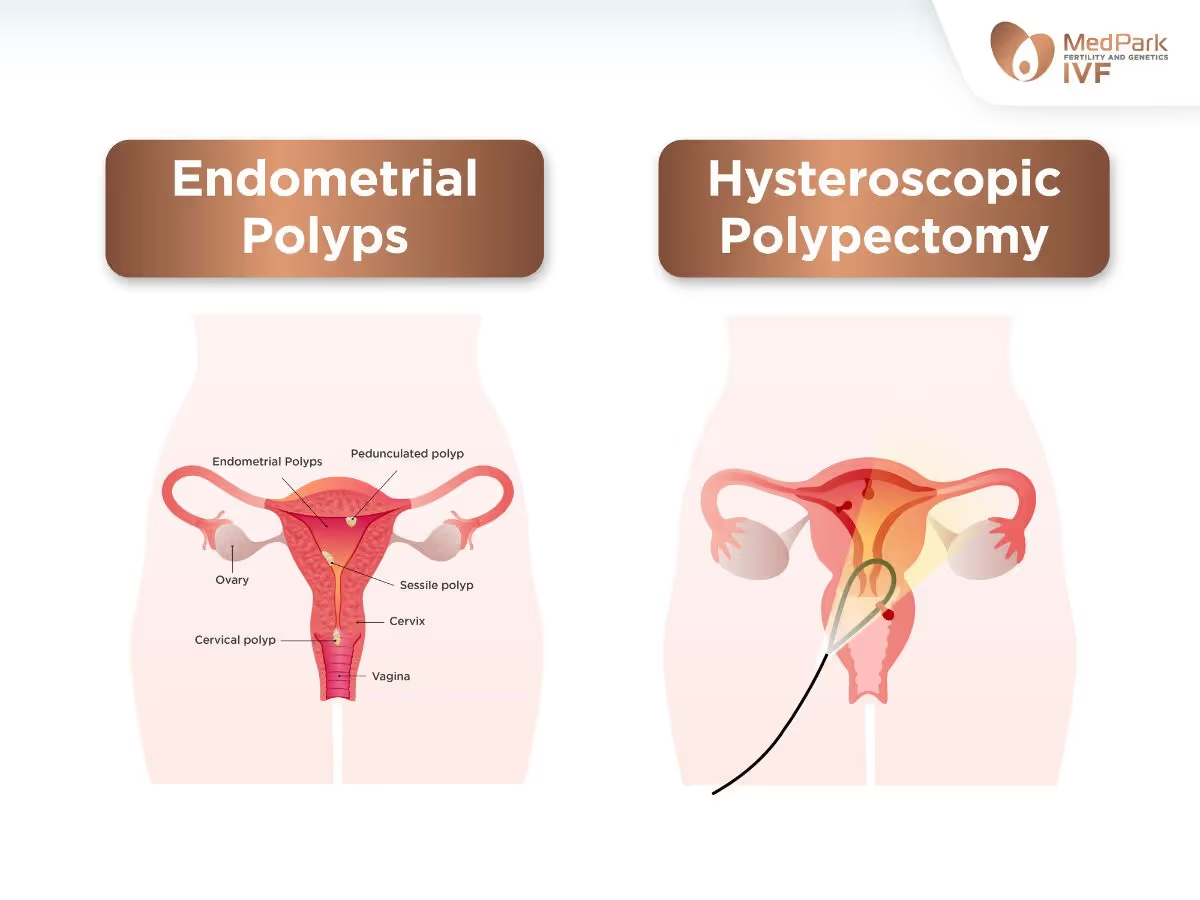
Uterine diseases and abnormalities are another cause of IVF/ICSI failure in many patients. Statistics from hysteroscopic examinations in patients who have undergone multiple IVF cycles reveal uterine abnormalities — such as polyps, fibroids, or adhesions — in as many as 40–50% of cases, even when initial ultrasound results appeared normal. These diseases and abnormalities include:
- Endometrial polyps—which interfere with the production of substances that facilitate embryo implantation
- Uterine fibroids — which distort the uterine cavity and disrupt embryo implantation
- Intrauterine adhesions—which reduce the available space within the uterine cavity, leaving the embryo with insufficient area to implant, and significantly decreasing the chances of pregnancy
Doctors recommend undergoing a diagnostic hysteroscopy to thoroughly investigate any uterine diseases and abnormalities at a hospital with experienced maternal-fetal medicine specialists and anesthesiologists, as in some cases, general anesthesia may be required before the procedure.
8. Inappropriate Ovarian Stimulation Protocols
Inappropriate ovarian stimulation is a common error that leads to repeated IVF or ICSI failures, such as
- Administering hormone doses that are too high or too low—resulting in immature eggs with low fertility potential.
- Certain medications that inadequately stimulate ovarian function—leading to eggs that are not fully matured.
- Certain medications that over-stimulate hormone release—causing follicles to rupture into the abdominal cavity before the scheduled egg retrieval
MedPark’s reproductive endocrinologist highly recommends personalizing the ovarian stimulation protocol for each patient, which can significantly improve the chances of pregnancy. For example, patients with Diminished Ovarian Reserve (DOR), Polycystic Ovary Syndrome (PCOS), or those who have previously been diagnosed as poor ovarian responders to hormonal stimulation may benefit from the following alternative stimulation protocols:
- Minimal Stimulation IVF—using low-dose hormone stimulation.
- Double Stimulation Protocols — stimulating the ovaries twice within a single menstrual cycle to retrieve more eggs.
- Medication Dosage Adjustments based on AMH Hormone Test results.
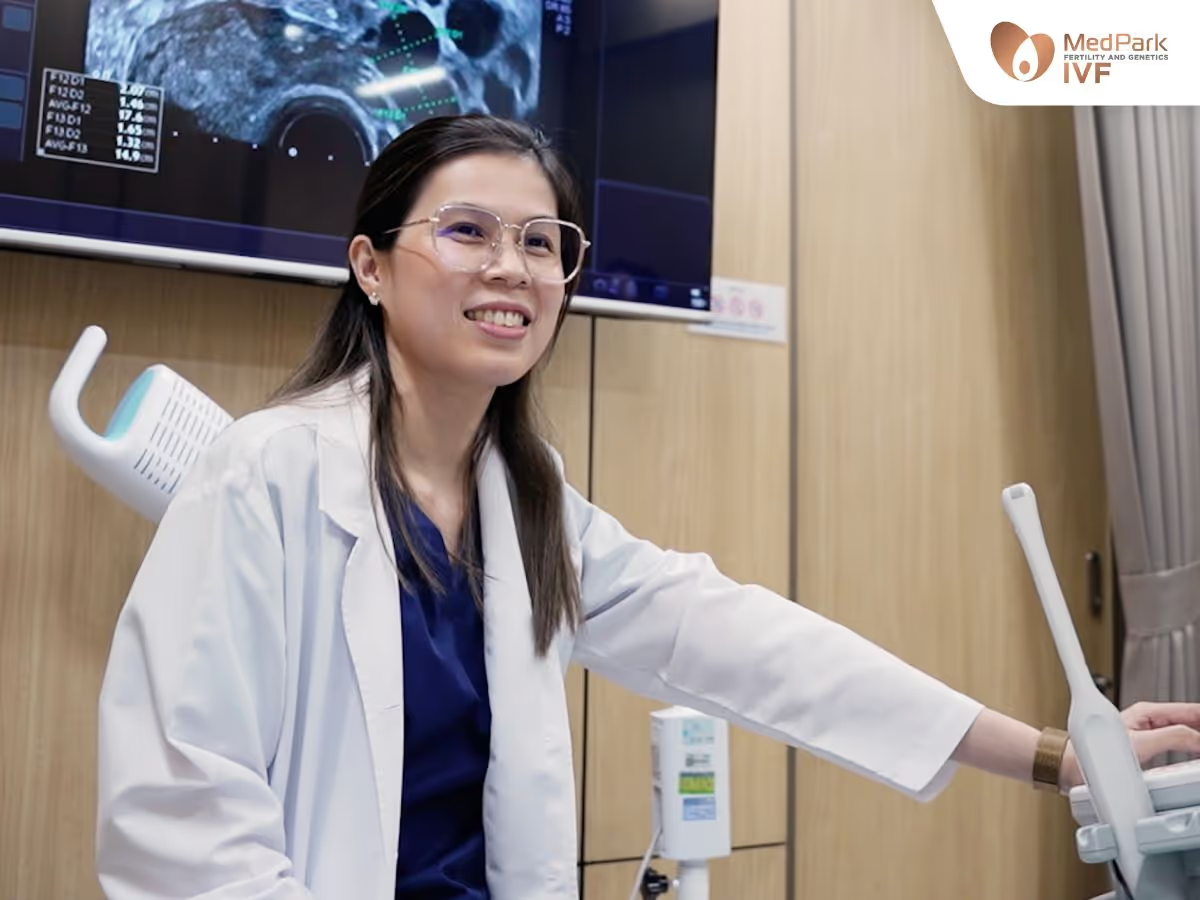
- Transvaginal Ultrasound to assess ovarian reserve through Antral Follicle Count (AFC).
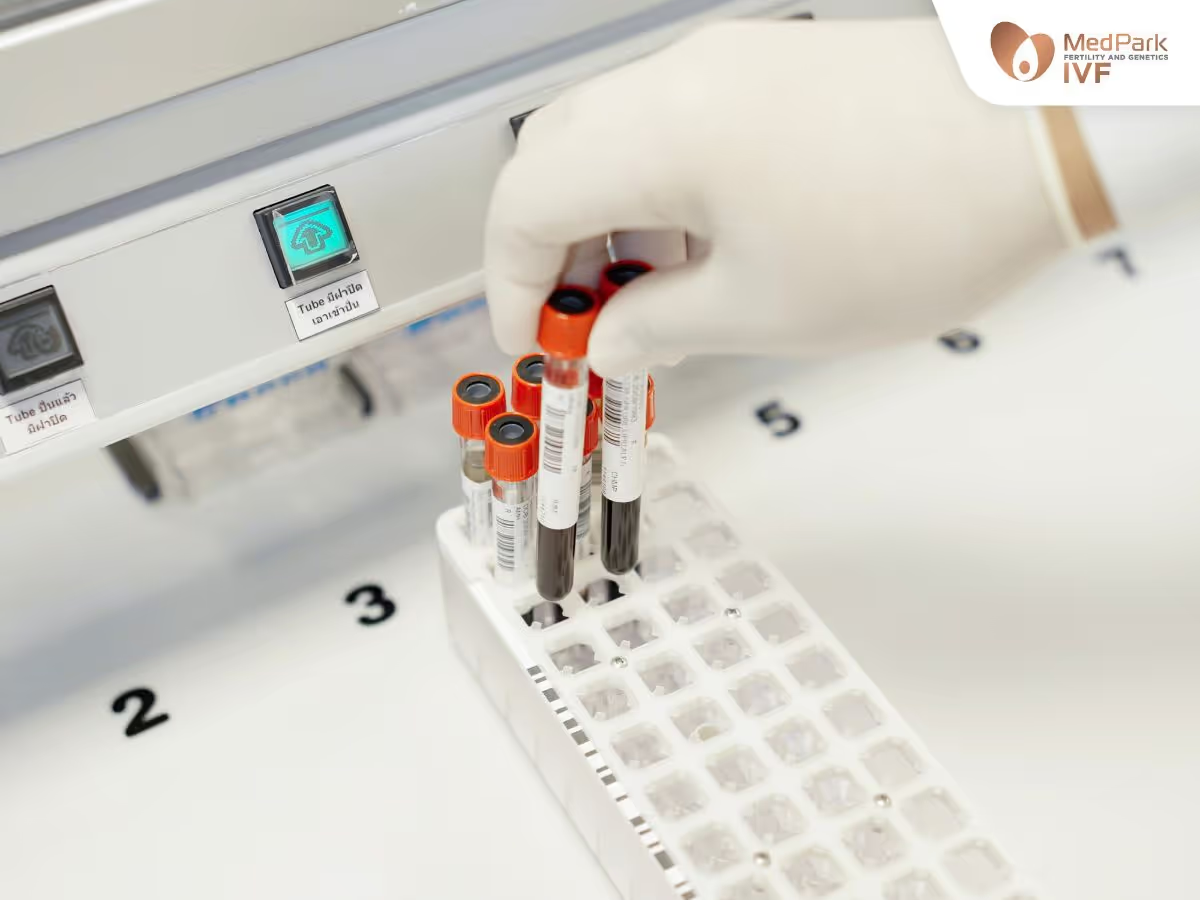
9. Immunological Infertility
Immunological infertility is one of the unexpected causes of IVF/ICSI failure. A malfunctioning immune system may perceive the embryo as a foreign invader, triggering an immune response that destroys the embryo, prevents it from implanting, and causes miscarriage in the early stages of pregnancy. These immune abnormalities include:
- Thyroid Disorders
Thyroid disorders, particularly hypothyroidism, can lead to anovulation (failure to release eggs), irregular menstrual cycles, and double the risk of miscarriage during the first trimester. Doctors recommend testing for Anti-TPO and Anti-TG to screen for latent autoimmune thyroiditis, which is often asymptomatic. If detected, doctors will prescribe medication to modulate the TSH level to below 2.5 mIU/L, which helps significantly increase the chances of a successful pregnancy. - Antiphospholipid Syndrome (APS)
This is an autoimmune disorder in which the body produces antibodies that attack phospholipids, causing blood clots to form in the endometrial blood vessels. As a result, the embryo receives insufficient blood and oxygen supply, preventing successful implantation and potentially leading to fetal death in the womb. This is one of the causes of infertility and recurrent miscarriage, especially in the first and second trimesters. - Factor XII Deficiency
Factor XII Deficiency is a blood coagulation abnormality affecting the placental blood vessels, resulting in excessive clotting and blockages in the uterine capillaries. This prevents embryo implantation or, in cases where a pregnancy has already been established, may result in insufficient blood flow to the fetus, leading to recurrent miscarriage, miscarriage after embryo transfer, or pregnancy loss after several months of gestation.
Doctors recommend undergoing a Thrombophilia Panel to assess the risk of blood clot formation at a hospital with experience handling complex IVF/ICSI cases. In many instances, a collaborative treatment plan with a hematologist is required to address blood clotting abnormalities. In particular, patients found to have Factor XII Deficiency during pregnancy should consult a specialist promptly.
10. Neglected Lifestyle Habits
According to a research report published in Reproductive BioMedicine Online in 2023:
- Smoking can reduce IVF success rates by up to 15-20%
- BMI greater than 30 is associated with embryo implantation rates that are 35% lower than normal
- Sleeping less than 7 hours is linked to hormonal disruption, which negatively affects egg quality.
- Chronic stress elevates cortisol hormone levels, which interfere with the body’s response to ovarian stimulation drugs.
Doctors recommend maintaining a healthy Body Mass Index (BMI), quitting smoking, avoiding alcohol, ensuring adequate sleep and rest, and managing stress effectively.
What to Do After Repeated IVF/ICSI Failures?
Doctors provide the following guidance for patients who have experienced multiple IVF/ICSI failures:
1. Seeking a Consultation with Your Doctor
Request a thorough review of all previous cycle procedures. Ask the doctor to explain the results of each step, including the number of eggs retrieved, fertilization rates, embryo grades, and the condition of the endometrial lining on the day of embryo transfer.
2. Endometrial Receptivity Array (ERA) Testing
This test assesses the thickness of the endometrial lining, allowing the doctor to pinpoint the precise window of implantation period when the uterus is most receptive to embryo implantation. It can aid in determining the optimal timing for progesterone hormone administration before embryo transfer in order to improve the chances of successful implantation.
3. Consider Seeking a Second Opinion
In cases where IVF/ICSI has been attempted more than 2–3 times without success, and no clear explanation has been provided, doctors recommend seeking a second opinion from another experienced specialist or from another hospital that is well-equipped with medical technology, has a standardized embryo culture laboratory, and has verifiable case reviews of successful pregnancies.
IVF ICSI MedPark Hospital
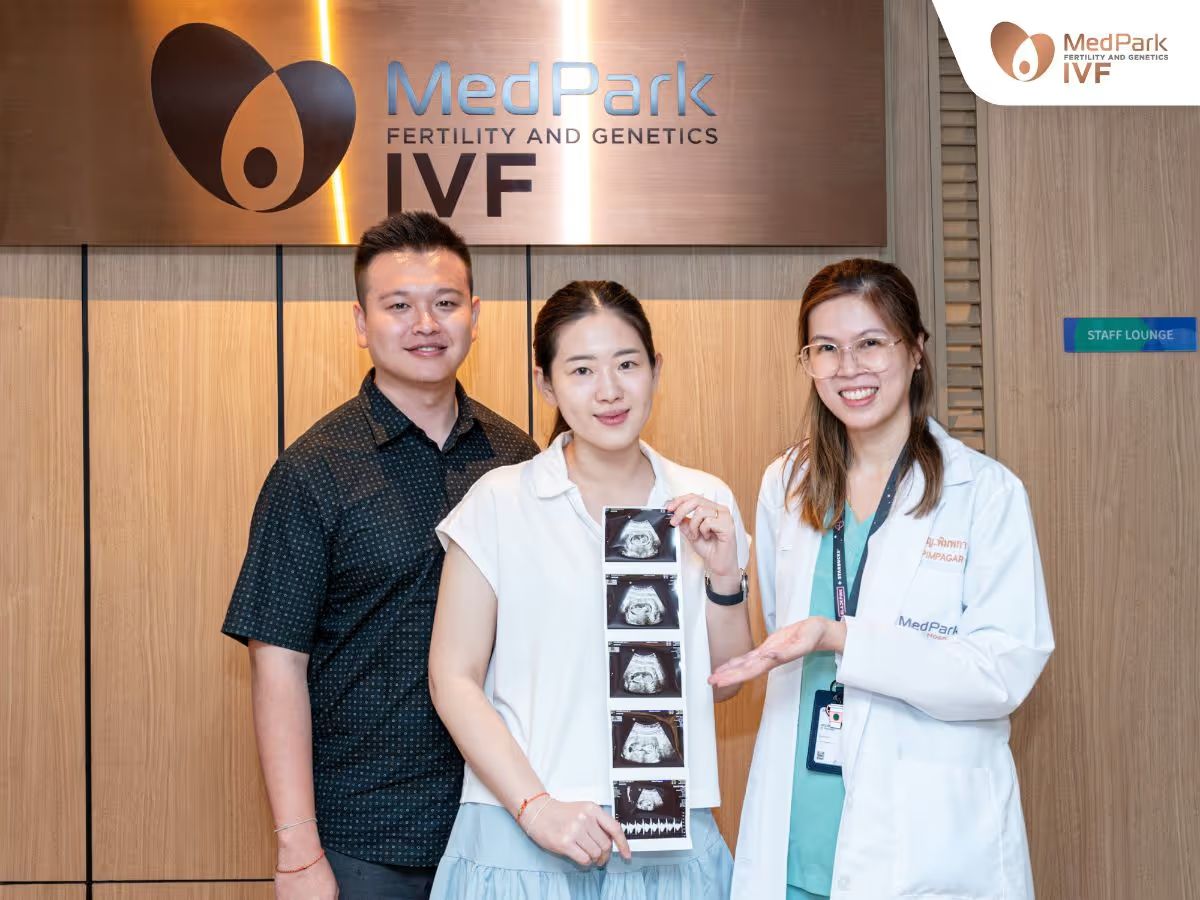
MedPark Hospital, Bangkok, equipped with the MedPark IVF Fertility and Genetics Center, led by a team of experienced reproductive endocrinologists who have successfully helped numerous infertile couples achieve pregnancy in close collaboration with a team of Maternal-Fetal Medicine (MFM) specialists with extensive experience in managing all types of high-risk pregnancies—including premature uterine contractions, threatened miscarriage, hypertensive crises, etc.
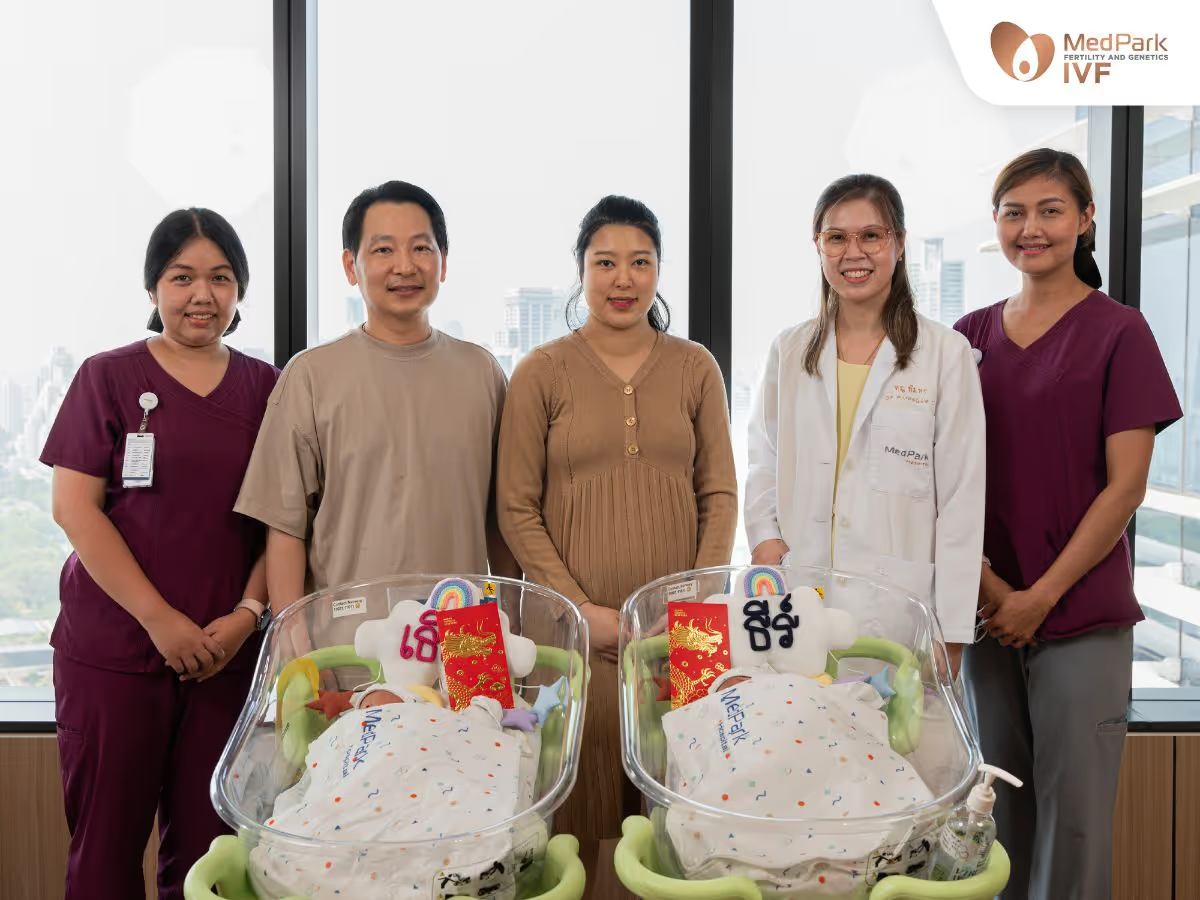
Our goal is to allow patients who have experienced repeated IVF/ICSI failures a renewed chance to achieve a successful pregnancy—ensuring that both mother and baby achieve safe delivery, bringing joy to the entire family. Highlights of IVF/ICSI at MedPark Hospital:
- PGT-A, PGT-M, or PGT-SR Embryo Chromosomal Testing—addressing recurrent miscarriage resulting from advanced maternal-age pregnancies
- Sperm DNA Fragmentation Testing (DFI)—identifying the cause in cases where semen analysis appears normal but has poor embryo quality or recurrent miscarriages
- Genetic Testing for Hereditary Diseases—preventing the transmission of germ-line genetic conditions to future generations, supported by ISO 15189 and ISO 15190 certified laboratories
- High-Standard and Hygienic Embryology Laboratory—equipped with precise controls of temperature, pressure, and relative humidity
- EmbryoScope+ Embryo Culture Incubator—providing an optimal environment for embryo growth and healthy cell division
- ERA (Endometrial Receptivity Array) Testing—evaluating endometrial receptivity to determine the optimal window for embryo implantation, increasing the chances of a successful pregnancy
- Thrombophilia Panel Testing—detecting abnormalities in the blood coagulation system to treat and prevent blood clot formation
- Neonatal Intensive Care Unit (NICU)—equipped to manage premature newborns, respiratory complications, and underdeveloped organ conditions
FAQ
1. Can poor embryo quality lead to IVF/ICSI failure?
Yes—however, the true quality of an embryo is its chromosomal makeup, which cannot be seen under a conventional microscope. It can only be accurately evaluated using PGT-A, PGT-M, and PGT-SR (preimplantation genetic testing), which provide precise and reliable results.
2. What Are the Causes of Failed Embryo Implantation After Transfer?
The primary causes of failed embryo implantation after transfer fall into 3 categories:
- Embryo-related issues
- Uterine or endometrial issues
- Window of implantation misalignment
3. What Should I Do After Repeated ICSI Failures?
Do not repeat the procedure without new clinical information. Request your doctor conduct a thorough and systematic evaluation that includes the entire process of identifying the cause, making a diagnosis, and addressing the issue using a clearly defined and structured step-by-step plan.
Seeking a second opinion from a doctor who specializes in recurrent implantation failure (RIF) is also recommended to ensure targeted and precise treatment. According to studies, this approach can increase the chance of a successful pregnancy by up to 60-70% within the next 3-4 IVF/ICSI cycles.