





MedPark Hospital Receives the Highest “5 Leaves” Rating from World’s Greenest Hospitals 2026
MedPark Hospital has earned another international distinction from World’s Greenest Hospitals 2026, presented by Newsweek in partnership with Statista, receiving the highest 5 Leaves Performance Indicator following an evaluation of more than 4,000 hospitals worldwide, with 250 hospitals across 36 countries meeting the eligibility criteria. This achievement underscores our commitment to delivering high-quality care while advancing environmental responsibility and long-term sustainability.
The 5 Leaves Performance Indicator represents more than an international accolade for MedPark Hospital; it reflects our ongoing dedication to a healthcare approach that connects people and the environment. From maintaining indoor air quality and thoughtfully designing hospital ambience to using energy and resources efficiently and integrating environmental considerations into patient care, every effort aims to build a healthier environment for patients, visitors, and staff while supporting the long-term well-being of our planet.
A Healthier Hospital Starts with a Healthy Environment
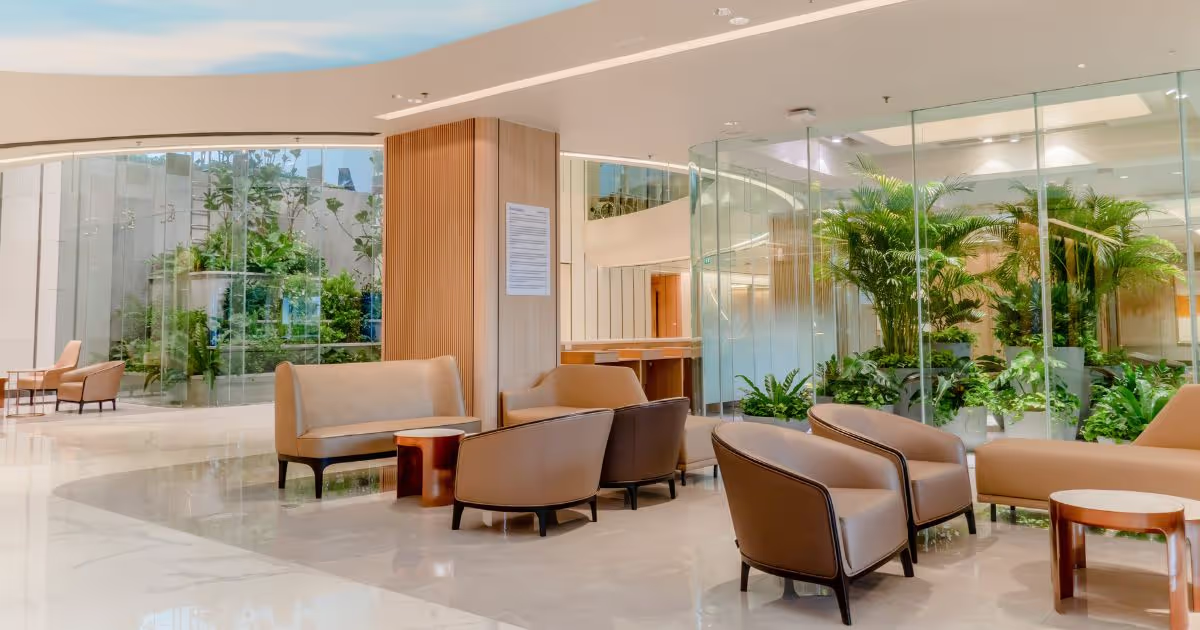
For healthcare facilities, the indoor environment is just as important as the standard of medical care, particularly in hospitals caring for patients with complex conditions, aging adults, and those who require close monitoring and specialized care.
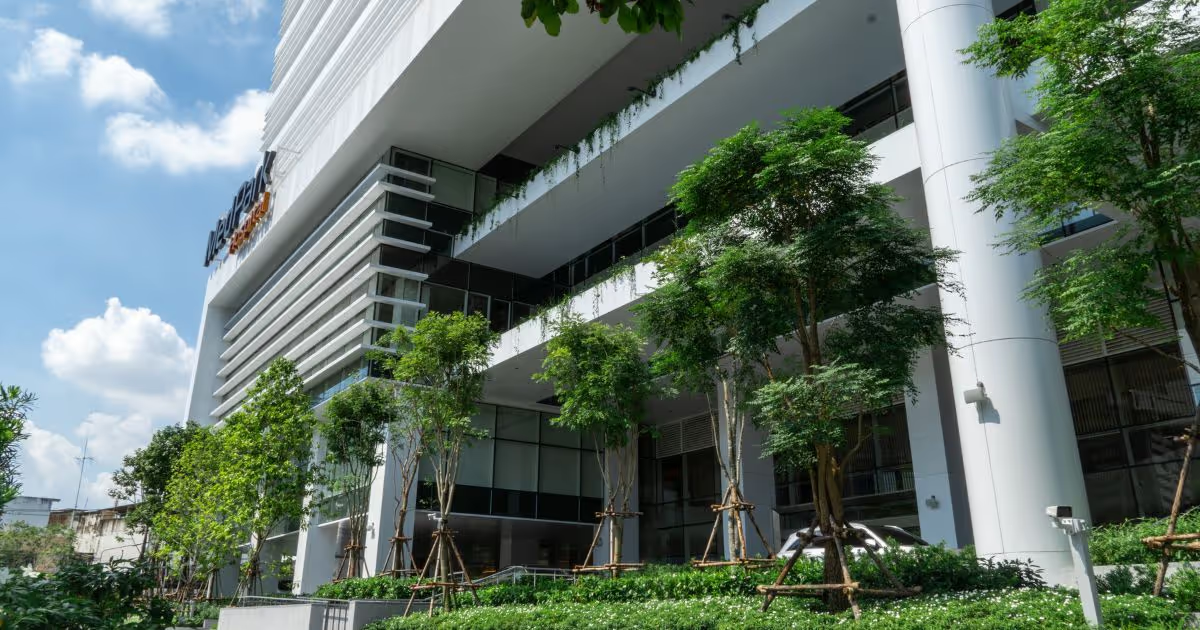
At MedPark Hospital, environmental considerations were integrated into the building design from the outset—from orienting the building to reduce solar heat gain and selecting materials that improve energy efficiency, to building systems that met and ultimately earned LEED Gold certification, an internationally recognized standard for green building design.
Another feature that may go unseen but can be felt when taking every breath is the hospital’s Positive Pressure Building interior, maintained by sprawling Outdoor Air Units (OAUs). The units draw in outdoor air, send it through high-efficiency air filtration systems, and insufflate the building to maintain higher indoor air pressure than outside. This helps prevent PM2.5 particles and other outdoor contaminants from entering the hospital.
This is more than creating an energy-efficient building. It is about designing space where environmental considerations support the health and well-being of patients, their families, visitors, and healthcare professionals who spend much of their days inside the hospital.
Because Patient Care Goes Beyond the Hospital Walls
Sustainability is integrated into patient care in several ways. One example is optimizing the use of inhalation anesthetic gas to reduce anesthesia-related greenhouse gas emissions. We also offer telemedicine services for selected patients, reducing the need for hospital visits and associated travel fuel consumption.
These efforts reflect a broader approach to healthcare because medical care requires significant energy, water, materials, and other resources. Balancing quality patient care with responsible resource use will be an increasingly important priority for hospitals.
Behind the Care: Resource Management with Measurable Results
While patients receive care in the clinical areas, the hospital’s facility engineering plant systems have been continuously refined. In 2025, MedPark Hospital reduced its energy consumption per revenue by 2.71% and energy consumption per unit area by 7.6% compared to 2024. Simultaneously, overall annual greenhouse gas emissions decreased by 6.3%.
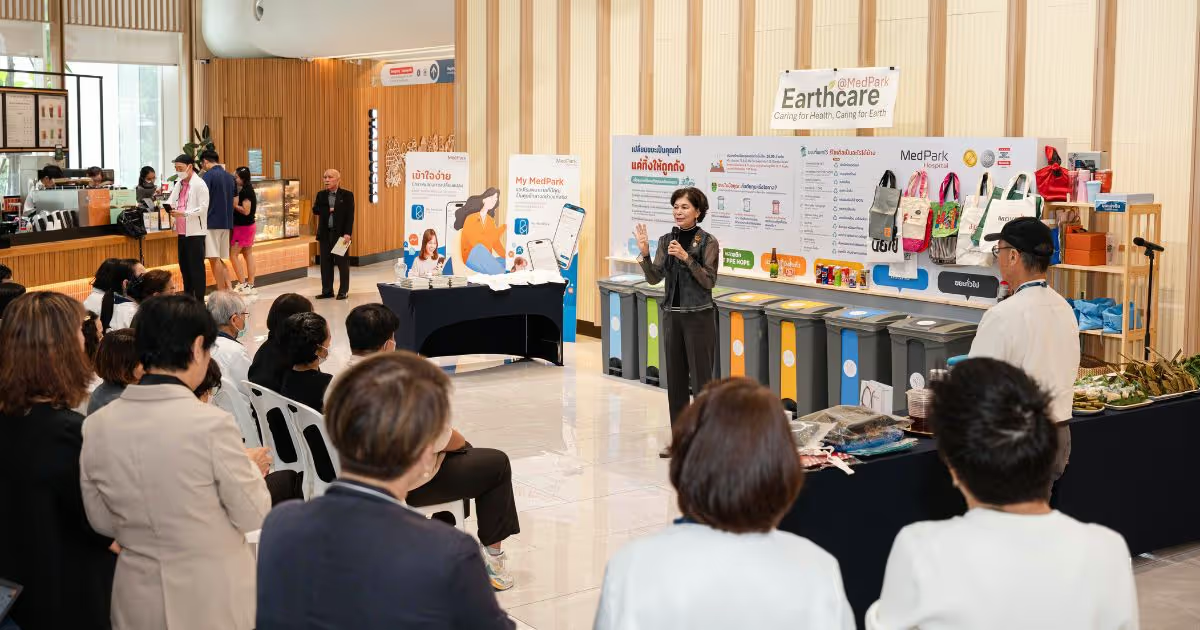
Resource management also extends to wastewater reclamation, with a portion of treated water reused for cooling systems and maintaining green spaces. Similarly, non-hazardous waste is sorted for reuse, such as composting food waste, recycling, and reusing selected materials. Currently, MedPark Hospital diverts approximately 29.4% of this waste for recycling, with a target of 40% by 2029.
These efforts may go unbeknownst to patients and visitors, but they are part of the behind-the-scenes systems that enable medical care to continue while minimizing its environmental impact.
From Everyday Action to Global Recognition
The World’s Greenest Hospitals 2026 assessment takes a comprehensive approach to sustainability, evaluating performance data on energy, greenhouse gas emissions, water, waste, and supply chains, as well as certifications, organizational strategy, and reporting transparency.
Receiving the 5 Leaves Performance Indicator reflects the results of systems built on collaborative effort across the organization, with MedPark employees playing a vital role behind the scenes. This includes doctors and nurses who refine patient care processes, engineering teams that optimize building systems, support teams that manage waste and resources, and every staff member who helps with the responsible use of energy and resources.
Ultimately, sustainability does not have to begin with major transformations. It can begin with small, consistent actions that gradually become part of an organization’s culture and everyday practices.
Earning 5 Leaves from World’s Greenest Hospitals 2026 marks another milestone for MedPark Hospital. Beyond delivering world-class care for complex medical conditions, the hospital continues to enhance its indoor environment and take stewardship of the planet, helping create a healthier, more sustainable future for everyone.