





Anemia in Pregnancy: What You Need to Know
Anemia in pregnancy is a common condition that occurs when your body lacks enough healthy red blood cells to carry oxygen to your tissues and your growing baby. During pregnancy, your plasma volume increases faster than your red blood cell count, naturally diluting your blood. Without adequate nutrients to meet these rising demands, anemia can develop quickly, affecting both maternal health and fetal development. Understanding these changes is the first step toward a healthy pregnancy.
Common Types of Anemia During Pregnancy
- Iron-deficiency anemia: This is the most prevalent form, occurring when the body lacks sufficient iron to produce the necessary amount of hemoglobin for both mother and fetus.
- Folate-deficiency anemia (B9): This type stems from an inadequate intake of folate. Since folate is essential for the body to create new cells, including healthy red blood cells, a shortage can lead to complications during pregnancy.
- Vitamin B12 deficiency anemia: The body requires Vitamin B12 to produce red blood cells. When B12 levels are too low, the body cannot create sufficient healthy cells.
Signs and Symptoms: How to Tell if You're Anemic
- Feeling profoundly tired or weak, even after adequate rest.
- Feeling unusually cold, especially in the hands and feet.
- Experiencing shortness of breath.
- Recurrent headaches, bouts of dizziness, or a noticeably rapid heartbeat or palpitations.
- Pale or dull skin that may also become drier or bruise more easily than usual.
- A noticeably sore, swollen, or inflamed tongue.
- An uncontrollable urge to move your legs (restless legs syndrome) often occurs in the evening or while sleeping.
Main Causes of Anemia in Pregnancy
- Nutritional deficiencies, such as iron, folate, and vitamin B12.
- Pre-existing health conditions.
- Genetic blood disorders: Conditions like thalassemia or sickle cell anemia, which affect how the body produces red blood cells.
- Chronic internal blood loss, Such as gastrointestinal ulcers or polyps, can cause a slow, occult loss of blood.
- Cumulative blood depletion, such as heavy menstrual cycles and frequent blood donation.
Risk Factors: Who is Most at Risk?
- Expecting twins, triplets, or more
- Having a diet that lacks sufficient iron, B12, or folate
- Short intervals between pregnancies
- History of heavy menstruation
- Frequent vomiting and loss of appetite from severe morning sickness (hyperemesis gravidarum)
Impact on the Fetus: Is My Baby Safe?
- Impaired growth
The first trimester is a critical window for organ development and cell division. If the mother lacks sufficient iron and vitamins during this period, it can adversely affect fetal growth in the womb. - Risks to pregnancy and childbirth
Untreated anemia significantly increases the likelihood of preterm birth and low birth weight. - Health of the newborns
The baby may be born with insufficient iron stores, causing anemia shortly after birth. Moreover, early-life deficiency can lead to delays in physical or cognitive development.

Diagnosis: How Doctors Test for Anemia
A complete blood count can evaluate:
- Red blood cell metrics: The lab analyzes the total count, size, and physical structure of your red blood cells. These details are vital for identifying specific conditions, such as thalassemia, sickle cell anemia, or other inherited blood disorders.
- Iron reserves: The test measures the amount of iron currently stored in your body (often through a ferritin level) to see if you have enough "raw materials" to produce hemoglobin.
- Vitamin concentrations: It determines if there is a deficiency in essential B-vitamins, specifically B9 and B12, both of which are essential for healthy cell division and fetal growth.
Effective Treatments for Pregnant Mothers
The goal of treatment is to replenish your nutrient stores and ensure your blood can effectively carry oxygen to you and the fetus.
- Mild to moderate cases
Your doctor will recommend a daily prenatal vitamin designed to provide the necessary concentrations of iron, vitamin B12, and folic acid (B9) that a standard diet may be deficient in. - Severe cases
If anemia is marked and poses an immediate risk to maternal or fetal safety, your doctor may recommend a blood transfusion to restore red blood cell levels immediately.
How to Manage Iron Levels at Home
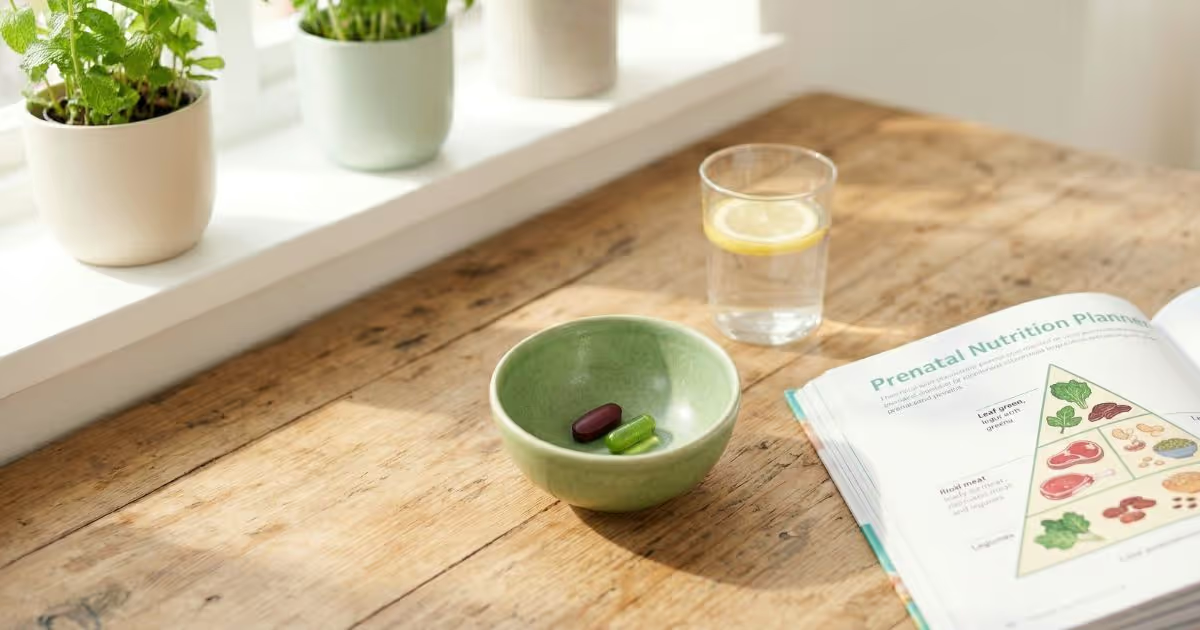
- Prioritize prenatal supplementation
Taking prescribed prenatal vitamins daily to supply iron, folic acid, and vitamin B12, your body requires to support fetal development. - Dietary adjustment
Select foods that are naturally dense in blood-building minerals:
- Heme iron (animal sources), such as pork, lean beef, pig blood curd, pig or chicken liver, fish, mollusk, and egg yolk.
- Non-heme iron (plant sources), like spinach and leafy greens
- Optimize nutrient absorption
To help your body absorb iron more efficiently, pair your iron-rich meals with foods rich in vitamin C, such as citrus fruits, guavas, tomatoes, or peppers. Vitamin C acts as a catalyst, helping your digestive system pull more iron from both your food and your supplements.
FAQs: Anemia in Pregnancy
- Q: Is anemia common in pregnancy?
A: The answer is yes. Mild anemia is often observed during pregnancy because plasma volume increases by nearly 50%, thereby diluting the red blood cell count. - Q: What are the consequences of untreated anemia?
A: Anemia places a significant strain on the cardiovascular system. Because the number of red blood cells responsible for carrying oxygen to the bodily organs decreases, the heart must pump faster and contract more forcefully to deliver oxygen to the bodily tissues. If the heart continues to work harder over a prolonged period, it may lead to complications such as irregular heart rhythms (arrhythmia), an enlarged heart (cardiomegaly), and heart failure. - Q: Can anemia lead to miscarriage?
A: Anemia does not directly lead to miscarriage. However, severe or untreated anemia can lead to other serious complications, such as an immunocompromised state with a higher risk of infection, preterm labor (delivery before 37 weeks), low birth weight, and increased risk of significant blood loss during delivery (postpartum hemorrhage). - Q: Is anemia in pregnancy preventable?
A: Pregnant women can prevent anemia by eating iron- and folate-rich foods, such as eggs, lean red meat, leafy green vegetables, seafood, liver, organ meats, and pumpkin seeds. Moreover, snacking on cashews and walnuts provides essential minerals such as magnesium and healthy fats.
Expectant women should receive approximately 27 mg of iron per day. Therefore, doctors often recommend prenatal supplements containing iron and folic acid to help reduce the risk of anemia. - Q: What constitutes severe anemia in pregnancy?
A: Anemia is classified as severe when a Complete Blood Count (CBC) reveals hemoglobin levels falling between 6.5 and 7.9 grams per deciliter (g/dL). The condition requires a blood transfusion to ensure safety for both you and your baby.