





Breast Cancer: Symptoms, Causes, and Risk Factors Every Woman Should Know
Breast cancer (Carcinoma of the Breast) is the most common cancer among women. Consider how alarming it is that among 8 of your female friends, 1 may develop breast cancer in their lifetime (whereas the risk for men is extremely low, at just 0.5–1%).
Nowadays, we see many cancer patients sharing their treatment experiences and the challenges they face from treatment-related side effects on social media. However, receiving accurate information from a medical oncologist can significantly ease these anxieties. In this article, the author —a radiation oncologist—will help you gain a deeper medical understanding of breast cancer.
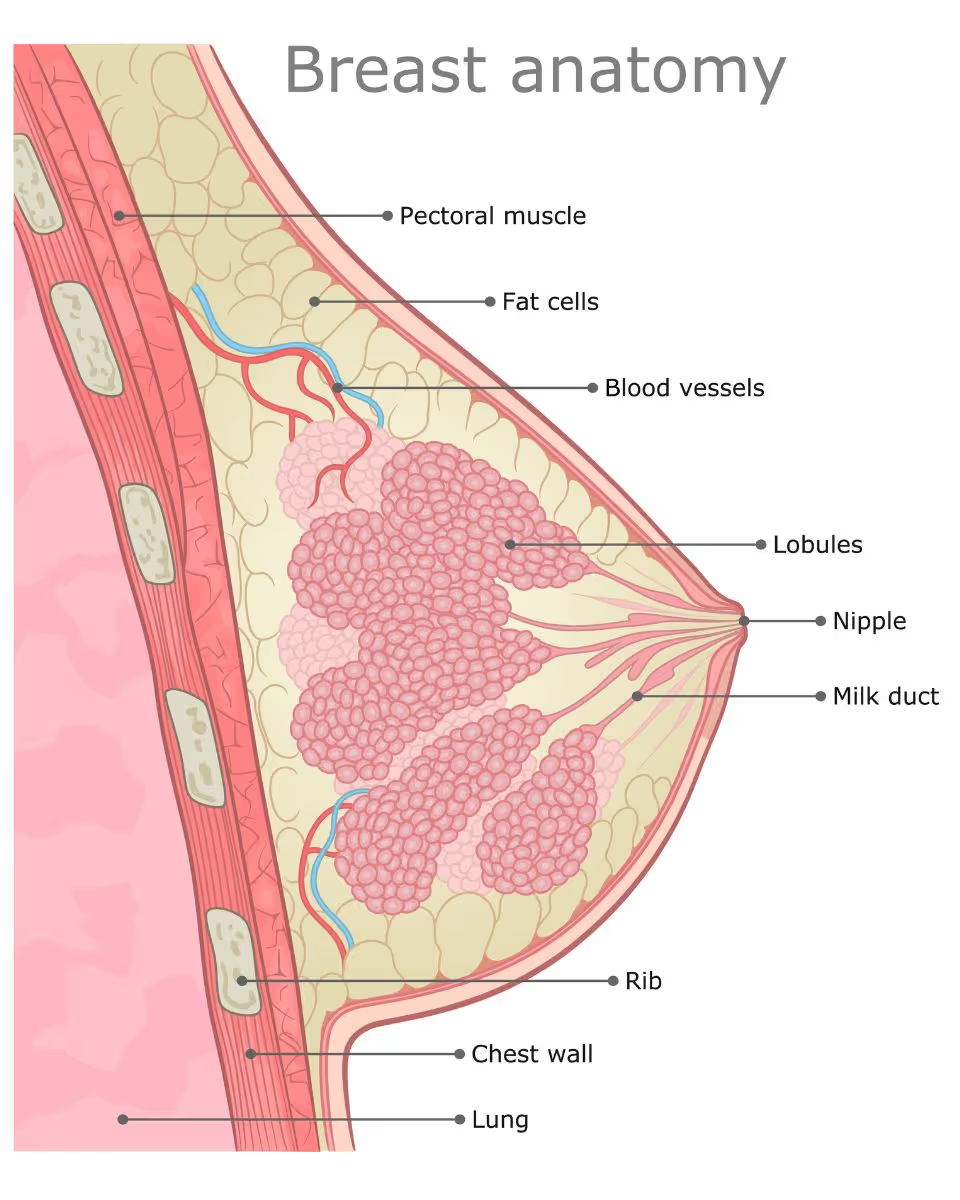
What Are the Components of the Breast?
First, let’s take a closer look at the anatomy of the breast. The breast consists primarily of three main components: glands that produce breast milk, ducts that carry milk from the glands to the nipple, and stroma, which consists of connective tissue and fatty tissue. More fatty tissue contributes to a larger breast size.
The milk-producing glands are organized into 15–20 sections called lobes, arranged in a radial pattern. Each lobe contains approximately 20–40 smaller structures called lobules, which are responsible for milk production. Breast cancer can develop in either the lobules (lobular cancer) or the milk ducts (ductal cancer).
- Invasive ductal carcinoma: Cancer that originates in the milk ducts.
- Invasive lobular carcinoma: Cancer that starts in the breast lobules. It is less common (approximately 10% of all breast cancers) and is generally treated in a similar way to invasive ductal carcinoma.
What Causes Breast Cancer?
Breast cancer is not a new disease; it has existed since ancient times. The earliest reported evidence dates to ancient Egyptian mummies from around 2000 BCE (approximately 4,000 years ago). A CT scan of one female mummy revealed the absence of one breast, suggesting that breast cancer has been around for a long time.
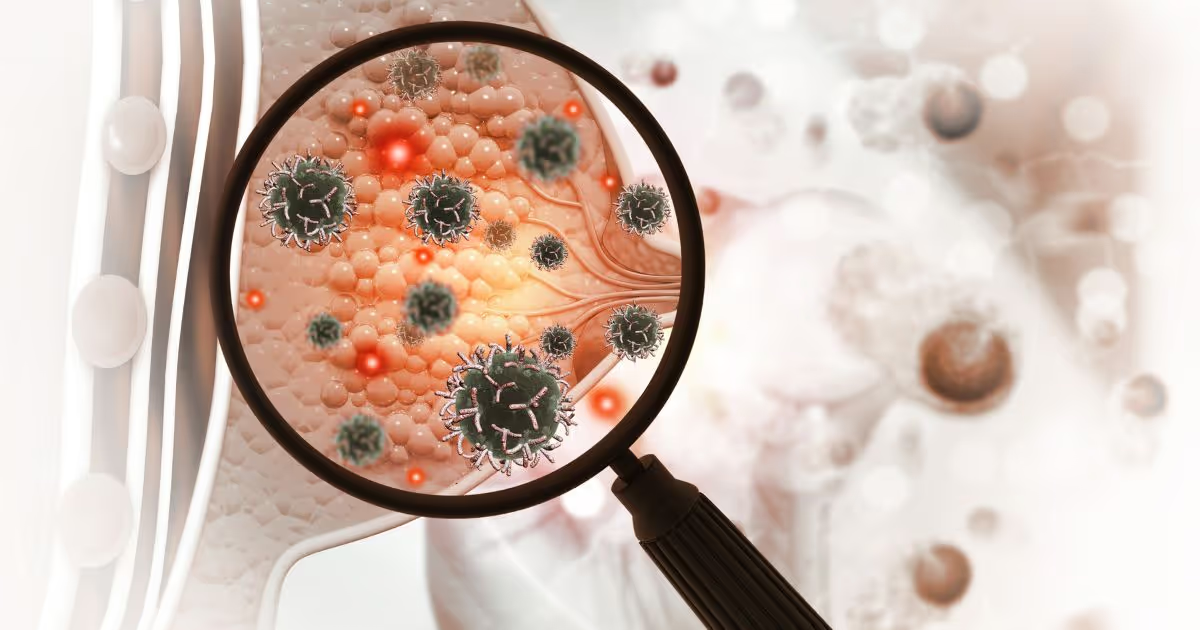
Although the exact cause of breast cancer remains unknown, it begins with DNA mutations. Abnormal cells begin to proliferate, and the body is unable to regulate or eliminate them. Over time, they continue to multiply and may spread through the lymphatic channels to the lymph nodes and blood vessels. Once cancer cells enter the bloodstream (vascular invasion), they can travel to distant organs, a process known as metastasis, and spread to the lungs, liver, bones, and brain, where they can cause damage.
What Is My Risk of Developing Breast Cancer?
Despite the absence of noticeable breast symptoms, many women may still feel anxious about their risk of developing breast cancer and seek reassurance. Medical research has identified several risk factors that may increase the likelihood of developing the disease, including:
- Having your first period before age 12 or entering menopause after age 55
- Heavy alcohol consumption
- Never having been pregnant (nulliparity) or having your first child at an older age (after age 30)
- Aging
- A family history of breast cancer, particularly of inherited cancer-predisposing genes such as BRCA1 and BRCA2
- Postmenopausal hormone replacement therapy (HRT)
- Obesity
- Previous radiation exposure to the chest during childhood, such as radiation therapy for an enlarged thymus gland
The earlier breast cancer is detected, the better the chances of cure. If you have any of the risk factors mentioned above, particularly a family history of breast cancer, you should consider breast cancer screening or genetic testing.
Read more: Genetic Testing: Carrier, Oncogenes, Drug allergy genes
Breast Cancer Statistics and Trends
Countries around the world regularly collect data on breast cancer incidence. In 2022, approximately 670,000 people in the United States died from breast cancer. For the year 2025, projected new cases are 316,950 for women and 2,800 for men.
In Thailand, breast cancer data reported in 2024 (B.E. 2567) also indicate a concerning trend.
- Rising incidence: The incidence of breast cancer among women has increased to 30.4 cases per 100,000 population, up from 20.5 cases per 100,000 in the previous report. This increase may suggest a genuine rise in new cases. Alternatively, it could mean increased public awareness and better access to medical services. People seek care sooner rather than ignoring symptoms as in the past.
- No decline in mortality: Despite ongoing breast cancer awareness campaigns and education, data from Thailand indicate that the breast cancer mortality rate has remained unchanged over the past 20 years. This may suggest that many patients still seek medical attention only after the disease has reached an advanced stage, when achieving a cure is more difficult.
Breast Cancer Symptoms at Different Stages
Breast cancer does not cause noticeable symptoms in most people. Symptoms vary depending on the stage of the disease, and the earlier breast cancer is detected, the better the chances of a successful treatment. In early-stage breast cancer, the tumor is often small and may not be detectable by touch. Some people may have no symptoms at all and may only discover cancer during a routine health checkup.
As the tumor grows larger, it may rarely press on or affect nearby nerves, causing breast pain. If the tumor is located close to the skin, it may become palpable. Some people may notice breast skin changes, such as darkening, puckering, dimpling (peau d’orange), or bloody nipple discharge.
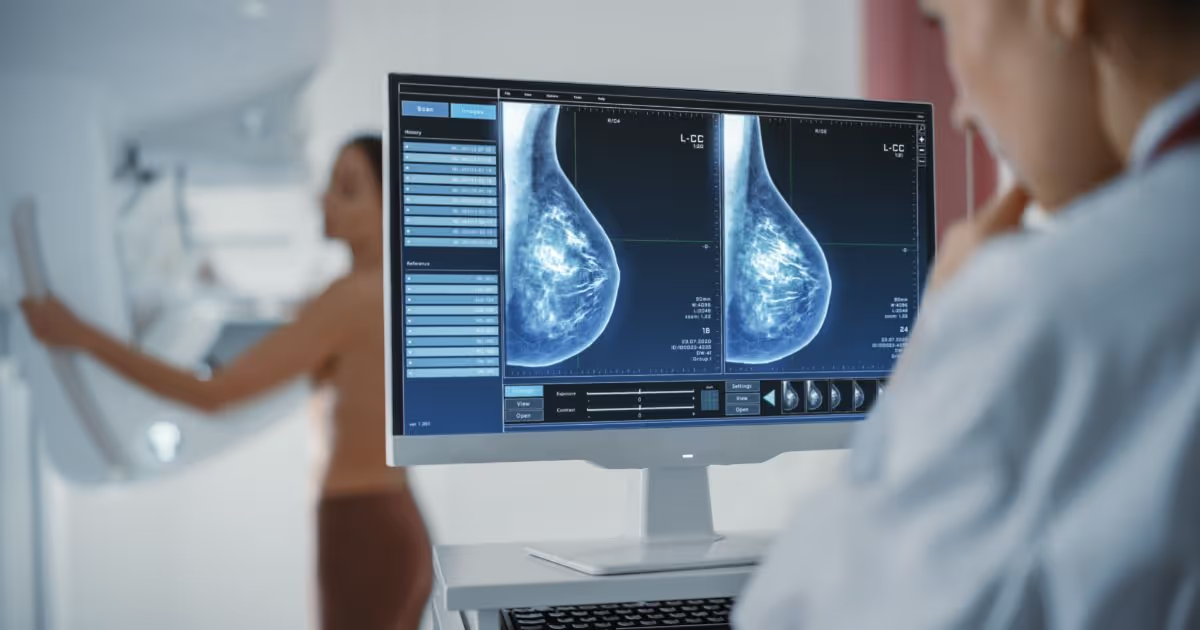
In more advanced cases, axillary lymph nodes may enlarge as cancer cells spread through the lymphatic vessels. Some patients may seek medical attention only after developing symptoms that indicate the disease has already progressed. Therefore, it is important to stay alert to changes in your body, perform regular breast self-examinations, and undergo routine mammography and breast ultrasound as recommended. These are important steps toward early detection and effective treatment. Mammography is generally recommended at age 40 and every two years thereafter. If a doctor identifies an abnormality but is uncertain whether it is cancerous, a follow-up breast ultrasound six months later may be recommended.
Read more: Review: Breast Cancer Screening 3D Digital Mammogram and Ultrasound.
Breast Cancer Diagnosis and Evaluation
When a suspicious breast lesion is detected, the next step is a diagnostic evaluation to determine whether it is cancerous and to assess the breast cancer stage, if found malignant. This information helps doctors develop the most appropriate treatment plan for each patient.
- History Taking: The doctor will begin by taking a detailed medical history, including menstrual and pregnancy history, hormone use, and family history, to identify potential risk factors.
- Physical Examination: The doctor will perform a breast examination to assess the location and size of any breast lump and check the lymph nodes. Other parts of the body may also be examined to screen for potential distant metastasis.
- Biopsy: A biopsy is the definitive step in confirming the diagnosis. The doctor will take a tissue sample from the suspicious lump and examine it in the laboratory to determine whether it is cancerous. Further testing, such as immunohistochemistry (IHC), may be performed to identify specific characteristics of the cancer cells, including:
- Hormone Receptors: Determining estrogen receptor (ER) and progesterone receptor (PR) status to help guide hormonal therapy.
- HER2: Testing for human epidermal growth factor receptor 2 (HER2), a protein that helps determine whether targeted therapy may be appropriate.
- Ki-67: Measuring the percentage of cells expressing Ki-67, a cell proliferation marker. A higher Ki-67 level indicates a higher proliferation rate.
- TP53 Gene: Testing for the TP53 gene, which encodes the p53 protein, a tumor suppressor that helps regulate cell growth. TP53 mutations are found in approximately 30% of breast cancer patients.
In addition to the tests described above, there is a relatively new yet highly valuable test now widely used: the Oncotype DX 21-gene assay. This test analyzes the activity of 21 genes in cancer cells to generate a recurrence score, which helps estimate the risk of distant recurrence. A very low score indicates a low risk of cancer returning or metastasis. In such cases, doctors may consider foregoing adjuvant chemotherapy, helping patients avoid unnecessary side effects and treatment costs. However, the test is relatively expensive, costing approximately USD 4,000 (about THB 129,720 as of June 2025).

Breast Cancer Staging for Treatment Planning
The next crucial step is cancer staging, which determines how far the disease has progressed and helps guide treatment planning. Staging may involve CT scans, whole-body PET/CT scans, and brain MRI, as treatment decisions are largely based on the cancer stage. Like other cancers, breast cancer is staged using the TNM system, which assesses the extent of disease based on three key parameters:
- T (Tumor): The size and extent of the primary tumor
- N (Node): Whether the cancer has spread to nearby lymph nodes
- M (Metastasis): Whether cancer has spread to distant organs
Both T and N categories are further subdivided. For example, Stage IB may include cases where no primary tumor is detectable in the breast, but cancer cells have spread to the axillary lymph nodes, with deposits less than 2 mm. This is known as micrometastasis and can only be detected under a microscope.
For a clearer understanding, the stages of breast cancer can be summarized as follows:
- Stage 0: Cancer cells remain confined to the lining of the milk ducts and have not invaded surrounding breast tissue. No mass has formed.
- Stage I: The tumor is smaller than 2 cm and has not spread to the lymph nodes.
- Stage II: The tumor is 2–5 cm and may have spread to nearby lymph nodes, or it is larger than 5 cm but has not spread to the lymph nodes.
- Stage III: The tumor may be larger than 5 cm and has spread to nearby lymph nodes, or the cancer has invaded the breast skin or chest wall.
- Stage IV: The cancer has spread to distant organs, such as the lungs, liver, or bones.

Breast Cancer Treatment
Breast cancer treatment has evolved continuously, offering patients more effective and diverse treatment options. Generally, treatment involves a combination of several approaches, depending on the type and stage of the disease.

- Surgery is often a primary treatment for breast cancer to remove the cancerous tumor. However, modern breast surgery has evolved considerably and is no longer limited to mastectomy. Breast-conserving surgery can help improve patients’ quality of life.
- Radiation therapy uses high-energy radiation to target and destroy cancer cells in a specific area. It is typically performed after surgery to eliminate any residual cancer cells. However, chemotherapy may be administered before radiation therapy.
- Chemotherapy is a drug treatment that acts throughout the entire body, so it is better referred to as systemic treatment. This category also includes non-chemotherapeutic drugs for breast cancer, which help reduce side effects. Chemotherapy typically targets not only cancer cells, but also damages healthy, rapidly dividing cells, such as bone marrow cells, which continually replenish red blood cells, white blood cells, and platelets.
Much like surgery, systemic treatment has seen remarkable advancements over the past 30 years—a very welcome development for patients.