





What is high cholesterol in children?
High cholesterol in children refers to a condition in which blood lipid levels in a child or adolescent exceed healthy ranges. In addition to cholesterol, your doctor monitors triglycerides, another form of fat found in the bloodstream. While these lipids are vital for energy and cellular structure, maintaining them at appropriate levels is crucial for long-term health.
What exactly is cholesterol?
Cholesterol is a type of fat with a soft, waxy consistency found in every cell of the body. It plays an essential role in the production of hormones and vitamin D, and in the formation of cell membranes.
- Natural Production: The liver naturally produces all the cholesterol the body needs.
- Dietary Sources: We also consume it from animal-based foods, such as various meats and dairy products.
What are the symptoms of high cholesterol in children?
High cholesterol in children rarely produces noticeable physical signs or symptoms. In those with familial hypercholesterolemia, certain physical markers may be present. These are signs of lipid deposition in the bodily tissues:
- Xanthomas: Small, waxy, or fatty-looking patches that develop on the skin.
- Xanthelasma: Visible yellowish bumps or growths located on or around the eyelids.
- Corneal Arcus: A distinct white or grayish ring that forms around the outer edge of the cornea.
What are healthy cholesterol levels in children and teenagers?
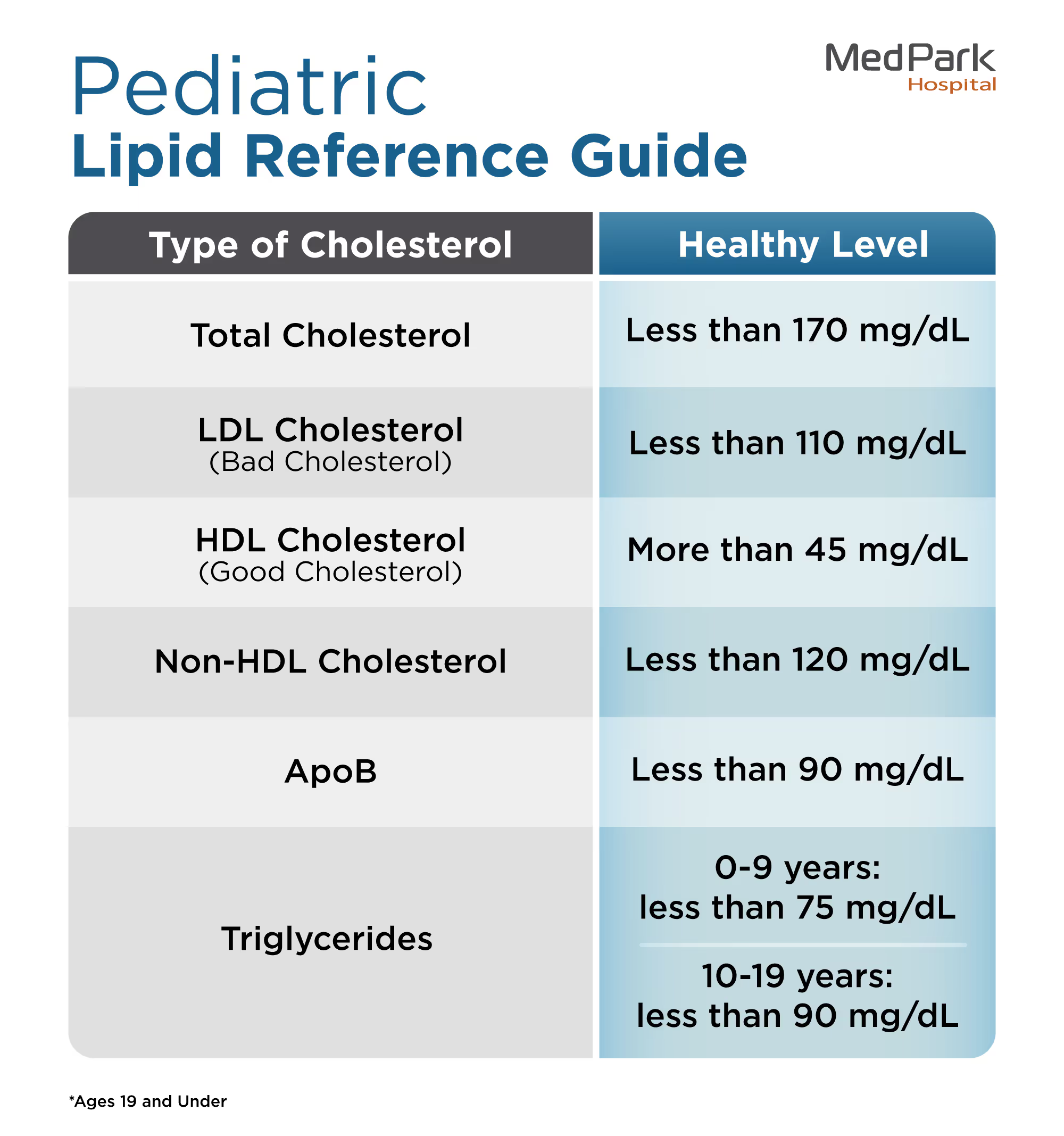
Healthy lipid levels in children and adolescents differ from those in adults. The following values are commonly used as reference ranges for individuals aged 19 years and younger:
- Total Cholesterol: Less than 170 mg/dL
- LDL Cholesterol (Bad Cholesterol): Less than 110 mg/dL
- HDL Cholesterol (Good Cholesterol): More than 45 mg/dL
- Non-HDL Cholesterol: Less than 120 mg/dL
- Apolipoprotein B (ApoB): Less than 90 mg/dL
- Triglycerides:
- Ages 0–9 years: Less than 75 mg/dL
- Ages 10–19 years: Less than 90 mg/dL
What are the causes of high cholesterol in children?
Elevated cholesterol and triglycerides in young people typically stem from a combination of genetics, lifestyle choices, and underlying health conditions.
- Genetic Predisposition: If a direct family member has hyperlipidemia, the child is at a significantly higher risk regardless of their lifestyle.
- Dietary Habits: Consuming a diet high in saturated and trans fats, often found in fried and processed foods, and animal products, can raise blood cholesterol.
- Obesity: Excess body fat can alter how the body processes lipids, often leading to higher LDL (bad cholesterol) and lower HDL (good cholesterol).
- Underlying Medical Conditions: Untreated hypothyroidism, kidney ailments, or diabetes can also disrupt normal lipid levels.
What are triglycerides?
Triglycerides are a type of fat circulating in the bloodstream. In adolescents, elevated blood lipid levels are most often due to high triglycerides.
What causes high triglycerides in children?
- Metabolic Issues: Conditions such as obesity, Type 1 & 2 diabetes, and PCOS are the most frequent culprits.
- Pharmaceutical Side Effects: Certain medications can inadvertently raise triglyceride levels as a secondary effect.
- Inherited Disorders: While rarer than familial hypercholesterolemia, some children have a congenital inability to break down triglycerides. A fasting measurement exceeding 500 mg/dL often signals to doctors that a genetic cause may be involved.
What are the complications of high cholesterol in children?
The primary concern with elevated lipid levels in youth is not usually immediate illness, but rather the cumulative damage that occurs over time. Many people assume that high cholesterol is a condition limited to adults. However, it can start developing as early as childhood.
Complications of Elevated LDL Cholesterol
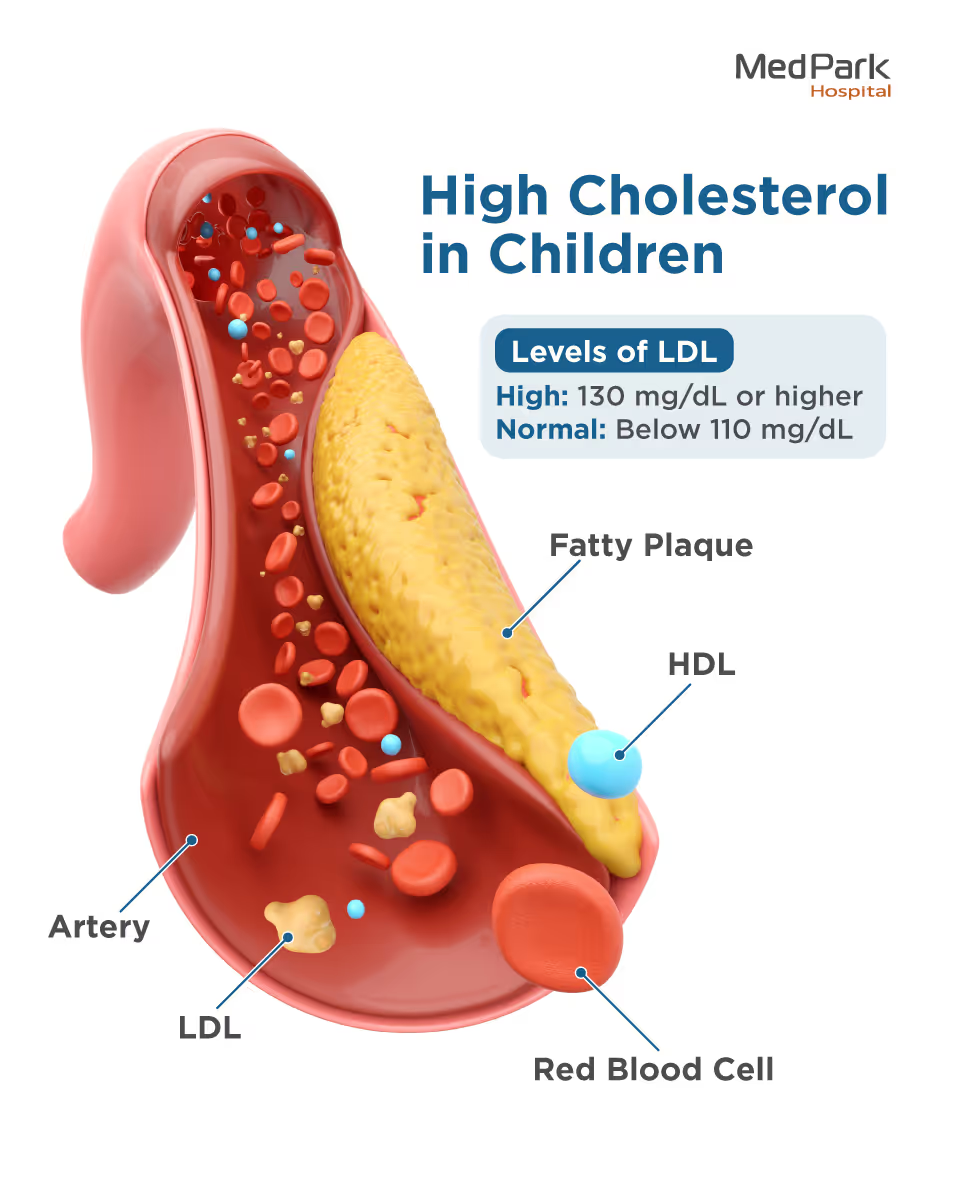
High LDL can lead to atherosclerosis, a process where fatty deposits known as plaque accumulate along the inner walls of the arteries. As this buildup thickens, it narrows the pathways for blood, potentially leading to:
- Coronary Artery Disease: Plaque buildup in the vessels supplying the heart, which can eventually result in a heart attack.
- Cerebrovascular Issues: Blockages in the arteries supplying blood to the brain, which significantly increase the risk of stroke.
- Peripheral Artery Disease (PAD): Reduced blood flow to the extremities, most commonly the legs, which can cause pain, cramping, and difficulty walking.
Complications of Elevated Triglycerides
High triglyceride levels increase the risk of cardiovascular disease. When levels are markedly elevated, they may also lead to acute complications affecting the digestive system.
- Acute Pancreatitis: Extremely high triglyceride levels can trigger sudden, painful inflammation of the pancreas. This is a medical emergency.
- Secondary Plaque Contribution: While LDL is the main driver of arterial blockages, chronically high triglycerides can also contribute to plaque formation.
- Metabolic Syndrome: High triglycerides are often a marker of other metabolic issues, such as insulin resistance or fatty liver disease.
What are the diagnostic tests for high cholesterol in children?
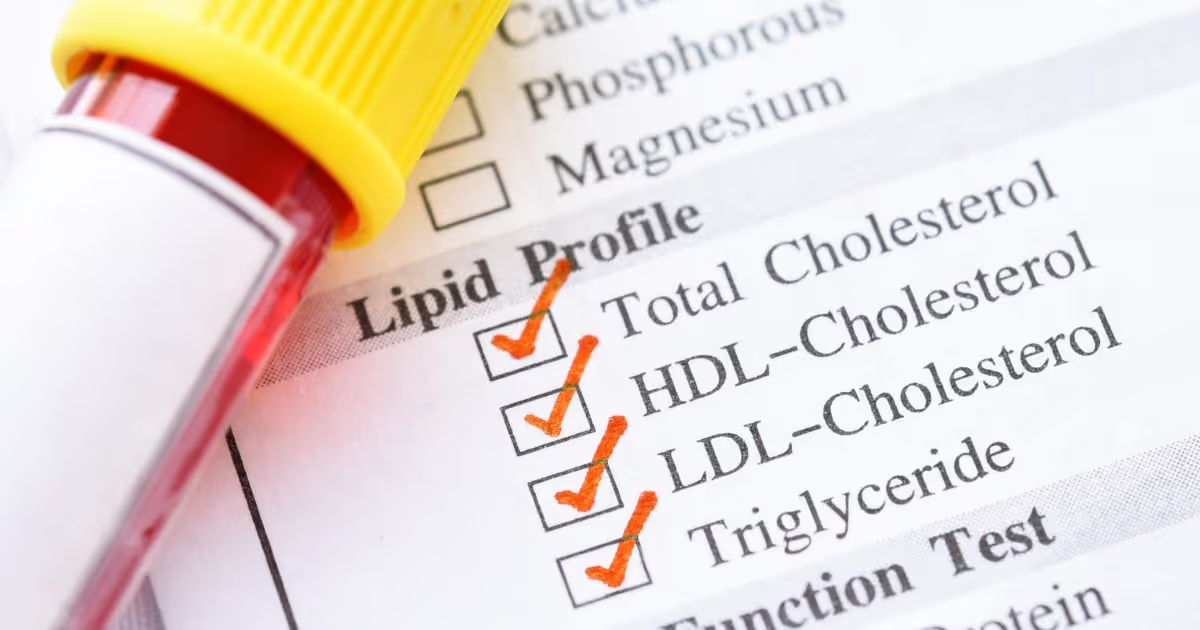
Because high cholesterol often presents without symptoms, it requires a lipid panel (or lipid profile) blood test for diagnosis. The doctor may perform a non-fasting test for initial screening. However, if the initial results are inconclusive or a more precise triglyceride measurement is needed, fasting for at least 12 hours before the blood test is advisable.
- Total Cholesterol: This represents the overall amount of cholesterol circulating in the bloodstream.
- LDL (Low-Density Lipoprotein) Cholesterol: High LDL leads to plaque accumulation in the arteries, which can eventually cause narrowed or blocked pathways.
- HDL (High-Density Lipoprotein) Cholesterol: HDL acts like a scavenger. It picks up excess cholesterol from the bodily tissues and bloodstream and transports it back to the liver for removal.
- Non-HDL Cholesterol: This figure is calculated by subtracting your HDL from your total cholesterol. It accounts for all the bad types of cholesterol, including LDL and VLDL (Very-Low-Density Lipoprotein).
- Triglycerides: While not cholesterol, these are a common type of fat found in the blood. When levels are too high, especially in combination with high LDL, the risk of heart disease increases.
When is it appropriate for a child to have a lipid panel test?
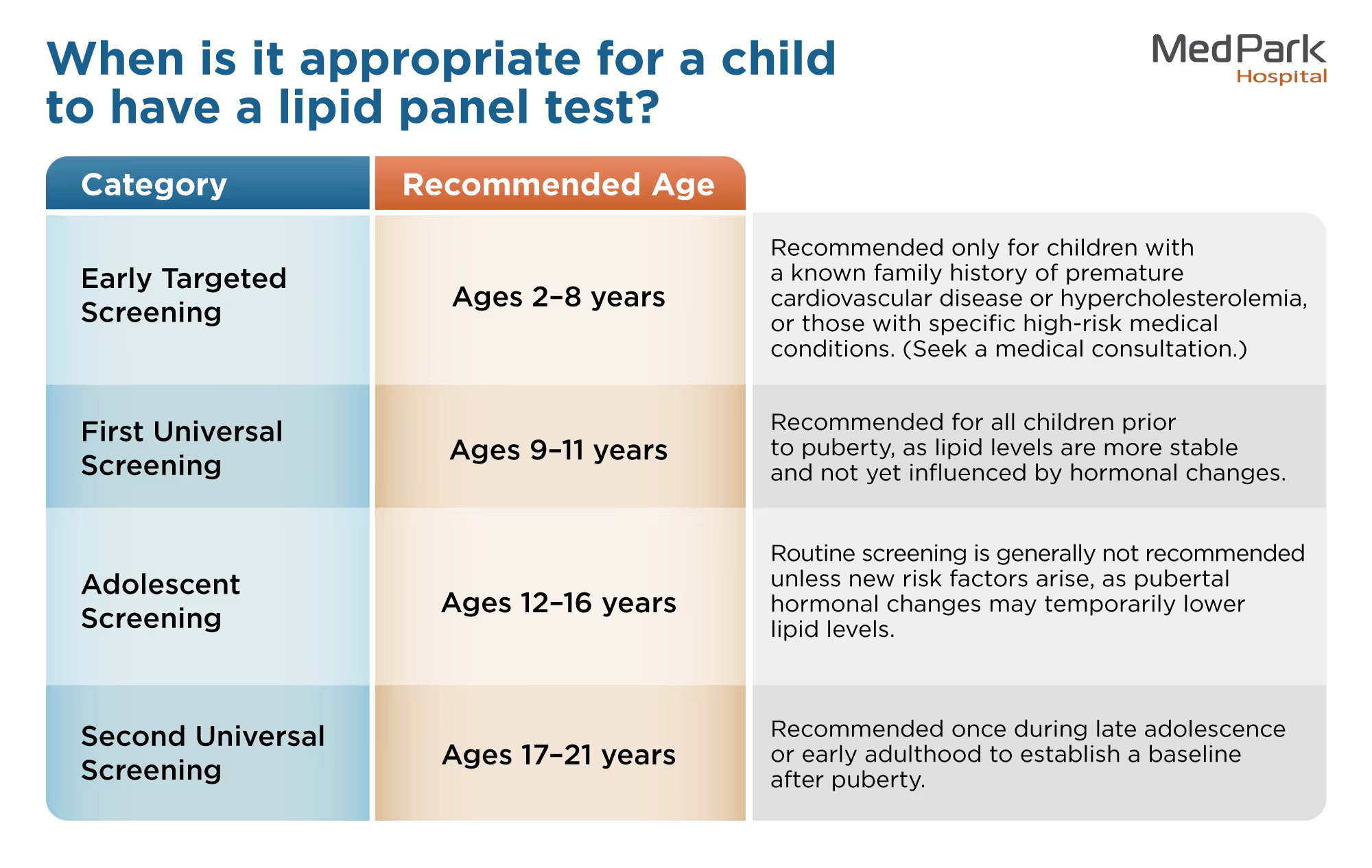
Recommended ages for cholesterol screening in children and adolescents are as follows:
- Early Targeted Screening (Ages 2–8 Years): Recommended for children with a family history of early cardiovascular disease or high cholesterol, as well as those with certain medical conditions or other significant risk factors. Consultation with a healthcare professional is advised.
- First Universal Screening (Ages 9–11 Years): Recommended for all children before puberty, when lipid levels are relatively stable and less affected by hormonal changes.
- Adolescent Screening (Ages 12–16 Years): Routine screening is generally not recommended unless new risk factors emerge, as hormonal changes during puberty may temporarily lower cholesterol levels.
- Second Universal Screening (Ages 17–21 Years): Recommended during late adolescence or early adulthood to reassess lipid levels after puberty.
What are the treatment modalities for high cholesterol in children?
Treatment Phase 1: Foundational Lifestyle Changes
The cornerstone of managing pediatric dyslipidemia is lifestyle modification through a family-centered approach, rather than focusing solely on the child, as this promotes more sustainable long-term outcomes.
- Active Living: Increasing physical activities while reducing hours spent on computers, phones, or televisions.
- Cardiovascular Nutrition: Prioritizing high-fiber foods like whole grains, vegetables, and fresh fruits while minimizing the intake of sugars and saturated fats.
- Weight Management: If a child is overweight or obese, gradual, healthy weight loss often naturally corrects imbalances of cholesterol and triglycerides.
In overweight children and adolescents, lifestyle and dietary modifications represent the most effective management approach.
Treatment Phase 2: Medical Intervention
If multi-faceted lifestyle changes do not sufficiently lower cholesterol after approximately six months, or if the risk has an underlying genetic basis, doctors may recommend medications.
What dietary choices are recommended for children?
To support healthy cholesterol levels, focus on nutrient-dense foods that are high in fiber and low in saturated fats. Building a menu around whole, unprocessed ingredients is the most effective way to manage cholesterol through nutrition.
- Limit sugar intake and choose healthy beverages: Prioritize water and low-fat milk as primary beverages. Limit fruit juice to no more than 120 mL per day (approximately half a small glass).
- Choose healthy fats and avoid trans fats: Keep total fat intake at 25–30% of total daily caloric intake. Emphasize monounsaturated fatty acids (MUFA) and polyunsaturated fatty acids (PUFA), accounting for about 20% of total energy intake, while avoiding trans fats.
- Ensure adequate fiber intake based on age: Consume sufficient fruits, vegetables, and whole grains to meet daily fiber needs. For children, a practical guideline is age + 5 grams. For example, a 10-year-old child should consume approximately 15 grams of fiber per day, with a maximum of 25 grams daily.
In addition, regular physical activity and the development of healthy eating habits are essential. Encourage daily breakfast consumption, limit fast food intake, and promote family meals to support long-term health and well-being.

Sample meal plan
- Breakfast: Start the day with high-fiber foods that keep blood sugar stable.
- Steel-cut oats or oatmeal (rich in soluble fiber, which helps retain cholesterol in the gut).
- Whole-grain cereals (look for low-sugar varieties).
- Greek yogurt (excellent protein source; opt for plain varieties to avoid added sugars).
- Fresh whole fruits like berries, apples, or citrus.
- Lunch & Dinner:
- A colorful mix of vegetables and fruits (1/2 plate)
- Lean proteins (1/4 plate), such as poultry (without skin), fish, lentils, or chickpeas.
- Complex carbohydrates (1/4 plate), such as brown rice, quinoa, or whole-wheat pasta.
- Side: A serving of low-fat dairy or a plant-based alternative.
- Snacks
- Crunchy Veggies: Sliced cucumbers, bell peppers, or carrots.
- Healthy Fats: Small portions of unsalted nuts and seeds.
- Whole-Grain Fiber: Air-popped popcorn or whole-wheat crackers.
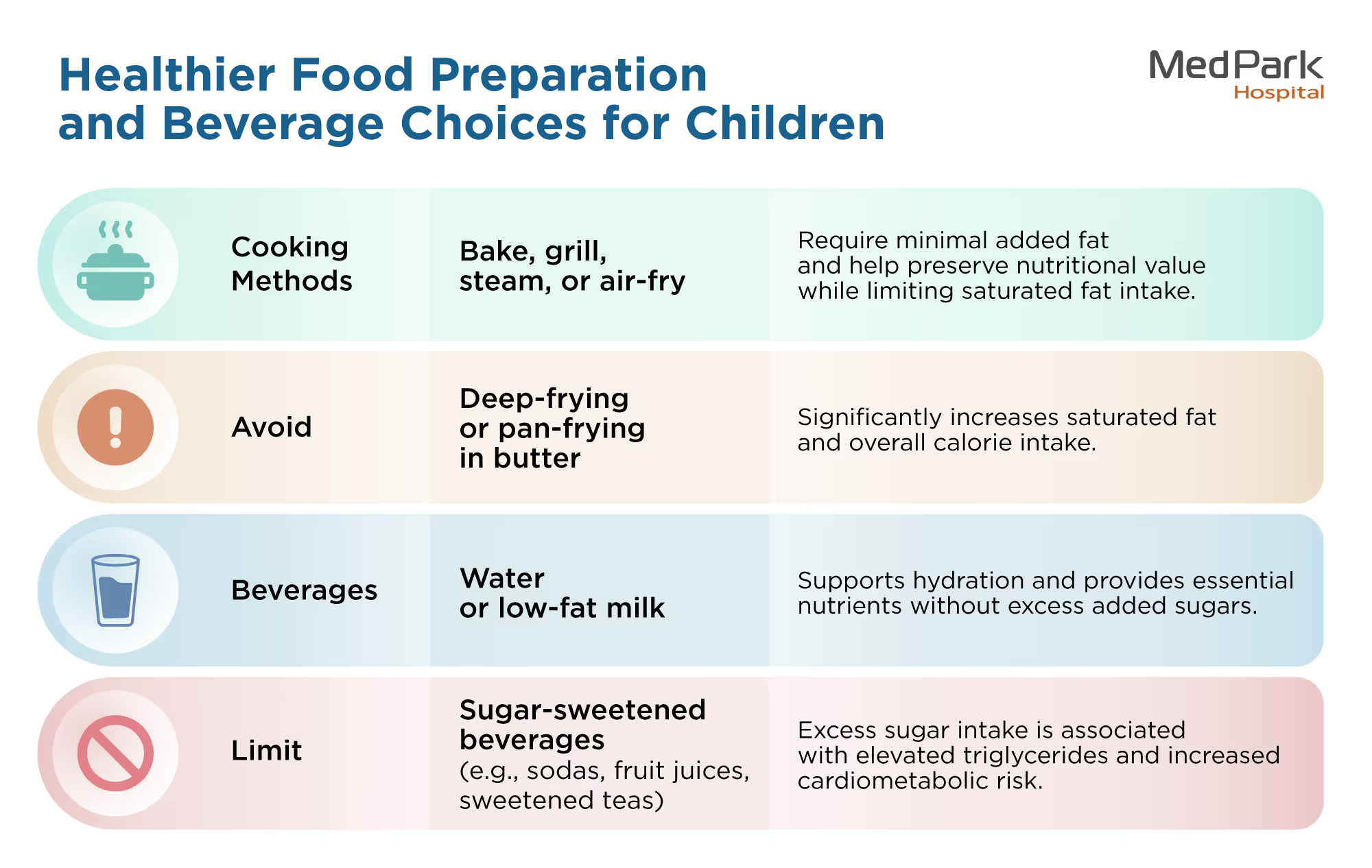
Healthier Food Preparation and Beverage Choices for Children
- Cooking Methods: Bake, grill, steam, or air-fry
Require minimal added fat and help preserve nutritional value while limiting saturated fat intake. - Avoid: Deep-frying or pan-frying in butter
Significantly increases saturated fat and overall calorie intake. - Beverages: Water or low-fat milk
Supports hydration and provides essential nutrients without excess added sugars. - Limit: Sugar-sweetened beverages (e.g., sodas, fruit juices, sweetened teas)
Excess sugar intake is associated with elevated triglycerides and increased cardiometabolic risk.
A note from MedPark’s doctor
It is natural to think of high cholesterol as an “adult health concern,” so learning that your child is affected can feel both unexpected and overwhelming. Our team is here to guide and support you every step of the way.
The most effective approach to managing a child’s lipid levels is to make heart-healthy habits a shared family commitment. When everyone takes part, the child feels supported rather than singled out, and the entire household benefits from a healthier, more active lifestyle.