





What is hyperemesis gravidarum?
Hyperemesis gravidarum is a severe form of nausea and vomiting during pregnancy. Unlike typical morning sickness, it involves persistent and excessive symptoms that can significantly affect a pregnant woman’s overall health.
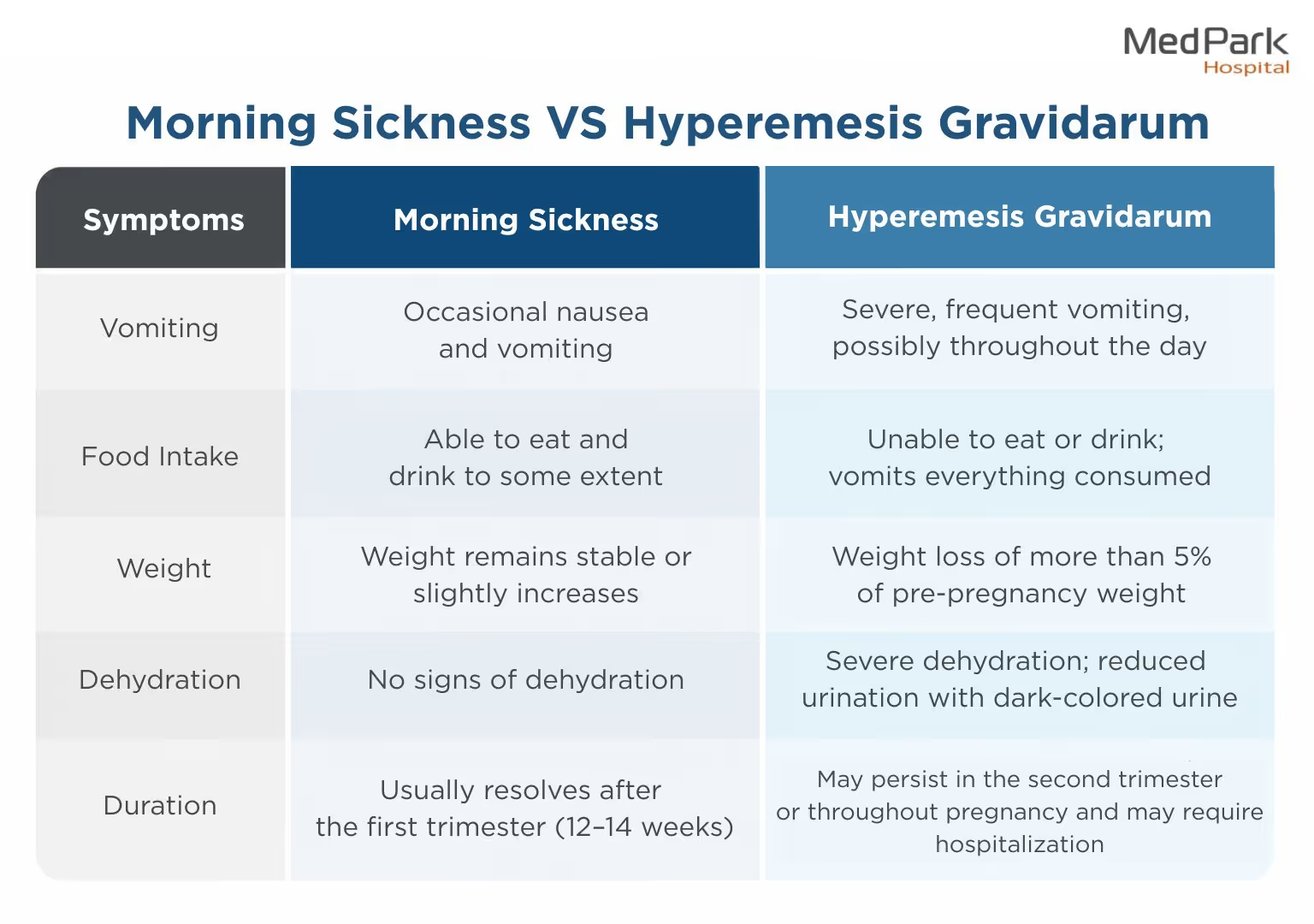
Differences Between Morning Sickness and Hyperemesis Gravidarum
What are the symptoms of hyperemesis gravidarum?
1. Gastrointestinal symptoms
- Severe and persistent nausea throughout the day and night
- Severe vomiting, often more than 3–4 times per day, to the point of being unable to consume food or fluids
2. Symptoms of dehydration and malnutrition
- Rapid weight loss, typically exceeding 5% of pre-pregnancy body weight
- Dehydration, characterized by dark-colored urine, reduced urine output, and dry mouth
3. Other physical symptoms
- Dizziness and fatigue, weakness, and frequent lightheadedness or fainting
- Headache and confusion due to dehydration and electrolyte imbalance
In some cases, patients may also experience a rapid heart rate, hypotension (low blood pressure), jaundice (yellowing of the skin and eyes) due to liver damage, or Wernicke-Korsakoff syndrome, a serious and potentially life-threatening neurological condition caused by prolonged vitamin B1 deficiency from persistent vomiting.
When should I seek immediate medical attention?
If you are unable to urinate for more than 8 hours, experience severe morning sickness with blood in your vomit, or cannot tolerate any fluids for over 24 hours, you should seek immediate medical attention. A doctor may consider administering intravenous (IV) fluids and electrolytes to ensure the safety of the mother and the fetus.
What causes hyperemesis gravidarum?
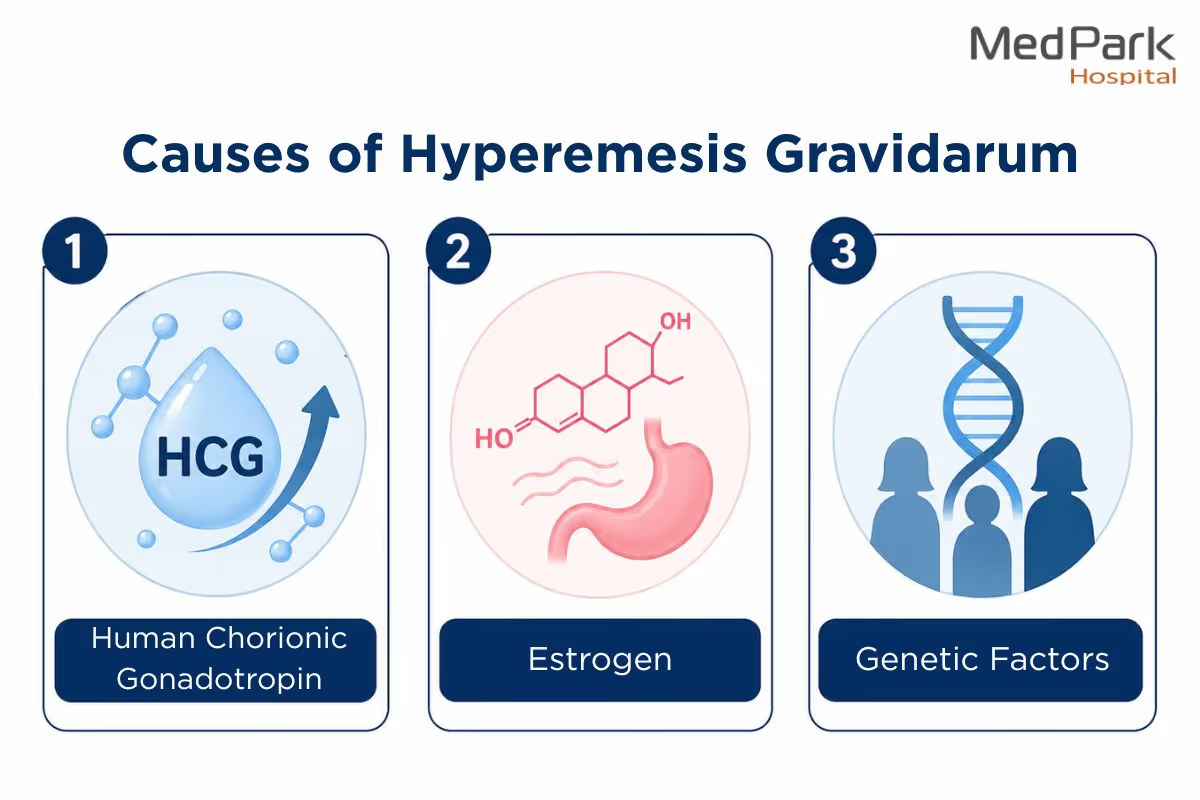
Hyperemesis gravidarum may be attributed to several factors, including:
1. Human Chorionic Gonadotropin (hCG)
During pregnancy, the body produces human chorionic gonadotropin (hCG), commonly known as the pregnancy hormone. Levels of hCG rise rapidly and typically peak around 10 weeks of gestation, which often coincides with the period when symptoms are most severe. Higher hCG levels (such as in a multiple pregnancy) are associated with an increased likelihood of experiencing more severe symptoms.
2. Estrogen
A rapid rise in estrogen levels during pregnancy can affect the gastrointestinal system. It may slow gastric motility and reduce digestive efficiency, increasing the likelihood of nausea.
3. Genetic Factors
Individuals with a family history of hyperemesis gravidarum, such as a mother or sister, are at increased risk of developing the condition. Certain genes, including GDF15 and IGFBP7, which play roles in placental development and brain regulation of appetite, may function abnormally, contributing to more severe nausea and vomiting.
What factors increase the risk of hyperemesis gravidarum?
- First pregnancy
- Multiple pregnancy (e.g., twins)
- History of hyperemesis gravidarum in a previous pregnancy
- History of motion sickness or migraines
- Family history (first-degree relatives) of hyperemesis gravidarum
- Gestational trophoblastic disease (GTD)

What potential complications could occur?
- Dehydration
- Malnutrition, due to inadequate intake of essential vitamins and nutrients
- Pharyngeal or esophageal hemorrhage caused by persistent and forceful vomiting
- Preterm birth or low birth weight
What are the diagnostic methods for hyperemesis gravidarum?
PUQE Score (Pregnancy-Unique Quantification of Emesis and Nausea)
A standardized assessment tool used to evaluate the severity of nausea and vomiting during pregnancy. It evaluates the duration of nausea, the frequency of vomiting, and the number of retching episodes.
- Physical Examination to assess disease severity and potential complications
- Vital signs assessment, including blood pressure measurement in both supine and standing positions
- Evaluation of fluid balance
- Assessment of nutritional status and body weight
- Examination of the thyroid gland, abdomen, cardiovascular system, and nervous system
- Laboratory investigations to assess dehydration, electrolyte imbalance, and screen for related conditions
- Urinalysis
- Serum electrolytes and blood ketone levels
- Liver function tests (liver enzymes and bilirubin)
- Thyroid function tests (TSH and Free T4)
- Serum calcium and hematocrit levels
- Viral hepatitis screening
- Imaging tests
- Ultrasound to evaluate placental abnormalities.
- Upper abdominal ultrasound to assess the pancreas and biliary system
- CT scan or MRI of the abdomen in cases where appendicitis is suspected, as it may present with nausea and vomiting during pregnancy

How can I manage hyperemesis gravidarum?
For mild symptoms
- Avoid known triggers of nausea, such as car travel and prolonged screen time.
- Eat small, frequent meals (every 2 hours). Choose bland, easily digestible, low-fat foods. Avoid greasy or strongly flavored foods, which may worsen symptoms. Ginger or ginger tea may help relieve nausea in some individuals.
- Your doctor may recommend vitamin B6 (pyridoxine) to help reduce nausea and vomiting. Doxylamine, an antihistamine, may be used in combination with vitamin B6 for additional symptom control.
For moderate to severe symptoms
If symptoms are so severe that you cannot eat or drink sufficiently, leading to dehydration, hospitalization may be required.
- Intravenous (IV) fluid therapy to restore fluids and electrolytes and treat dehydration.
- Enteral feeding (tube feeding) if oral intake is not possible; nutrition may be delivered via a nasogastric or gastric tube
- Total parenteral nutrition (TPN) is used in severe cases, providing complete nutritional support intravenously while allowing the gastrointestinal tract to rest.
- Your doctor may prescribe vitamin B6 (pyridoxine) and doxylamine, along with antiemetics such as promethazine, metoclopramide, or ondansetron.
Frequently Asked Questions (FAQ)
Does hyperemesis gravidarum increase pregnancy risks?
Hyperemesis gravidarum can pose risks to the mother and the fetus, including an increased risk of preterm birth. However, close monitoring and appropriate medical care can minimize the risks and complications.
Can hyperemesis gravidarum resolve on its own?
In some pregnant women, symptoms may improve after the first trimester, while in others they may persist throughout pregnancy. However, symptoms typically become less severe over time and usually resolve after delivery.
Does hyperemesis gravidarum affect the fetus?
With appropriate care, it generally does not affect the fetus. However, in cases of severe dehydration or significant maternal weight loss, there may be an increased risk of low birth weight.
Does hyperemesis gravidarum cause long-term health effects?
Although there may be an increased risk of recurrence in subsequent pregnancies, hyperemesis gravidarum generally does not have long-term effects on health. With appropriate treatment, most women can deliver healthy babies.
A note from MedPark’s doctors
Hyperemesis gravidarum, or severe morning sickness, is a condition in which pregnant women experience intense nausea and frequent vomiting multiple times a day, leading to dehydration and increasing the risk of preterm birth or low birth weight.
However, with appropriate medical care, symptoms can be effectively managed, helping to ensure a safe and healthy pregnancy. If you experience severe nausea or frequent vomiting during pregnancy, it is important to seek medical attention promptly for proper evaluation and treatment.