





Choose the content to read
- What Is Fatty Liver Disease?
- Risk Factors for Fatty Liver Disease
- What Are the Symptoms of Fatty Liver Disease?
- How Is Fatty Liver Disease Diagnosed?
- How Is Fatty Liver Disease Treated?
What Is Fatty Liver Disease?
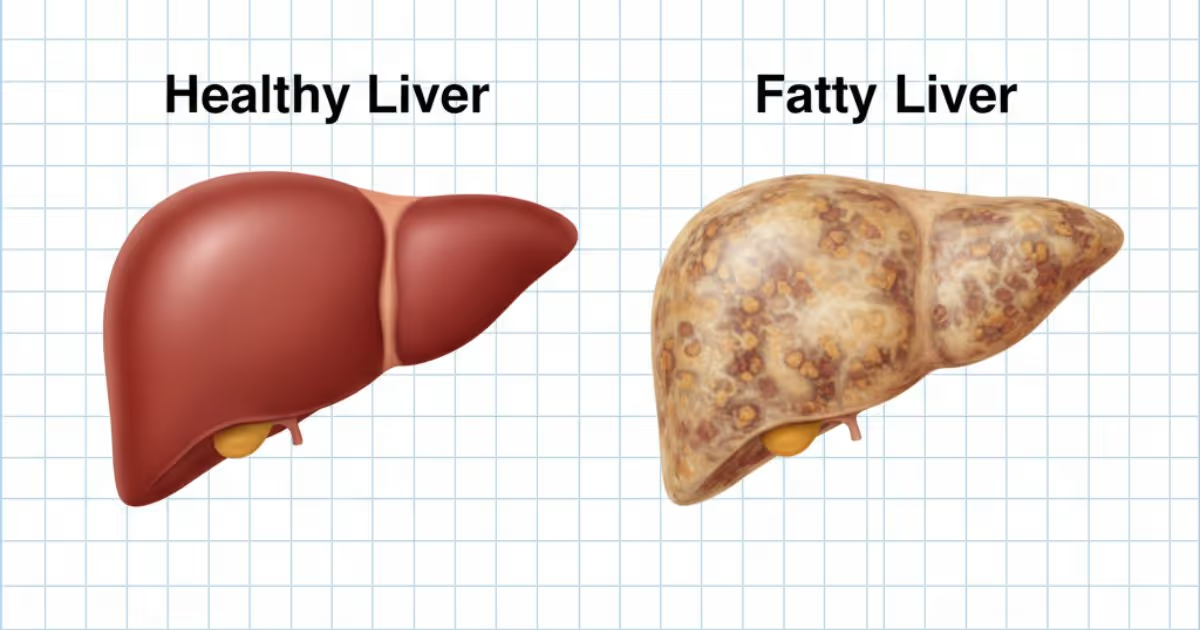
Fatty liver disease, also known as Non-alcoholic Fatty Liver Disease (NAFLD), is a condition in which excess fat accumulates in the liver cells. It can occur even in people who do not consume large amounts of alcohol and is commonly associated with being overweight, high cholesterol, diabetes, and insulin resistance.
In the early stages, many people with fatty liver disease may not experience noticeable symptoms. As a result, the condition is often discovered during routine health checkups or abdominal ultrasound examinations.
Although many patients do not initially develop serious liver problems, some may develop liver inflammation related to fatty liver disease, known as Non-alcoholic Steatohepatitis (NASH). Over time, ongoing inflammation can lead to liver fibrosis (scarring), cirrhosis, and an increased risk of liver cancer.
Fatty liver disease is also closely linked to metabolic conditions and cardiovascular disease, including diabetes, high blood pressure, and obesity. Therefore, it should not be overlooked, even in individuals without symptoms.
Risk Factors for Fatty Liver Disease
Fatty liver disease is commonly associated with weight gain, particularly in individuals with abdominal obesity or metabolic syndrome. Metabolic syndrome refers to a group of conditions that often occur together, including:
- Increased waist circumference (greater than 90 cm in men and 80 cm in women)
- High blood pressure
- High cholesterol or abnormal lipid levels
- High blood sugar levels
Modern lifestyle habits such as consuming high-fat and high-sugar foods, prolonged sitting, and lack of regular exercise have contributed to the increasing prevalence of obesity and fatty liver disease worldwide. These factors may also increase the risk of cardiovascular disease in the long term.
In addition to weight-related and metabolic factors, certain hormonal disorders and medications may also increase the risk of developing fatty liver disease. These include:
- Polycystic Ovary Syndrome (PCOS)
- Thyroid disorders
- Hypopituitarism
- Certain medications, such as Tamoxifen
What Are the Symptoms of Fatty Liver Disease?
Most people with fatty liver disease or fatty liver-related inflammation may not experience noticeable symptoms, especially in the early stages. As a result, many individuals only discover the condition during a routine health checkup.
Doctors may detect abnormal liver enzyme levels through blood tests or identify fat accumulation in the liver during an abdominal ultrasound examination.
In some cases, particularly when liver inflammation or more advanced liver disease develops, patients may experience symptoms such as:
- Fatigue
- Discomfort or fullness in the upper right abdomen
- General abdominal discomfort
However, these symptoms are often non-specific and may not always be directly related to fatty liver disease.
When Should You See a Doctor?
Although many people with fatty liver disease may not have noticeable symptoms, further medical evaluation is recommended if liver abnormalities are detected. This is especially important for assessing liver fibrosis, which is a key factor in determining the long-term risk of liver disease progression.
Your doctor may also evaluate for related conditions that are commonly associated with fatty liver disease, such as:
- Diabetes
- High blood pressure
- High cholesterol
If fatty liver disease is detected during a routine health checkup, or if abnormal liver enzyme levels are found, it is important to consult a doctor for further evaluation and appropriate long-term management of your liver health.
How Is Fatty Liver Disease Diagnosed?
Fatty liver disease is often initially diagnosed through an abdominal ultrasound, which helps evaluate fat accumulation in the liver. Your doctor may also recommend blood tests to assess liver enzyme levels and determine whether liver inflammation is present.
In some cases, additional tests may be needed to rule out other causes of liver inflammation or conditions associated with fat buildup in the liver. The choice of investigations depends on each patient’s condition and risk factors.
Blood Tests
Blood tests may be performed to evaluate liver function and identify related conditions or risk factors associated with fatty liver disease, including:
- Liver enzyme tests to assess for liver inflammation
- Screening tests for hepatitis B and hepatitis C
- Blood sugar and HbA1c testing
- Cholesterol and lipid profile testing
Liver Fibrosis Assessment
One of the most commonly used methods for evaluating liver fibrosis is FibroScan, also known as transient elastography. This non-invasive test measures liver stiffness to help assess the amount of fibrosis or scarring in the liver.
The degree of liver fibrosis is an important factor in determining disease severity and guiding long-term treatment planning. Some newer FibroScan technologies can also estimate the amount of fat accumulation in the liver.
During the procedure, a probe is placed on the skin over the liver to send painless sound waves into the liver tissue. The test is quick, non-surgical, and generally painless.
Liver MRI
In certain cases, your doctor may recommend an MRI combined with specialized liver stiffness measurement techniques to provide additional information about liver fibrosis, particularly when more detailed evaluation is needed.
Liver Biopsy
Liver biopsy is less commonly performed today because newer non-invasive technologies can often evaluate fatty liver disease and liver fibrosis without the need for tissue sampling.
However, in some patients where the cause of liver inflammation remains unclear, a liver biopsy may still be recommended to examine liver tissue under a microscope for a more definitive diagnosis.
How Is Fatty Liver Disease Treated?
Fatty liver disease can improve with appropriate treatment and lifestyle modification. Weight loss is considered the most effective primary treatment because it can help reduce fat accumulation in the liver, liver inflammation, and liver fibrosis.
In addition, weight loss may help improve related conditions that are commonly associated with fatty liver disease, such as diabetes, high blood pressure, and high cholesterol.
In general, doctors often recommend losing approximately 5–10% of the patient’s original body weight, along with long-term lifestyle changes such as:
- Eating a healthy, balanced diet while reducing sugary and high-fat foods
- Exercising regularly
- Maintaining a healthy weight and waist circumference
- Limiting or avoiding alcohol consumption
Lifestyle Changes
Lifestyle changes are one of the most important parts of managing fatty liver disease, especially in people who are overweight or have diabetes, high cholesterol, or metabolic syndrome.
In many cases, improving daily habits can help reduce fat buildup in the liver and lower the risk of liver inflammation, fibrosis, and long-term liver complications.
Recommended lifestyle changes include:
- Maintaining a healthy body weight
- a balanced diet with less sugar, fried foods, and saturated fat
- Exercising regularly
- Limiting or avoiding alcohol consumption
- Managing related conditions such as diabetes, high blood pressure, and high cholesterol
- Getting enough sleep and reducing sedentary behavior
Even if fatty liver disease does not cause symptoms in the early stages, early lifestyle modification may help prevent disease progression and improve long-term liver health.
A note from MedPark's doctor
Fatty liver disease is becoming increasingly common, and many people may not realize they have it until it is discovered during a routine health checkup.
Although early-stage fatty liver disease may not immediately cause serious liver damage, untreated inflammation over time can lead to liver fibrosis, cirrhosis, and other liver-related complications.
The good news is that fatty liver disease can often improve with appropriate lifestyle changes, especially when detected early. Weight management, regular exercise, healthy eating habits, and proper control of underlying medical conditions all play an important role in protecting liver health.
If you have been diagnosed with fatty liver disease, it is important to follow up with your doctor for proper evaluation and long-term care.
Frequently Asked Questions (FAQ)
- Q: Is fatty liver disease dangerous?
A: In its early stages, fatty liver disease may not cause serious symptoms or liver damage. However, in some people, it can progress to liver inflammation, fibrosis, cirrhosis, or even liver cancer if left untreated. - Q: Can fatty liver disease be reversed?
A: Yes. In many cases, fatty liver disease can improve through weight loss, regular exercise, healthy eating habits, and proper management of related conditions such as diabetes or high cholesterol. - Q: Can skinny people get fatty liver disease?
A: Yes. Fatty liver disease can also occur in people who are not overweight, especially those with diabetes, high cholesterol, or poor lifestyle habits. - Q: Should people with fatty liver disease avoid alcohol?
A: Limiting or avoiding alcohol is generally recommended, as alcohol may worsen liver inflammation and increase the risk of liver damage. - Q: What should I do if fatty liver disease is found during a health checkup?
A: You should consult a doctor for further evaluation, including assessment of liver health and screening for related conditions such as diabetes, high blood pressure, and high cholesterol. - Q: What is MASLD?
A: MASLD stands for Metabolic dysfunction-associated steatotic liver disease. It is a newer medical term that is increasingly being used instead of NAFLD to better reflect the metabolic causes of fatty liver disease.