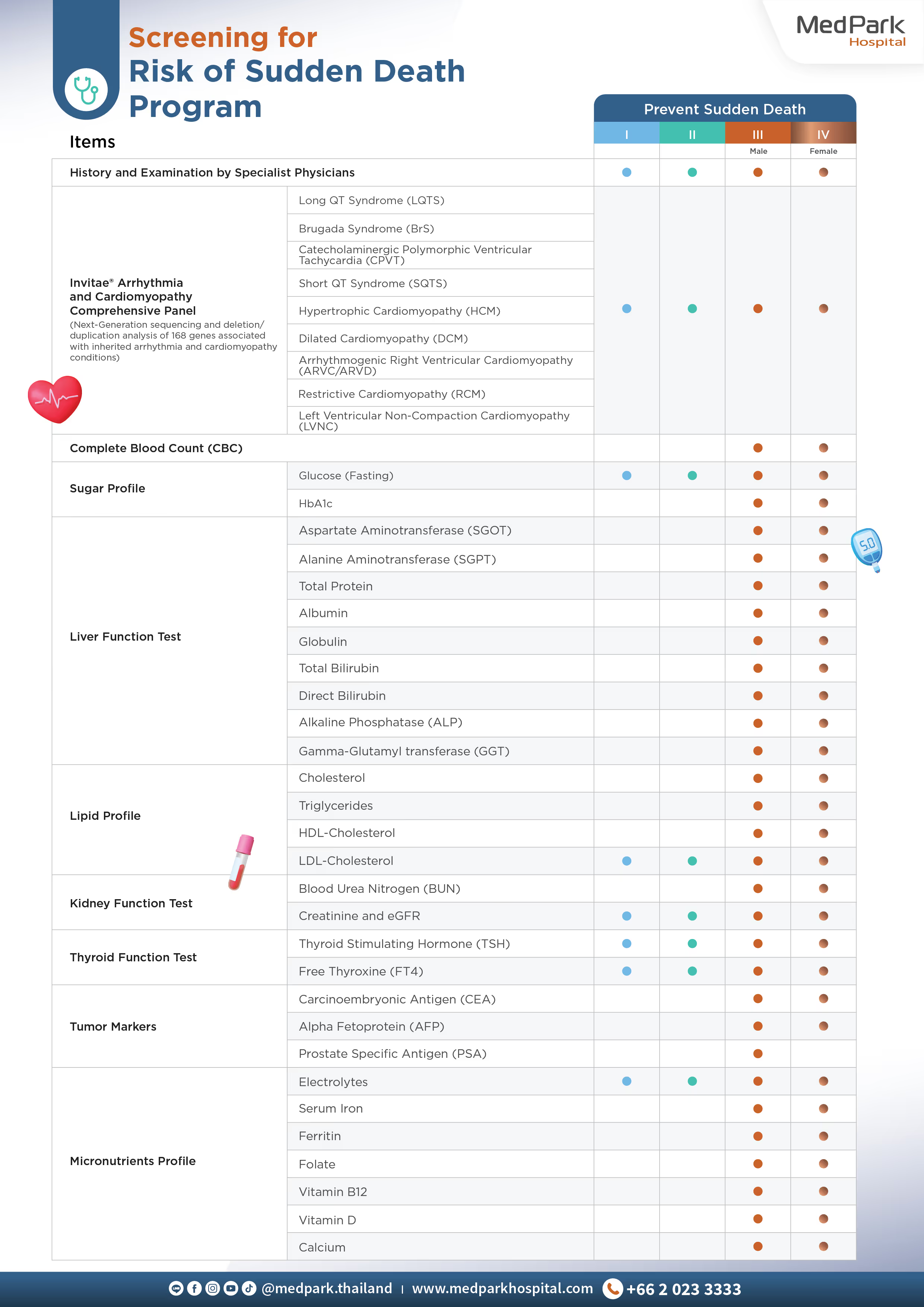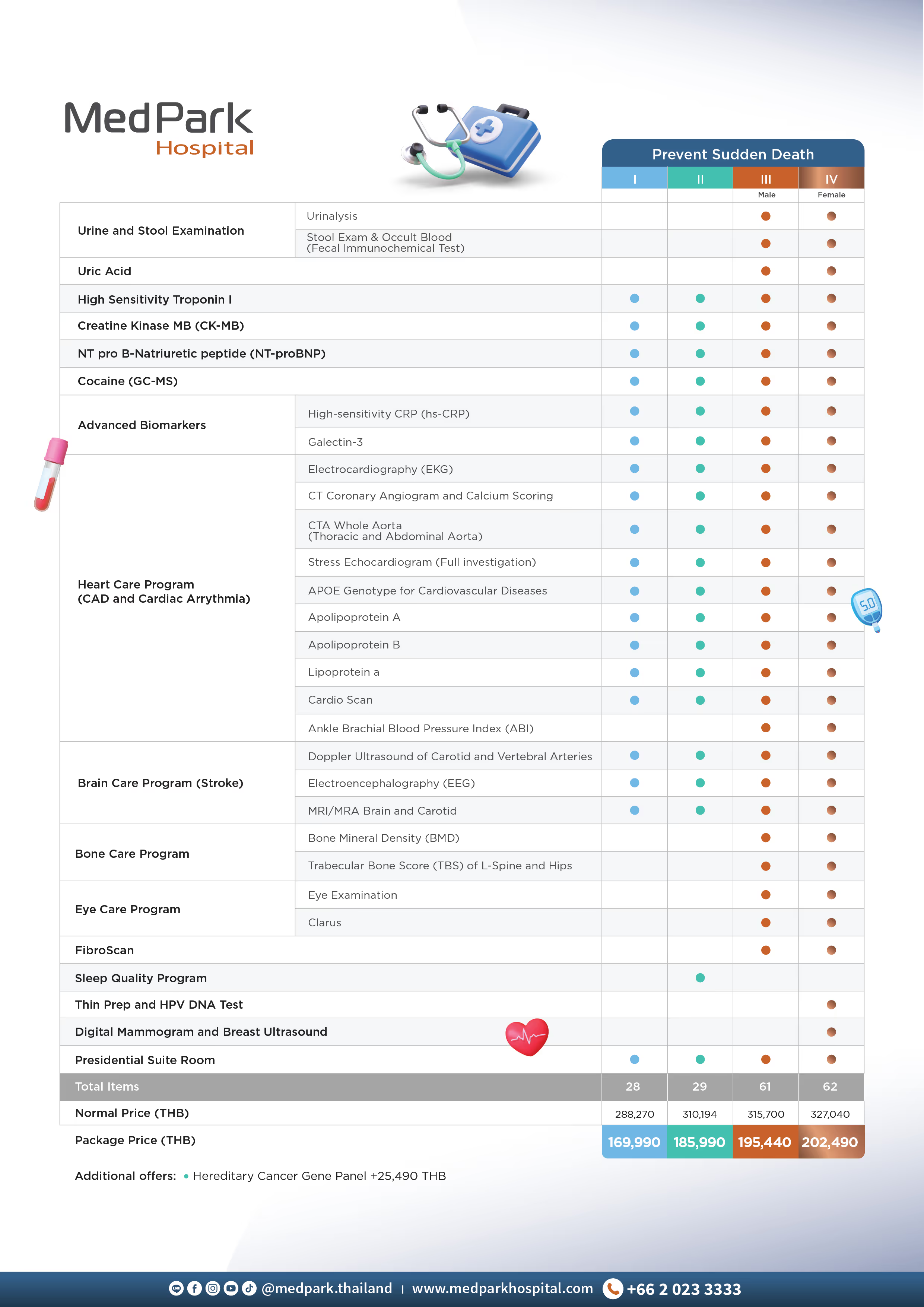



Screening for Risk of Sudden Death Program
What is Sudden Death?
Sudden death is often perceived as a condition affecting older adults or people with underlying health conditions. However, sudden, life-threatening events can occur even in younger individuals who appear healthy, exercise regularly, or have never been diagnosed with a serious medical condition.
Some risk factors may cause no obvious symptoms and may go undetected during routine health checkups. These may include coronary artery disease, cardiac arrhythmias, inherited cardiomyopathies, cerebrovascular abnormalities, blood clots, and sleep apnea.
The question is not, “Do you feel healthy today?” but rather, “What health risks might you be unaware of?”
Annual Checkups. Are They Enough?
Annual health checkups play an important role in assessing health and detecting common diseases. However, routine screenings are not designed to identify every risk factor associated with sudden, life-threatening events.
The Screening for Risk of Sudden Death Program takes a targeted screening approach, providing an in-depth assessment of risk factors across multiple organ systems. Evaluations are conducted by medical specialists to help identify underlying abnormalities that may not cause noticeable symptoms.
- A blood test panel is curated to accurately identify the underlying causes of cardiovascular disease and genetic risk factors.
- High-sensitivity troponin I and creatine kinase-MB (CK-MB) are markers of myocardial ischemia and acute myocardial infarction.
- NT-proBNP is a biomarker of heart failure that raises the risk of sudden cardiac arrest.
- ApoA1, ApoB, and Lipoprotein (a) help gauge the risk of atherosclerosis, a common cause of coronary artery disease and heart failure.
- APOE Genotype evaluates a hereditary risk factor for coronary artery disease and cerebrovascular disease.
- Abnormal Blood Clot Risk Screening Panel. This screening panel evaluates your risk of developing intravascular blood clots that may travel through the bloodstream and obstruct blood vessels in vital organs. Such events can lead to serious conditions, including stroke when blood flow to the brain is interrupted, myocardial infarction when the coronary arteries are affected, or pulmonary embolism when the veins are affected — all of which are major causes of sudden death.
>> The program comprehensively assesses thrombosis risk through genetic testing and evaluation of key proteins involved in the body’s coagulation system, detecting underlying abnormalities that may otherwise go unnoticed. These include:
- Factor V Leiden Mutation: Detects a genetic mutation associated with an increased tendency for intravascular blood clotting
- Factor VIII Assay: Measures the level of a clotting protein; elevated levels may increase the risk of thrombosis
- Antithrombin III, Protein C, and Protein S: Natural anticoagulant proteins; deficiencies or dysfunction can increase the likelihood of abnormal clot formation
- Lupus Anticoagulant: Identifies immune-related abnormalities associated with an increased risk of clotting in contradistinction to its name, particularly in antiphospholipid syndrome (APS)
- Imaging and Functional Tests to identify risk factors related to cardiovascular disease and neurological and cerebrovascular disorders
- Coronary CTA and Calcium Scoring detect coronary artery narrowing or extent of coronary calcification, assess the presence of coronary artery disease, a leading cause of acute myocardial infarction and sudden death.
- Stress Echocardiogram compares cardiac performance at rest and after exercise, evaluates myocardial contractility, and identifies areas of myocardial ischemia.
- CTA of the Whole Aorta (Thoracic and Abdominal Aorta) diagnoses aortic dissection and abdominal aortic aneurysm (AAA).
- Doppler Ultrasound of the Carotid and Vertebral Arteries evaluate velocity and direction of blood flow and identifies narrowing or blockages of main neck arteries that supply blood to the brain.
- MRI/MRA Brain and Carotid detects narrowing, occlusion, or aneurysmal dilatation of cerebral vessels that may lead to stroke.
- EEG Short Monitoring assesses brain function and detects abnormal brain wave activity, such as epilepsy or unexplained seizures.
- Heart’s Activities Monitoring with Cardio Scan. To detect sporadic heart rhythm abnormalities that a standard electrocardiogram (ECG) may miss.
- Genetic Testing. To analyze genetic sequences and detect deletions or duplications in 168 genes associated with inherited cardiac arrhythmias and hereditary cardiomyopathies, including Long QT Syndrome (LQTS), Short QT Syndrome, Brugada syndrome, polymorphic ventricular tachycardia, dilated cardiomyopathy, arrhythmogenic right ventricular cardiomyopathy, restrictive cardiomyopathy, and left ventricular noncompaction cardiomyopathy.
- Sleep Test. A comprehensive sleep study that continuously monitors brain wave activity, heart rhythm, breathing, and blood oxygen saturation levels to identify sleep-related disorders, including obstructive sleep apnea, a condition that places acute strain on the heart and leads to left ventricular hypertrophy over time. It also assists in the diagnosis of epilepsy and other neurological abnormalities.
Screening for Risk of Sudden Death Program
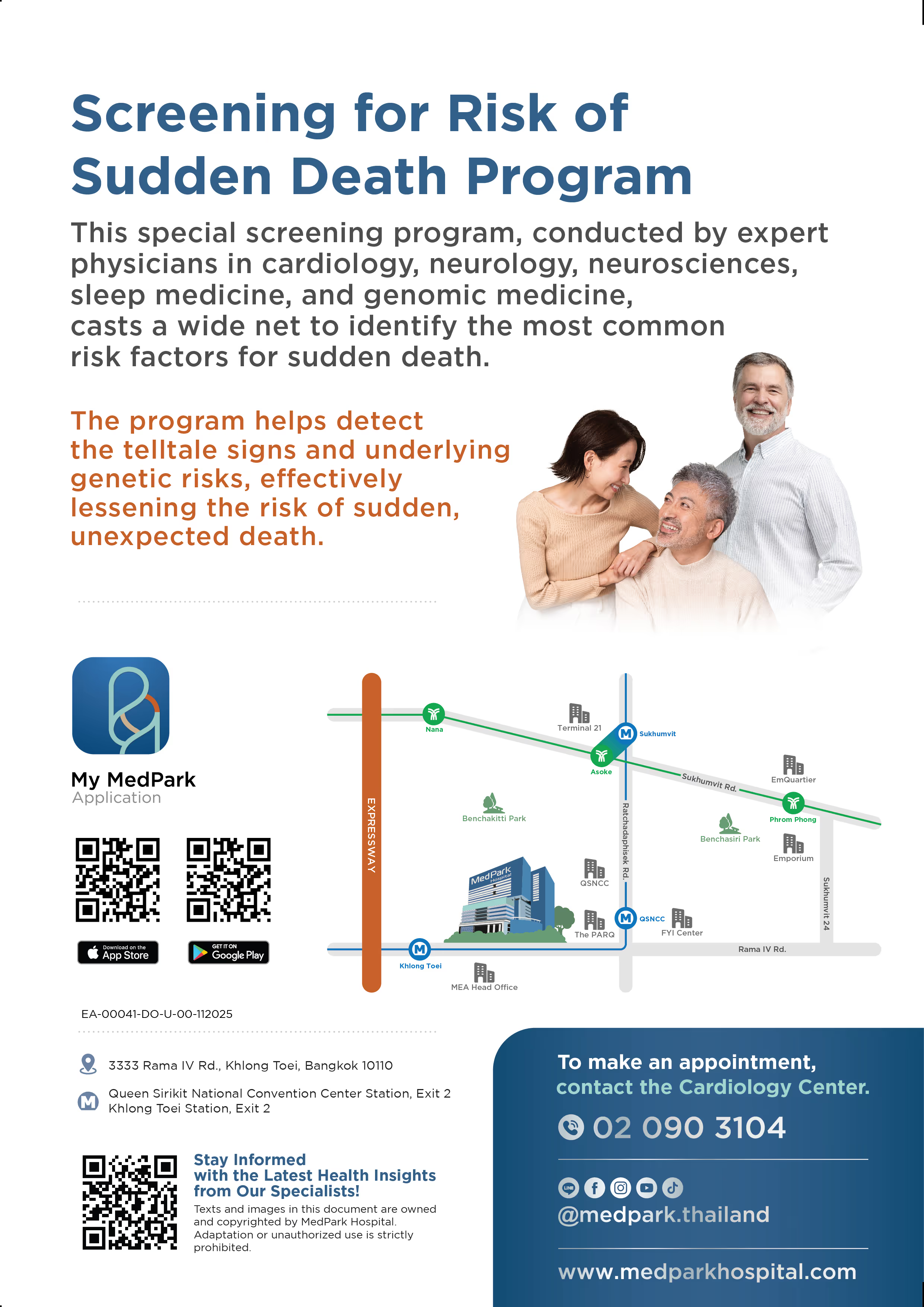
This special screening program, conducted by expert physicians in cardiology, neurology, neurosciences, sleep medicine, and genomic medicine, casts a wide net to identify the most common risk factors for sudden death. The program helps detect the telltale signs and underlying genetic risks, effectively lessening the risk of sudden, unexpected death.