





Sudden Death: A Silent Threat—Understanding the Causes, Risk Factors, and Preventive Measures
In recent years, we have frequently seen heartbreaking news of professional athletes, who appeared perfectly healthy, suddenly collapse and pass away during major sports competitions. Similarly, many young actors and celebrities have lost their lives unexpectedly without any warning signs.
These incidents are not far from you as they may seem. Sudden death, a condition that causes immediate loss of life during daily routines or sleep, is becoming an increasingly common silent threat in modern society.
Sudden Death: A Silent Threat Claiming Lives Worldwide
Reports from around the Globe indicate that sudden death caused by sudden cardiac arrest (SCA) accounts for approximately 15–20% of all deaths worldwide. Even more alarming is the incidence among young athletes under the age of 35, estimated to be 1.21 cases per 100,000 individuals per year.
In Thailand, data from the Ministry of Public Health show that in 2022, cardiovascular diseases claimed approximately 70,000 lives or an average of 8 deaths every hour. On a global scale, cardiovascular diseases are responsible for up to 20 million deaths. Over 80% of these premature deaths are preventable.
To raise awareness and promote vigilance against this silent threat that leads to such devastating loss, this article takes an in-depth look at sudden death. We will explore both common causes and often-overlooked underlying factors, identify individuals at risk who may be unaware of their vulnerability, and discuss practical strategies to help reduce the risk of sudden loss of life.

What Is Sudden Death?
Sudden death refers to a condition in which vital organs, including the heart, brain, or vascular system, abruptly and catastrophically cease to function, resulting in immediate death or death occurring within one hour of symptom onset. In many cases, there are no prior warning signs. Sudden death can occur at any time and may affect individuals of any age or gender.
What Causes Sudden Death?
Doctors have identified primary causes of sudden death, which stem from dysfunctions within key organs and certain bodily systems. These critical systems and underlying causes include:
- Heart and circulatory system: Cardiac arrhythmias, myocardial ischemia, acute myocardial infarction, hypertrophic cardiomyopathy, congenital heart disease, and acute cardiac arrest.
- Brain and cerebral blood vessels: Subarachnoid hemorrhage (SAH), intracerebral hemorrhage (ICH), sudden unexpected death in epilepsy (SUDEP), and ruptured cerebral artery aneurysm.
- Aorta: Aortic dissection and ruptured abdominal aortic aneurysm (AAA).
- Lungs and respiratory system: Pulmonary embolism (PE).
Global mortality data indicate that more than 70% of sudden deaths are attributable to cardiovascular disease, with cerebrovascular disease ranking as the second leading cause. This pattern is particularly prevalent in Southeast Asian populations and among Japanese men.

Diseases and Disorders Associated with Sudden Death
Medical research indicates that specific health conditions, whether inherited or acquired, play an outsized role in increasing the risk of sudden death. These conditions are classified in the following age-related categories:
Individuals younger than 45 years
- Cardiac electrical system abnormalities, such as:
- Catecholaminergic Polymorphic Ventricular Tachycardia (CPVT)
- Long QT syndrome
- Brugada syndrome
- Hypertrophic cardiomyopathy
- Sudden unexpected death in epilepsy
Individuals aged 45 years and older
- Coronary artery disease (CAD)
- Structural heart disease
- Heart failure
- Stroke and Transient Ischemic Attack
At present, many of these conditions can be detected and managed with proactive health screening that identifies potential risks and preventive strategies that minimize the likelihood of sudden death, a leading cause of premature mortality.
Who Should Undergo Screening for the Risk of Sudden Death?
Screening for the risk of sudden death is advisable for the following individuals:
- Individuals who wish to undergo Brugada syndrome screening or assess their risk of sudden death, regardless of age
- Athletes, runners, and individuals who engage in high-intensity physical activity regularly, regardless of age
- Individuals with a family history of Brugada syndrome or unexplained sudden death
- Individuals with underlying heart disease, particularly inherited cardiac conditions such as hypertrophic cardiomyopathy, congenital structural heart abnormalities, or Long QT syndrome
- Individuals who experience recurrent syncope, chest pain, shortness of breath, or strong palpitations, especially during physical exertion
- Individuals with certain chronic medical conditions, including diabetes mellitus, hypertension, or hyperlipidemia
What Is the Sudden Death Risk Screening Program?
Screening for risk of sudden death program is a targeted preventive health program designed to identify an individual’s risk of sudden death. It provides a comprehensive evaluation of major organ systems, including the heart, brain, lungs, blood vessels, and genetic risk factors. Going beyond routine annual health checkups, the program aims to reduce the risk of severe illness and unexpected loss.
What does the screening for risk of sudden death program MedPark Hospital Include?
Screening for risk of sudden death program includes comprehensive evaluations ranging from cardiovascular and cerebrovascular assessments of individuals for heart disease or stroke to advanced diagnostic testing for those with a family history of cardiac conditions or Brugada syndrome. The program may include genetic testing to identify inherited cardiac disorders and sleep test, depending on the individual’s risk profile.
1. Blood Tests
Blood Tests evaluate biomarkers associated with cardiovascular disease, including:
- Cardiac injury biomarkers (hs-Troponin I and CK-MB) tests can detect myocardial injury. Elevated levels of hs-Troponin I and CK-MB may indicate myocardial ischemia or acute myocardial infarction, both of which are major causes of cardiac arrest.
- Cardiac dysfunction biomarkers (NT-proBNP) tests can evaluate cardiac function and assess the risk of sudden cardiac arrest.
- Cholesterol and lipoprotein profile (LDL-C, ApoA1, ApoB, and lipoprotein (a)) can assess the risk of atherosclerosis, which is a major contributor to coronary artery disease and myocardial infarction.
- Electrolytes to evaluate fluid balance, ionized minerals, and acid-base status, which are critical for the cardiac conduction system. Electrolyte imbalances may precipitate arrhythmias and cardiac arrest.
- Thyroid function tests (TSH and Free T4) help detect thyroid disorders such as hyperthyroidism, which can directly affect heart rate and may cause a rapid or irregular heartbeat, leading to dangerous arrhythmia.
- Blood glucose test can detect diabetes mellitus, a major risk factor for organ damage, particularly coronary arteries, leading to coronary artery disease and heart failure.
2. Imaging and Functional Tests
- Coronary computed tomography angiography (Coronary CTA) and CT Calcium Score utilize a 3D CT scan to image narrowing or blockages in the coronary arteries. These procedures can quantify calcium deposits in the arterial walls from the early stages, helping to assess the risk of coronary artery disease, the primary cause of myocardial infarction and sudden cardiac death.
- CT whole aorta is a CT scan for a detailed examination of the entire aorta from the chest down to the mid-abdomen. It can detect aortic dissection or aortic aneurysm, both of which could lead to a fatal rupture and sudden death.
- Stress echocardiogram uses ultrasound imaging to evaluate cardiac function during physical exertion on a treadmill or stationary bicycle. The test assesses myocardial contraction and diastolic relaxation under stress, helping to identify exercise-induced myocardial ischemia, which can lead to acute cardiac arrest.
- Doppler ultrasound of the carotid/Vertebral arteries is performed to detect neck artery narrowing or stenosis that contributes to stroke, one of the significant causes of sudden death or acute loss of consciousness.
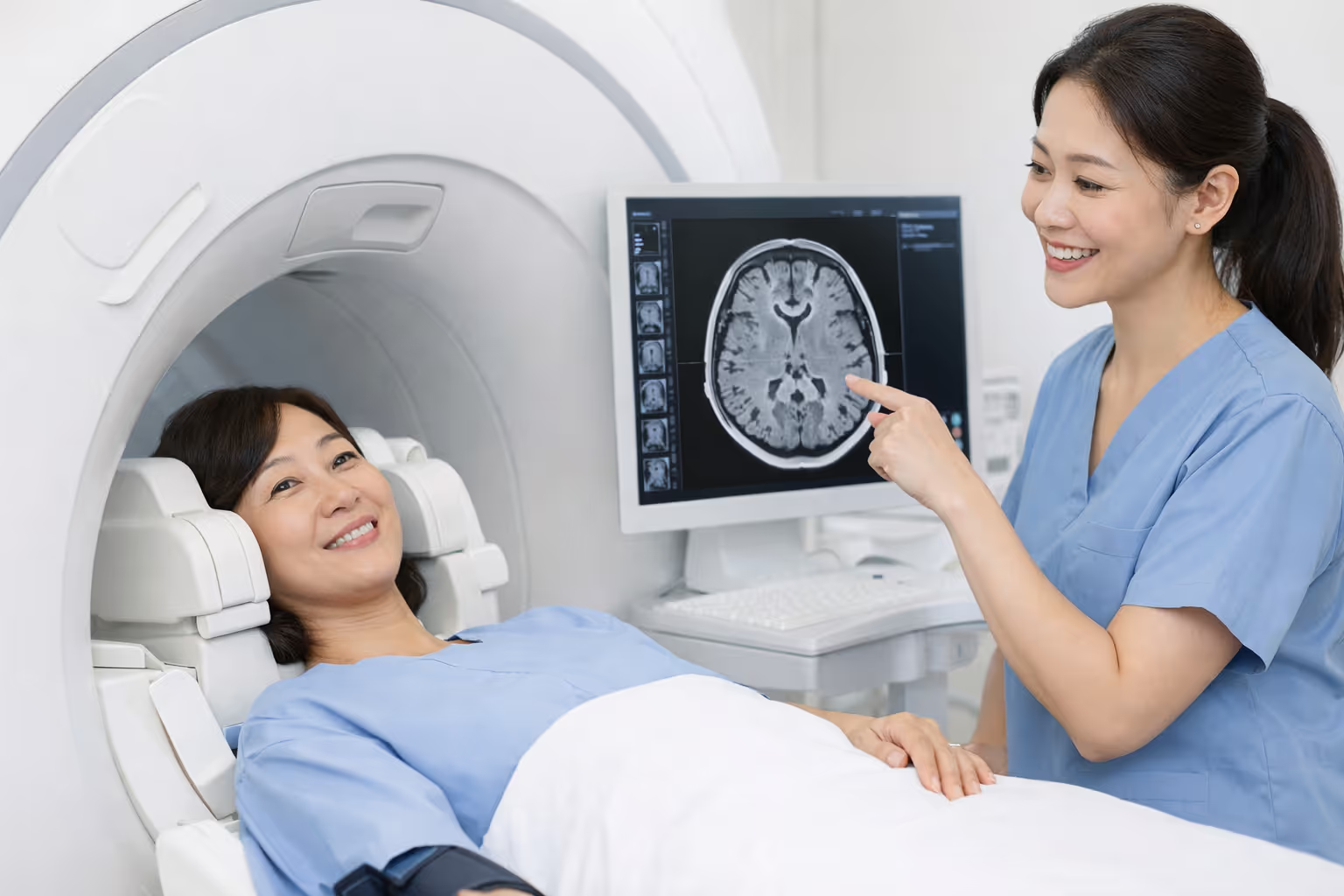
- MRI/MRA Brain and Carotid provides a detailed examination of brain tissue and cerebral and neck blood vessels in a strong electromagnetic field. These procedures help identify causes of unexplained loss of consciousness and detect cerebral aneurysms, stenosis, ruptures, occlusions, which are major causes of paralysis and sudden death.
- Short-term EEG monitoring can detect abnormal electrical activity in the brain and determine its locus. This test aids in diagnosing neurological conditions that may cause syncope or epilepsy.
3. Heart Rhythm Monitoring
- Heart’s Activities Monitoring with Cardio Scan. To detect sporadic heart rhythm abnormalities that a standard electrocardiogram (ECG) may miss.
4. Genetic Testing
Genetic testing analyzes pathogenic gene variants to identify inherited conditions, such as:
- Genetic testing for mutations in the SCN1B, CACNA1C, CLCN1, or KCNE3 genes, the causes of channelopathies that disrupt the cardiac electrical conduction system, cardiac arrhythmia, and Brugada Syndrome.
- Genetic testing for mutations in the MYBPC3, MYH7, TTN, LMNA, or PKP2 genes, which are associated with cardiomyopathies with impaired systolic contraction and diastolic relaxation. These conditions may progress to heart failure and increase the risk of sudden cardiac death.
- APOE genotype testing can help identify high-risk gene variants for cardiovascular disease, cerebrovascular disease, or atherosclerosis. These conditions can lead to heart attacks, strokes, and sudden death.
Why Choose MedPark Hospital for Screening for Risk of Sudden Death Program?
- A team of specialists in cardiology, neurology, and pulmonology collaborates with doctors across more than 40 subspecialties to efficiently identify underlying causes of complex diseases.
- A team of expert geneticists runs our ISO 15189 and ISO 15190-certified clinical laboratory and high-performance genomic laboratory. Leveraging cutting-edge biotechnology, we deliver rapid results and precise mutation identification, enabling early detection of hereditary risks before clinical onset.
- State-of-the-art diagnostic equipment, such as CT scans, MRIs, short-term EEG monitoring, and stress echocardiograms, enables comprehensive identification of risk related to sudden death.
- Review your results in real-time with your doctor via the My MedPark app. Created with a patient-centric approach in mind, the app delivers fast and easy-to-understand results that empower your doctor to design a more effective, personalized care plan.
- Comprehensive medical services in one location, offering health screenings, specialist consultations, advanced diagnostics, treatment of complex conditions, and post-treatment rehabilitation to help you regain your quality of life.

Sudden Death: A Silent Threat That is Preventable
International research indicates that essential health screening, such as ECG testing in athletes, can reduce mortality rates by up to 90%. Moreover, screening for abdominal aortic aneurysm (AAA) can lower disease-specific mortality by as much as 35%.
Although sudden death is a silent threat, it is preventable through targeted preventive health screening. It is time to shift our perspective from “reactive” to “proactive,” so that we can live with confidence, peace of mind, and freedom from health concerns.
Consult our specialists in sudden death prevention:
Cardiology Center, MedPark Hospital
Tel. +66 2 090 3104 or Call Center +66 2 023 3333
FAQ
- What is the difference between Sudden Death and Sudden Cardiac Death (SCD)?
Sudden death refers to an unexpected death caused by a sudden failure of a vital organ such as the heart, brain, or lungs. Sudden cardiac death (SCD), on the other hand, specifically refers to a sudden death resulting directly from a cardiac cause, such as arrhythmia or acute myocardial infarction. - Why is a sleep test important?
Obstructive sleep apnea significantly increases the risk of sudden cardiac arrest by as much as 2.57 times. A sleep test enables an accurate diagnosis and personalized treatment plan. - How should I prepare for sudden death risk screening?
The screening involves blood tests, which require fasting for at least 8–10 hours (small sips of water are allowed). For certain tests, such as an exercise stress test, avoid caffeinated beverages for at least 24 hours. If you are taking any regular medications, please inform your doctor in advance. - How long does sudden death risk screening take? Is hospitalization required?
The cost of screening for the risk of sudden death program varies depending on the selected program and diagnostic tests. The evaluation typically takes approximately half a day to one full day to complete. If the program includes a sleep study, you may be required to stay overnight in the hospital so that your sleep patterns can be thoroughly monitored and evaluated. - What is the starting cost of sudden death risk screening?
The starting cost of screening for the risk of sudden death program varies depending on the selected program and diagnostic tests. For detailed pricing information and the latest promotions, contact MedPark Hospital to contact a hospital representative.