





Training Hard but Still in Pain?
Many marathon runners, triathletes, and HYROX athletes have found themselves in a familiar situation: training through pain instead of taking time to recover because they are afraid of losing fitness, of missing a race they have already signed up for, or of believing it will get better on its own.
However, if the pain lasts longer than two or three days, starts interfering with your daily activities, or is accompanied by persistent swelling, it may be a sign that you are dealing with more than just normal post-workout soreness. Continuing to push through the pain could turn a minor injury into a more serious one and may even sideline you for the rest of the racing season.
In this Special Scoop, we spoke with Dr. Pannika Prachgosin (Dr. Pan), a physiatrist, who clarified common questions about recovering from exercise-related injuries – from learning how to recognize the signs of an injury and understanding the different stages of recovery to exploring rehabilitation strategies that not only treat the current injury but also help you regain strength and come back stronger than before.

Is It Normal Muscle Soreness or a Real Injury? Know the Difference Before Returning to Training
For athletes who train regularly at high intensity, one common question is whether the pain they feel after a workout is muscle soreness or a sign of an injury. Dr. Pan explains:
"If it's just muscle soreness, it's most likely delayed onset muscle soreness (DOMS), which typically develops within 24–48 hours after exercise and resolves on its own within 72 hours. A simple way to tell the difference is to rest for a day or two. If the discomfort improves, it's likely DOMS. However, if the pain persists, worsens, or is accompanied by swelling, or if you sustain a more serious injury, such as an ankle sprain that makes it difficult to walk, you should see a doctor."
The 3 Stages of Exercise Injury Recovery
Dr. Pan explains that exercise injury recovery can generally be divided into three stages. However, not everyone needs to go through all stages. The recovery process depends on the severity of the injury. The three stages of exercise injury recovery are as follows:
Stage 1: Acute Phase — The First Week After Injury
"The acute phase typically occurs within the first week post-injury. During this period, tissue inflammation manifests through swelling, redness, and warmth. Rehabilitation focuses on relieving pain, reducing inflammation, and preventing further injury. Management typically includes anti-inflammatory medications and physical therapy for pain relief, taming inflammation, and preventing further injury. Supportive devices may also be used, such as a brace for an ankle sprain or a walking boot for more severe injuries."
Stage 2: Tissue Healing Phase
Once the pain and inflammation are under control, the focus shifts to healing the injured tissue. For moderate and severe injuries, the affected tissues are often unprepared to return to their normal level of activity. Patients begin targeted exercises to enhance connective tissue and muscle healing back to almost pre-injury levels during this stage. Physical therapy equipment may also be used to stimulate the body's natural healing process to effect faster tissue repair.
Stage 3: Strengthening Phase
"The final stage focuses on restoring strength in the injured area. We develop a rehabilitation plan to help patients return to their pre-injury level of function or even surpass it. This stage emphasizes resistance training, along with sport-specific rehabilitation tailored to the activities they plan to return to. For patients who can exceed their pre-injury performance, our goal is to help them reach that level."
Patients with minor injuries may require only the first stage of rehabilitation before returning to exercise. Those with more severe injuries typically progress through all three stages to restore strength and function, ensuring the injured area is ready to withstand the physical demands of the chosen sport.

The Best Injury Prevention Starts with Proper “Preparation”
"If your goal is to reduce the risk of injury, preparation should begin long before race day. A well-structured training program helps lower the risk of injury during competition. With adequate training, your muscles gain the strength and endurance needed for physical activities, while your cardiovascular fitness improves accordingly. By the time you compete, your risk of injury will be significantly lower than that of someone who hasn't prepared sufficiently. The more physically demanding and intense the sport or event you plan to participate in, the more time you need to prepare. For events such as marathons, triathlons, or even HYROX, preparation may take 3–6 months. It takes time for your muscles to develop the strength and endurance needed to perform at that level. In general, the more demanding the event, the longer your preparation should be. Exactly how long you need also depends on your fitness level when you start training."
Dr. Pan stresses that proper preparation before training or competition is the most effective way to prevent injuries.
In addition to training, Dr. Pan also highlights two key factors that should never be overlooked.
Stretching
"Many people ask whether they should stretch before exercising. The answer is yes. Stretching is an important part of preparing your muscles for physical activity. Imagine you've been sitting at a desk all day, and then you head straight to the gym to lift weights. Your muscles have become tight from prolonged sitting. Beginning your workout with tight muscles can increase the risk of injury. The types of stretching you do should depend on the activity you're about to perform. If you're lifting weights, static stretching may be appropriate because the exercises themselves don't involve as much movement. If you're going for a run, however, dynamic stretching is the better choice."
Nutrition
"One thing many people tend to overlook is nutrition. Nutrition is just as important. Eating well and getting adequate nutrition are essential in preparing your body for exercise. In the days leading up to a competition, I recommend choosing complex carbohydrates, such as whole grains and oats. They provide a more sustained energy source stored as muscle glycogen compared to refined carbohydrates like white rice, ensuring energy reserves are available for competition."

Injury Doesn't Have to End Your Fitness Journey. You Can Bounce Back Stronger
Although proper preparation can significantly reduce the risk of injury, injuries are not always avoidable in sports. What is important is not simply staying injury-free, but having a comprehensive rehabilitation system in place to support your recovery and help you return to sport with confidence.
"At MedPark Hospital's Physical Medicine and Rehabilitation Center, many doctors have extensive experience caring for professional athletes. Our physical therapists have also worked with sports professionals, and our center is equipped with a comprehensive range of rehabilitation equipment."
We provide comprehensive care for patients recovering from sports- and exercise-related injuries throughout every stage. Our multidisciplinary team includes physiatrists, physical therapists, and dietitians, offering services as follows:
1. Pre-Exercise Assessment Program
Designed for individuals planning to begin structured training or returning to sports after recovering from an injury. You can start your assessment at the Physical Medicine and Rehabilitation Center, 5th Floor, Counter B. Our physiatrists will evaluate and coordinate referrals to the appropriate departments and services, including:
- Exercise Stress Test (EST): Evaluates heart and cardiovascular function during exercise to screen for cardiovascular disease and assess your exercise capacity.
- Body Composition and Bone Density Analysis (DXA Scan): Measures body composition, including regional muscle mass and body fat distribution, to identify muscle imbalances and guide personalized exercise programs, nutrition planning, and daily energy expenditure calculations.
2. Personalized Rehabilitation Technologies
Our physiatrists carefully select advanced physical therapy technologies according to the stage of injury and tailor each treatment to your individual needs.
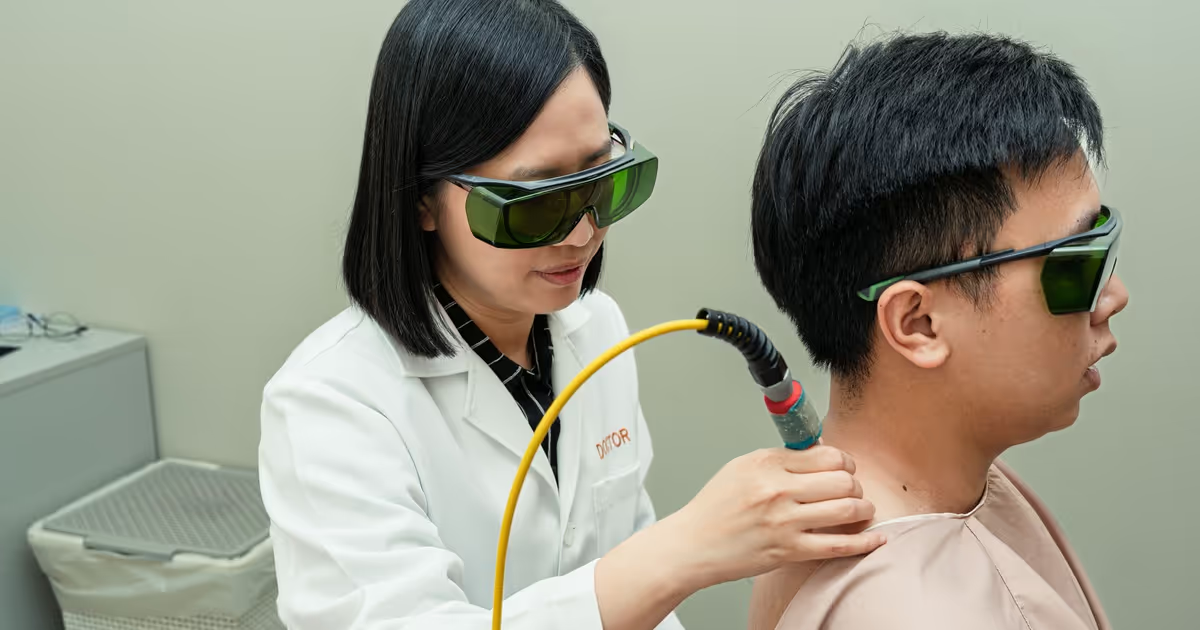
- Acute Inflammation Management: Cryotherapy, combined with high-intensity laser therapy, helps reduce swelling and provide rapid pain relief.
- Tissue repair and recovery: Peripheral magnetic stimulation (PMS), therapeutic ultrasound, and radiofrequency therapy are used to promote tissue repair.
- Chronic injury management: Shockwave therapy delivers targeted acoustic waves to poorly healing tissues, promoting tissue regeneration and healing.
- Hydrotherapy: Uses water buoyancy to enable athletes recovering from surgery or severe injuries to begin mobility, balance, and gait training earlier without bearing full body weight.
3. Customized Sports Nutrition Planning
Beyond pre-exercise assessments and rehabilitation at every stage of recovery, individuals preparing for competition can also consult MedPark's registered dietitians for customized sports nutrition guidance. Services range from calculating your daily protein requirements to developing nutrition plans for pre-competition training and recovery phases. Each plan is tailored to support muscle development and optimize body composition based on your individual goals.