


Santi Kulpatcharapong 6

AI-assisted colonoscopy enhances the detection of abnormal polyps

Technological advancements have made available artificial intelligence (AI) powered by deep machine learning to augment colonoscopy. This cutting-edge innovation provides real-time alerts and aids in determining whether detected polyps are potentially

Share

AI-assisted colonoscopy enhances the detection of abnormal polyps

Gastrointestinal disorders range from mild, self-limited to more serious illnesses that may pose health risks and diminish quality of life.

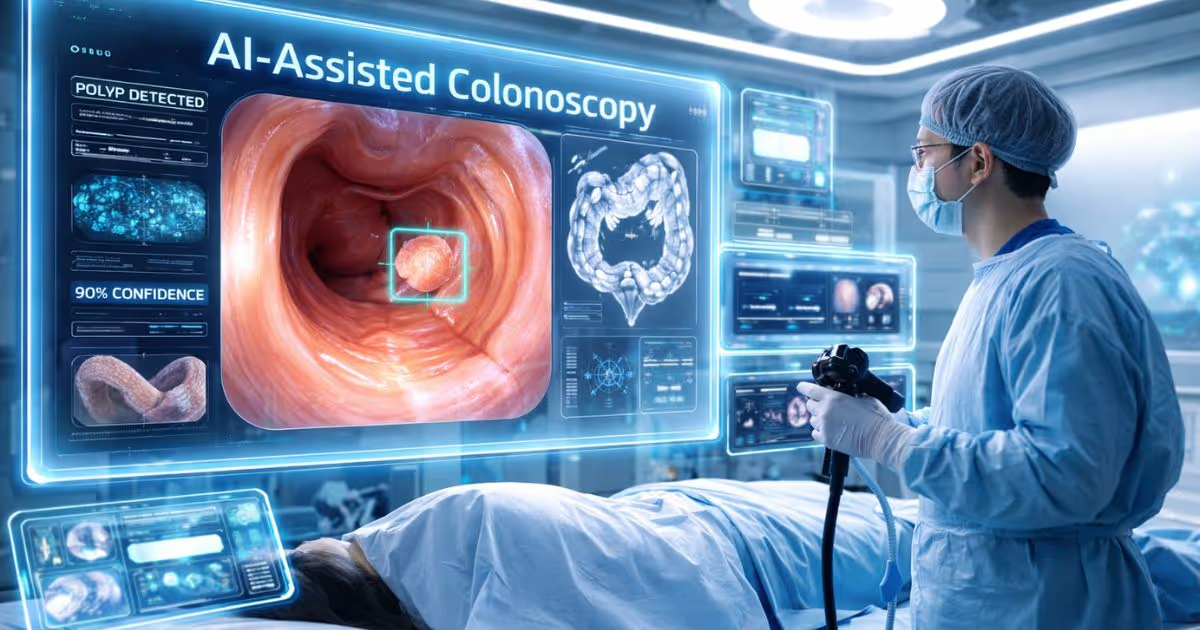
Today, technological advancements have made available artificial intelligence (AI) powered by deep machine learning to augment colonoscopy. This cutting-edge innovation provides real-time alerts and aids in determining whether detected polyps are potentially harmful.
Santi Kulpatcharapong 5

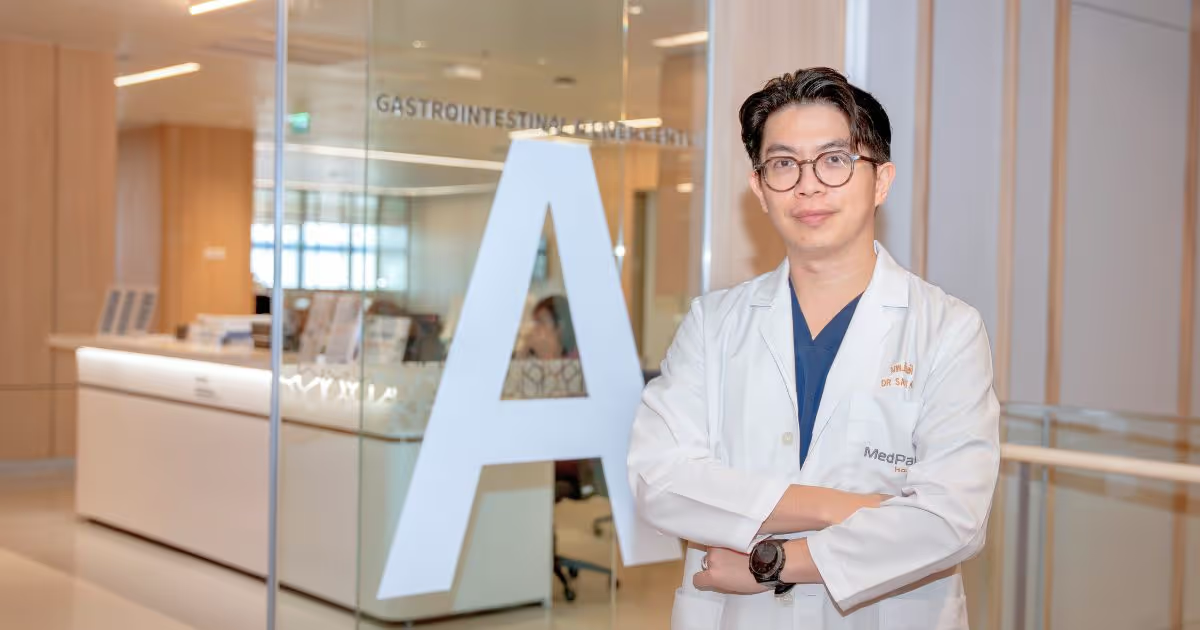
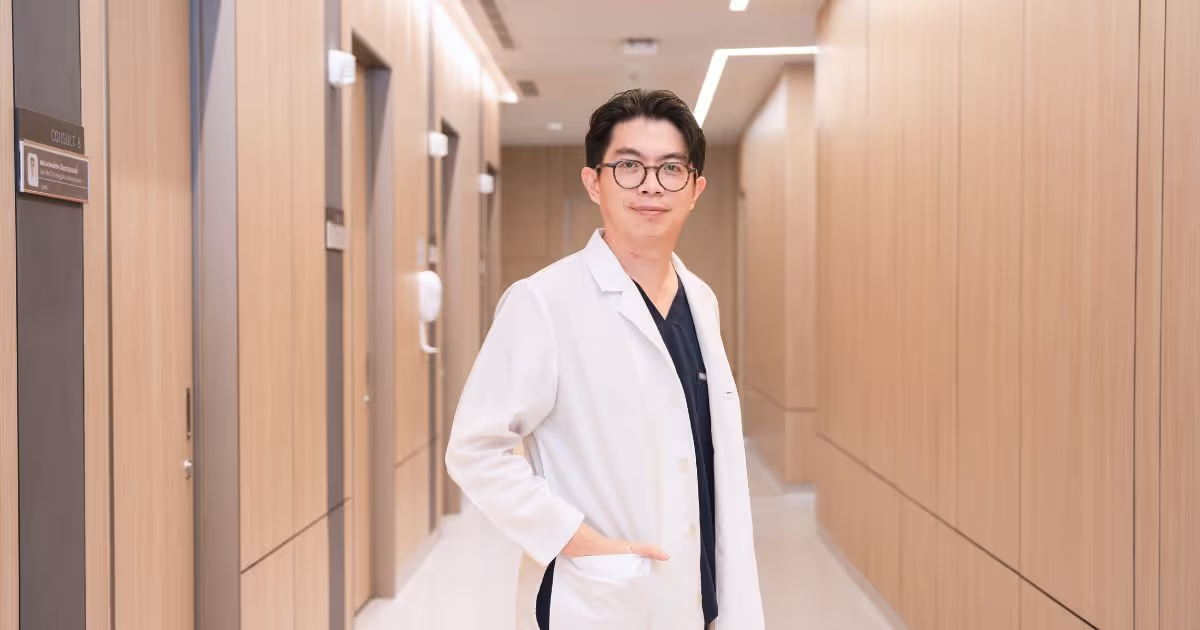
Dr. Santi Kulpatcharapong, a gastroenterologist and hepatologist at MedPark Hospital, discusses the advantages of harnessing DeepGI AI technology in colonoscopy. To what extent can these innovations enhance precision and accuracy? Let us find out!

A colonoscopy can swiftly visualize and make an accurate diagnosis.

“Gastrointestinal endoscopy allows physicians to visualize the internal linings of the digestive system, particularly in areas suspected to harbor abnormalities. The linings are not visible externally; initial assessments rely primarily on taking a thorough medical history. However, endoscopy is warranted if concerning symptoms or signs develop.”

A colonoscopy is necessary for patients experiencing bleeding, weight loss, or suspected intestinal inflammation symptoms. Colonoscopy enables direct visualization and biopsy for diagnosis and treatment of abnormalities. It is suitable for screening, even without symptoms.
For colon cancer screening, it can begin at age 45. However, those with a family history of colon cancer or early-onset colonic polyps should consider screening at an earlier age.
Santi Kulpatcharapong 6

DeepGI improves GI abnormality detection accuracy.  

“AI in gastrointestinal endoscopy serves a powerful assistant role, helping physicians detect abnormalities more effectively, particularly in the colon. It significantly increases the likelihood of identifying polyps and tumors that could develop into colorectal cancer.”

Did you know? While not all colonic polyps become cancerous, some can progress to malignancy over 10–20 years if left untreated. Detecting and assessing polyps for their cancerous potential enables timely removal, effectively preventing colorectal cancer from developing in the next 10-20 years.

Current AI technology can detect abnormalities in real time while the colonoscope navigates the colonic lumen. It can also classify the type of polyp detected and assess its potential for future malignant transformation.
Santi Kulpatcharapong 3

Abnormal polyps occur in 3 out of 10 individuals

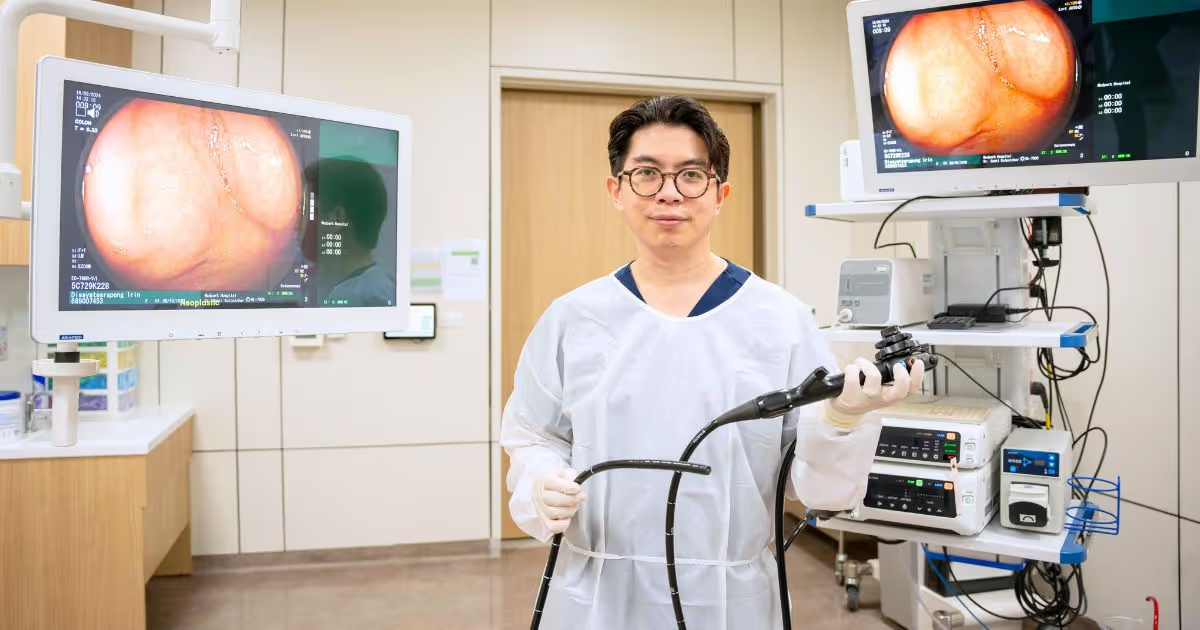
Gastroenterologists, relying on their expertise, knowledge, and experience, can identify abnormalities in the colon during examination. Typically, when performing a colonoscopy in patients over 45, doctors detect abnormal polyps in at least 3 out of 10 individuals.

“Before AI, detection relied solely on visual inspection expertise. The more experienced a physician is with colonoscopy, the faster they can identify abnormalities, whereas an untrained eye might miss them. The more abnormal polyps we detect, the greater the reduction in colorectal cancer risk for patients.”

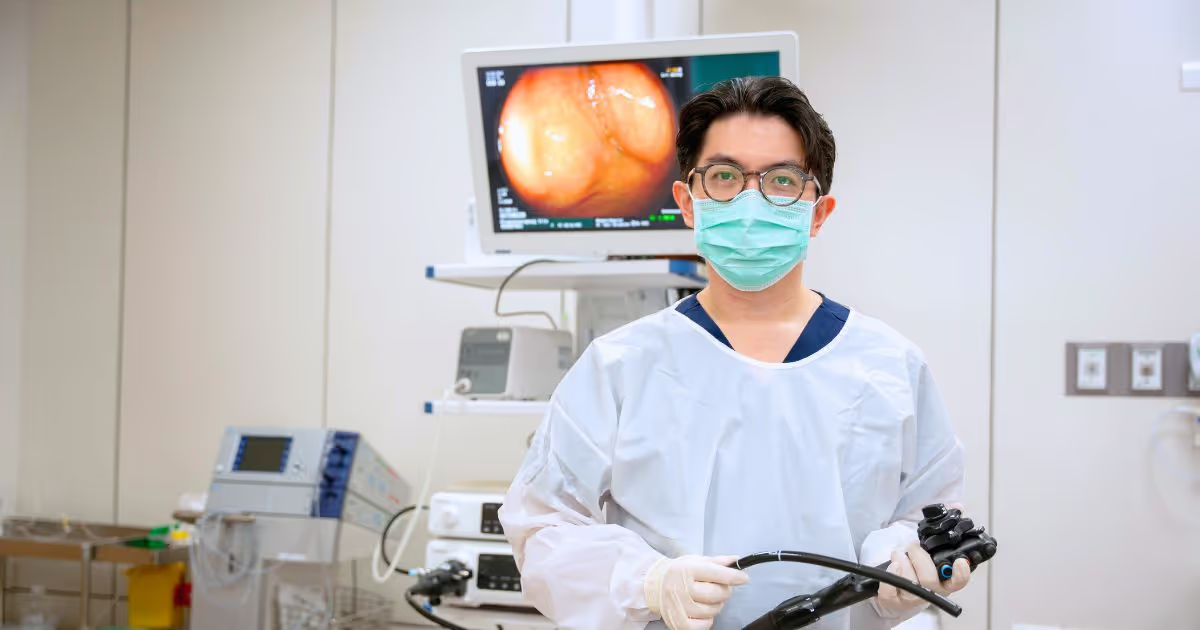
In the past, colonoscopes lacked the resolution we have today. Over time, technological advancement leads to higher-resolution images, facilitating the detection of polyps or other irregularities. Despite the light-filtering technologies to aid polyp detection, they pale in comparison to the capabilities of AI.
Santi Kulpatcharapong 1

“Experienced physicians highly skilled in detecting abnormalities may mistakenly think AI does not offer much value. However, data shows that even for highly skilled doctors, AI can increase the likelihood of detecting polyps by up to 10%.”

“Research indicates that increasing the detection rate of polyps by only 1% can reduce the risk of cancer by up to 3%.”

Dr. Santi explains that AI integration enhances the ability to detect polyps and other abnormalities. As noted earlier, a higher detection rate of polyps corresponds to a higher reduction in colorectal cancer risk.

AI can assist in classifying polyps. When polyps with malignant potential are detected, appropriate treatment can begin promptly, eliminating the need for a biopsy, treatment steps, and healthcare costs. However, a biopsy may still be necessary sometimes to confirm the diagnosis.

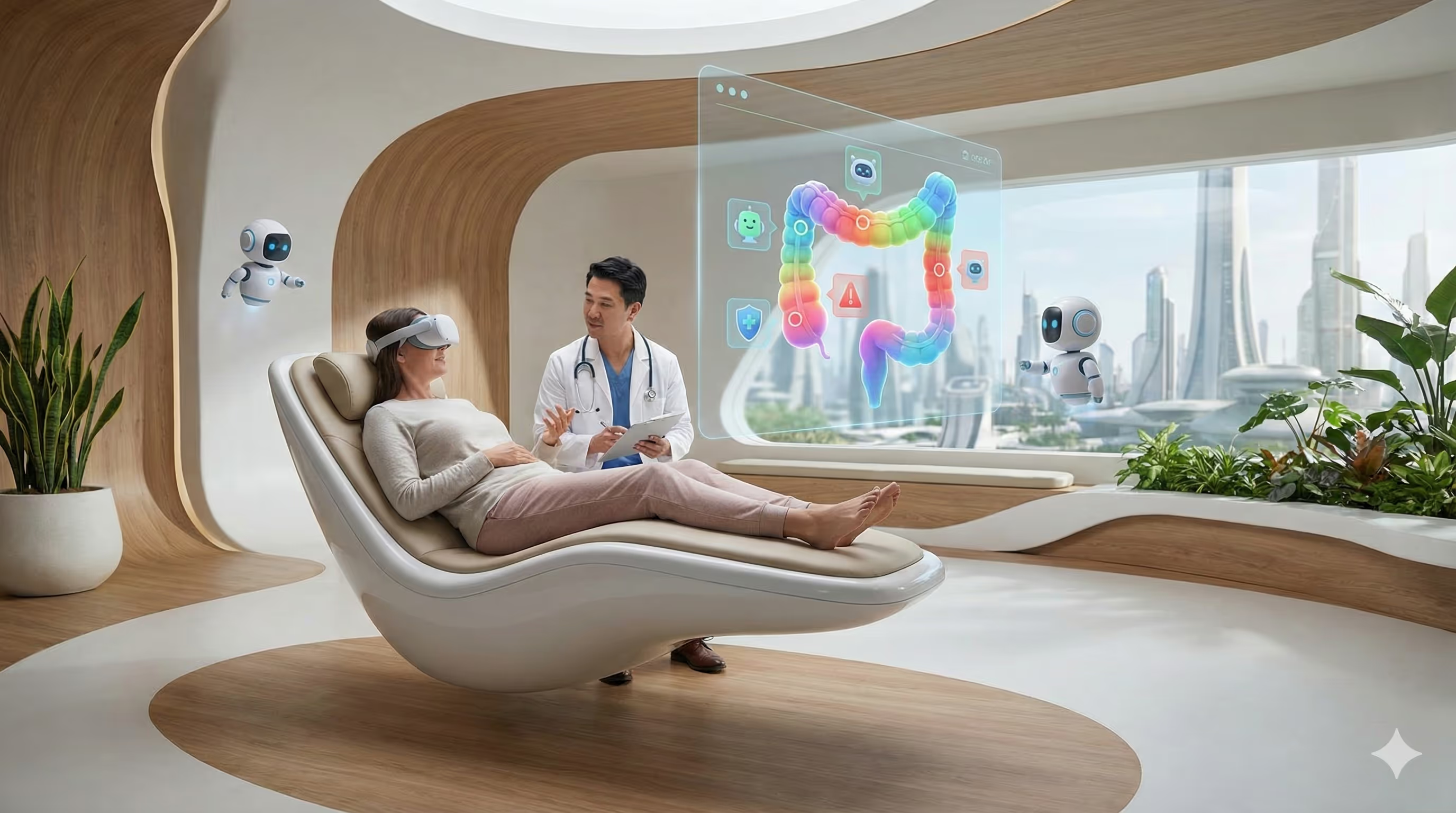
“Crucially, AI will evolve and become more intelligent as the AI training datasets expand. In the future, its accuracy may improve to the point where biopsies may no longer be necessary.”
Gemini Generated Image Qe17l4qe17l4qe17

The AI technology at MedPark Hospital is versatile, continuously improving detection and accuracy as its datasets grow.

MedPark Hospital places great emphasis on innovative medical technologies. The gastroenterology and hepatology clinic of MedPark Hospital has significantly contributed to research on AI-assisted colonoscopy. It leverages DeepGI, an advanced technology collaboratively developed between Chulalongkorn Hospital and the Faculty of Engineering at Chulalongkorn University, to enhance colonoscopy examinations. MedPark Hospital collaborates as a key data-gathering site for Chulalongkorn Hospital in this research.

“Numerous AI systems are in use for medical endoscopy, with many companies developing proprietary AI designed to work exclusively with their make of endoscopes. However, the advantage of DeepGI, the system employed at MedPark Hospital, is its compatibility with endoscopes from any manufacturer. This flexibility enables the AI to collect a broader range of datasets, facilitating its continuous development and refinement, ultimately enhancing its accuracy.”
Santi Kulpatcharapong 2

Colon cancer. Do not wait for symptoms to appear. Early screening is key.

Colon cancer screening with colonoscopy is a highly efficacious preventive measure. Starting at age 45, individuals should undergo screening, even without symptoms. This point is vital because, by the time symptom manifests, cancer is often already advanced, making treatment more complex and potentially compromising your quality of life.

“If one detects the precancerous polyps, treatment merely involves their endoscopic removal, eliminating the need for surgery. It offers peace of mind. We no longer have to contend with the polyps. From a medical standpoint, screening is the most effective strategy for preventing and managing disease.”

Dr. Santi also recommends that those with a family history of colon cancer should note the age at which the diagnosis occurred and begin screening 10 years earlier. For example, if your father was diagnosed with colorectal cancer at age 50, you should start the screening at age 40.

“Colorectal cancer is increasingly being diagnosed in younger patients. Therefore, it is crucial to be attentive to unusual symptoms, assess your risk factors, and undergo screening before reaching advanced age or the symptoms manifest. This proactive approach significantly reduces the risk of developing colorectal cancer.”

Article by

Published: 18 Dec 2025

Share

Related Doctors

  • Link to doctor
    Dr Kittithat Tantitanawat

    Dr Kittithat Tantitanawat

    • Gastroenterology & Hepatology
    Gastroenterology and Hepatology, Pancreatic Cancer, Chronic Pancreatitis, Acute Pancreatitis, Metabolic Dysfunction - Associated Steatotic Liver Disease (MASLD), Obesity and Overweight, Colorectal Screening, Gastroesophageal Reflux Disease (GERD), Gastritis, Endoscopic Mucosal Resection (EMR)
  • Link to doctor
    Asst.Prof.Dr Siam Sirinthornpunya

    Asst.Prof.Dr Siam Sirinthornpunya

    • Gastroenterology & Hepatology
    Gastroenterology and Hepatology
  • Link to doctor
    Dr Yearnyong Jeangwirichaikull

    Dr Yearnyong Jeangwirichaikull

    • Gastroenterology & Hepatology
    General Gastrointestinal Disorders, Colorectal Screening, Endoscopic Retrograde Cholangiopancreatography (ERCP), Hepatomegaly, Jaundice, Cirrhosis
  • Link to doctor
    Dr Santi  Kulpatcharapong

    Dr Santi Kulpatcharapong

    • Gastroenterology & Hepatology
    Gastroscopy and Colonoscopy, Gastroenterology and Hepatology, Colorectal Screening, Elevated Liver Enzymes, Non-alcoholic steatohepatitis (NASH), Alcoholic Hepatitis, Viral Hepatitis, Endoscopic Retrograde Cholangiopancreatography (ERCP), Gastrointestinal Bleeding, Chronic Abdominal Pain, Fibroscan, Liver Mass / Live Nodule / Liver Cyst, Gastroesophageal Reflux Disease (GERD), Liver Failure, Cirrhosis
  • Link to doctor
    Prof.Dr Sinn Anuras

    Prof.Dr Sinn Anuras

    • Gastroenterology & Hepatology
    Gastroenterology and Hepatology
  • Link to doctor
    Dr Penprapai Hongsrisuwan

    Dr Penprapai Hongsrisuwan

    • Gastroenterology & Hepatology
    Gastroenterology and Hepatology, Gastroscopy and Colonoscopy, Colorectal Screening, Gastroesophageal Reflux Disease (GERD), Irritable Bowel Syndrome (IBS), Chronic Abdominal Pain, Gastrointestinal Bleeding, Hemorrhoids, Viral Hepatitis, Elevated Liver Enzymes, Cirrhosis, Fatty Liver Disease
  • Link to doctor
    Dr Thaninee Prasoppokakorn

    Dr Thaninee Prasoppokakorn

    • Gastroenterology & Hepatology
    Gastroenterology and Hepatology
  • Link to doctor
    Dr Sukawit Thongsri

    Dr Sukawit Thongsri

    • Gastroenterology & Hepatology
    Gastroenterology and Hepatology
  • Link to doctor
    Assoc.Prof.Dr Sawangpong Jandee

    Assoc.Prof.Dr Sawangpong Jandee

    • Gastroenterology & Hepatology
    Gastroenterology and Hepatology
  • Link to doctor
    Dr Uraiwan Simapichet

    Dr Uraiwan Simapichet

    • Gastroenterology & Hepatology
    Gastroenterology and Hepatology
  • Link to doctor
    Prof.Dr Rungsun Rerknimitr

    Prof.Dr Rungsun Rerknimitr

    • Gastroenterology & Hepatology
    Luminal Stenting, Colon and Upper GI Tract Cancers Screening, Complex Gastrointestial Disorders, Percutaneous Transhepatic Biliary Drainage (PTBD), Endoscopic Mucosal Resection (EMR), Endoscopic Retrograde Cholangiopancreatography (ERCP), Advanced Endoscopy
  • Link to doctor
    Asst.Prof.Dr Parit Mekaroonkamol

    Asst.Prof.Dr Parit Mekaroonkamol

    • Gastroenterology & Hepatology
    Endoscopic Submucosal Dissection (ESD), Endoscopic Retrograde Cholangiopancreatography (ERCP), Endoscopic Mucosal Resection (EMR), Enteroscopy, Percutaneous Endoscopic Gastrostomy (PEG), Bariatric Surgery
  • Link to doctor
    Assoc.Prof.Dr Sathaporn Manatsathit

    Assoc.Prof.Dr Sathaporn Manatsathit

    • Gastroenterology & Hepatology
    Gastroenterology and Hepatology, Gastrointestinal Infection, Chronic Abdominal Pain, Chronic Constipation, Chronic and Acute Diarrhea, Diarrhea, Viral Hepatitis, Leaky Gut Syndrome, Liver Tumor, Elevated Liver Enzymes, Hemorrhoids, Inflammatory Bowel Disease (IBD), Irritable Bowel Syndrome (IBS), Dysphagia (Difficulty Swallowing)
  • Link to doctor
    Dr Sureeporn  Jangsirikul

    Dr Sureeporn Jangsirikul

    • Gastroenterology & Hepatology
    Gastroscopy and Colonoscopy, Gastroenterology and Hepatology, Colorectal Screening, Gastroesophageal Reflux Disease (GERD), Chronic Abdominal Pain, Gastrointestinal Bleeding, Elevated Liver Enzymes, Biofeedback Therapy, Esophageal Motility Disorders, Esophageal pH Study, Helicobacter pylori (H. pylori), Gastric Emptying Time, Colonic Transit Time, Manometry
  • Link to doctor
    Assoc. Prof. Dr Rapat Pittayanon

    Assoc. Prof. Dr Rapat Pittayanon

    • Gastroenterology & Hepatology
    Endoscopic Submucosal Dissection (ESD), Endoscopic Mucosal Resection (EMR), Endoscopic Retrograde Cholangiopancreatography (ERCP), Advanced Endoscopy, Enteroscopy, Percutaneous Endoscopic Gastrostomy (PEG), Peroral Endoscopic Myotomy (POEM)
  • Link to doctor
    Assoc.Prof.Dr.M.L. Taya Kitiyakara

    Assoc.Prof.Dr.M.L. Taya Kitiyakara

    • Gastroenterology & Hepatology
    General Gastrointestinal Disorders, Colorectal Screening, Helicobacter pylori (H. pylori), Chronic Abdominal Pain, Inflammatory Bowel Disease (IBD), Irritable Bowel Syndrome (IBS), Endoscopic Ultrasound (EUS), Diarrhea, Chronic and Acute Diarrhea, Endoscopic Retrograde Cholangiopancreatography (ERCP), Chronic Constipation, Abnormal Liver Funtion Test
  • Link to doctor
    Dr Waraporn Panjawong

    Dr Waraporn Panjawong

    • Gastroenterology & Hepatology
    General Gastrointestinal Disorders, Colorectal Screening, Endoscopic Ultrasound (EUS), Endoscopic Retrograde Cholangiopancreatography (ERCP), Gastroesophageal Reflux Disease (GERD)
  • Link to doctor
    Assoc. Prof. Dr Chonticha Auesomwang

    Assoc. Prof. Dr Chonticha Auesomwang

    • Gastroenterology & Hepatology
    Gastroenterology and Hepatology
  • Link to doctor
    Dr Panida Piyachaturawat

    Dr Panida Piyachaturawat

    • Gastroenterology & Hepatology
    Gastroscopy and Colonoscopy, Gastroenterology and Hepatology, Chronic Abdominal Pain, Chronic Constipation, Chronic and Acute Diarrhea, Endoscopic Retrograde Cholangiopancreatography (ERCP), Inflammatory Bowel Disease (IBD), Irritable Bowel Syndrome (IBS), Colorectal Screening, Endoscopic Ultrasound (EUS), Gastrointestinal Bleeding, Elevated Liver Enzymes, Viral Hepatitis, Non-alcoholic steatohepatitis (NASH), Enteroscopy, Fibroscan
  • Link to doctor
    Dr Korpong Hungspreugs

    Dr Korpong Hungspreugs

    • Gastroenterology & Hepatology
    General Gastrointestinal Disorders, Colorectal Screening, Diarrhea, Chronic and Acute Diarrhea, Helicobacter pylori (H. pylori), Dysphagia (Difficulty Swallowing), Gastroesophageal Reflux Disease (GERD), Chronic Constipation, Dyspepsia, Bowel Habit Change