





What is CPR?
CPR, short for Cardiopulmonary Resuscitation, is an emergency first-aid intervention for sudden cardiac arrest, a life-threatening event wherein the heart stops functioning and fails to pump blood to vital organs.
The primary objective of CPR is to restore heart function and maintain blood circulation, ensuring a continuous supply of oxygen to the brain and other vital organs. If the brain is deprived of oxygen for more than 4 minutes, brain cells begin to die, leading to permanent brain damage or death.
The most important aspect of CPR is delivering continuous, high-quality chest compressions. It is best suited for bystanders or the public who witness a collapsed person in a public setting. It can be initiated immediately without worrying about mouth-to-mouth techniques or infection risks. This minimizes hesitation and ensures the life-saving process begins as quickly as possible.
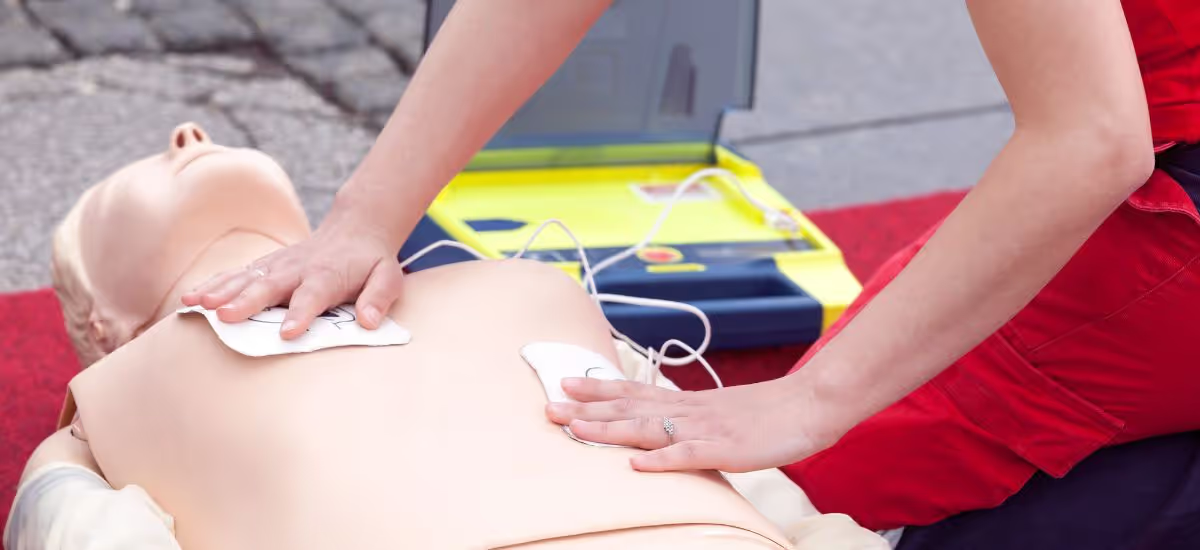
How can I tell if CPR Is Needed? How do I perform CPR?
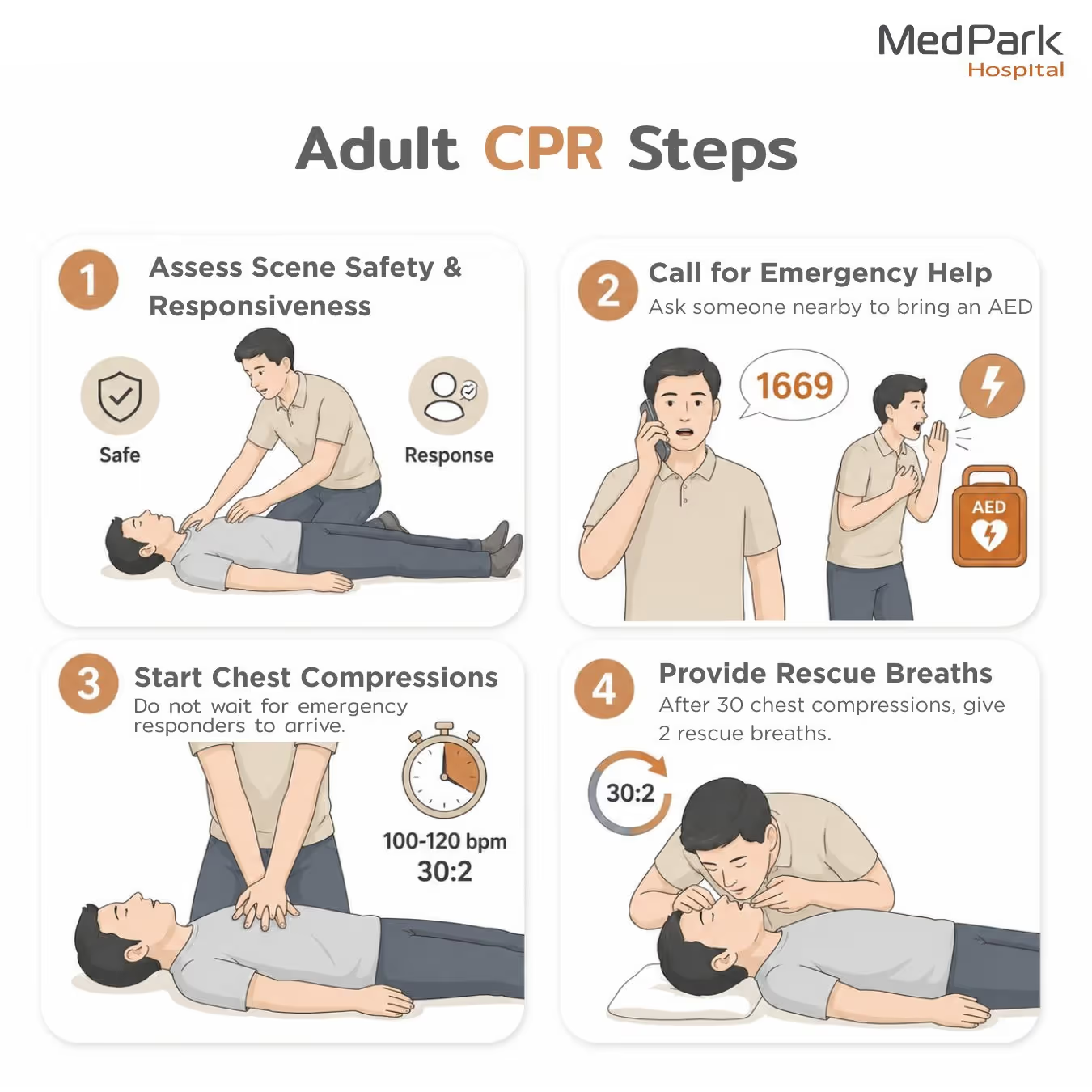
Step 1: Assess for scene safety and the patient's responsiveness.
- Ensure scene safety: Before approaching, make sure the area is safe, for example, there are no electrical hazards or traffic risks.
- Check responsiveness: Approach from the side, firmly tap both shoulders, and call out loudly to elicit a response.
- Assess breathing: Look for chest movement to check if the person is breathing.
If the person is unresponsive and not breathing or only gasping (agonal breathing), you can assume cardiac arrest.
Step 2: Request emergency assistance
- Call emergency services (1669): If alone, call immediately and turn on the speakerphone to communicate with the dispatcher while starting CPR. If others are nearby, clearly instruct somebody to call 1669 and report that a person is unconscious and not breathing.
- Get an AED: Call out to people nearby: “A person has collapsed! Please bring an AED (automated external defibrillator) immediately!”
The 10-second golden rule
In real-life situations, hesitation can waste precious life-saving time. If, after assessing responsiveness and breathing, you are unsure whether the person is breathing normally, start CPR immediately. Performing chest compressions on a person who may still have a pulse carries far less risk than delaying action and allowing a person in cardiac arrest to go without oxygen.
Step 3: Start chest compressions
Do not check for a pulse or provide rescue breaths. Do not wait for help to arrive. Begin chest compressions using the following technique:
- Position the patient: Lay the person flat on their back against a firm, hard surface. If they are on a soft surface, move them onto the floor to ensure effective compression.
- Hand placement: Place the heel of your dominant hand at the center of the chest. Place your other hand on top and interlace your fingers.
- Rescuer position: Kneel beside the person’s torso. Keep your arms straight and position your shoulders directly above your hands at a 90-degree angle to the chest. Use your body weight, derived from your hips and upper body, to deliver strong, effective compressions.
- Compression depth and rate
- Depth: Press straight down 5-6 cm deep.
- Speed: Perform chest compressions at 100–120 compressions per minute (about 2 compressions per second). A song with a tempo of 120 BPM, such as "Dynamite" by BTS, can help you maintain the correct rhythm.
- Allow full recoil: After each compression, allow the chest to return to its normal position before the next compression. This allows the heart to refill with blood. Do not lift your hands off the chest wall.
Step 4: Provide Rescue Breaths
After 30 chest compressions, give 2 rescue breaths. (Rescue breaths may be delivered mouth-to-mouth or with a CPR face shield.) Continue cycles of 30 chest compressions followed by 2 rescue breaths and reassess for normal breathing every 2 minutes.
To maintain effective, high-quality CPR, rescuers should switch every 2 minutes. Minimize interruptions by changing roles as quickly as possible (within 5 seconds). This is important because compression depth and force tend to decrease after about 2 minutes, reducing blood flow to the brain. Having more than one rescuer helps maintain consistent, effective compressions.
*If you are uncomfortable performing mouth-to-mouth resuscitation or are concerned about the risk of infection, perform hands-only CPR by giving chest compressions only.
How long should I continue CPR?
The key principle is to continue CPR without interruption until one of the following conditions is met:
- The person shows signs of life or resumes normal breathing.
If the person begins to show signs of recovery, such as coughing, moving, opening their eyes, or breathing normally, stop chest compression and position them on their side to help keep the airway open while waiting for emergency medical services. - An AED becomes available and provides instructions.
When an automated external defibrillator (AED) is available, follow the device’s voice prompts carefully. The AED will instruct you to briefly stop touching the patient while it analyzes the heart rhythm or prepares to deliver a shock. Afterward, if instructed, resume CPR immediately. - Emergency medical services arrive and take over.
When the ambulance or emergency response team arrives, continue CPR until they tell you to stop so they can take over.
CPR guidelines for infants and children under 12 years
CPR for infants and children differs from that for adults due to their more delicate physiology and because cardiac arrest in this group is often caused by respiratory failure. Perform CPR with rescue breaths to rapidly restore body oxygenation. Ideally, CPR should be performed by someone who has received proper training. However, if no trained rescuer is available, hands-only CPR can still be performed and may help sustain circulation until professional help arrives.
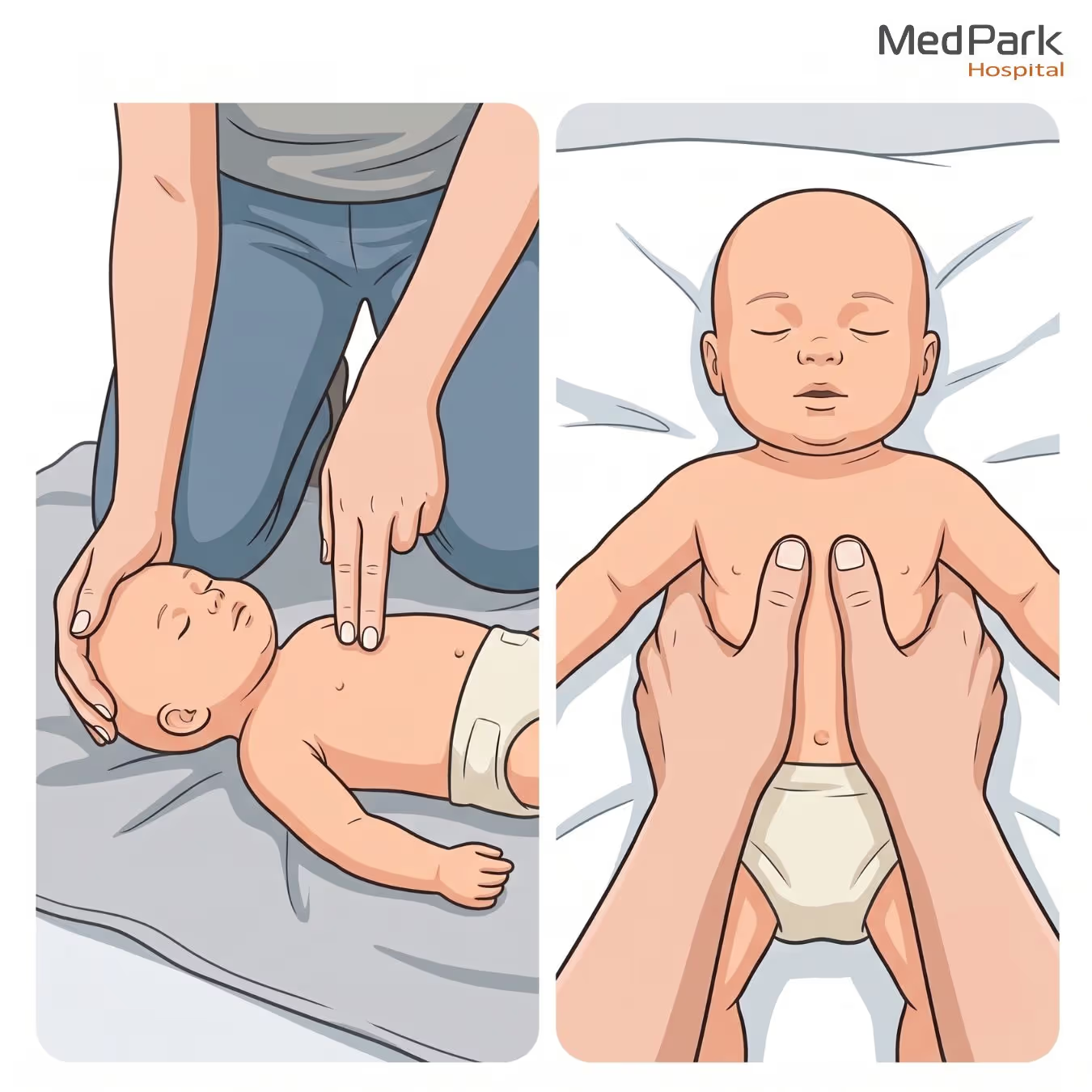
CPR for infants (1–12 months)
Once you have assessed that the infant is unresponsive and not breathing, choose the appropriate technique based on the number of rescuers:
- Two thumb-encircling hands technique
Recommended when there are two or more rescuers. Place both hands around the infant’s chest, encircling the torso, with your thumbs side by side at the center of the chest. Press down using both thumbs simultaneously. - Two-finger technique
Recommended for a single rescuer. Lay the infant flat on a firm surface. Use two fingers (index and middle, or middle and ring fingers) placed over the center of the chest to deliver compressions. Do not use the heel of your hand for chest compressions in infants, as excessive force may cause injury to internal organs.
CPR for Children (1–12 Years Old)
Use the heel of one hand to perform chest compressions. For smaller children aged 1–8 years, one hand may be sufficient. The chest should be compressed to a depth of approximately 5 cm.
Benefits of CPR
- Increases the chance of survival when performed correctly within the first few minutes after cardiac arrest.
- Reduces the risk of cerebral hypoxia.
Potential risks and complications of CPR - Chest injuries may occur from deep and continuous chest compressions. CPR may cause rib fractures, a fractured sternum, or injury to internal organs in the chest, particularly in elderly patients with osteoporosis. However, in clinical practice, these risks are considered acceptable and outweighed by the life-saving benefits of CPR, as such injuries can be treated once the patient’s vital signs have been restored.
FAQs about CPR
What is CPR and why is it important?
CPR (Cardiopulmonary Resuscitation) is a basic life-saving procedure used to help someone in cardiac arrest. It helps maintain blood flow to vital organs and increases the chances of survival.
How do I know if someone needs CPR?
When someone is unconscious, does not respond when called, and is not breathing or is breathing abnormally, such as gasping for air. These are key signs of cardiac arrest, and CPR should be started immediately.
What is the correct chest compression technique?
Place your hands at the center of the chest and compress 5–6 cm deep at a rate of 100–120 times per minute, allowing full chest recoil.
When should CPR be stopped?
Stop CPR when the person recovers, an AED is ready to use, or emergency responders take over. If you are unable to continue, switch with another rescuer as quickly as possible to avoid interruptions in chest compressions.
A note from MedPark’s doctors
Sudden cardiac arrest can occur anytime, anywhere. Having the knowledge and skills to perform CPR is therefore essential and may help save the life of someone you love at a critical moment. MedPark Hospital encourages you to learn how to perform CPR correctly. Prompt and effective resuscitation saves lives and preserves long-term quality of life.