





Open Heart Surgery and Cardiac Rehabilitation: A Vital Partnership for Restoring Quality of Life

Coronary artery disease is one of the common illnesses due to plaque buildup within the wall of the coronary arteries, narrowing and restricting blood flow to the heart muscle. Patients typically develop symptoms such as chest tightness, shortness of breath, palpitations, and easy fatigability, which can be life-threatening if there is sudden complete blockage of a coronary artery. Primary treatment modalities include medications, coronary angioplasty, and coronary artery bypass grafting (CABG).
Many patients mistakenly believe that open-heart surgery marks the end of their cardiac journey. However, cardiac rehabilitation plays a crucial role in recovery after coronary artery bypass surgery. In this article, we are joined by Dr. Siraprapa Limprasert, a specialist in physical medicine and rehabilitation, who underscores the importance of comprehensive cardiac rehabilitation following surgery. Too often, patients neglect this crucial step, missing the opportunity to return to their daily lives with full vitality.
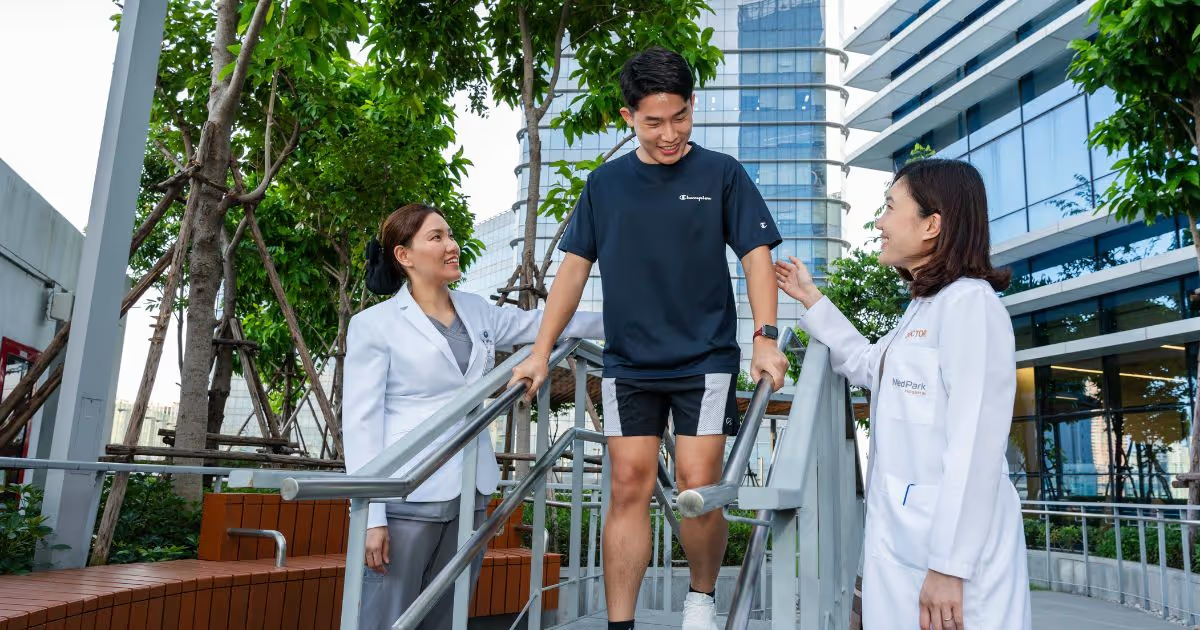
What challenges do patients face after cardiac surgery?
“Following coronary artery bypass grafting (CABG), patients face surgical incisional discomfort and pain, along with the physical restraints of chest drains, urinary catheters, and intravenous lines. As a result, patients may be reluctant to move, and in some cases, the pain is so pronounced that they are unable to cough effectively or clear lung and airway secretions.”
The reduced mobility due to surgical pain and inability to cough effectively increases the risk of postoperative complications such as atelectasis, pneumonia, and deep vein thrombosis (DVT). A comprehensive cardiac rehabilitation program can improve physical condition and prevent the risk of these complications.
Objectives of postoperative cardiac rehabilitation
The cardiac rehabilitation program at MedPark Hospital aims to achieve the following:
- Holistic rehabilitation for the maximum benefit of the patient.
- Empower patients to recognize their physical condition and limitations.
- Enable patients to return to activities and live confidently and safely.
- Prevent the recurrence of the condition.
Benefits of postoperative cardiac rehabilitation at MedPark Hospital
- Patients are under the care of specialized physicians and medical professionals.
- Decrease the risk of injury when patients resume exercise.
- Assess and guide those aiming to return to sports and achieve peak athletic performance. Tailoring training programs to help patients confidently reach their goals.
"Crucially, this program helps prevent hospital readmissions, lowers heart disease mortality rate, controls risk factors for heart disease, and reduces the recurrence of heart conditions." The doctor added.
Transition into proper cardiac rehabilitation after surgery.
Patients who have undergone cardiac procedures, such as coronary angioplasty, coronary artery bypass graft, or heart valve surgery, should begin cardiac rehabilitation while still in the hospital. For high-risk patients, doctors may advise continuing rehabilitation as an outpatient.
Additionally, patients who have undergone surgery some time ago, those with stable heart conditions, and individuals with risk factors for cardiovascular diseases—such as diabetes, high cholesterol, and obesity—can also benefit from and participate in this rehabilitation program.

The cardiac rehabilitation program is divided into three phases:
- Inpatient phase: Patients remain in the hospital. The focus is on promoting rapid recovery, reducing hospitalization complications, enabling patients to walk, move, and perform self-care, and providing guidance on managing their condition before discharge.
- Outpatient phase: After discharge, ongoing monitoring and follow-up care are crucial. This phase aims to restore physical abilities, enabling patients to resume activities, exercise, or engage in sports to their full potential. It also involves implementing lifestyle changes to lower the risk of heart disease recurrence.
- Maintenance phase: This phase focuses on maintaining optimal heart function.
Phases 2 and 3 are often overlooked despite their essential role in restoring physical condition and improving the quality of life for patients. The doctor also added that:
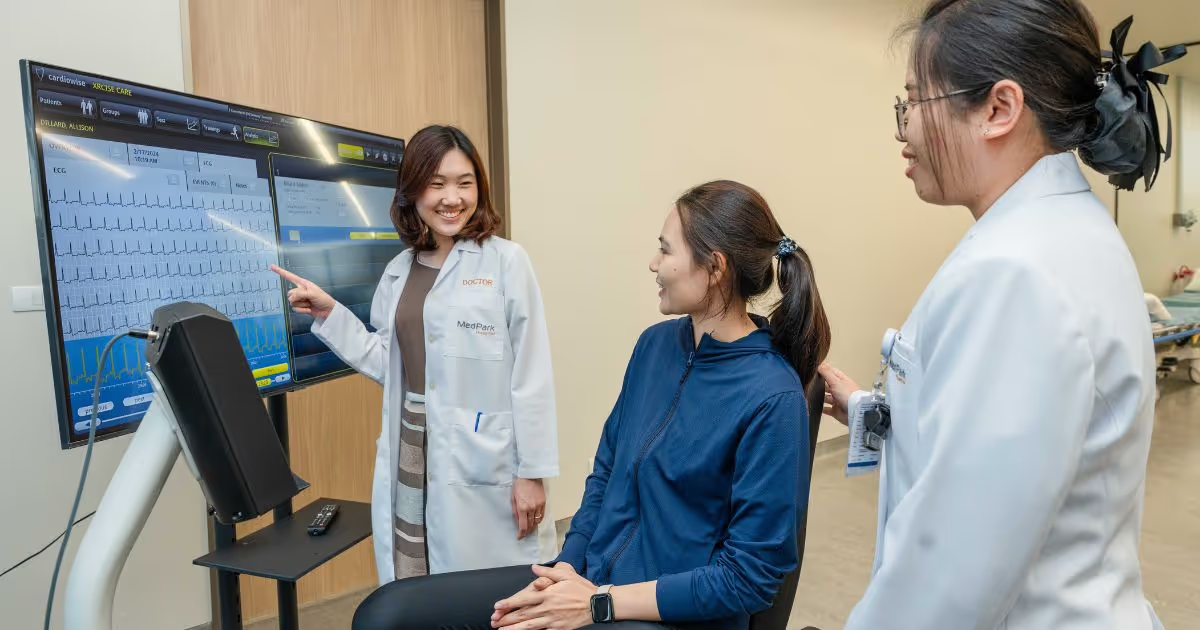
“From the outpatient phase onward, the focus extends beyond physical recovery to planning for the prevention of heart disease recurrence. Each patient undergoes an initial physical capacity assessment to create a personalized cardiac rehabilitation exercise program.”
“Regular electrocardiograms and vital signs taking are conducted during postoperative cardiac rehabilitation to ensure a safe and optimal range. Additionally, patients receive guidance and education on self-care strategies to mitigate risk factors and help prevent the recurrence of heart disease.”
If, during exercise, patients experience chest pain, discomfort, pressure, tightness, or aching in the chest radiating to the arm or jaw; heart palpitations; lightheadedness; dizziness; fainting; or marked shortness of breath, they should stop exercising immediately and consult the doctor. Do not persevere through these symptoms.

MedPark Hospital's cardiac rehabilitation program nurtures every beat of your heart
“When patients understand their bodies, recognize their physical limits, and know how to care for themselves appropriately, it helps them regain a quality of life comparable to what they enjoyed before their illness. If they feel confident to exercise and participate in daily activities, it will beneficially impact their overall health.”
Patients who have undergone heart surgery and wish to join the program can contact the Physical Medicine and Rehabilitation Center at MedPark Hospital for an initial consultation and further information.
MedPark Hospital features a specialized gym dedicated solely to heart patients as a key aspect of its cardiac rehabilitation services. The facility is equipped with continuous electrocardiogram (ECG) and vital sign monitoring throughout exercise sessions, ensuring that patients remain under the watch of experienced physicians and a specialized medical team. Rehabilitation programs are tailored to individual needs, featuring regular progress assessments and expert guidance from cardiac rehabilitation specialists, all collaborating to provide comprehensive, multidisciplinary care and support.