





A Gastroenterologist’s Perspective: Managing Chronic Constipation Through Lifestyle Modification
Abdominal pain, bloating, constipation, diarrhea, and acid reflux—these are common conditions that almost everyone experiences at some point. However, once these symptoms become “chronic,” what may seem minor can quickly evolve into a significant issue that impacts quality of life. At this stage, a key consultant in managing these conditions is a gastroenterologist, a specialist in digestive and liver diseases.
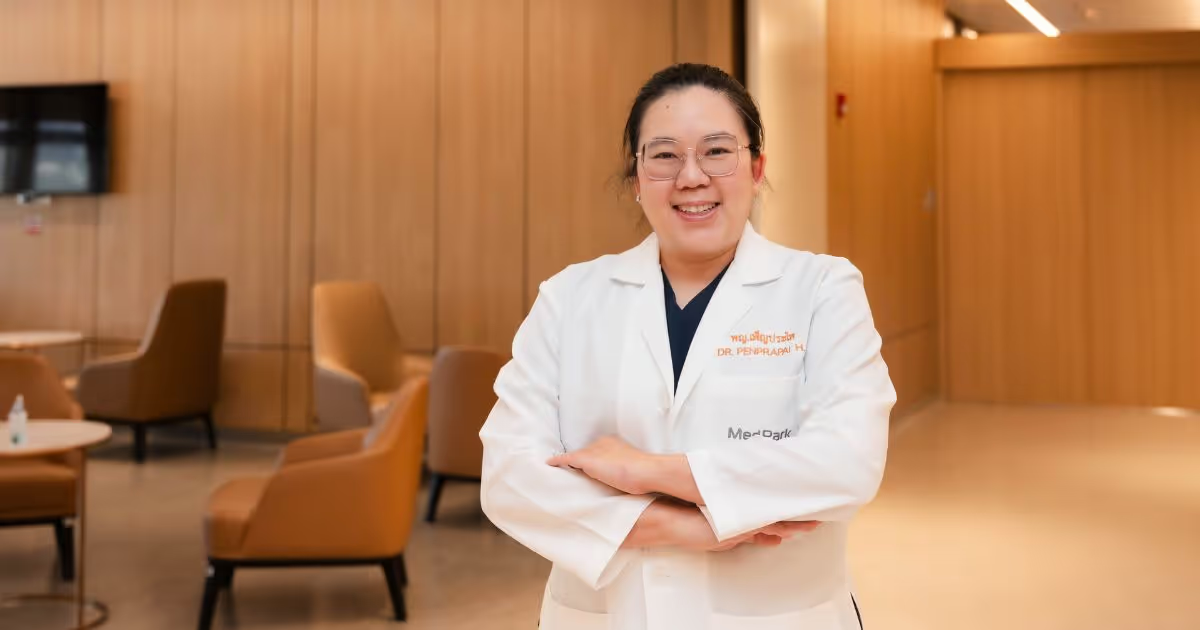
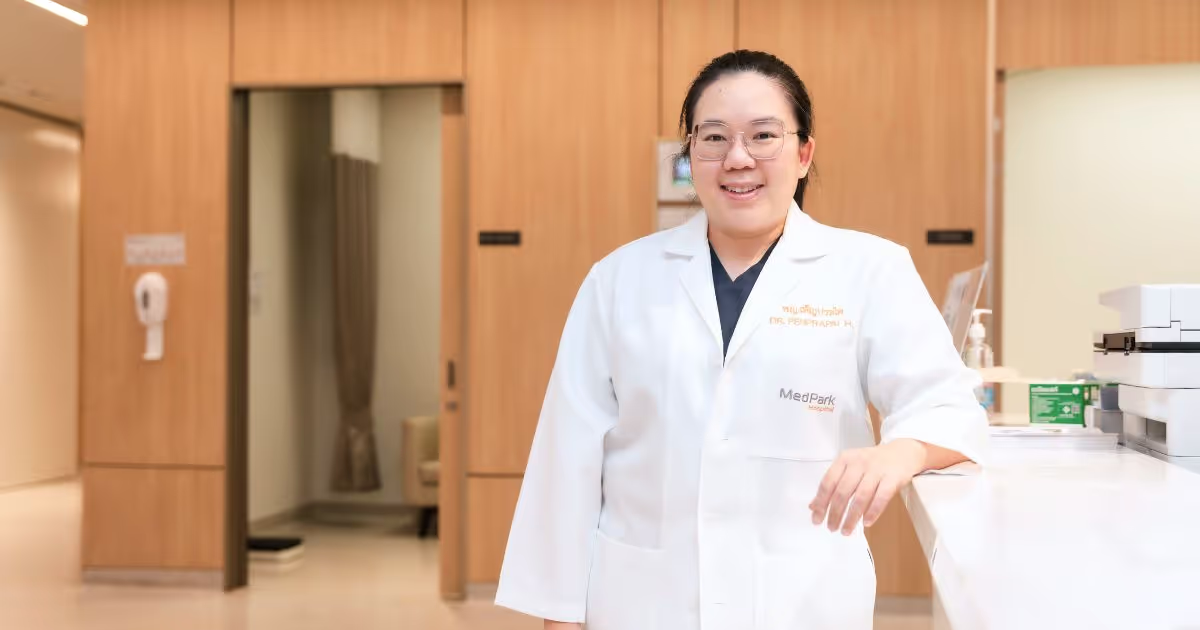
Today, MedPark Story invites you to get to know Dr. Penprapai Hongsrisuwan, also known as “Dr. Yuem,” a highly experienced gastroenterologist at MedPark Hospital. With over 11 years in patient care, she is an expert in the gut microbiome, a leading health trend.
Discovering Her Path Through Patient Care and Procedures
Gastroenterology (GI) is a field that perfectly blends the science of diagnosing diseases through meaningful conversations with patients and the art of treatment through procedures.
With a warm smile, Dr. Penprapai shared that the lifestyle of a GI physician aligns perfectly with who she is.
“During my medical school years, I tried to find the path that suited me best. I found internal medicine more appealing than other fields. I was happy talking with patients, conducting physical exams, and following up on their treatments. But once I started my internship and took care of real patients, I discovered that performing procedures, especially endoscopy, fulfilled me even more. It fits someone with high energy who likes treatments with clear, straightforward results: you identify the condition, plan the treatment, and see the patient improve step by step.”
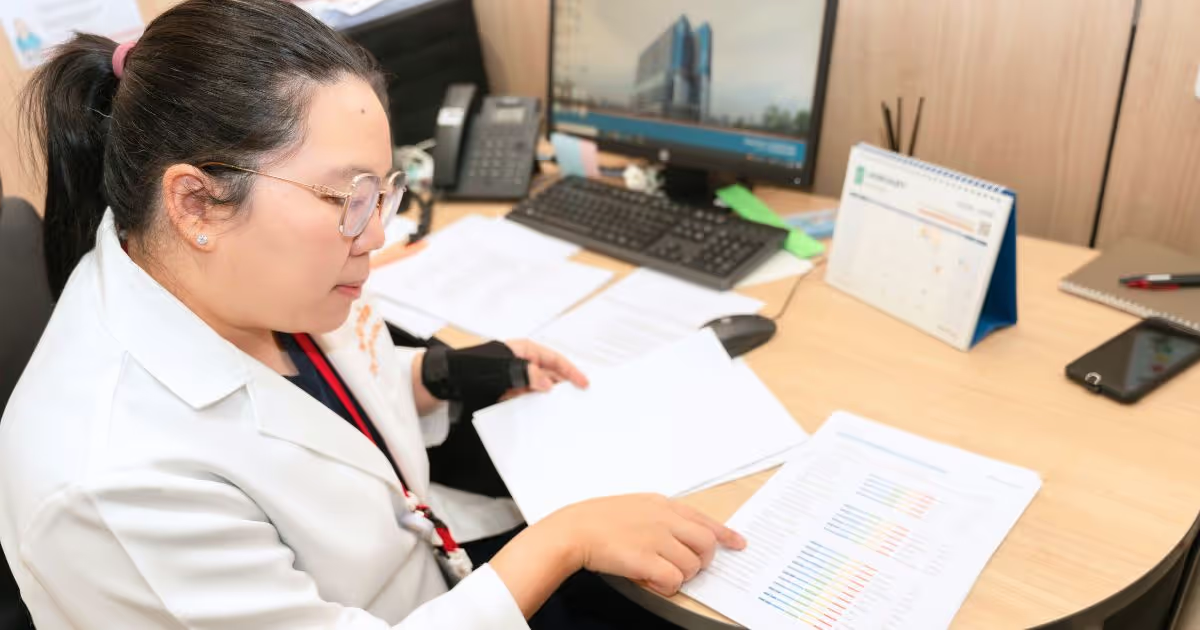
Beyond personal interest, encountering clinical role models played a crucial role in shaping her career. During her time as a rural general practitioner, she worked closely with senior physicians who sparked her interest in gastroenterology. Upon returning for her internal medicine residency, she met several other mentors whose concepts and working styles matched hers.
“Many of the mentors I admired were GI specialists. Looking back, my interest in this field had been growing since my internship. When everything aligned, making the decision was easy; this was the right path.”
Choosing to become a GI specialist was not just about picking a medical field but choosing a path that resonated with her true self, interests, and lifestyle.
Because Every Symptom Matters: Treatment That Begins with Listening
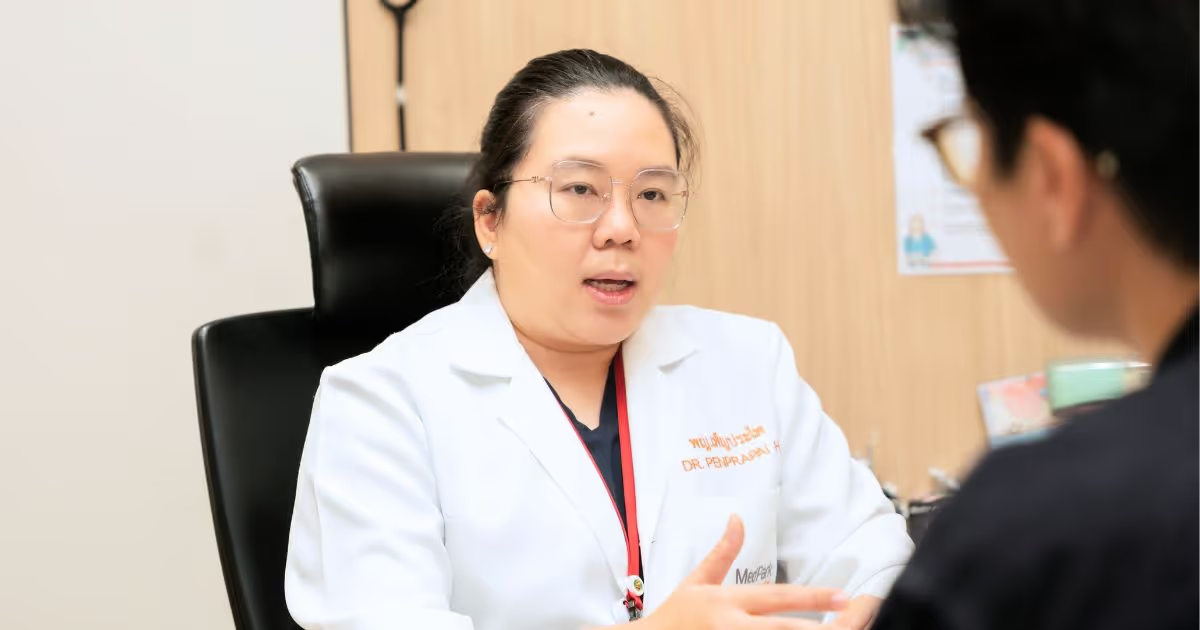
When caring for patients with gastrointestinal issues, especially chronic conditions like abdominal pain, diarrhea, or chronic constipation, Dr. Penprapai believes that beyond medications and diagnostic tests, the utmost priority is understanding the patient’s true “symptoms” and “problems.”
“The most important thing is not just diagnosing the disease, but knowing ‘why’ the patient is experiencing those symptoms.”
She dedicates time to listening attentively and delves deep into the details to distinguish whether the patient's condition is directly caused by a physical disease or is the result of accumulated lifestyle habits.
“Sometimes, the answers aren't in the lab results but in the small details of the patient’s life that we must listen to carefully.”
Every piece of information—symptom characteristics, frequency, timing, and daily routines—is systematically analyzed to find the root cause, rather than just treating the symptoms. This approach allows for personalized treatment, combining necessary medications, appropriate further testing, and lifestyle modifications tailored to the patient's real life.
“When patients understand their own problems and know what to adjust, their symptoms often improve without the need for medication.”
The goal is not just a short-term cure, but empowering patients to understand their bodies and maintain their health sustainably in the long run.
Gut Microbiome Balance: A Key Factor for Individual Health
The gut microbiome is another crucial factor playing a significant role in overall health, and it is unique to every individual.
“While gut microbiome testing is not yet widely adopted, it offers significant benefits for health assessment. It helps not only in identifying the underlying causes of symptoms but also in evaluating future risks, allowing for personalized health planning.”
Current research reveals that the balance of microorganisms in the intestine is linked to various bodily systems, particularly the digestive and immune systems. An imbalanced microbiome can be associated with symptoms like bloating, impaired digestion, irregular bowel movements, and certain types of allergies.
The testing process is straightforward, requiring only a stool sample for laboratory analysis. The results provide a clear overview of an individual's microbiome profile, serving as valuable data for health assessment and long-term care planning.
MedPark Hospital: Comprehensive Care for Gastrointestinal and Liver Diseases
Regarding her work, Dr. Penprapai describes MedPark Hospital as a fully equipped center for patients seeking comprehensive care for gastrointestinal and liver diseases.
“Diseases in this group are highly diverse, ranging from common conditions to complex disorders involving the pancreas and biliary tract. Proper care requires both the experience of the medical team and the readiness of comprehensive support systems.”
The Gastrointestinal and Liver Center at MedPark Hospital is fully prepared with specialized medical teams, nurses specifically trained in endoscopic procedures, and state-of-the-art medical equipment and laboratories. This ensures complete diagnostic capabilities, from initial screening to in-depth examinations and specialized procedures.
“Readiness is not just about equipment; it’s about teamwork, ensuring that patients receive continuous and appropriate care at every step.”
Outside of her clinical hours, Dr. Penprapai values a balanced lifestyle. She enjoys exercising, playing badminton, swimming, and going to the fitness center, as well as spending quality time with her family. She frequently takes her son out for activities like golfing, playing badminton, or running around the playground. These small moments not only recharge her daily energy but also reflect her dedication to “quality of life,” which is the very core of how she cares for her patients.