





Postpartum Hemorrhage
Postpartum Hemorrhage (PPH) is an obstetric emergency defined as vaginal blood loss exceeding 300 mL following a vaginal delivery, accompanied by any abnormal vital sign (WHO, 2025). In Thailand, postpartum hemorrhage accounts for up to 2.4-4.35% of maternal deaths and is the leading cause of postpartum mortality worldwide. PPH is considered a critical risk for individuals with high-risk pregnancies, including twin pregnancies, preeclampsia, or a prior history of postpartum hemorrhage. Doctors recommend receiving antenatal care from an obstetrician-gynecologist at a hospital equipped with a NICU and a 24-hour blood bank to ensure full readiness for any emergency.
What are the risks of high-risk pregnancy and postpartum hemorrhage?
Women with a high-risk pregnancy—such as twin pregnancies, preeclampsia, placenta previa, or placental abruption—have a 2 to 7 times higher risk of developing postpartum hemorrhage (PPH) compared to normal pregnancies. In Thailand alone, maternal mortality related to PPH is as high as 2.4-10.6%. Tragically, most mothers are completely unaware of this life-threatening condition until death occurs shortly after childbirth.
Studies confirm that preeclampsia increases the risk of PPH by up to 2.6 times, while placenta previa drastically increases the risk by 7.3 times. Maternal-Fetal Medicine (MFM) specialists strongly recommend that all expectant mothers undergo a thorough risk assessment to ensure a safe and well-prepared delivery plan.
Are postpartum hemorrhage and retained placenta harmful?
Postpartum hemorrhage accompanied by a retained placenta is a life-threatening emergency that requires immediate medical intervention. If the placenta is retained and fails to deliver within 30 minutes after childbirth, it becomes a leading cause of severe postpartum hemorrhage—accounting for up to 19.8% of all cases—and carries a mortality rate as high as 10%.
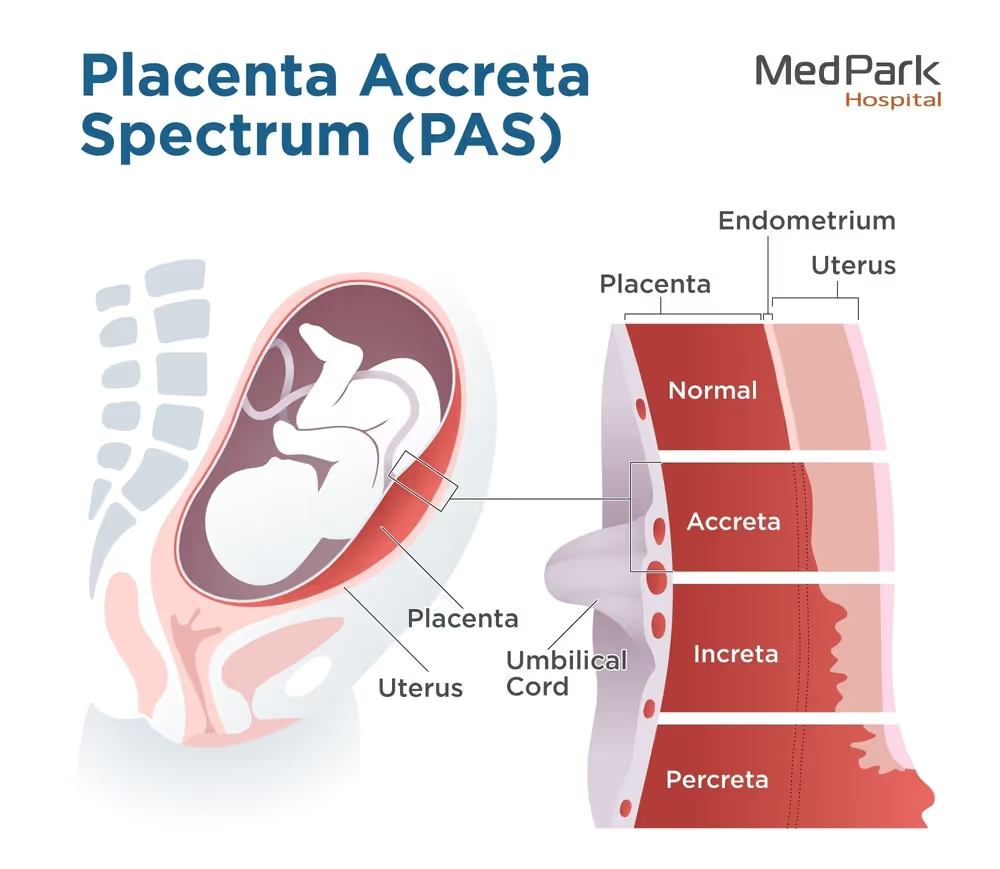
Postpartum hemorrhage caused by a retained placenta accounts for 25% of maternal postpartum deaths. This condition triggers uncontrollable bleeding (DIC) and severe hemorrhage, which can rapidly lead to shock and death. High-risk groups include mothers with a history of retained placenta, placenta accreta, placenta increta, placenta percreta, placenta previa, or a previous history of uterine surgery.
If a postpartum mother experiences abnormally heavy bleeding, severe dizziness, or heart palpitations, her family members must immediately contact the hospital emergency department and transport her to the hospital as soon as possible, as every single minute is counted for saving her life.
MedPark Hospital, Emergency Call 02-090-3119
What are the symptoms of postpartum hemorrhage?
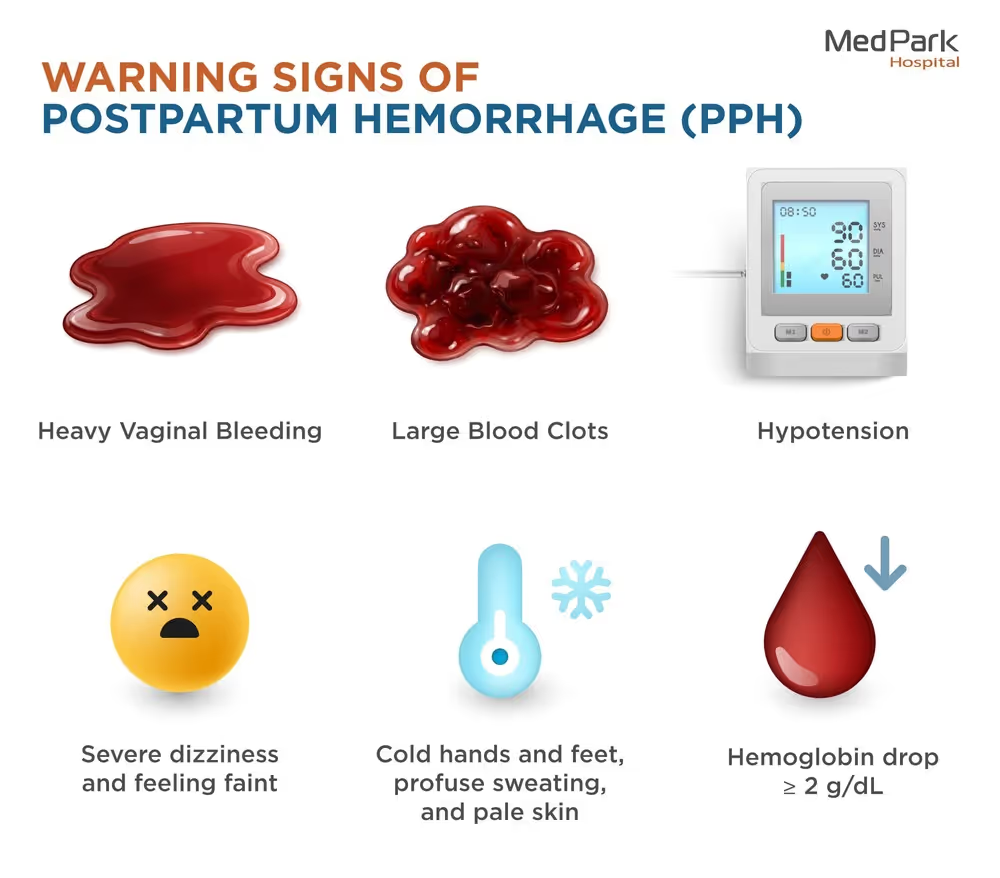
Obstetrician-gynecologist MedPark Hospital advises that if you experience any of these PPH warning signs, you must seek medical attention immediately
- Abnormally heavy vaginal bleeding, such as soaking through a sanitary pad within 1 hour.
- Severe bleeding, passing of large blood clots
- Heart palpitations, rapid pulse, irregular heartbeat, and drops in blood pressure
- Severe dizziness, lightheadedness, feeling faint, or loss of consciousness
- Extreme coldness, cold hands and feet, excessive sweating, and pale skin (warning signs of shock)
- Hemoglobin level dropping by ≥ 2 g/dL within 24–48 hours after delivery (a diagnostic criterion for PPH)
If even just one of the above symptoms is present, Call an emergency hospital equipped with a maternal-fetal medicine (MFM) team and a 24-hour blood bank immediately without delay.
How to prevent postpartum hemorrhage in twin pregnancies?
Preventing postpartum hemorrhage (PPH) in twin pregnancies or multiple pregnancies requires thorough advance planning well before delivery. Twin or triplet pregnancies carry a risk of severe PPH up to 3 times higher than singleton pregnancies. This is because carrying twins causes the uterus to be overdistended much more than a single pregnancy, making it significantly harder for the uterus to contract properly after childbirth or fail to contract at all (uterine atony).
When identified in advance, doctors can develop a proactive PPH prevention plan that includes precise, quantitative measurement of blood loss, preparation of a blood reserve for an emergency transfusion, and administration of uterotonic medications immediately after the birth of the second twin to stimulate uterine contractions.
Expectant mothers carrying twins or triplets who are aware of these elevated risks should plan their delivery with a highly experienced obstetrician-gynecologist at a hospital equipped with a 24-hour blood bank and a Neonatal Intensive Care Unit (NICU) to ensure the safest possible delivery for both the mother and the babies.
Where can I find a high-risk obstetrician in Bangkok?
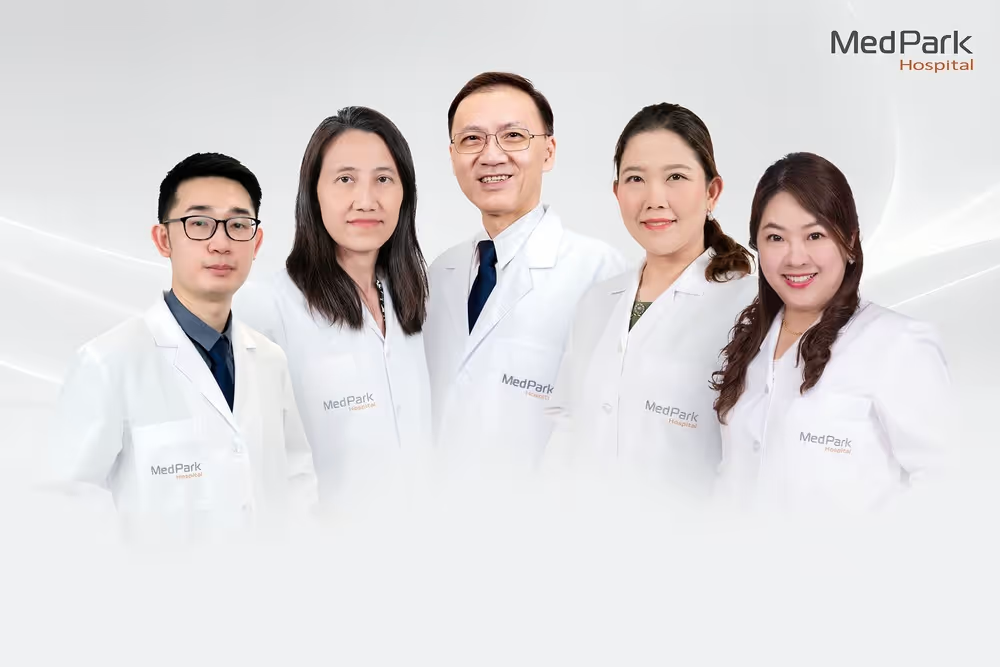
For mothers experiencing postpartum hemorrhage who require urgent blood transfusion or any expectant mothers with high-risk pregnancies who are concerned about postpartum hemorrhage (PPH) and seeking a high-risk pregnancy specialist in Bangkok—MedPark Hospital, Obstetrics and Gynecology Center offers advanced medical and nursing care systems, equipped with state-of-the-art technology to support critical patients in all emergency cases.
-
Specialist Maternal-Fetal Medicine (MFM) Team
MedPark's Maternal-Fetal Medicine (MFM) team possesses extensive experience in managing all types of complex and challenging pregnancies, including the successful delivery of multiple twins at once. The team has hands-on expertise caring for mothers with postpartum hemorrhage, preeclampsia, retained placenta, placenta previa, gestational hypertension, gestational diabetes, and other co-existing medical conditions, working in close collaboration with a multidisciplinary team of specialists.
-
24-Hour Blood Bank and ICU
MedPark Hospital features an on-site 24-hour blood bank, a fully equipped Intensive Care Unit (ICU), and a multidisciplinary medical team—ready to respond immediately to any critical emergencies resulting from acute, life-threatening blood loss.
-
International-standard NICU (Neonatal Intensive Care Unit)
An international-standard NICU (Neonatal Intensive Care Unit) designed to minimize risks and promptly handle obstetric emergencies and preterm labor, ready to provide close, comprehensive care for all kinds of high-risk pregnant mothers, including twins and premature babies.
-
Proper Postpartum Recovery After PPH With a Team of Obstetric Specialists
Proper physical rehabilitation after PPH (postpartum hemorrhage) under the care of a specialized obstetric team to accelerate recovery and prevent complications such as severe anemia. This includes iron supplementation to treat acute anemia, close monitoring of uterine involution and overall uterine health, restoring the hormonal system, and supporting mental well-being and breastfeeding, as well as tracking long-term cardiovascular health.
-
Comprehensive Care from Pre-Conception Through Postpartum
Obstetrician-gynecologists at MedPark Hospital are available to provide expert consultations in a full spectrum of care, from preconception planning to antenatal care. We provide high-quality antenatal care and education and risk management practices all the way through to planning a safe and well-prepared birth and delivery.
FAQ
1. What is the treatment of PPH?
Postpartum hemorrhage (PPH) can be treated through several approaches, depending on the cause and severity. These include the administration of uterotonic medications, uterine artery embolization (UAE), uterine balloon tamponade, and emergency surgery in critical cases, in which both the WHO and ACOG emphasize that intervention must be carried out rapidly to save lives.
2. What is the risk of preeclampsia and PPH?
Preeclampsia is a serious medical condition that increases the risk of postpartum hemorrhage (PPH) by 2.6 times compared to normal pregnancies since it causes endothelial dysfunction, a low platelet count (thrombocytopenia), and impairs the uterus's ability to contract effectively after childbirth. The risk is highest when severe preeclampsia occurs alongside twin pregnancy, placenta accreta spectrum, or placenta previa, which significantly elevates the risk of postpartum hemorrhage.