







الإسهال عند الأطفال
يُعرَّف الإسهال عند الأطفال بأنه خروج براز رخو أو مائي بتكرار أكثر من المعتاد. وعادةً ما يكون ذا بداية حادة ويتعافى منه الطفل تلقائيًا في غضون أيام قليلة. غير أنه قد يؤدي إلى فقدان كبير للسوائل والشوارد الكهربائية، مما يُفضي إلى الجفاف، وهو حالة خطيرة تستوجب إدارة سريعة ومناسبة.
كيف أعرف أن طفلي يعاني من الإسهال؟
-
راقب تكرار حركات الأمعاء
- الرضّع: إذا ازداد تكرار حركات الأمعاء إلى ضعف التكرار المعتاد تقريبًا (مثلاً، من مرتين يوميًا إلى 4–5 مرات في اليوم)، فينبغي النظر في احتمال الإسهال.
- الأطفال الأكبر سنًا: يُعدّ خروج البراز الرخو 3 مرات أو أكثر خلال 24 ساعة إسهالاً.
-
راقب خصائص البراز ولونه
- خصائص البراز الطبيعي
- الرضّع المرضعون: يكون البراز عادةً طريًا أو رخوًا، أصفر اللون إلى أخضر، وقد يحتوي على جسيمات تشبه البذور نتيجة الدهون غير المهضومة في حليب الأم.
- الرضّع المغذَّون بالحليب الصناعي: يكون البراز عادةً أكثر كثافة وتماسكًا مقارنةً برضّع الرضاعة الطبيعية، بلون أصفر-بني أو مخضر.
- خصائص البراز التي تُشير إلى الإسهال
- براز مائي، قد يكون مختلطًا بالمخاط.
- خصائص البراز الطبيعي
-
مدة الأعراض
- حاد: يستمر أقل من أسبوع واحد (شائع وغالبًا ما يتحدد من تلقاء نفسه)
- مزمن: يستمر أكثر من أسبوع واحد؛ يُنصح بالتقييم الطبي لمزيد من التشخيص
ما هي علامات التحذير من الإسهال التي تستوجب الرعاية الطبية الفورية؟
اطلب الرعاية الطبية الفورية إذا عانى طفلك من أيٍّ من الأعراض التالية:
- براز دموي أو أسود، مما قد يدل على عدوى أو نزيف معوي
- فقدان الشهية والامتناع عن شرب السوائل (عند الرضّع، لأكثر من 2–3 ساعات؛ وعند الأطفال الأكبر سنًا، لأكثر من 8 ساعات)
- جفاف الفم، وغؤور العينين، وغياب الدموع عند البكاء، أو انخفاض التبول (مثلاً، حفاضة جافة لأكثر من 6 ساعات). هذه علامات الجفاف.
- الخمول، والفتور، والتهيج غير المعتاد، أو الانزعاج الشديد.
- التقيؤ المتكرر
- ألم بطني شديد ومستمر
ما أسباب الإسهال عند الطفل؟
-
العدوى الفيروسية
هي السبب الأكثر شيوعًا ويمكن أن تحدث على مدار العام.- الأعراض: حمى >38°م، وإسهال مائي، وتقيؤ، وألم بطني، وفقدان الشهية، وصداع، وآلام في الجسم.
- المدة: تظهر الأعراض عادةً بعد 12 ساعة إلى 5 أيام من التعرض للعدوى، وغالبًا ما تتعافى تلقائيًا في غضون 3–7 أيام.
- العلاج: لا يوجد علاج مضاد للفيروسات بشكل محدد. يكون العلاج داعمًا، ويركز على الترطيب الكافي بمحلول الإماهة الفموية (ORS) والراحة. في حالات التقيؤ الشديد، قد يصف الطبيب دواءً مضادًا للتقيؤ حسب الحاجة.
-
العدوى البكتيرية
- الأعراض: حمى شديدة وبراز دموي
- العلاج: استشر الطبيب لتحديد ما إذا كانت المضادات الحيوية ضرورية.
-
العدوى الطفيلية
- الأعراض: إسهال مزمن يستمر لأسابيع إلى أشهر
- العلاج: قد يصف الطبيب أدوية مضادة للطفيليات أو مضادات ميكروبية، بحسب الكائن الدقيق المحدد
-
الإسهال المرتبط بالمضادات الحيوية
كثير من المضادات الحيوية قد تسبب الإسهال كأثر جانبي.
- الأعراض: خفيفة عادةً، دون جفاف أو فقدان وزن
- العلاج: في معظم الحالات، لا يلزم إيقاف المضاد الحيوي أو تعديل النظام الغذائي. تزول الأعراض عادةً من تلقاء نفسها بعد اكتمال الدواء أو إيقافه.
ما هي المضاعفات المحتملة للإسهال عند الأطفال؟
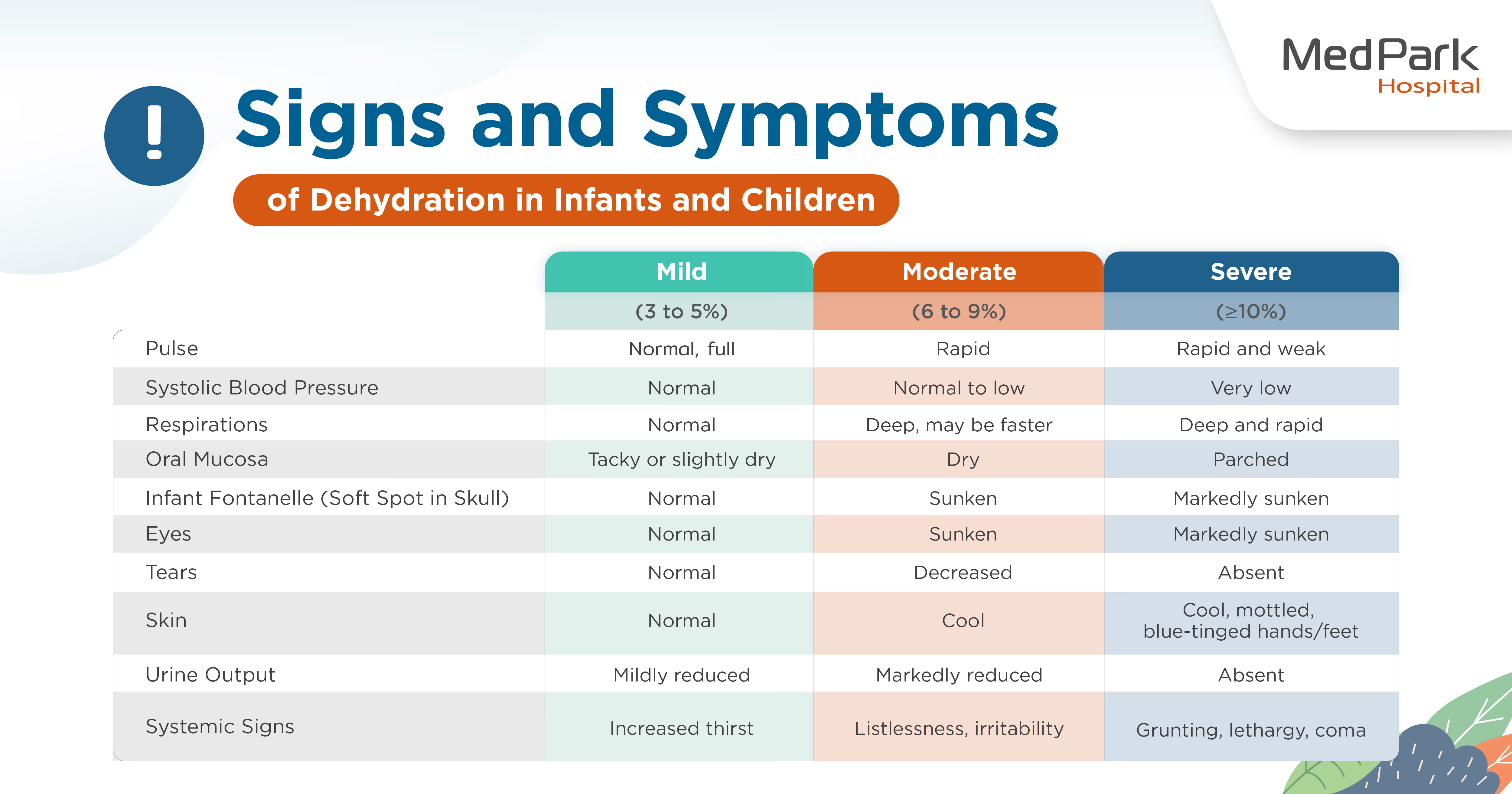
أخطر مضاعفات الإسهال عند الأطفال هو الجفاف، الذي قد يحدث عند الأطفال الصغار وأولئك الذين يعانون من ضعف في جهاز المناعة.
يمكن تصنيف الجفاف على النحو التالي:
- جفاف خفيف: فقدان طفيف لسوائل الجسم.
- جفاف متوسط: يبدأ في التأثير على وظائف القلب والأوعية الدموية والجهاز التنفسي.
- جفاف شديد: قد يتطور إلى صدمة، وهي حالة تهدد الحياة وتستوجب علاجًا طبيًا عاجلاً.
ما هي طرق تشخيص الإسهال عند الأطفال؟
- أخذ التاريخ المرضي والفحص السريري.
- تقييم البراز للكشف عن وجود مخاط أو دم.
- زراعة البراز للكشف عن مسببات بكتيرية أو طفيلية في الجهاز الهضمي. يمكن الحصول على العينات من البراز أو عبر مسحة مستقيمية.
- فحوصات الدم للمساعدة في التمييز بين الحالات الكامنة المحتملة.
- الفحص بالتصوير، كالموجات فوق الصوتية، لتقييم بنية الأعضاء الداخلية.
- فحوصات إضافية، كتقييم عدم تحمل الطعام أو الحساسية الغذائية.
- تنظير القولون أو تنظير القولون السيني.

كيف يُعالَج الإسهال؟
عند حدوث الإسهال، يفقد الجسم الماء والشوارد الكهربائية بسرعة. يتمثل الاهتمام الأساسي في الجفاف؛ لذا يركز العلاج على تعويض السوائل والشوارد الكهربائية المفقودة.
غير أنه إذا كان الإسهال ناجمًا عن عدوى بكتيرية، فقد يصف الطبيب مضادات حيوية عند الضرورة.
- أعطِ طفلك محلول الإماهة الفموية (ORS)، الذي يحتوي على النسب الصحيحة من الماء والسكر والشوارد الكهربائية لتعويض السوائل المفقودة. لا تُعطِه مشروبات الطاقة الرياضية، إذ إن مكوناتها غير مناسبة للأطفال المصابين بالإسهال.
- يجب أن يواصل الأطفال تناول حليب الأم أو الحليب الصناعي كالمعتاد. باستثناء حالات الإسهال الشديد أو المطوّل، يمكنك تجربة الحليب الخالي من اللاكتوز.
- تجنب عصائر الفاكهة والمشروبات الغازية لأنها قد تُفاقم الإسهال.
- لا ينبغي للرضّع شرب الماء الصافي. ويجب على الأطفال من جميع الأعمار تجنب شرب كميات مفرطة من الماء الصافي، إذ لا يوفر طاقة ويمكن أن يُخفف تركيز الشوارد الكهربائية في الجسم.
كيف يمكن الوقاية من الإسهال عند الأطفال؟
-
النظافة والصرف الصحي
- علّم الأطفال غسل أيديهم بشكل صحيح بالصابون والماء النظيف، لا سيما قبل الوجبات وبعد استخدام الحمام. وعلى مقدمي الرعاية، غسل الأيدي قبل تحضير الطعام وبعد تغيير الحفاضات.
- كثيرًا ما يضع الأطفال الصغار الألعاب في أفواههم. ينبغي تنظيف الألعاب والأسطح التي يزحف عليها الأطفال أو يلعبون فيها بانتظام باستخدام مطهرات آمنة للأطفال.
- لا تُغيّر الحفاضات في مناطق تحضير الطعام، كالمطبخ، لتجنب تلويث الطعام بالجراثيم.
- اغسل زجاجات الرضاعة والحلمات وجميع أدوات التغذية وعقّمها بانتظام. احفظها في مكان نظيف وجاف.
-
سلامة الغذاء والماء
- احرص على أن يتناول الأطفال طعامًا طازجًا مطبوخًا حديثًا. تجنب الطعام القديم أو بقايا الطعام المُعاد تسخينه بشكل غير صحيح.
- يجب أن يشرب الأطفال ماءً مغليًا أو ماءً معبأً معتمدًا. عند السفر إلى مناطق ذات جودة مياه مشكوك فيها، لا تستخدم ماء الصنبور لتنظيف الأسنان وتجنب تناول مكعبات الثلج.
- اغسل الفواكه الطازجة وقشّرها قبل تقديمها للأطفال.
-
التطعيم
- استشر الطبيب بشأن لقاح الروتا فيروس، إذ يُعدّ الروتا فيروس من الأسباب الرئيسية للإسهال الشديد عند الأطفال.
- أرضع طفلك رضاعةً طبيعية، إذ يساعد حليب الأم على تعزيز جهاز المناعة وتقليل خطر الإصابة بالتهابات الجهاز الهضمي.
كيفية رعاية الأطفال المصابين بالإسهال في المنزل
-
التوصيات الغذائية
عندما يُصاب الطفل بالإسهال، تُعدّ التغذية المناسبة ضرورية لمساعدة الجسم على التعافي بسرعة.
- الأطفال المصابون بالجفاف: يجب أن يتناول الأطفال محلول الإماهة الفموية (ORS) لتعويض الشوارد الكهربائية المفقودة. بمجرد تحسن حالتهم، حتى لو استمر البراز الرخو، يمكنهم استئناف النظام الغذائي الطبيعي لدعم التعافي الجسدي.
- الأطفال غير المصابين بالجفاف: يمكن الحفاظ على النظام الغذائي الطبيعي. ركّز على الكربوهيدرات المعقدة واللحوم الخالية من الدهون. تجنب الأطعمة الغنية بالدهون لأنها عسيرة الهضم. إذا قدّمت عصير فاكهة، خففه بالماء بنسبة 1:1. لا تقصر نظام الطفل الغذائي على نظام BRAT (الموز، والأرز، وصلصة التفاح، والخبز المحمص) بشكل صارم، إذ قد يؤدي ذلك إلى نقص التغذية وقد يُطيل فترة الإسهال. كذلك، قدّم الطعام في وجبات صغيرة ومتكررة لتقليل خطر التقيؤ. بالنسبة للرضّع المرضعين، يجب الاستمرار في الرضاعة الطبيعية كالمعتاد.
-
محلول الإماهة الفموية (ORS)
- أعطِه بكميات صغيرة ومتكررة (كل 1–2 دقيقة) بملعقة أو حقنة أو زجاجة، باستمرار لمدة 3–4 ساعات. لا يوقف محلول الإماهة الفموية الإسهال، لكنه يمنع الجفاف بفعالية عن طريق تعويض السوائل والشوارد الكهربائية المفقودة.
-
مراقبة علامات الجفاف
- الجفاف المبكر: قد تصبح الشفاه جافة قليلاً، مع انخفاض طفيف في التبول، مثلاً مرة واحدة فقط في 6 ساعات.
- الجفاف المتوسط إلى الشديد: جفاف واضح في الشفاه، وتبول أقل من مرة واحدة في 6 ساعات، وغياب الدموع عند البكاء، وغؤور العينين.
-
استخدام الأدوية
- المضادات الحيوية: غير مطلوبة في الغالب؛ تُوصف فقط عند تأكيد وجود عدوى بكتيرية.
- مضادات التقيؤ: غير ضرورية عادةً إلا إذا كان التقيؤ شديدًا بما يمنع تناول محلول الإماهة الفموية.
- أدوية مضادة للإسهال: غير موصى بها، إذ قد تُخفي الحالات الكامنة أو تُفاقم الأعراض.
-
البروبيوتيك
تشير الدراسات الحالية إلى أن البروبيوتيك لا يُحسّن مسار الإسهال بشكل ملحوظ. وعلى الرغم من عدم وجود موانع لاستخدامه، فإن فوائده قد تكون محدودة ولا تُبرر تكلفته.
ملاحظة من أطباء MedPark
الإسهال الحاد عند الأطفال عادةً ما يتحدد من تلقاء نفسه ويتعافى منه الطفل دون تدخل. غير أنه يُنصح بطلب الرعاية الطبية الفورية إذا أظهر الطفل أي تغيرات في السلوك، أو كان لديه براز دموي، أو يعاني من ألم بطني شديد، أو تقيؤ مستمر، وظهرت عليه علامات تحذيرية للجفاف، تشمل الخمول وجفاف الفم وانخفاض التبول أو ضعف تناول السوائل عن طريق الفم.
بالنسبة للرضّع، يمكن الاستمرار في الرضاعة الطبيعية أو بالحليب الصناعي كالمعتاد. لا ينبغي استخدام أدوية مضادة للإسهال دون استشارة طبية. يُعدّ الالتزام الصارم بممارسات النظافة، كغسل اليدين بشكل صحيح، أمرًا ضروريًا للحد من انتشار العدوى وتقليل خطر تكرارها.