






عدوى المكورات العقدية الخنزيرية (Streptococcus Suis)
عدوى المكورات العقدية الخنزيرية (S. suis) هي عدوى حيوانية المنشأ تنتقل من الخنازير إلى البشر عن طريق الاتصال المباشر أو تناول منتجات لحم الخنزير النيئة أو غير المطبوخة جيداً. بمجرد دخول البكتيريا إلى الجسم، يمكنها الدخول بسرعة إلى مجرى الدم والانتشار إلى الأعضاء الحيوية، مع ميل خاص للسحايا (الأغشية الواقية المحيطة بالدماغ) والجهاز السمعي. إذا أصابت العدوى الأذن الداخلية أو العصب السمعي، فقد تُحفّز استجابة التهابية حادة تؤدي إلى فقدان مفاجئ للسمع الحسي العصبي وصمم دائم.
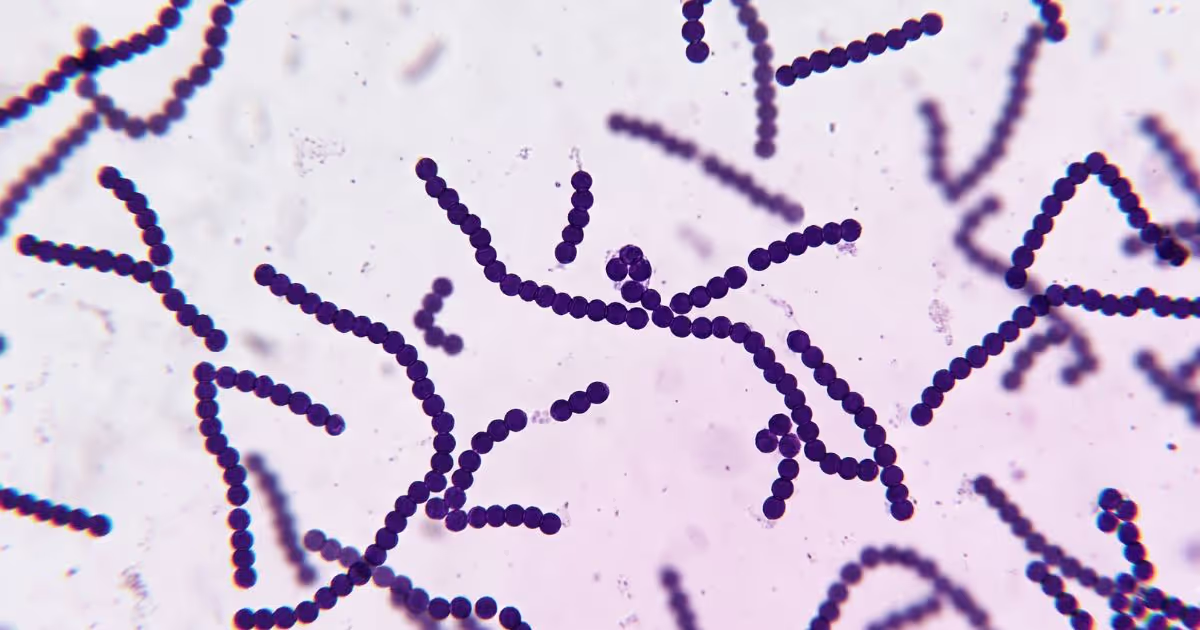
رسم توضيحي لبكتيريا المكورات العقدية الخنزيرية (Streptococcus suis)
ما هي المكورات العقدية الخنزيرية (Streptococcus suis)؟
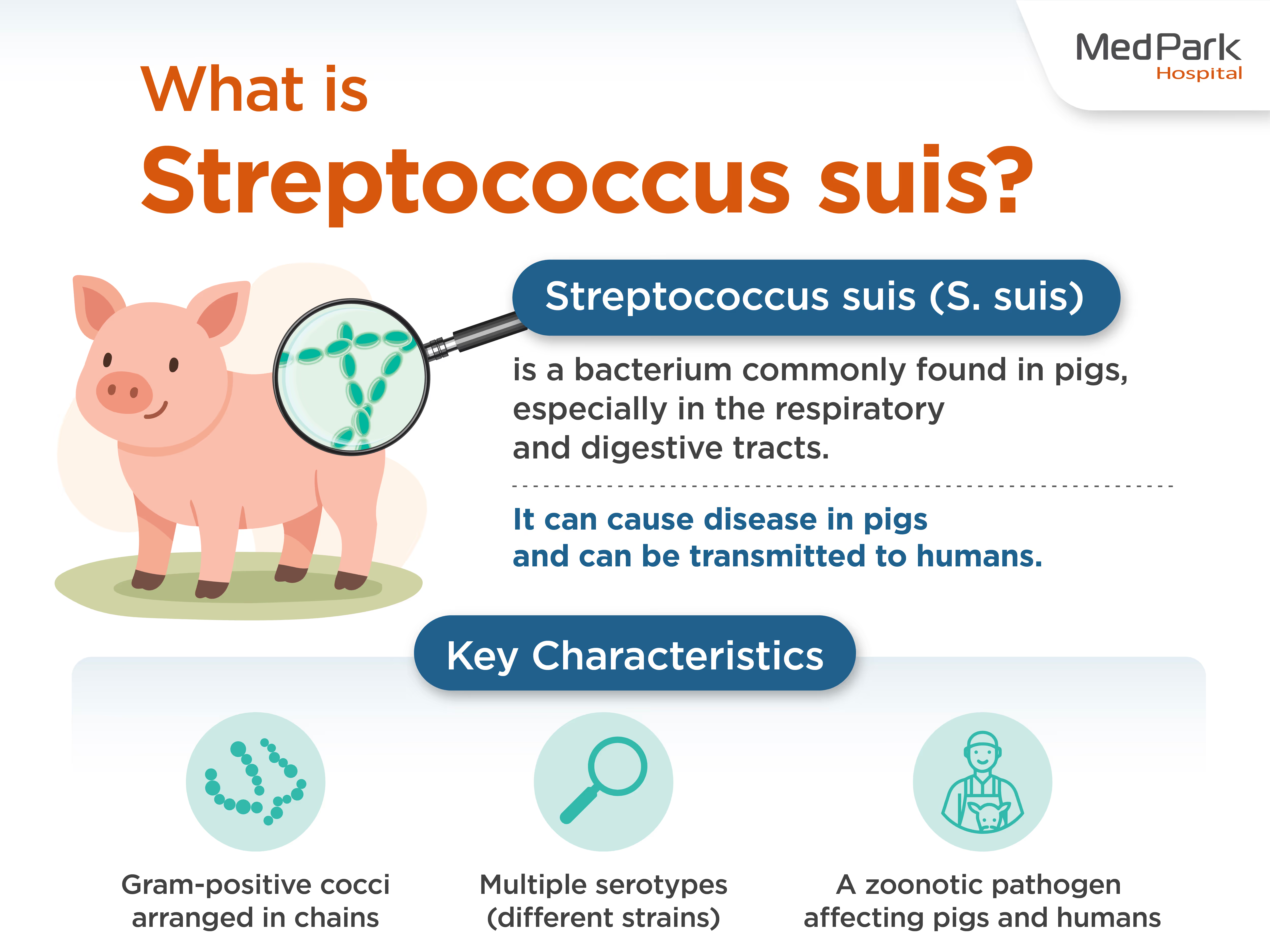
المكورات العقدية الخنزيرية (Streptococcus suis) بكتيريا شائعة توجد في الخنازير. تستوطن بصفة رئيسية الجهاز التنفسي العلوي، ولا سيما اللوزتين والتجاويف الأنفية، فضلاً عن الجهازين الهضمي والتناسلي لدى الخنازير السليمة. في كثير من الحالات، تستوطن البكتيريا المضيف دون أن تُسبب مرضاً سريرياً واضحاً، مما يُفضي إلى حاملين بدون أعراض يمكنهم نقل العامل الممرض إلى خنازير أخرى وأحياناً إلى البشر.
غير أنه في ظروف الإجهاد، كالتغيرات البيئية والنقل والاكتظاظ أو الإصابة المتزامنة ببعض الفيروسات، يمكن للمكورات العقدية الخنزيرية (Streptococcus suis) أن تتحول من كائن متعايش إلى عامل ممرض انتهازي. قد يُفضي هذا التحول إلى مرض شديد في الخنازير، يشمل التهاب السحايا والتهاب المفاصل وتعفن الدم والموت المفاجئ.
كيف تنتقل عدوى المكورات العقدية الخنزيرية (Streptococcus suis) إلى البشر؟
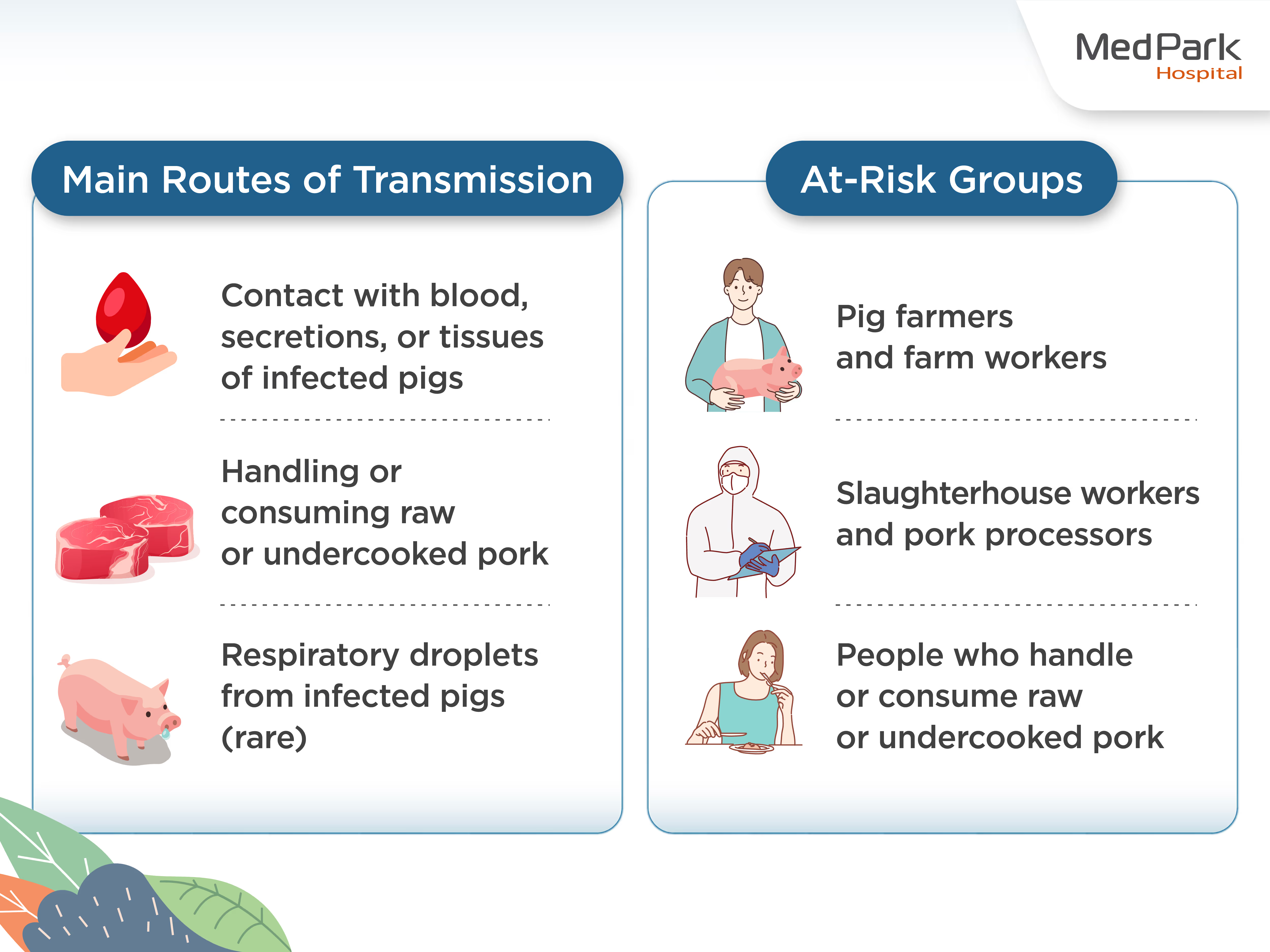
يمكن للبشر الإصابة بعدوى المكورات العقدية الخنزيرية (Streptococcus suis) عن طريق الاتصال المباشر بالخنازير المصابة أو منتجات لحم الخنزير الملوثة عبر مسارين رئيسيين:
- تناول لحم الخنزير النيء أو غير المطبوخ جيداً: يُعدّ هذا السبب الرئيسي لتفشي المرض في تايلاند، ولا سيما من خلال تناول لحم الخنزير غير المطبوخ جيداً أو الدم أو المخلفات في الأطباق التقليدية كـ لارب ديب ولو وكوي. وتُمثّل هذه العادة الغذائية الثقافية عامل الخطر الأكثر أهمية للانتقال الواسع للعدوى.
- التعرض عبر الجروح المفتوحة: يمكن للبكتيريا الدخول إلى الجسم عبر الجروح أو السحجات أو الملتحمة أثناء التعامل مع الخنازير المصابة أو لحم الخنزير النيء. ويشمل الأفراد الأكثر عرضة للخطر مربي الخنازير وعمال المسالخ وباعة اللحوم.
حتى الآن، لا يوجد دليل مؤكد على انتقال العدوى من إنسان إلى إنسان. وعلى الرغم من أن الإصابات تقتصر عادةً على الأفراد ذوي التعرض المباشر، فإن المرض قد يكون شديداً وربما مهدداً للحياة، لا سيما لدى ذوي المناعة المضعفة.
ما هي أعراض عدوى المكورات العقدية الخنزيرية (Streptococcus suis)؟
تتطور عدوى المكورات العقدية الخنزيرية (Streptococcus suis) عادةً بسرعة وقد تكون شديدة. يُعاني معظم المرضى من أعراض حادة قد تتطور إلى مضاعفات خطيرة في غضون فترة قصيرة.
- حمى شديدة مفاجئة مصحوبة بقشعريرة
- صداع حاد وإرهاق شديد
- غثيان وقيء
- تصلب الرقبة والارتباك أو انخفاض مستوى الوعي، مما يوحي بالتهاب السحايا
- فقدان سريع للسمع أو طنين الأذن (رنين في الأذنين) أو دوار
ما هي المضاعفات المحتملة؟
- التهاب السحايا: مضاعفة شائعة قد تُسبب ضعفاً عصبياً شديداً.
- الإنتان (عدوى مجرى الدم): قد يؤدي إلى انخفاض خطير في ضغط الدم ويتطور إلى صدمة إنتانية.
- فقدان السمع الدائم: سمة مميزة للمرض، وقد تحدث في مرحلة مبكرة من مسار العدوى.
- المضاعفات العصبية: بما فيها النوبات التشنجية وفقدان الوعي.
- اضطرابات التوازن: ناجمة عن تلف الأذن الداخلية (الجهاز الدهليزي).
لماذا يكون فقدان السمع دائماً؟
ينجم فقدان السمع الناتج عن عدوى المكورات العقدية الخنزيرية (Streptococcus suis) عن عملية التهابية حادة تُدمّر البنى الحيوية داخل الأذن الداخلية، ولا سيما القوقعة، وهي العضو الرئيسي المسؤول عن استشعار الصوت وتحويله إلى إشارات عصبية.
1. مرحلة الالتهاب الحاد
عندما تدخل المكورات العقدية الخنزيرية (Streptococcus suis) إلى القوقعة، يستجيب الجسم بتعبئة خلايا الدم البيضاء والوسائط الالتهابية إلى موقع الإصابة. وعلى الرغم من أن هذا يُمثّل آلية دفاعية طبيعية، فإن الالتهاب الشديد قد يُلحق ضرراً سريعاً بالخلايا الشعرية المسؤولة عن تحويل الموجات الصوتية إلى نبضات عصبية.
2. مرحلة التليف
إذا استمر الالتهاب، فقد يؤدي إلى تكوّن نسيج ليفي (تليف) داخل الأذن الداخلية. يُعيق هذا التندب دوران اللمف الباطن واللمف المحيطي، وهما السائلان الموجودان داخل القوقعة اللذان يُعدّان ضروريين لنقل الصوت.
3. مرحلة التعظم (التهاب المتاهة العظمي - Labyrinthitis Ossificans)
في المرحلة التالية، يحاول الجسم إصلاح الأنسجة التالفة بالتكلسات، مما يؤدي إلى تكوّن عظام جديدة داخل القوقعة. تُدمّر هذه العملية بصفة دائمة البنية الداخلية الدقيقة للأذن الداخلية، مما يُفضي إلى صمم عميق لا رجعة فيه.
ما هي عوامل خطر الإصابة بعدوى المكورات العقدية الخنزيرية (Streptococcus suis)؟
العوامل الغذائية والسلوكية
- تظل العادة الثقافية المتمثلة في تناول أطباق لحم الخنزير النيء أو غير المطبوخ جيداً، كـ لاب ديب ولو وكوي ونام ديب وسوي جو، محركاً رئيسياً لتفشي المرض في تايلاند.
- قد يُضعف تناول الكحول مع اللحوم النيئة أو غير المطبوخة جيداً دفاعات المناعة المعوية ويُخفي الأعراض المبكرة، مما قد يُؤخر التعرف على المرض وتلقي الرعاية الطبية في الوقت المناسب.
- تزيد الممارسات غير الصحية أثناء تناول وجبات الشواء أو الطهي على الطاولة (هوت بوت)، كاستخدام نفس أعواد الطعام أو الأدوات لالتقاط الأطعمة النيئة والمطبوخة معاً أو وضع اللحم النيء بجانب الخضروات الطازجة، من خطر التلوث المتبادل.
العوامل المهنية
- قد يُصاب الأفراد في المهن التي تستلزم الاتصال المباشر بالخنازير أو منتجات لحم الخنزير بالعدوى عبر الجروح أو السحجات أو الملتحمة.
- مربو الخنازير والمزارعون.
- عمال المسالخ.
- باعة اللحوم والجزارون.
- الأطباء البيطريون وموظفو المختبرات الذين يتعاملون مع جثث الخنازير أو يُجرون الاختبارات التشخيصية.
العوامل الصحية
- الأفراد ذوو المناعة المضعفة والمرضى الذين يتناولون أدوية مثبطة للمناعة.
- المرضى المصابون بأمراض مزمنة، كالسكري وأمراض الكلى وأمراض القلب وارتفاع ضغط الدم.
- الأفراد المصابون بانعدام الطحال، لأن الطحال عضو حيوي لتصفية هذا النوع المحدد من البكتيريا من مجرى الدم.
- يُضعف الاستهلاك المزمن للكحول أو تليف الكبد آليات الدفاع الطبيعية للجسم ضد العدوى.
ما هي طرق تشخيص عدوى المكورات العقدية الخنزيرية (Streptococcus suis)؟
- التاريخ الطبي والفحص السريري: نظراً لأن الأعراض المبكرة كثيراً ما تُشبه أعراض الإنفلونزا، فإن التقييم السريري الشامل أمر ضروري. سيستفسر الأطباء تحديداً عن عوامل التعرض الأخيرة، بما فيها تناول لحم الخنزير النيء أو غير المطبوخ جيداً والاتصال المباشر بالخنازير خلال الأربعة عشر يوماً الماضية.
- زراعة الدم والسائل الدماغي الشوكي (CSF): يمكن للاختبار تأكيد عدوى المكورات العقدية الخنزيرية (Streptococcus suis).
- اختبار تفاعل البوليميراز المتسلسل (PCR): هو طريقة تشخيص جزيئية عالية الحساسية يمكنها الكشف عن الحمض النووي للبكتيريا، حتى لدى المرضى الذين بدأوا العلاج بالمضادات الحيوية.
- التصوير بالرنين المغناطيسي (MRI): يمكن للتصوير بالرنين المغناطيسي للدماغ والأذن الداخلية تقييم مدى التهاب السحايا وتحديد التشوهات داخل القوقعة.
- قياس السمع (Audiometry): يُقيّم درجة فقدان السمع ويُحددها.
ما هي طرق علاج عدوى المكورات العقدية الخنزيرية (Streptococcus suis)؟
يستلزم علاج عدوى المكورات العقدية الخنزيرية (Streptococcus suis) تلقي رعاية طبية فورية. يتضمن العلاج الأساسي إعطاء مضادات حيوية عن طريق الوريد تحت إشراف طبي دقيق.
- العلاج بالمضادات الحيوية
- سيفترياكسون (Ceftriaxone): الدواء المعياري لعلاج التهاب السحايا. يُعطى عادةً عن طريق الوريد بجرعة 2 غرام كل 12 ساعة لمدة تتراوح بين 14 و21 يوماً تقريباً، وذلك بحسب شدة العدوى وتقدير الطبيب.
- بنسلين جي (Penicillin G): قد يُؤخذ بعين الاعتبار لبعض المرضى، ولا سيما عندما تكون البكتيريا شديدة الحساسية للدواء. يعتمد استخدام هذا المضاد الحيوي على نتائج الاختبارات المخبرية وتقدير الطبيب المعالج.
- الكورتيكوستيرويدات المساعدة
- ديكساميثازون (Dexamethasone): يمكن أن يُساعد إعطاء الديكساميثازون مع المضادات الحيوية في تقليل خطر فقدان السمع. قد يُعطي الأطباء جرعة وريدية مقدارها 10 ملغ من الديكساميثازون قبل الجرعة الأولى من المضادات الحيوية أو معها. بعد الجرعة الأولى، يُستمر في إعطاء الديكساميثازون كل 6 ساعات لمدة إجمالية تبلغ 4 أيام.

إعادة التأهيل والعلاجات البديلة
بالنسبة للمرضى الذين يعانون من فقدان دائم للسمع، يُعدّ زرع القوقعة الاصطناعية خياراً تأهيلياً رئيسياً يمكنه المساعدة في استعادة الإدراك السمعي وتحسين جودة الحياة بشكل ملحوظ.
العلاج بالأكسجين عالي الضغط (HBOT) استقطب أيضاً الاهتمام بوصفه علاجاً مساعداً. غير أن الأدلة الحالية بشأن فعاليته في استعادة السمع لا تزال غير حاسمة. سيُقرر الطبيب استخدامه بحسب كل حالة على حدة.
ما هي التدابير الوقائية وممارسات النظافة الصحيحة؟
تحضير الطعام والطهي
- اطبخ لحم الخنزير وسائر اللحوم جيداً عند درجة حرارة لا تقل عن 70 درجة مئوية لمدة 10 دقائق.
- استخدم أدوات مطبخ منفصلة للأطعمة النيئة والمطبوخة، كألواح التقطيع والسكاكين، لمنع التلوث المتبادل.
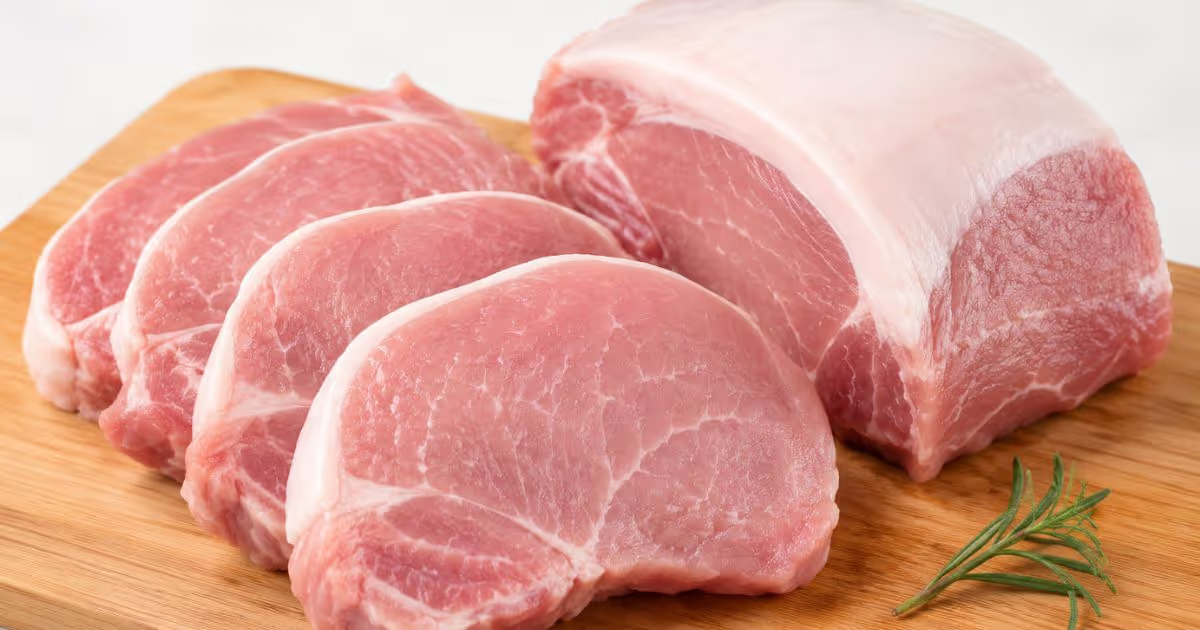
- اشترِ لحم الخنزير من مصادر موثوقة تستوفي معايير النظافة الصحية وحاصلة على شهادة من إدارة تنمية الثروة الحيوانية. يجب أن يكون اللحم وردياً شاحباً وطازج الرائحة وخالياً من أي علامات فساد.
التدابير الوقائية للأفراد المتعاملين مع الخنازير
- للحد من خطر دخول البكتيريا عبر الجلد، ارتدِ معدات الحماية كالأحذية والقفازات المطاطية والملابس الواقية عند التعامل مع الخنازير أو لحم الخنزير النيء.
- إذا كانت هناك جروح أو جروح مفتوحة في اليدين، يجب تغطيتها بإحكام وغسلها جيداً بالصابون والماء بعد أي اتصال بالحيوانات أو لحم الخنزير النيء.
- يجب على مشغلي مزارع الخنازير الالتزام الصارم بتدابير مكافحة الأمراض البيطرية للوقاية من انتشار العدوى داخل قطعان الخنازير والحد منه.
عدوى المكورات العقدية الخنزيرية (Streptococcus suis) في تايلاند (حتى 28 أبريل 2026)
أفادت إدارة مكافحة الأمراض (DDC) بأنه بين 1 يناير و24 أبريل 2026، سُجّلت 241 حالة موثقة من مرض المكورات العقدية الخنزيرية، بمعدل إصابة بلغ 0.371 لكل 100,000 نسمة. وتتوقع الإدارة ارتفاع عدد الحالات خلال الربع الثاني (أبريل - يونيو)، الذي يتزامن مع ارتفاع درجات الحرارة وزيادة استهلاك لحم الخنزير النيء أو غير المطبوخ جيداً.
تُشير البيانات المصنفة حسب الفئة العمرية إلى أن غالبية الحالات تقع في الأفراد الذين تبلغ أعمارهم 60 عاماً فأكثر، يليهم الفئة العمرية من 50 إلى 59 عاماً ثم من 40 إلى 49 عاماً. وجغرافياً، تأتي تقارير الحالات المستمرة من المناطق الوسطى العليا والشمالية السفلى والشمالية الشرقية السفلى في تايلاند.
تظل معظم حالات التفشي مرتبطة ارتباطاً وثيقاً بالممارسات الاجتماعية والثقافية المحلية، ولا سيما التجمعات الدينية وفعاليات صنع الثواب والاحتفالات المجتمعية التي يشيع فيها تناول أطباق لحم الخنزير النيء أو غير المطبوخ جيداً. وتُعدّ هذه الأنشطة الثقافية محركاً رئيسياً لانتقال المرض.
المفاهيم الخاطئة الشائعة حول تحضير الطعام في تايلاند
خرافة: إضافة عصير الليمون أو الحامض "يطبخ" اللحم النيء ويجعله آمناً للأكل.
على الرغم من أن حمض الستريك في عصير الليمون له بعض النشاط المضاد للبكتيريا، فإنه غير فعّال في قتل المكورات العقدية الخنزيرية (Streptococcus suis) في اللحم النيء أو الدم. إن تغير اللون بعد إضافة عصير الليمون هو مجرد تفاعل كيميائي بين الحمض وبروتينات اللحم، ولا يعني تعطيل العوامل الممرضة بفعالية كما يحدث عند الطهي بدرجات حرارة عالية.
خرافة: شرب الكحول مع الطعام النيء يقتل بكتيريا المعدة.
إن كمية الكحول وتركيزه المعتاد عند الاستهلاك غير كافيين للقضاء على العوامل الممرضة. علاوة على ذلك، قد يُضعف الكحول المُتناول وظيفة المناعة والحكم في اختيار الطعام، مما يزيد من خطر الإصابة بالعدوى.
خرافة: تجميد لحم الخنزير يقتل البكتيريا.
يمكن للمكورات العقدية الخنزيرية (Streptococcus suis) البقاء على قيد الحياة في درجات الحرارة المنخفضة. وبينما قد يُبطئ التجميد نمو البكتيريا، فإنه لا يُزيل العامل الممرض بفعالية. يظل الطهي الجيد بحرارة كافية الطريقة الوحيدة الموثوقة لتعطيل البكتيريا.
خرافة: لحم الخنزير الذي يبدو طازجاً خالٍ من العدوى.
قد تحمل الخنازير التي تبدو سليمة ولحم الخنزير الذي يبدو طازجاً المكورات العقدية الخنزيرية (Streptococcus suis). لا يمكن للفحص البصري وحده ضمان السلامة. لذلك، يجب طهي لحم الخنزير جيداً قبل تناوله.
ملاحظة من أطباء MedPark
عدوى المكورات العقدية الخنزيرية (Streptococcus suis) قد تتطور بسرعة في شدتها. وبدون تشخيص سريع وعلاج في الوقت المناسب، يمكن أن تؤدي إلى مضاعفات خطيرة، بما فيها التهاب السحايا والإنتان وفقدان السمع الدائم. غير أن هذا المرض قابل للوقاية تماماً من خلال الامتناع عن تناول لحم الخنزير النيء أو غير المطبوخ جيداً والالتزام بممارسات النظافة الصحيحة، بما فيها غسل اليدين جيداً واستخدام أدوات منفصلة للأطعمة النيئة والمطبوخة والتأكد من طهي لحم الخنزير جيداً قبل تناوله.