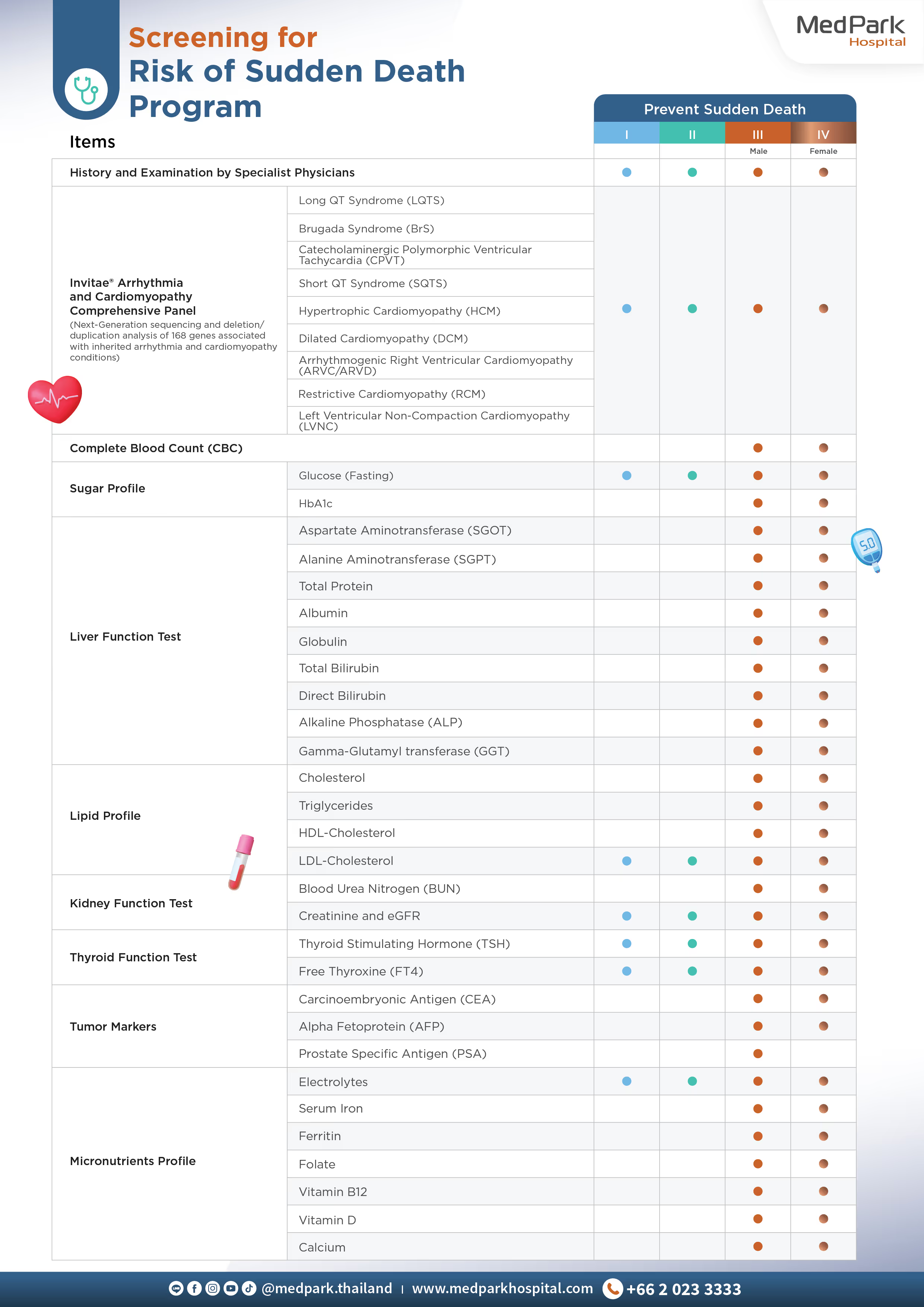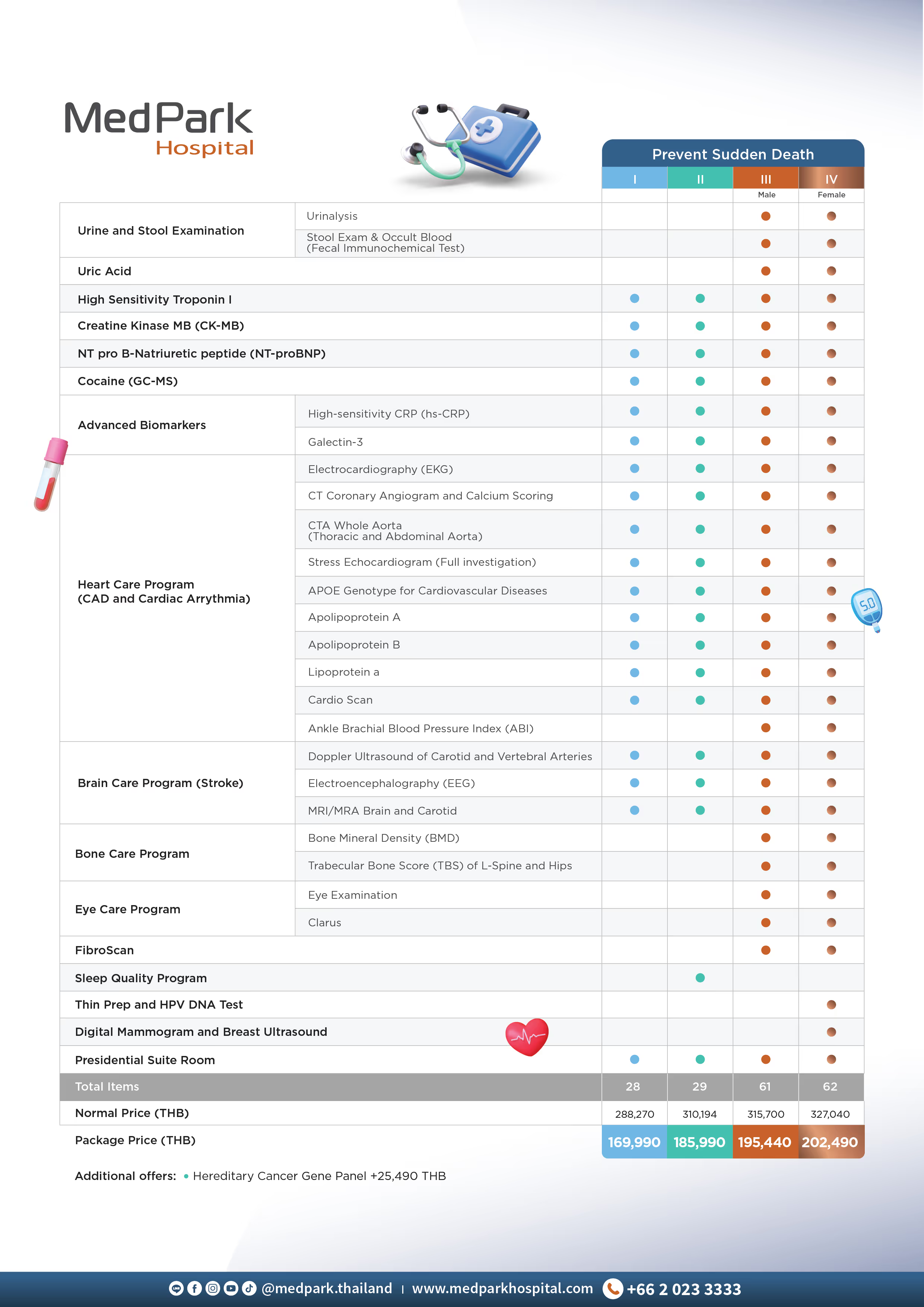




برنامج الفحص للكشف عن خطر الموت المفاجئ
ما هو الموت المفاجئ؟
يشير الموت المفاجئ إلى حالة تتوقف فيها الأعضاء الحيوية عن العمل فجأة. يحدث في لحظة واحدة وهو حالة بالغة الخطورة، تؤدي إلى الوفاة الفورية أو الوفاة في غضون ساعة واحدة من ظهور الأعراض. يمكن أن يحدث لأي شخص وعادةً ما يقع دون سابق إنذار أو مع تحذير بسيط.
هل تعلم؟ إن الفحوصات الصحية السنوية الروتينية ليست شاملة بما يكفي للكشف عن مخاطر الموت المفاجئ. يُعدّ برنامج الفحص للكشف عن خطر الموت المفاجئ شكلاً خاصاً من الوقاية الموجَّهة، مصمَّماً للكشف عن نقاط الضعف الخفية المرتبطة بأمراض القلب، والاضطرابات العصبية وأمراض الدماغ، والحالات المرتبطة بالنوم، والمخاطر الجينية.
فحوصات تشخيصية متقدمة تكمّل الفحوصات الصحية الروتينية
- لوحة فحوصات الدم مُصمَّمة للكشف الدقيق عن الأسباب الكامنة لأمراض القلب والأوعية الدموية وعوامل الخطر الجينية.
- التروبونين I عالي الحساسية وكرياتين كيناز-MB (CK-MB) مؤشران على نقص تروية عضلة القلب واحتشاء عضلة القلب الحاد.
- NT-proBNP مؤشر حيوي لقصور القلب الذي يرفع خطر السكتة القلبية المفاجئة.
- ApoA1 وApoB، والبروتين الدهني (أ) تساعد في تقييم خطر تصلب الشرايين، وهو سبب شائع لمرض الشريان التاجي وقصور القلب.
- النمط الجيني APOE يُقيّم عامل الخطر الوراثي لمرض الشريان التاجي وأمراض الأوعية الدموية الدماغية.
- لوحة فحص خطر تجلط الدم غير الطبيعي. تُقيّم هذه اللوحة خطر تكوّن جلطات دموية داخل الأوعية قد تنتقل عبر مجرى الدم وتسدّ الأوعية الدموية في الأعضاء الحيوية. يمكن أن تؤدي مثل هذه الأحداث إلى حالات خطيرة، منها: السكتة الدماغية عند انقطاع تدفق الدم إلى الدماغ، واحتشاء عضلة القلب عند تأثر الشرايين التاجية، والانسداد الرئوي عند تأثر الأوردة — وكلها أسباب رئيسية للموت المفاجئ.
>> يُقيّم البرنامج بشكل شامل خطر الجلطات من خلال الاختبارات الجينية وتقييم البروتينات الرئيسية المشاركة في نظام التخثر في الجسم، للكشف عن الاضطرابات الكامنة التي قد تمر دون أن يُلاحَظ. وتشمل:
- طفرة العامل V لايدن: تكشف عن طفرة جينية مرتبطة بزيادة الميل لتجلط الدم داخل الأوعية
- فحص العامل VIII: يقيس مستوى بروتين التخثر؛ إذ قد ترفع المستويات المرتفعة من خطر الجلطات
- مضاد الثرومبين III والبروتين C والبروتين S: بروتينات مضادة للتخثر طبيعية؛ يمكن أن يزيد نقصها أو خللها من احتمالية تكوّن جلطات غير طبيعية
- مضاد تخثر الذئبة: يُحدد الاضطرابات المناعية المرتبطة بزيادة خطر الجلطات على عكس ما يوحي به اسمه، ولا سيما في متلازمة أضداد الفوسفوليبيد (APS)
- الفحوصات التصويرية والوظيفية للكشف عن عوامل الخطر المتعلقة بأمراض القلب والأوعية الدموية والاضطرابات العصبية والأوعية الدموية الدماغية
- التصوير المقطعي للشرايين التاجية وتسجيل الكالسيوم يكشفان عن تضيق الشرايين التاجية أو مدى تكلسها، ويُقيّمان وجود مرض الشريان التاجي، وهو سبب رئيسي لاحتشاء عضلة القلب الحاد والموت المفاجئ.
- تخطيط صدى القلب بالإجهاد يقارن أداء القلب في حالة الراحة وبعد التمرين، ويُقيّم انقباضية عضلة القلب، ويُحدد مناطق نقص التروية فيها.
- التصوير المقطعي للشريان الأورطي بالكامل (الشريان الأورطي الصدري والبطني) يُشخّص تشريح الأورطي وتمدد الأوعية الدموية الأورطية البطنية (AAA).
- الموجات فوق الصوتية دوبلر للشرايين السباتية والفقرية تُقيّم سرعة واتجاه تدفق الدم وتُحدد تضيق أو انسداد الشرايين الرئيسية في الرقبة التي تمد الدماغ بالدم.
- التصوير بالرنين المغناطيسي/تصوير الأوعية بالرنين المغناطيسي للدماغ والشريان السباتي يكشف عن تضيق أو انسداد أو توسع أوعيوي في الأوعية الدماغية التي قد تؤدي إلى سكتة دماغية.
- مراقبة تخطيط الدماغ الكهربائي القصيرة تُقيّم وظائف الدماغ وتكشف عن نشاط غير طبيعي في موجات الدماغ، كالصرع أو النوبات غير المبررة.
- مراقبة نشاط القلب بجهاز كارديو سكان. للكشف عن اضطرابات متقطعة في نظم القلب قد يفوتها تخطيط القلب الكهربائي (ECG) الاعتيادي.
- الاختبار الجيني. لتحليل التسلسلات الجينية والكشف عن الحذف أو التضاعف في 168 جيناً مرتبطاً باضطرابات نظم القلب الوراثية واعتلالات عضلة القلب الوراثية، بما فيها متلازمة QT الطويل (LQTS)، ومتلازمة QT القصير، ومتلازمة بروغادا، وتسرع القلب البطيني متعدد الأشكال، واعتلال عضلة القلب التوسعي، واعتلال عضلة القلب البطيني الأيمن اللانظمي، واعتلال عضلة القلب التقييدي، واعتلال عضلة القلب بعدم اكتمال ضغط البطين الأيسر.
- اختبار النوم. دراسة نوم شاملة تراقب باستمرار نشاط موجات الدماغ، ونظم القلب، والتنفس، ومستويات تشبع الأكسجين في الدم، للكشف عن اضطرابات النوم بما فيها انقطاع النفس الانسدادي أثناء النوم، وهو حالة تُلقي عبئاً حاداً على القلب وتؤدي بمرور الوقت إلى تضخم البطين الأيسر. كما تُساعد في تشخيص الصرع وغيره من الاضطرابات العصبية.
برنامج الفحص للكشف عن خطر الموت المفاجئ
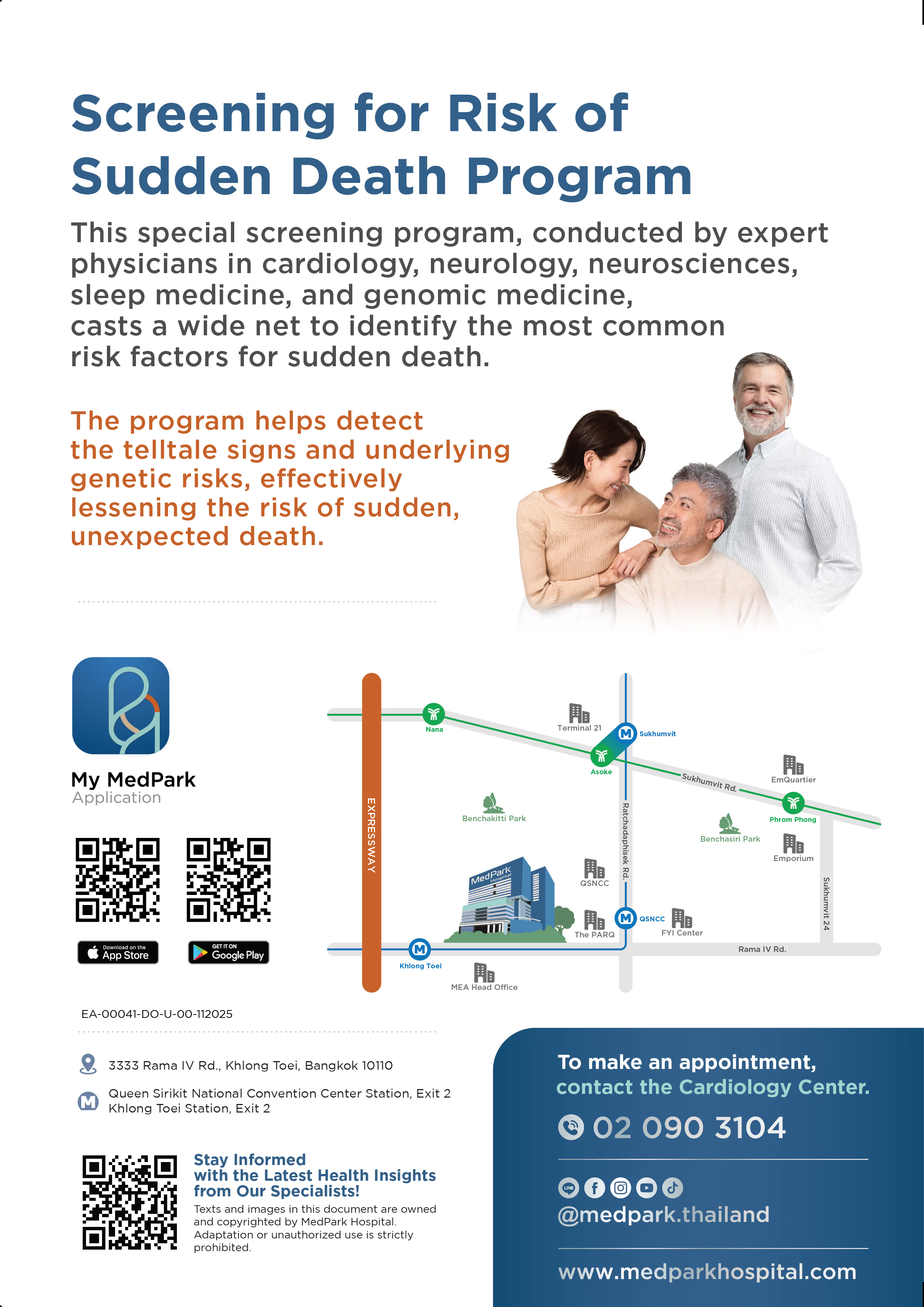
يُلقي هذا البرنامج الفحصي الخاص، الذي يُجريه أطباء متخصصون في أمراض القلب، وطب الأعصاب، وعلوم الأعصاب، وطب النوم، والطب الجينومي، شبكة واسعة للكشف عن أكثر عوامل الخطر شيوعاً للموت المفاجئ. يساعد البرنامج في الكشف عن العلامات الدالة والمخاطر الجينية الكامنة، مما يُقلل بفاعلية من خطر الوفاة المفاجئة غير المتوقعة.