






رؤية أوضح للعالم
ICL - حل يحافظ على القرنية لعلاج قصر النظر والاستجماتيزم
إذا كنت من بين الذين يعانون من قصر النظر ويبحثون عن حل آمن لتحقيق رؤية حادة وعالية الدقة، فنودّ أن نعرّفك على العدسة اللاصقة القابلة للزرع (ICL)، وهي تقنية مبتكرة مصمّمة لمساعدتك على تجاوز قيود الرؤية واكتشاف العالم من جديد بحدّة ووضوح استثنائيَّين.
“قد لا يكون كثير من المرضى مرشّحين مناسبين لعمليتَي LASIK أو SMILE Pro بسبب رقّة القرنية أو الأخطاء الانكسارية المرتفعة التي تتجاوز الحدود الآمنة لإعادة تشكيل القرنية بالليزر. غير أنه لا داعي لليأس؛ إذ تُقدّم ICL بديلاً فعّالاً للغاية وأقل توغلاً.”
تعكس هذه الملاحظة الاهتمام الحقيقي لـ Dr. Thitima Wangcharoen، طبيبة عيون متخصصة في جراحة القرنية والانكسار، التي ستأخذنا في جولة شاملة لاستكشاف هذه التقنية المبتكرة.
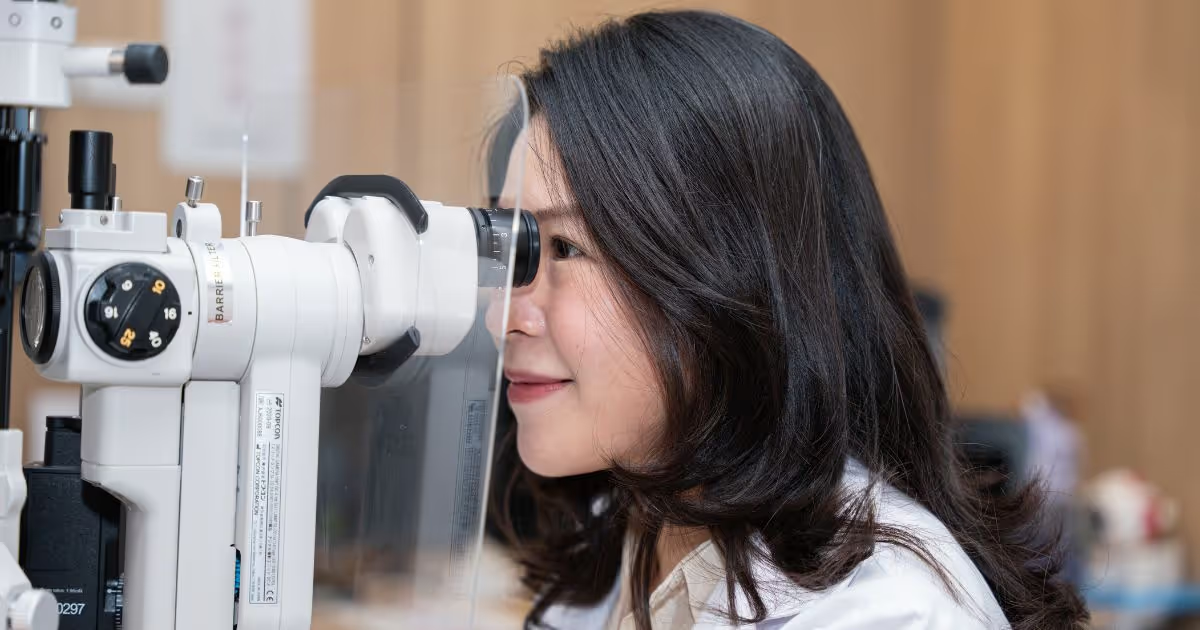
ICL: آفاق جديدة في تصحيح الرؤية حين تعجز LASIK وSMILE Pro
عند الحديث عن تصحيح الرؤية، كثيراً ما تتبادر إلى الذهن أولاً الإجراءات القائمة على الليزر، كـ LASIK التقليدية، والابتكارات الشائعة كـ SMILE Pro. بيد أن نهجاً بديلاً كـ ICL يكتسب اليوم اعترافاً متزايداً وانتشاراً واسعاً.
أوضحت Dr. Thitima: “دخلت ICL إلى الممارسة السريرية منذ سنوات عديدة. غير أن تقنيات العدسات من الجيل التالي لا تزال في تطوّر مستمر. علاوة على ذلك، وسّعت إدارة الغذاء والدواء الأمريكية (FDA) النطاق العمري المعتمد لزرع ICL من 21-45 سنة إلى 21-60 سنة. وبذلك، نالت ICL قبولاً دولياً أوسع، وباتت قادرة على تلبية احتياجات شريحة أكبر من المرضى المصابين بأخطاء انكسارية.”
ما هي العدسة اللاصقة القابلة للزرع (ICL)؟
بعبارة بسيطة، ICL هي “عدسة قابلة للزرع مصمَّمة خصيصاً”. خلال الإجراء، يضع طبيب العيون هذه العدسة فائقة الرقّة داخل العين، في موضع أمام العدسة الطبيعية مباشرةً وخلف القزحية بشكل غير مرئي. تعمل العدسة على انكسار الضوء بدقة نحو الشبكية، مما يوفّر رؤية عالية الدقة بوضوح وعمق استثنائيَّين مع تقليل الوهج والهالات الليلية.
“بالنسبة للمرضى الذين يعانون من قصر نظر خفيف إلى متوسط، يمكن أن يكون تصحيح الرؤية بالليزر فعّالاً للغاية.” أوضحت Dr. Thitima.
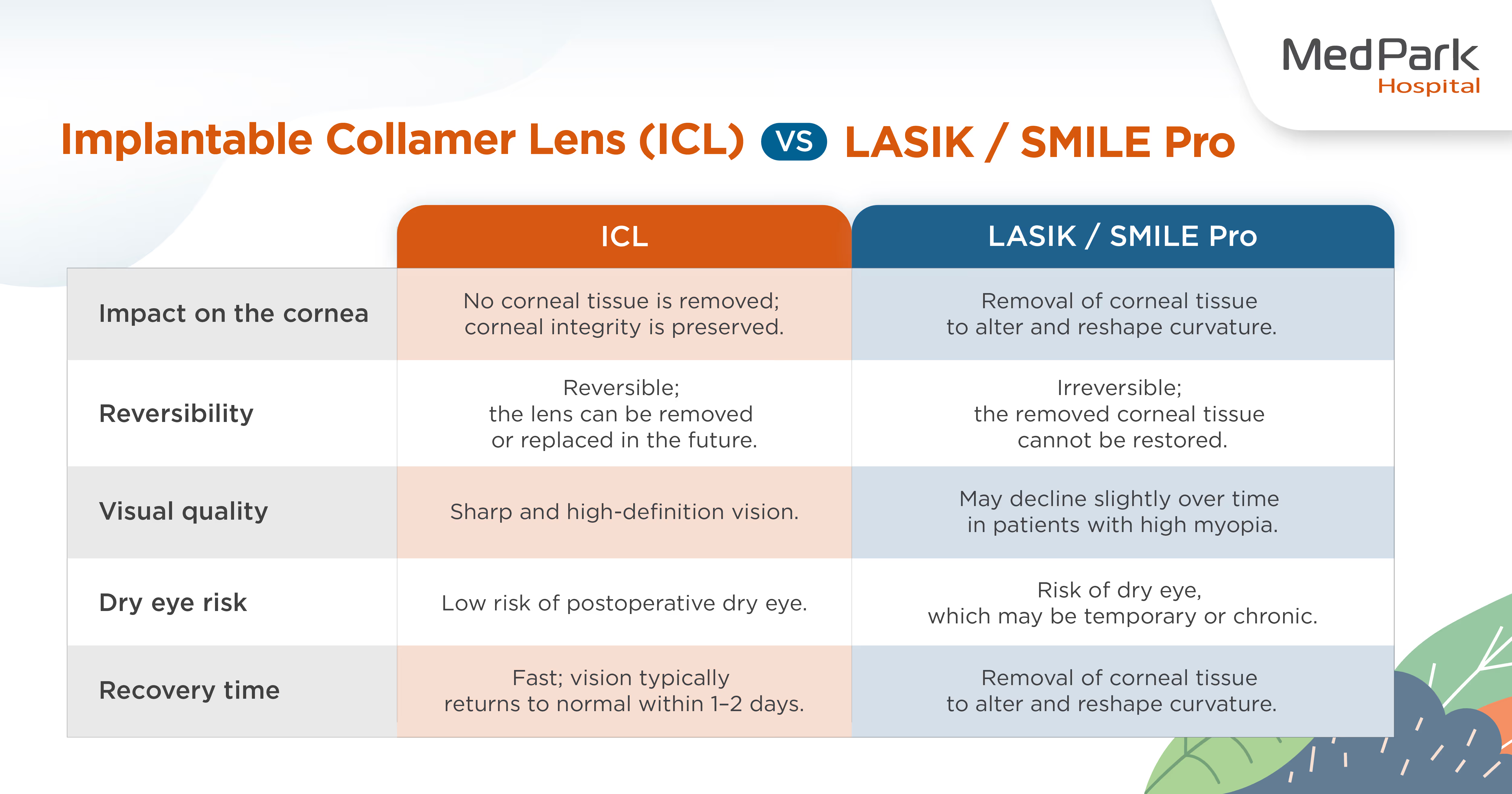
“أما في حالات قصر النظر الشديد، ولا سيما من يتجاوز درجاتهم 800 إلى 1000 درجة، أو في حالات الاستجماتيزم المصاحب، فقد تكون إجراءات كـ LASIK أو SMILE مقيّدة باعتبارات السلامة. إذ يُعيد تصحيح الرؤية بالليزر تشكيل القرنية عبر إزالة نسيج منها بصفة دائمة، وكلما ارتفعت درجة قصر النظر، زادت كمية النسيج القرني المُزال. في المقابل، تحافظ ICL تماماً على البنية الطبيعية للقرنية وقوّتها الميكانيكية الحيوية.”
عدسات ICL مصمَّمة للاستخدام مدى الحياة دون أن تتدهور. ومن أبرز مزاياها إمكانية إزالتها. فعندما يُصاب المرضى بإعتام عدسة العين المرتبط بالتقدم في السن بشكل طبيعي، يمكن إزالة ICL بأمان أثناء جراحة الساد، مما يتيح إجراء العمليتين بسلاسة في جلسة واحدة.
ICL (العدسة اللاصقة القابلة للزرع) مقابل تصحيح الرؤية بالليزر (LASIK / SMILE Pro)
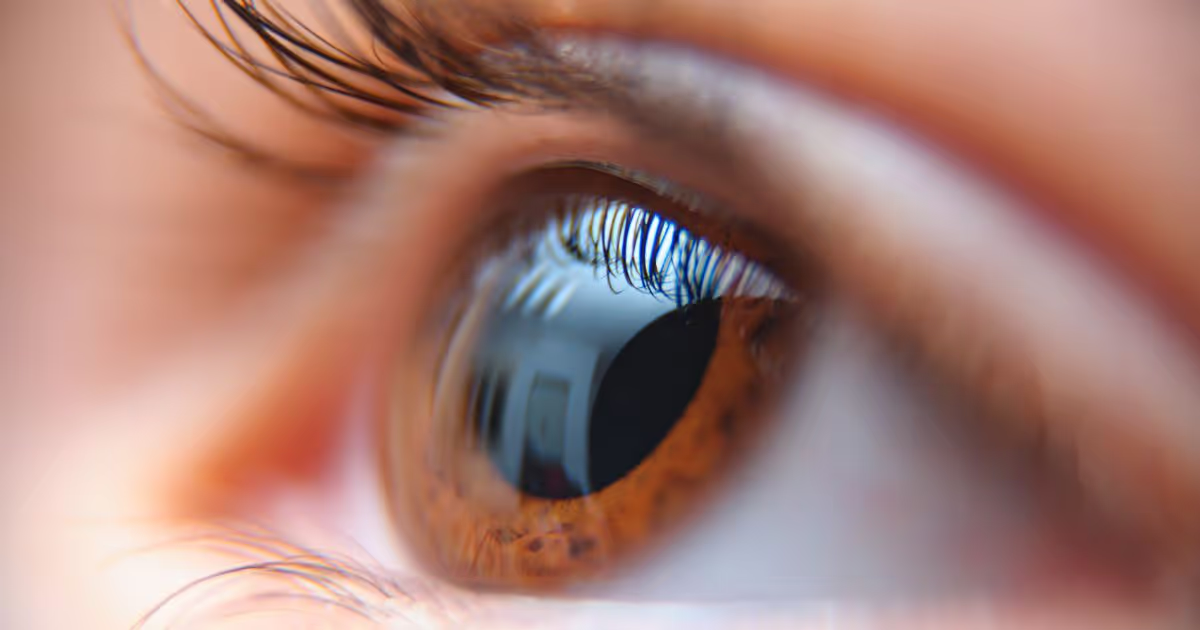
من هم المرشّحون المناسبون لـ ICL؟
ليس كل مريض مرشّحاً مثالياً لتصحيح الرؤية بالليزر، كما أن ICL ليست مناسبة للجميع. واستناداً إلى الخبرة السريرية لـ Dr. Thitima، فإن زرع ICL يناسب بشكل خاص الفئات التالية:
- المرضى الذين يعانون من قصر نظر شديد (يزيد عادةً عن -8.00 ديوبتر أو في نطاق -10.00 وما فوق)، حيث قد لا تكون سماكة القرنية كافية للإزالة الآمنة بالليزر. وفي مثل هذه الحالات، كثيراً ما توفّر ICL وضوحاً وجودة بصرية متفوّقة.
- المرضى الذين يعانون من قيود في القرنية أو موانع لإجراءات الليزر، بما في ذلك رقّة القرنية، أو عدم انتظام انحنائها، أو المعرّضون لخطر القرنية المخروطية.
- المرضى الذين يفضّلون حلاً قابلاً للعكس، إذ يمكن إزالة ICL أو استبدالها بأمان عند الحاجة.
- المرضى الذين يعانون من قصر نظر متبقٍّ أو متكرر بعد LASIK أو SMILE Pro، ولا سيما حين لا يكون تكرار علاج الليزر ممكناً بسبب محدودية سماكة القرنية. ومع ثبات الانكسار وإجراء تقييم شامل، تُقدّم ICL وسيلة فعّالة لاستعادة حدّة الرؤية.
آمن وسلس وخالٍ من التوتر: دليلك الشامل لـ ICL
كثيراً ما تثير فكرة “زرع عدسة داخل العين” مخاوف مشروعة: هل سيرفضها الجسم؟ هل ستسبّب إزعاجاً كالإحساس المستمر بجسم غريب في العين؟ وللردّ على هذه المخاوف، تطمئننا Dr. Thitima بأن:
عدسة ICL ناعمة للغاية ومرنة بشكل عالٍ، مما يتيح طيّها إلى حجم ضئيل جداً وإدخالها بلطف عبر شقّ صغير لا يتجاوز 3 ملليمترات عند حافة القرنية. وبمجرد دخولها العين، تنبسط العدسة تدريجياً وتستقر بدقة في موضعها المحدد. يظل المريض مستيقظاً طوال الإجراء دون أن يشعر بأي ألم. وبعد الزرع، لا يوجد أي إحساس بجسم غريب في العين، بل إن العدسة غير مرئية للعين المجردة حتى عن قرب.
“تُصنع عدسة ICL من مادة خاصة تُعرف بـ Collamer، وهي مزيج فريد من الكولاجين وبوليمر محبّ للماء. وهي متوافقة حيوياً بدرجة عالية، مما يتيح لها الاندماج بشكل طبيعي مع العين دون إثارة استجابة مناعية أو تفاعل مع جسم غريب، مع توفير حماية مدمجة من الأشعة فوق البنفسجية.”

تصميم مبتكر يقلّل من خطر الساد والجلوكوما.
كانت الأجيال السابقة من تقنية ICL مرتبطة بخطر الإصابة المبكرة بالساد أو الجلوكوما مغلقة الزاوية، نظراً لأن العدسة قد تُضيّق المساحة داخل العين وتُعيق التدفق الطبيعي للخلط المائي. أما اليوم، فبإمكان المرضى الشعور بمزيد من الطمأنينة.
“يتميّز تصميم ICL الأحدث بوجود مسام مركزية مجهرية (CentraFLOW)، تتيح للخلط المائي الدوران بشكل طبيعي من الجزء الخلفي إلى الجزء الأمامي من العين، مما يُقلّل بشكل ملحوظ من خطر الإصابة بالساد والجلوكوما مغلقة الزاوية.” تؤكد Dr. Thitima.
تواصل مادة ICL وتصميمها التطوّر لتقليص المخاطر المعروفة، بما فيها الساد والجلوكوما. والجدير بالذكر أن التطورات الأخيرة امتدت أيضاً لتشمل الأفراد المصابين بطول النظر الشيخوخي (ضعف البصر المرتبط بالتقدم في السن). غير أن العامل الأكثر أهمية يبقى الالتزام بمواعيد المتابعة المنتظمة مع طبيب العيون، مما يتيح للطبيب استخدام أجهزة تشخيصية متخصصة لمراقبة تقدّمك وصون صحة عينيك على المدى البعيد.
الرعاية بعد الجراحة لحرية بصرية دائمة
من أبرز مزايا ICL سرعة التعافي. فالشقّ الصغير البالغ 3 ملليمترات يلتئم ذاتياً دون الحاجة إلى غرز، مما يتيح لمعظم المرضى استئناف أنشطتهم الطبيعية، بما فيها العمل واستخدام الشاشات، في غضون 1-2 يوم.
لضمان أفضل النتائج، يُعدّ الالتزام الدقيق بإرشادات ما بعد الجراحة خلال الشهر الأول أمراً ضرورياً:
- تجنّب الأنشطة المجهدة، ورفع الأثقال، وتمارين القوة، والتمارين عالية التأثير لمدة شهر واحد لمنع إزاحة العدسة.
- الامتناع عن السباحة وتجنّب التعرض للماء، وإبعاد الماء والعرق عن العينين خلال الشهر الأول لتفادي العدوى.
- العودة التدريجية إلى التمارين الخفيفة، كالمشي السريع، والتي يمكن استئنافها عادةً بعد الأسبوعين الأولين.
لماذا تختار جراحة ICL في مستشفى من الدرجة الأولى؟
يتطلب زرع ICL ليس فقط المهارة المتقدمة لطبيب عيون ذي خبرة، بل أيضاً دقة التكنولوجيا العالمية المستوى. في مركز رعاية العيون بمستشفى MedPark، لا ننظر إلى ICL باعتبارها مجرد تصحيح للرؤية؛ بل نلتزم بتقديم رعاية دقيقة ومخصّصة وآمنة للغاية لعيون كل مريض.
“نظراً للأبعاد الفريدة والخصائص التشريحية لكل عين، يُعدّ التقييم الشامل قبل الجراحة أمراً بالغ الأهمية.” تؤكد Dr. Thitima.
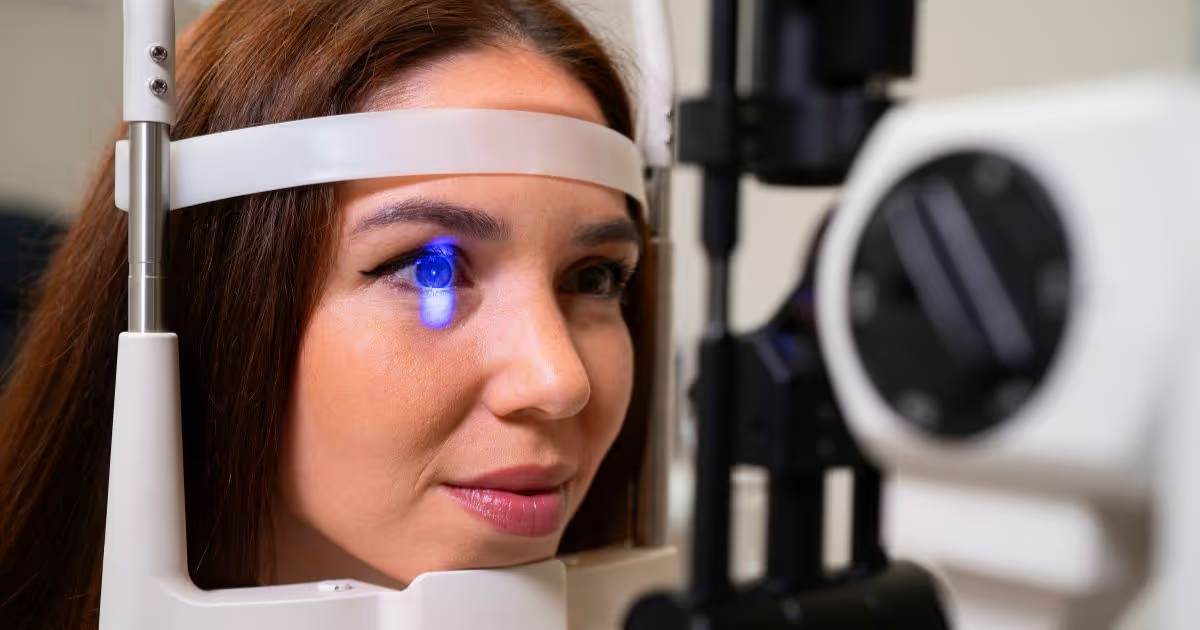
قبل الزرع، تُفحص كل عين بعناية وتُقيَّم من خلال سلسلة شاملة من الاختبارات التشخيصية المتقدمة، تشمل:
- Pentacam: نظام تصوير ثلاثي الأبعاد للقرنية والجزء الأمامي من العين، يُقيّم انحناء القرنية وسماكتها وعمق الغرفة الأمامية وأبعاد العين.
- Anterior Segment OCT: وسيلة تصوير مقطعي عالية الدقة تقيس بدقة المساحة المتاحة لزرع العدسة على مستوى الميكرون.
- UBM (Ultrasound Biomicroscopy): تقنية موجات فوق صوتية عالية التردد تتيح لأطباء العيون تصوير التراكيب الموجودة خلف القزحية.
- Endothelial Cell Count: تقييم كثافة خلايا بطانة القرنية للتأكد من أن العين في حالة مثلى لاستيعاب العدسة القابلة للزرع بأمان.
- IOLMaster 700 وVERION: أنظمة متقدمة تقيس بدقة أبعاد العين ومحور الانكسار وموضع العدسة، مع إمكانية ربط البيانات بأجهزة الجراحة لتعزيز الدقة في غرفة العمليات.
في مستشفى MedPark، نُجهّز غرفة العمليات بنظام Digital Marking المتكامل، وهو تقنية ملاحة ذكية تتيح تحديد موضع ICL ومحاذاة محورها بدقة. وهي مفيدة بشكل خاص لمرضى الاستجماتيزم، إذ توفّر دقة فائقة وتُقلّل من احتمالية الانزياح الدوراني.
كيف تستعدّ لزرع ICL
لمن يفكّر في هذا التصحيح المتقدم للرؤية، تُعدّ الخطوة الأولى والأهم هي التقييم قبل الجراحة. وينبغي لك:
- التوقف عن ارتداء العدسات اللاصقة قبل موعدك بـ 5-7 أيام على الأقل.
- ترتيب وسيلة مواصلات يوم الفحص، إذ يستلزم الأمر توسيع حدقة العين، مما يُسبّب ضبابية مؤقتة في الرؤية وحساسية متزايدة للضوء لمدة تتراوح بين 4 و6 ساعات تقريباً.
“بعد اكتمال التقييم، يُطلب طلب العدسة ICL. ويعتمد وقت الانتظار على التشريح الفريد لعين كل مريض وملفه الانكساري. فإذا كانت العدسة المطلوبة متوفرة في المخزون، يمكن إجراء الجراحة فوراً. أما إذا كانت متاحة في المخزون بسويسرا، فيستغرق التسليم عادةً من أسبوع إلى أسبوعين. وبالنسبة للمرضى الذين لا تتطابق مواصفاتهم مع أي عدسة موجودة مسبقاً، فستُصنع عدسة ICL مخصصة لكل حالة على حدة، وقد تستغرق هذه العملية نحو ثلاثة أشهر لضمان تصميم العدسة بدقة تامة وفق عين المريض،” أوضحت Dr. Thitima.
على الرغم من تعقيد العين بطبيعتها، فإن الإجراء نفسه أقل توغلاً وأسرع مما يتوقعه كثيرون. وبمجرد اكتماله، لا حاجة للمبيت في المستشفى؛ إذ يمكن للمرضى العودة إلى المنزل في اليوم ذاته للراحة والاستعداد لاستقبال فصل جديد من حياتهم برؤية أوضح وأحدّ من أي وقت مضى.
ICL (العدسة اللاصقة القابلة للزرع) هي إنجاز طبي يتجاوز قيود الإجراءات الانكسارية التقليدية كـ LASIK وSMILE Pro، ويُعيد حرية الرؤية دون تغيير دائم للقرنية. ادخل إلى عصر جديد من الرؤية عالية الدقة. احجز فحص عينيك واستشارتك مع أطباء العيون ذوي الخبرة في مركز رعاية العيون، مستشفى MedPark.