






زراعة الخلايا الجذعية لعلاج اللمفوما وسرطان الدم في عصر الطب الدقيق
السرطانات الدموية، كاللمفوما وسرطان الدم، حالاتٌ تُقلق كثيرًا من الناس، ليس فقط بسبب تعقيدها، بل أيضًا بسبب مسار العلاج والآثار الجانبية المحتملة وجودة الحياة بعد العلاج. غير أن إدارة السرطانات الدموية دخلت اليوم عصرًا جديدًا يوفر طيفًا أوسع من خيارات العلاج.
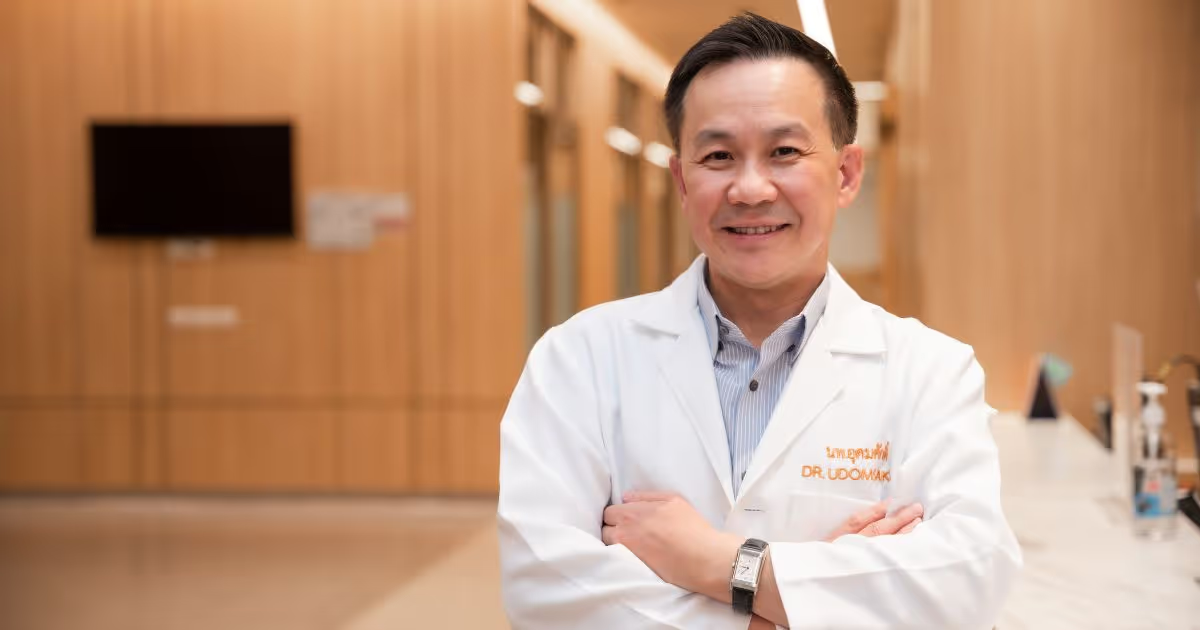
يتضمن هذا الإصدار الخاص استطلاعًا معمّقًا لزراعة الخلايا الجذعية المكوّنة للدم، المعروفة أيضًا بزراعة نخاع العظام، من مبادئها الأساسية واختيار المرضى إلى المشهد العلاجي المتطور في عصر الطب الدقيق، مستقىً من مقابلة حصرية مع Asst. Prof. Dr. Udomsak Bunworasate، أخصائي أورام متخصص في أمراض الدم وزراعة الخلايا الجذعية المكوّنة للدم في مركز Light of Day للأورام، مستشفى MedPark.
السرطانات الدموية: أكثر تعقيدًا مما تبدو
السرطانات الدموية مجموعة من الأمراض الناجمة عن اضطرابات في الأنسجة المكوّنة للدم أو الجهاز المناعي، وتشمل أساسًا خلايا الدم ونخاع العظام أو الجهاز اللمفاوي. وتُعطّل قدرة الجسم على إنتاج خلايا دم وظيفية. ومن أبرز أشكالها اللمفوما وسرطان الدم. وعلى الرغم من تصنيفها مجتمعةً تحت مسمى السرطانات الدموية، فإن خصائصها ومسار تطورها ومناهج علاجها قد تتباين تباينًا كبيرًا من مريض لآخر.
يوضح Asst. Prof. Dr. Udomsak الفرق بين الحالتين: "تنشأ اللمفوما عادةً في الغدد الليمفاوية، في حين ينشأ سرطان الدم داخل نخاع العظام."
في الممارسة الحالية، يبدأ علاج السرطانات الدموية عمومًا بأنظمة علاجية قياسية تشمل العلاج الكيميائي والعلاج الموجّه. واعتمادًا على حالة المريض، قد يأخذ الأطباء في الحسبان خيارات علاجية إضافية.
"يبدأ معظم المرضى بالعلاج الكيميائي بوصفه خط العلاج الأول. غير أن بعض المرضى قد يحتاجون إلى زراعة الخلايا الجذعية، لا سيما في حالات انتكاس المرض أو عدم السيطرة عليه أو ارتفاع خطر التكرار. وفي مثل هذه الحالات، قد يأخذ الأطباء في الحسبان خيارات أخرى تشمل زراعة الخلايا الجذعية أو العلاج المناعي."
توسيع الخيارات للمرضى المعرّضين لخطر الانتكاس
يشرح Asst. Prof. Dr. Udomsak معايير زراعة الخلايا الجذعية، مشيرًا إلى أنه بينما يستجيب كثير من مرضى الأورام الدموية الخبيثة جيدًا للعلاجات القياسية من الخط الأول، قد يعاني بعضهم من انتكاسات أو يكونون أكثر عرضة للخطر. وقد تستلزم مثل هذه الحالات استراتيجيات علاجية أكثر كثافة لتحسين احتمالية السيطرة الدائمة على المرض.
"في اللمفوما، ثمة مجموعتان رئيسيتان من المرضى قد يستفيدان من زراعة الخلايا الجذعية المكوّنة للدم. تضم المجموعة الأولى المرضى الذين انتكس مرضهم بعد العلاج التقليدي لكنه لا يزال مستجيبًا للعلاج الكيميائي. وفي هؤلاء المرضى، يمكن للعلاج الكيميائي عالي الجرعة متبوعًا بزراعة الخلايا الجذعية المكوّنة للدم أن يُحسّن بشكل ملحوظ احتمالية السيطرة الدائمة على المرض. أما المجموعة الثانية فتضم المرضى الذين هم في مرحلة الهدأة لكنهم يواجهون خطرًا مرتفعًا للانتكاس، كأولئك المصابين بأنواع فرعية عدوانية أو مرض في مرحلة متقدمة. وفي هذه الحالات، قد يختار الأطباء المضي قدمًا في زراعة الخلايا الجذعية بُعيد الهدأة مباشرةً، للحد من خطر التكرار وتحسين النتائج على المدى البعيد."
زراعة الخلايا الجذعية: أكثر من مجرد علاج؛ إنها تُعيد بناء الجهاز المكوّن للدم.
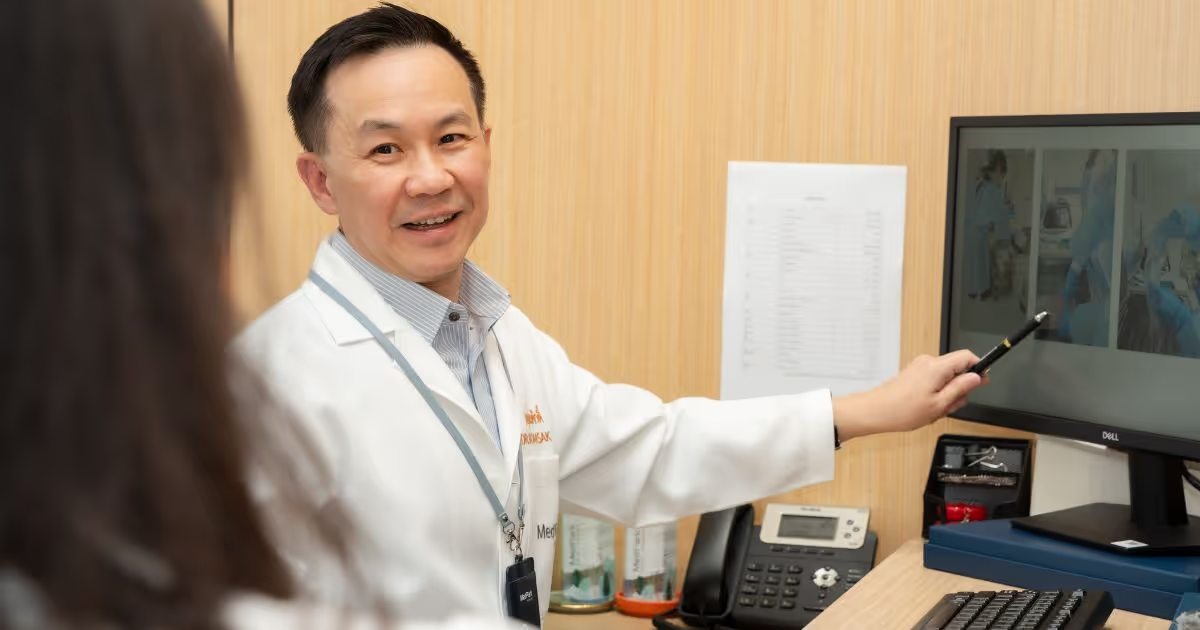
"المبدأ الأساسي لزراعة الخلايا الجذعية هو إعطاء جرعات عالية من العلاج الكيميائي للقضاء على الخلايا الخبيثة، يعقبها إعادة ضخ الخلايا الجذعية السليمة التي جُمعت مسبقًا في جسم المريض، لاستعادة نخاع العظام والجهاز المكوّن للدم."
تنقسم زراعة الخلايا الجذعية إلى نوعين رئيسيين:
- زراعة الخلايا الجذعية الذاتية، التي تستخدم خلايا المريض الجذعية الخاصة
- زراعة الخلايا الجذعية الخيفية، التي تستخدم خلايا جذعية من متبرع متوافق
أشار Asst. Prof. Dr. Udomsak إلى أن اختيار الاستراتيجية العلاجية الأنسب يعتمد على عدة عوامل رئيسية، منها نوع المرض وموقع الخلايا الخبيثة والحالة السريرية العامة للمريض.
"في اللمفوما، يُستخدم زراعة الخلايا الجذعية الذاتية في أغلب الأحيان. في المقابل، ينشأ سرطان الدم في نخاع العظام، مما يستلزم في الغالب الحصول على خلايا جذعية من متبرع سليم خالٍ من المرض ومتوافق نسيجيًا."
جمع الخلايا الجذعية من الدم المحيطي: الخطوة الأولى في التحضير للزراعة
يمكن جمع الخلايا الجذعية من الدم المحيطي. ويختلف هذا الأسلوب اختلافًا جوهريًا عن زراعة نخاع العظام التقليدية التي تستلزم التخدير العام وشفط نخاع العظام من عظم الحوض. وعقب إجراء تقييم جسدي شامل، يتلقى المريض حقنة من عامل تحفيز مستعمرات الخلايا المحببة (G-CSF) لتحفيز نخاع العظام على تعبئة الخلايا الجذعية إلى مجرى الدم. وتُجمع الخلايا الجذعية بصورة انتقائية باستخدام تقنية فصادة متخصصة. وتُحفظ هذه الخلايا لإعادة ضخها لاحقًا في المريض بعد اكتمال العلاج الكيميائي عالي الجرعة.
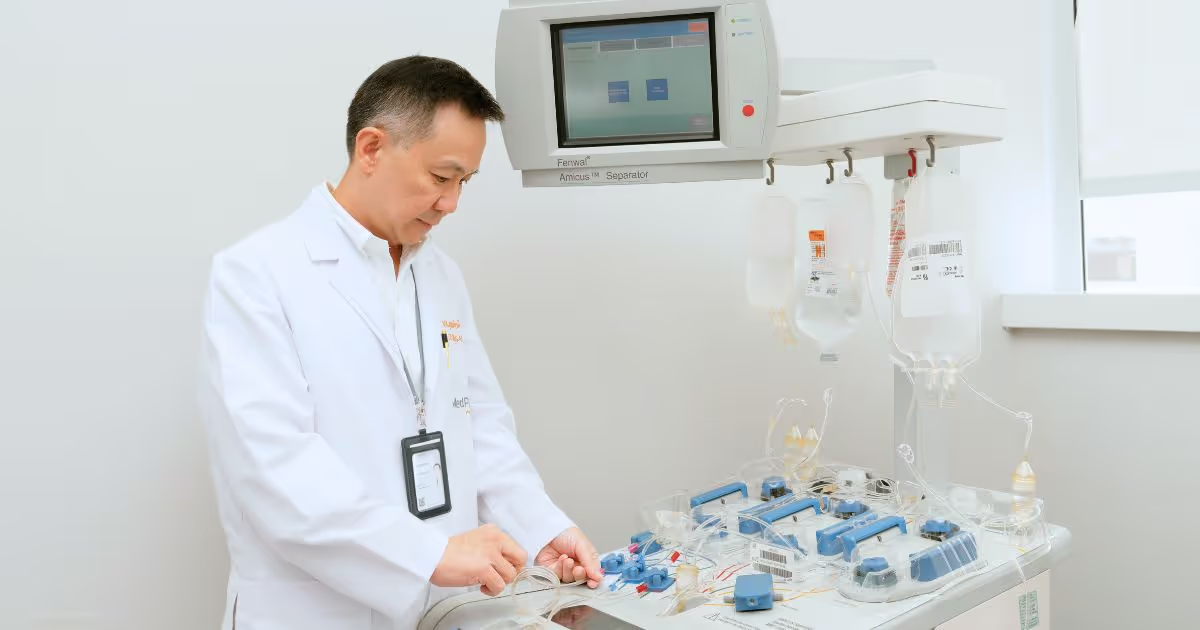
"تُجمع الخلايا الجذعية حاليًا في المقام الأول من الدم المحيطي، إذ يتيح هذا الأسلوب تعافيًا أسرع. وقبل الزراعة، يُجري الفريق الطبي تقييمًا شاملًا للحالة الجسدية للمريض، يشمل وظائف القلب والرئتين والكبد والكلى بالتفصيل، فضلًا عن أي أمراض مصاحبة. والمرضى المصابون بحالات كالسكري أو أمراض الكلى المزمنة أو ارتفاع ضغط الدم قد يكونون مؤهلين للزراعة، شريطة أن تكون هذه الحالات تحت السيطرة الجيدة قبل بدء العلاج."
بالنسبة للمرضى الأصغر سنًا الذين قد تساورهم مخاوف بشأن الخصوبة في المستقبل، أوضح Asst. Prof. Dr. Udomsak أن المرضى يُشجَّعون على استشارة متخصص في الخصوبة قبل بدء العلاج، وذلك لتجميد البويضات أو الحيوانات المنوية لتعظيم فرص الإنجاب. وهذا أمر بالغ الأهمية بشكل خاص، إذ قد يؤثر العلاج الكيميائي عالي الجرعة سلبًا على وظائف المبيض أو الخصية.
أول 100 يوم الحرجة: العد التنازلي لـ"إعادة ضبط" الجسم
أوضح Asst. Prof. Dr. Udomsak أنه عقب زراعة الخلايا الجذعية، يدخل المرضى مرحلة بالغة الأهمية يبدأ فيها الجسم بتجديد الجهاز المكوّن للدم والجهاز المناعي. وتُعدّ أول 100 يوم فترة حرجة تستوجب المراقبة الدقيقة للمضاعفات والعدوى. وعلى الرغم من أن أعداد خلايا الدم قد تعود إلى طبيعتها، فإن الجهاز المناعي لم يتعافَ بعد بالكامل ولا يزال غير ناضج وظيفيًا.
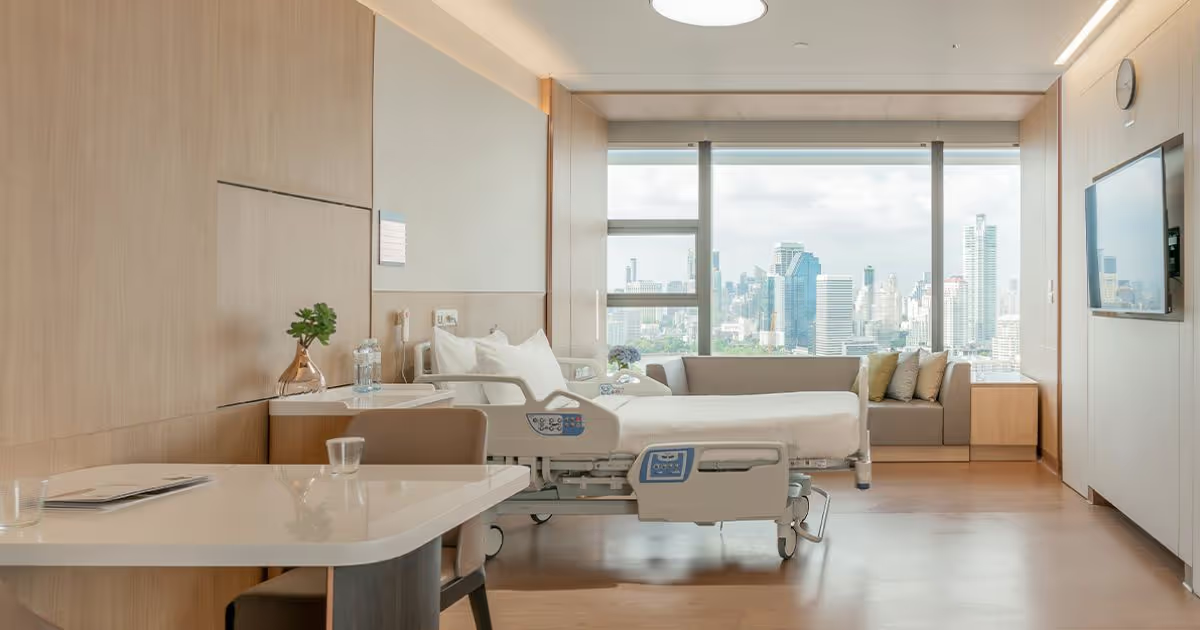
"خلال أول 10 إلى 14 يومًا، تبدأ الخلايا الجذعية في الالتحام وتوليد خلايا دم جديدة. ولا يزال الجهاز المناعي مثبّطًا بشكل عميق. لذا يُعتنى بالمرضى في غرف ذات ضغط هوائي موجب مع ضبط جودة الهواء وتطبيق تدابير صارمة لمكافحة العدوى. ويوفر فريق متعدد التخصصات مخصص لذلك، يضم أطباء أمراض الدم وأخصائيي الأمراض المعدية وممرضي الزراعة، مراقبةً ورعايةً دقيقتين على مدار الساعة. وفي مرحلة التعافي المبكرة، يستطيع معظم المرضى الذين لا يعانون من إرهاق شديد مشاهدة الأفلام والاستماع إلى الموسيقى والعمل على الحاسوب وممارسة أنشطة خفيفة."
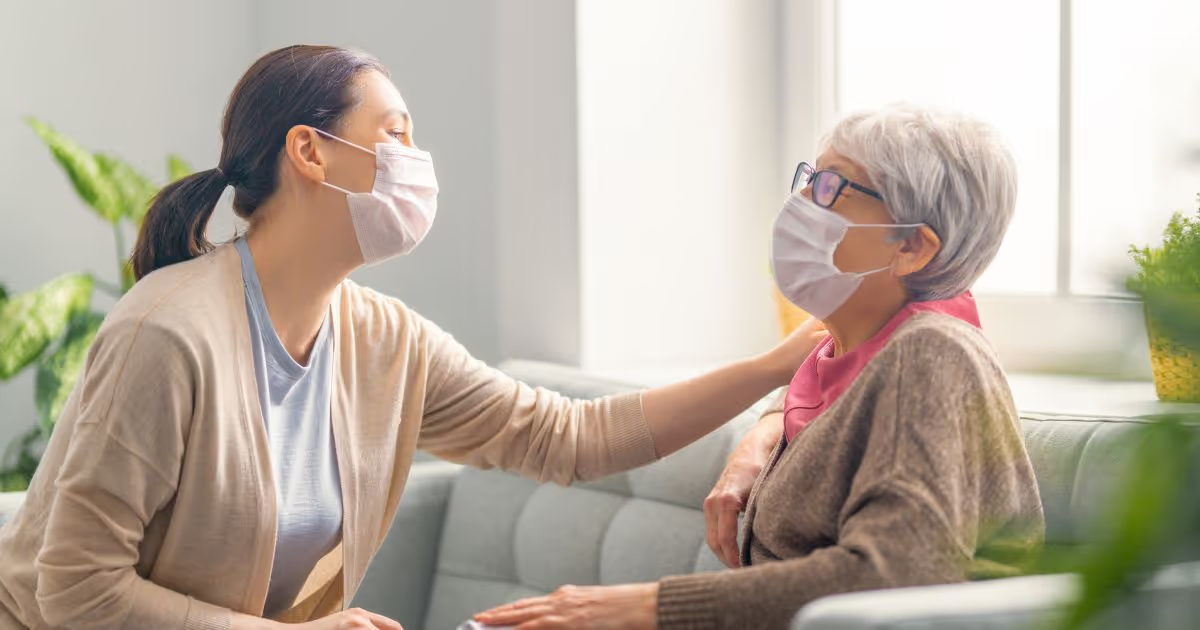
بعد الخروج من المستشفى، ينبغي على أفراد الأسرة والمقربين الاستمرار في توخي الحذر عند التعامل مع المريض. فعلى الرغم من أن أعداد خلايا الدم قد تكون عادت إلى طبيعتها، يحتاج الجهاز المناعي عادةً إلى ثلاثة أشهر إضافية للتعافي الكامل. ولذلك، فإن حتى نزلة برد بسيطة لدى الأشخاص الأصحاء قد تشكّل خطرًا جسيمًا على المريض.
مرض الطعم ضد المضيف (GVHD): حين لم يتعرّف الجهاز المناعي الجديد بعد على جسم المريض
من أبرز المضاعفات التي تستوجب المراقبة الدقيقة عقب زراعة الخلايا الجذعية الخيفية مرضُ الطعم ضد المضيف (GVHD). ويحدث حين تعتبر الخلايا المناعية المشتقة من المتبرع أنسجةَ المريض غريبةً وتشنّ ضدها استجابةً مناعية. وعلى الرغم من أن هذا قد يبدو مثيرًا للقلق، فإن ثمة استراتيجيات راسخة للمراقبة الدقيقة والإدارة والوقاية.
أوضح Asst. Prof. Dr. Udomsak: "يتلقى جميع المرضى الذين يحصلون على خلايا جذعية من متبرع أدويةً وقائية مسبقًا ويخضعون لمراقبة دقيقة منذ المراحل الأولى من العلاج. وبمرور الوقت، يتكيّف الجهاز المناعي المُستحدث تدريجيًا ويتعلم التعايش بانسجام مع جسم المريض. ونتيجةً لذلك، قد يتمكن بعض المرضى من تخفيض جرعة الأدوية المثبطة للمناعة أو حتى إيقافها. وهذا يختلف عن زراعة الأعضاء الصلبة التي تستلزم تثبيطًا مناعيًا مدى الحياة."
علاج CAR-T وعلاج BiTEs: استراتيجيات علاجية جديدة في عصر الطب الدقيق
في عصر الطب الدقيق، يُصمّم الأطباء استراتيجيات العلاج وفقًا للمرض المحدد وخصائص الخلايا السرطانية والملف السريري الشامل لكل مريض. وقد أصبح العلاج الموجّه والعلاج المناعي بشكل خاص جزءًا لا يتجزأ من رعاية السرطان الحديثة، لا سيما للمرضى الذين لا يستجيبون للعلاجات القياسية أو المعرّضين لخطر مرتفع للانتكاس.
أبرز Asst. Prof. Dr. Udomsak المزايا الرئيسية لهذا العلاج قائلًا: "الاتجاه الرئيسي في علاج الأورام الدموية الخبيثة هو العلاج الشخصي المُصمَّم لكل مريض. يأخذ هذا النهج في الاعتبار نوع المرض واستجابة المريض للعلاج السابق وحالته السريرية العامة. لأننا اليوم لم نعد مقيّدين بخيار علاجي واحد فحسب."
ومن التقنيات الناشئة التي تحظى باهتمام متزايد:
- علاج CAR-T (العلاج بالخلايا التائية ذات المستقبل الكيميري للمستضد): يتضمن هذا النهج جمع الخلايا التائية الخاصة بالمريض وهندستها وراثيًا في المختبر لتعزيز قدرتها على التعرف على الخلايا السرطانية واستهدافها بدقة. ثم تُعاد الخلايا المعدّلة إلى المريض للقضاء على الخلايا الخبيثة.
- علاج BiTEs (منخرطات الخلايا التائية ثنائية النوعية): هي فئة من العلاجات المناعية القائمة على الأجسام المضادة، مُصمَّمة للارتباط بالخلايا السرطانية والخلايا التائية في آنٍ واحد. وهي تُيسّر تدمير الأورام بوساطة مناعية أكثر كفاءة دون الحاجة إلى التعديل الجيني للخلايا التائية للمريض، كما هو مطلوب في علاج CAR-T.
الحياة بعد العلاج والعودة التدريجية للابتسامة
على الرغم من أن زراعة الخلايا الجذعية عملية علاجية معقدة تستلزم فترة تعافٍ طويلة، فإنه بمجرد تعافي الجسم والجهاز المناعي بالكامل، يستطيع المرضى العودة إلى روتينهم اليومي. ويمكنهم العمل وممارسة الرياضة والمشاركة حتى في رياضاتهم المفضلة، والتمتع بجودة حياة طبيعية.
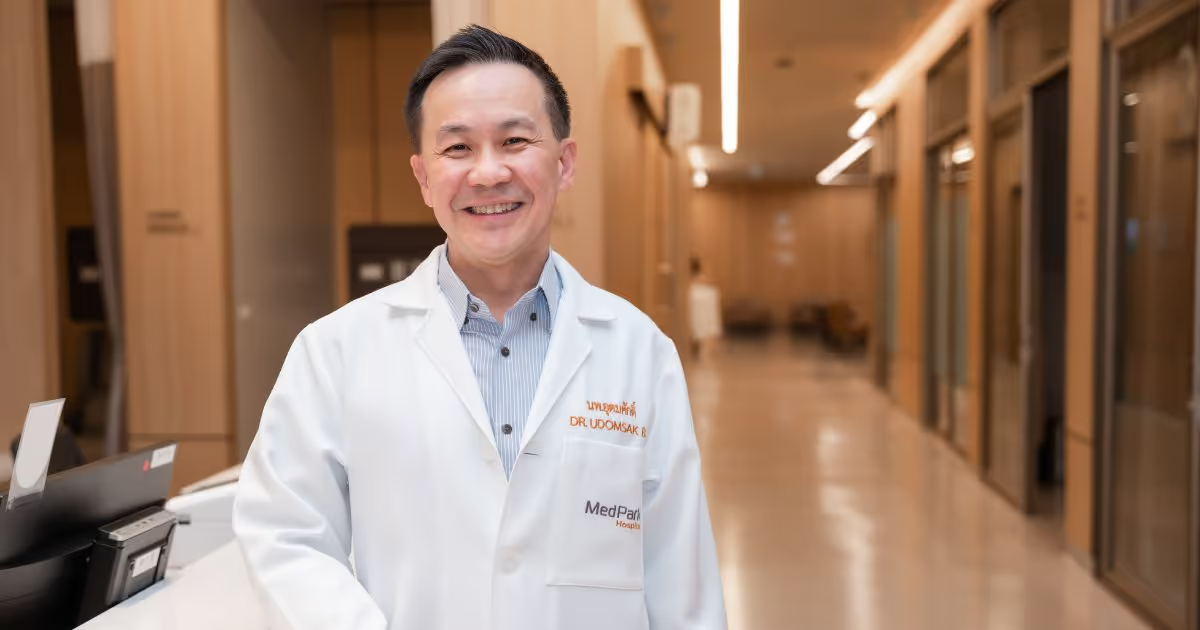
ختم Asst. Prof. Dr. Udomsak حديثه بنظرة دافئة تلمع فيها بصيص من الأمل.
"مستقبل الطب يسير نحو الدقة والرعاية الشخصية. هدفنا هو توسيع إمكانية الوصول إلى العلاجات المتقدمة والمتطورة لجميع المرضى، لضمان حصول مرضى الأورام الدموية الخبيثة على خيارات علاجية أوسع وأمل متجدد للعودة إلى حياة كاملة ومعنوية."