





The Evolution of Breast Cancer Surgery and Stage-Based Treatment
Surgical treatment for breast cancer has a long history and has evolved significantly in the past century. These advances have focused on improving treatment outcomes and quality of life while minimizing treatment-related side effects.
The earliest recorded surgical treatment for breast cancer dates from the 1st century, but such procedures were performed sporadically. It was not until 1882 (approximately 145 years ago) that Dr. William Halsted introduced the radical mastectomy. Beyond removing the entire breast, this procedure excised the underlying pectoral muscles and axillary lymph nodes en bloc, leaving behind a corrugated chest wall of the visible underlying ribs, creating a distressing sight.
By around 1950, breast cancer surgery became less extensive. Surgeons removed the breast and axillary lymph nodes while sparing the underlying chest muscles, a procedure known as modified radical mastectomy. Patients had better cosmetic results with comparable clinical outcomes. However, removing the axillary lymph nodes can disrupt lymphatic drainage, leading to lymphedema and causing the affected arm to be swollen, heavy, and hard to use. It also increases the risk of poor wound healing after injury and of lymphangitis.
Subsequently, axillary lymph node surgery became less extensive with the introduction of sentinel lymph node Biopsy (SLNB) in 1992 (33 years ago). Blue dye and radioactive isotope are used to map the sentinel lymph nodes, the first group of lymph nodes to which cancer cells are likely to metastasize before reaching the rest of the axillary lymph nodes. If the sentinel nodes are free of cancer, axillary lymph node dissection is not necessary, sparing patients of the avoidable risk of lymphedema.
If cancer cells are found in the sentinel lymph node, some breast surgeons may recommend axillary lymph node dissection, while others may recommend radiation therapy instead.
Regarding the breast itself, comparative studies were conducted to determine whether removing the entire breast was necessary, or if removing only the tumor with a rim of healthy breast tissue followed by radiation therapy to the remaining breast would suffice. The results showed that both approaches yielded equivalent outcomes for disease-free survival and overall survival. Consequently, beginning in the 1980s, breast cancer surgery became even less extensive, with removal of only the tumor and a margin of surrounding healthy breast tissue, followed by whole-breast radiation therapy and a targeted boost to the tumor bed to reduce the risk of in-breast recurrence. This preserves the natural contour of the breast, helping minimize changes in body image and emotional distress while maintaining quality of life. This approach is known as breast-conserving therapy (BCT)
Note: I practiced medicine in the United States for several years after completing training in radiation oncology. In the U.S., I knew of radical and modified radical mastectomy patients, with two to three of them divorced by their husbands due to the loss of breasts. Additionally, finding clothes to wear is difficult because of the asymmetric chest. I have also seen patients suffer from arm swelling (lymphedema), struggling with daily life -- a mental challenge that requires time to mend.
Breast-conserving surgery followed by radiation therapy is generally performed for patients with small, early-stage tumors. If the tumor is large or there are multiple tumors, mastectomy is often recommended. However, in cases of aggressive breast cancer, where cancer cells block the lymphatic vessels in the skin, causing the breast to become red, swollen, and thickened, resembling an infection. This condition is known as inflammatory breast cancer, which accounts for approximately 1%–5% of breast cancer cases. These findings indicate the cancer has spread beyond what can be detected clinically or by imaging. Therefore, mastectomy is generally contraindicated.
However, advances in medical treatment have made breast-conserving surgery possible even for patients with advanced breast cancer, multiple tumors in the same breast, axillary lymph node involvement, or inflammatory breast cancer. Neoadjuvant therapy (NAC), which may include chemotherapy, hormone therapy, and targeted therapy, can treat occult disease that has spread but cannot yet be detected, while shrinking the primary tumor and affected lymph nodes and downstaging the disease. This allows for less extensive surgery, potentially converting cases that would otherwise require mastectomy—or may not be suitable for surgery, such as inflammatory breast cancer—to breast-conserving surgery. This can provide significant psychological benefits for patients. Another advantage of NAC is that it helps medical oncologists determine which systemic therapies may be most appropriate if the cancer later relapses.
Assessing Response to Neoadjuvant Therapy and Planning the Appropriate Surgery
Assessing the response to NAC may involve mammography, breast MRI, PET/CT, and re-biopsy to determine whether viable cancer cells remain. Studies have reported downstaging in approximately 33%–47% of treated patients, allowing for less extensive surgery—from mastectomy to removal of only the residual tumor. In some patients with aggressive inflammatory breast cancer, NAC can also reduce the extent of disease and potentially make breast-conserving surgery possible. After the cancer cells in the lymphatic vessels have been eradicated, 10%–35% of patients may achieve a pathologic complete response (pCR). Therefore, the remaining mass may consist only of necrotic or scar tissue.
The question is: If all viable cancer cells have been eliminated and only a residual scar remains, is surgery still necessary after a re-biopsy confirms that no viable cancer cells are present? The answer is that close surveillance may be an option. Medical experts agree that large-scale prospective studies with long-term follow-up and outcome comparison are needed to generate statistically significant results before this approach can be adopted as a standard of care.
In summary, the evolution of breast cancer surgery has been remarkable—from radical procedures 140 years ago that removed the entire breast, axillary lymph nodes, and chest wall muscles, leaving the ribs exposed, to removing only the residual tumor for pathological assessment and potentially avoiding further surgery when systemic therapy achieves a pathologic complete response (pCR).
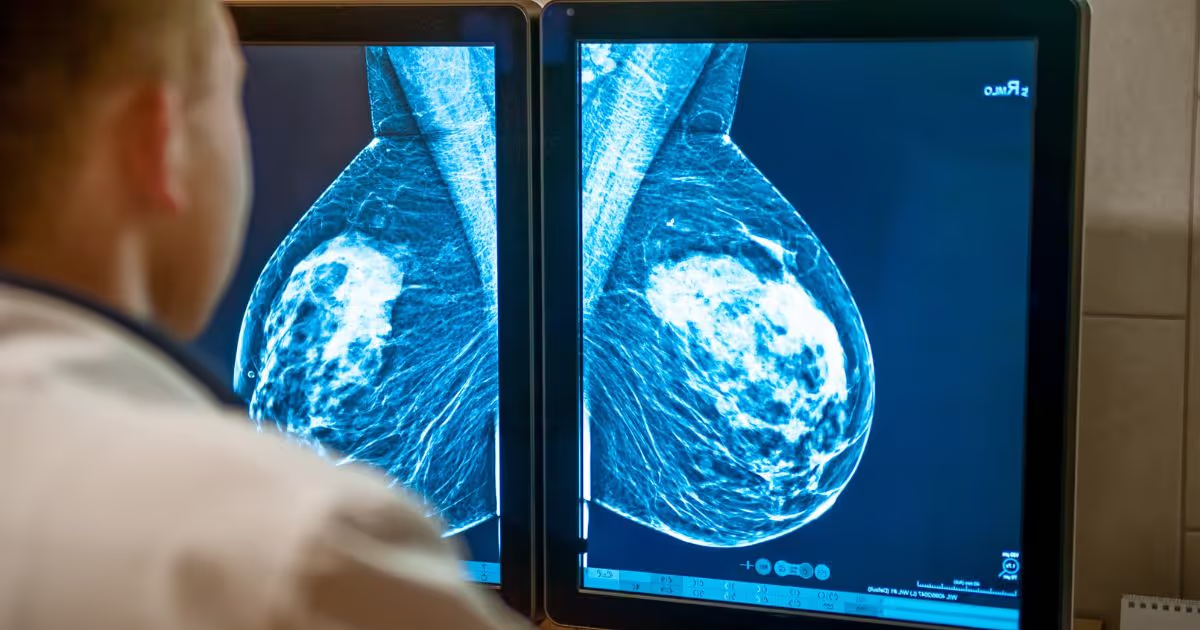
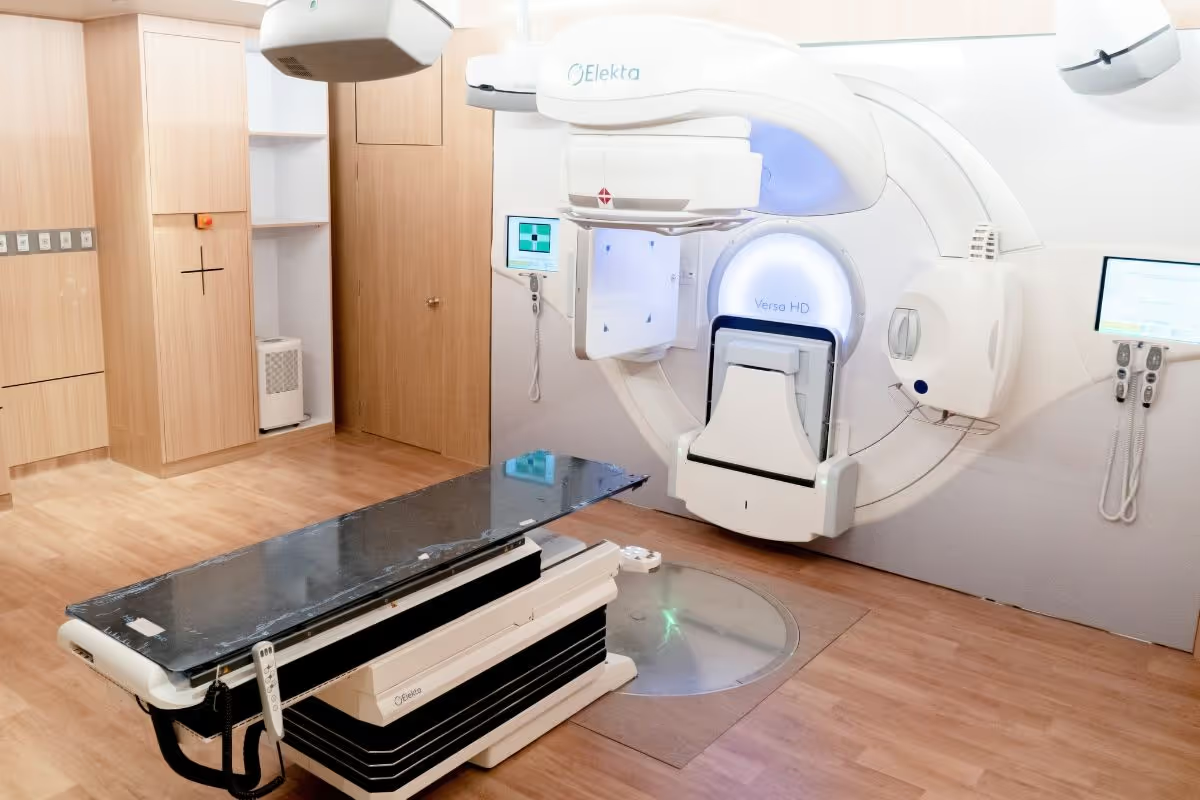
Radiation Therapy: A Key Component of Breast Cancer Treatment
Radiation therapy has been an important component of breast cancer treatment, often used alongside surgery over several decades. It is commonly administered after surgery to reduce the risk of cancer recurrence in the anterior chest wall and regional lymph nodes. In cases where axillary lymph node dissection is not performed, radiation may also be directed to the supraclavicular lymph nodes and internal mammary lymph nodes.
As breast surgery evolved toward lumpectomy (wide local excision), which removes the tumor while preserving the remaining breast, radiation therapy was utilized to treat the whole breast, with an additional boost to the tumor bed to eliminate any residual cancer cells and reduce the risk of in-breast recurrence. This breast-conserving approach preserves the breast’s natural contour, helping minimize the emotional impact of breast loss while maintaining quality of life.
Chemotherapy: From Basic Regimens to Modern Treatment
Chemotherapy—or more broadly, systemic therapy—includes a range of medications beyond traditional cytotoxic chemotherapy agents, such as hormone therapy, targeted therapy, and immunotherapy. The evolution of breast cancer treatment is not confined to surgery, with systemic therapy also undergoing significant advances. 40 to 50 years ago, a commonly used regimen for breast cancer was CMF (cyclophosphamide, methotrexate, and 5-fluorouracil), considered a first-generation regimen. It was given for 6 months after surgery to lower the risk of recurrence. At that time, some surgeons in the United States even administered chemotherapy themselves.
Later, the NSABP B-15 trial, published in 1990, evaluated whether chemotherapy could be shortened from 6 to 3 months with doxorubicin and cyclophosphamide. The study revealed comparable disease control outcomes, enhancing treatment convenience for patients and their families.
Today, adjuvant chemotherapy to prevent breast cancer recurrence often involves a dose-dense AC regimen (Adriamycin + Cytoxan), administered every two weeks for four cycles, followed by paclitaxel (T) every two weeks for four cycles. The entire course lasts approximately four months.
Targeted Treatment for Hormone Receptor-Positive Breast Cancer
Since the 1990s, immunohistochemistry (IHC) has enabled the identification of certain biologic markers on breast cancer cells, including hormone receptors such as the estrogen receptor (ER) and progesterone receptor (PR or PgR). This led to the use of anti-hormonal therapy to prevent hormones from stimulating the growth of these cancer cells.
In postmenopausal women, when the ovaries have stopped producing sex hormones, some might wonder how the body could continue to make estrogen to stimulate the cancer cells. The answer is that estrogen is converted from body fat by an enzyme called aromatase. Beyond the ovaries, testes, and placenta, aromatase is present in various tissues throughout the body, including the skin, bone, adipose tissue, and brain; the adrenal glands also produce small amounts of sex hormones. Consequently, breast cancer patients with hormone receptor-positive tumors fare better than those without, as hormone therapy carries far fewer side effects than chemotherapy.
In 15 to 20% of breast cancer patients, the cancer cells express a protein called Human Epidermal Growth Factor Receptor (HER2). HER2 overexpression is associated with a more aggressive disease phenotype, characterized by rapid tumor growth, increased cell survival, and a higher risk of metastasis compared with HER2-negative breast cancer. Fortunately, immunotherapies have been developed to specifically inhibit HER2, most notably trastuzumab (Herceptin), which has been in clinical use for more than 25 years. A wide range of targeted therapies is available, with treatment selection based on specific molecular and biomarker genetic mutations discoverable by testing.
In some patients, medical oncologists may use targeted therapy in combination with chemotherapy to achieve better disease control. In addition, cancer immunotherapy is also available, such as pembrolizumab, which was approved by the U.S. Food and Drug Administration (FDA) for certain breast cancer indications in 2021 (4 years ago). Government-funded Medicare and private health insurance should now cover the medication costs, as it is now standard of care.
Systemic therapy plays a crucial role in the treatment of breast cancer, both in the early stages, as discussed in the context of surgery and postoperative adjuvant chemotherapy. Treatment for Stage IV disease, when the cancer has spread to distant sites, has been evolving significantly over the past several decades.
Breast Cancer Treatment by Stage
Treatment for breast cancer is generally determined by the stage of the disease, which indicates the tumor size and the extent of the metastasis.
- Stage 0
This is the earliest stage of breast cancer, in which cancer cells are confined to the milk ducts without invading surrounding tissue. The primary treatment typically involves surgery to remove the affected area, with radiation therapy considered based on individual factors, particularly in women aged 70 and older. - Stage 1
The tumor is 2 cm or smaller with no lymph node spread. Primary treatment is surgery, followed by radiation to prevent recurrence. Additional systemic drug therapy may be prescribed based on the cancer cell characteristics. - Stage 2
The tumor is larger than 2 cm. If smaller, it has metastasized to the lymph nodes. Primary treatment is surgery, which may be followed by radiation and systemic therapy. Based on the tumor’s characteristics, appropriate systemic therapies may include chemotherapy, hormone therapy, or targeted therapy. - Stage 3
The tumor is large and has spread to the lymph nodes or nearby tissues. Treatment typically involves a combination of systemic therapy, surgery, and radiation therapy. Chemotherapy or targeted therapy may be given before surgery to shrink the tumor. - Stage 4
The cancer has spread to distant organs (distant metastases), such as the bones, lungs, or liver. Treatment primarily focuses on systemic therapy, including chemotherapy and other medications, to control the disease. Radiation therapy may be used to relieve local symptoms, such as pain from bone metastases, or to help prevent fractures in weight-bearing bones.
Prognosis: Finding Hope in Breast Cancer
I wish to share an experience from my years of caring for patients with breast cancer. After practicing in the United States for many years, I eventually decided to return to Thailand to continue my medical practice. Early on, a woman in her 60s was referred to me by her gynecologist. She had previously undergone surgery for endometrial cancer, but the cancer had recurred in her pelvis and required radiation therapy. What caught my attention during the physical examination was that her left breast was missing. I assumed she had a history of breast cancer, possibly related to a hereditary BRCA gene mutation. Before I could ask about her family history of cancer, she explained that several years earlier, she had discovered a lump in her breast and was concerned that it might be cancerous. She had therefore asked her doctor to remove the entire breast. However, no tissue had been sent for pathological examination to determine whether the lump was malignant.
Another patient was a woman in her 30s who was found to have a small breast lump that was confirmed to be cancerous. I recommended breast-conserving surgery followed by radiation therapy, but she was extremely fearful of breast cancer and strongly preferred to have the entire breast removed. Although I understood her concerns, I felt it was unfortunate, particularly because she was still young and married.
Many people diagnosed with breast cancer may feel discouraged and hopeless, as though they have been given a death sentence. However, the prognosis for breast cancer is not as frightening as many people imagine. With timely and appropriate treatment, many patients have an excellent chance of living a normal life. Across all stages of breast cancer, approximately 85–90% of patients survive at least five years, while the 10-year survival rate is approximately 75%.
The prognosis of breast cancer depends on several factors, with the stage of disease being the most important. Larger tumors and lymph node involvement are generally associated with poorer prognosis. The biologic characteristics of the tumor are also critical. A high tumor grade (poorly differentiated) indicates more aggressive cancer. The presence of hormone receptors (ER and PgR) indicates that the cancer may respond well to anti-hormonal therapy, which generally has fewer side effects than chemotherapy. These tumors tend to be less aggressive. HER2-positive breast cancers are generally more aggressive, with faster growth and a greater tendency to spread.
Fortunately, HER2-targeted therapies can significantly improve outcomes. Breast cancers that lack ER, PgR, and HER2 are known as triple-negative breast cancer (TNBC). They tend to be more aggressive, with a higher risk of early recurrence and distant metastasis. Fortunately, TNBC accounts for approximately 10–20% of all breast cancers.
In summary, the 5-year survival rate can be as high as 90% for Stage 0, 1, and 2 breast cancer. It decreases in Stage 3 and drops to approximately 32% in Stage 4, when the cancer has spread to distant organs.
Multidisciplinary Medical Specialist Team at MedPark Hospital
Breast cancer treatment today is no longer managed by a single physician. A multidisciplinary team of specialists collaborates to formulate the most effective treatment plan for each patient.
At MedPark Hospital, our multidisciplinary breast cancer team includes:
- Diagnostic Radiologist — Performs breast cancer screening with breast ultrasound and 3D digital mammogram. If the findings are inconclusive, breast MRI can provide more detailed information. Detecting breast cancer at an early stage increases the chances of successful treatment and cure.
- Pathologist — Examines and diagnoses the specific characteristics of cancer cells, providing critical information to guide the treatment plan.
- Breast Surgeon — Performs breast-conserving surgery and may also perform contralateral breast surgery to improve breast symmetry. This may include a breast lift if the opposite breast is sagging, or breast reconstruction with silicone implants if removing the tumor significantly reduces the size of the affected breast. Oncoplastic mammoplasty can help restore a more natural and symmetrical appearance.
- Radiation Oncologist — Plans and delivers radiation therapy to eradicate any residual cancer cells to prevent metastasis.
- Medical Oncologist — Oversees systemic therapies, including chemotherapy, anti-hormonal therapy, targeted therapy, and immunotherapy.
This multidisciplinary approach allows medical specialists to meticulously evaluate the condition and clinical information of each patient before developing a personalized treatment plan because breast cancer varies from patient to patient in tumor characteristics and disease stage.
Throughout my medical career, I have remained guided by an important aphorism I learned from my mentor in the United States:
“You have only one chance to cure the cancer. It is the only chance, and it is now. So do it right.”
I hope this information will help people facing breast cancer better understand their condition and find hope in their journey.