





Choose the content to read
- What are the symptoms of liver disease?
- Who should consider a FibroScan?
- What is the FibroScan procedure?
- FibroScan Results: What is a normal FibroScan score?
- What to do if the FibroScan test results indicate fibrosis or steatosis?
- FibroScan MedPark Hospital
FibroScan
FibroScan is an advanced ultrasound technology (transient elastography) used to assess liver health, detect liver stiffness, screen for liver fibrosis (scarring), and measure the amount of fat accumulated in the liver (steatosis). This non-invasive test assesses the risk of cirrhosis, liver fibrosis, and fatty liver disease in individuals with hepatitis, obesity, hyperlipidemia, long-term alcohol consumption or who have specific symptoms such as jaundice (yellowing of the skin and eyes) or abnormal liver function test results. FibroScan is recognized as a quick, painless procedure that helps identify the risk of liver cancer and yields highly accurate results without requiring a liver biopsy.
Why fibroScan?
Fatty liver disease, hepatitis B virus infection, and heavy alcohol consumption are major causes of hepatitis, chronic hepatitis, cirrhosis, and liver cancer, which are the leading causes of death in Thailand (no. 1 in men and no. 3 in women). Stage 1 fatty liver disease often shows no symptoms. However, with prolonged chronic hepatitis, fibrosis in the liver thickens, and liver cells are gradually destroyed, diminishing liver function, eventually leading to cirrhosis, liver failure, and liver cancer.
FibroScan detects liver fibrosis by emitting low-frequency sound waves directly into the liver tissue and measuring the speed of the reflected sound waves using Vibration-Controlled Transient Elastography (VCTE) to determine liver stiffness; the more liver stiffness or scarring, the faster the sound waves reflect, indicating liver fibrosis or cirrhosis. FibroScan also measures the amount of fat accumulated in the liver by assessing the CAP score, which calculates resistance through low-frequency sound waves sent into the liver. The higher the fat accumulation, the greater the resistance, indicating more severe fatty liver disease.
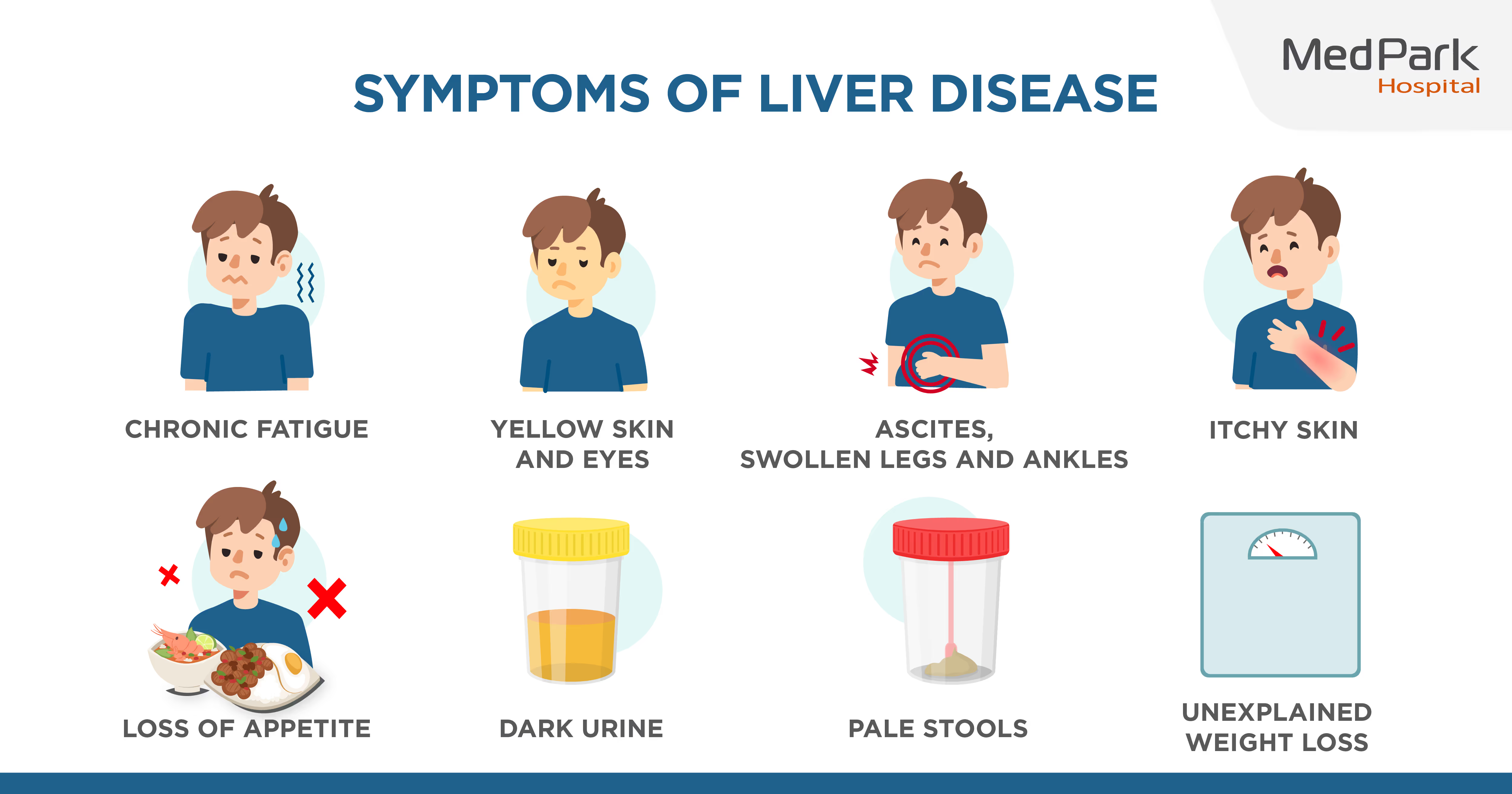
What are the symptoms of liver disease?
Symptoms that might indicate liver disease or liver damage are as follows:
- Chronic fatigue, excessive drowsiness.
- Jaundice, yellowing of skin and eyes
- Ascites, swollen legs, and ankles
- Dark urine, pale stools
- Itchy skin
- Loss of appetite
- Unexplained weight loss
Who should consider a FibroScan?
FibroScan is suitable for individuals at risk of liver disease or those engaging in behaviors that could harm the liver, including the following:
- Individuals with overweight, obesity, or fatty liver disease.
- Individuals with diabetes, high blood pressure, or hyperlipidemia
- Individuals with abnormal liver function, or chronic hepatitis
- Individuals with a history of cirrhosis or a family history of cirrhosis
- Individuals with hepatitis B or C, or those at risk of hepatitis
- Individuals who regularly consume alcohol (liquor, beer, etc.) or have alcoholic liver disease
- Individuals with abnormal liver function tests, such as elevated ALT/AST liver enzyme levels
- Individuals with abnormal liver radiology results, such as ultrasounds or CT scans
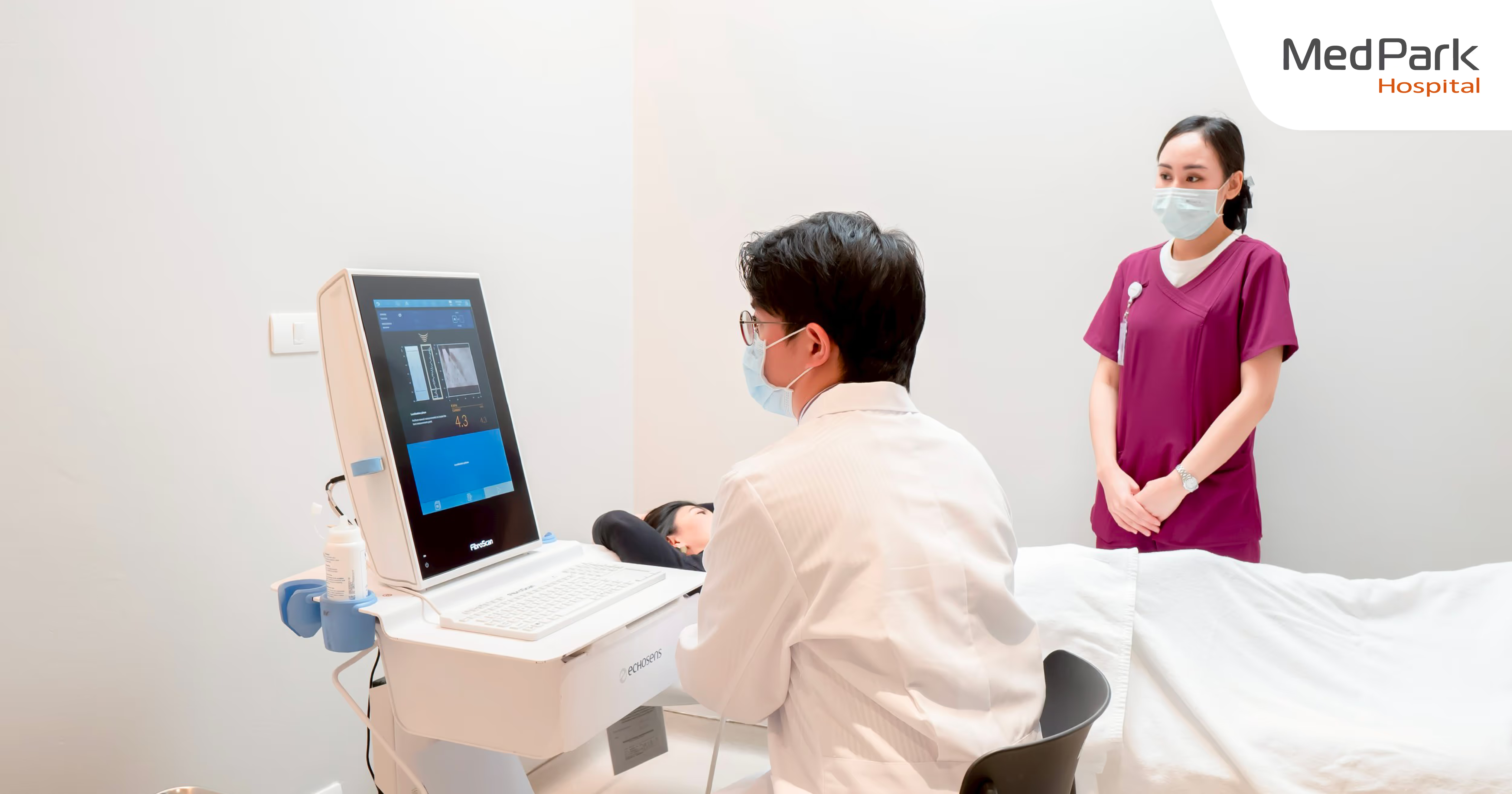
What is the FibroScan procedure?
FibroScan at MedPark Hospital utilizes transient elastography, an advanced form of ultrasound-based technology, to assess liver fibrosis, or scarring, using Vibration Controlled Transient Elastography (VCTE) technology and the Controlled Attenuation Parameter (CAP) program to quantify steatosis, or the amount of liver fat content, assisting doctors in determining the stage of the disease, determining the extent of scarring, monitoring treatment outcomes, and planning personalized treatment. The FibroScan procedure is as follows:
Preparation for FibroScan
- Refrain from eating and drinking for 2 hours before the FibroScan.
- Refrain from drinking alcohol for at least 48 hours before the exam.
- Prescription medications can be taken 2 hours before the FibroScan.
FibroScan Procedure
- The medical staff will position the patient lying supine with both arms raised above the head, positioning the head and feet to the left to widen the space above the right rib cage.
- The doctor will place the FibroScan transducer, its tip coated with cooling gel, on the right rib cage, directly above the liver, and emit low-frequency sound waves through the skin into the liver tissue. The patient will feel a slight vibration but will not feel any pain.
- The FibroScan device interprets the speed of reflected sound waves (VCTE) as liver stiffness in kilopascals (kPa). If there is scar tissue in the liver, sound waves reflect quickly, resulting in a high kPa reading score.
- Simultaneously, the FibroScan measures the liver's resistance (CAP) in decibels per meter (dB/m). If the liver has an excessive amount of fat, there will be a high resistance outcome, resulting in a high dB/m reading score.
- The doctor will repeat the procedure at the same location approximately 10 times. The exam typically lasts 5-10 minutes, and the results are available immediately after completion. The doctor will use the results to diagnose the condition or disease as well as to plan personalized treatment.
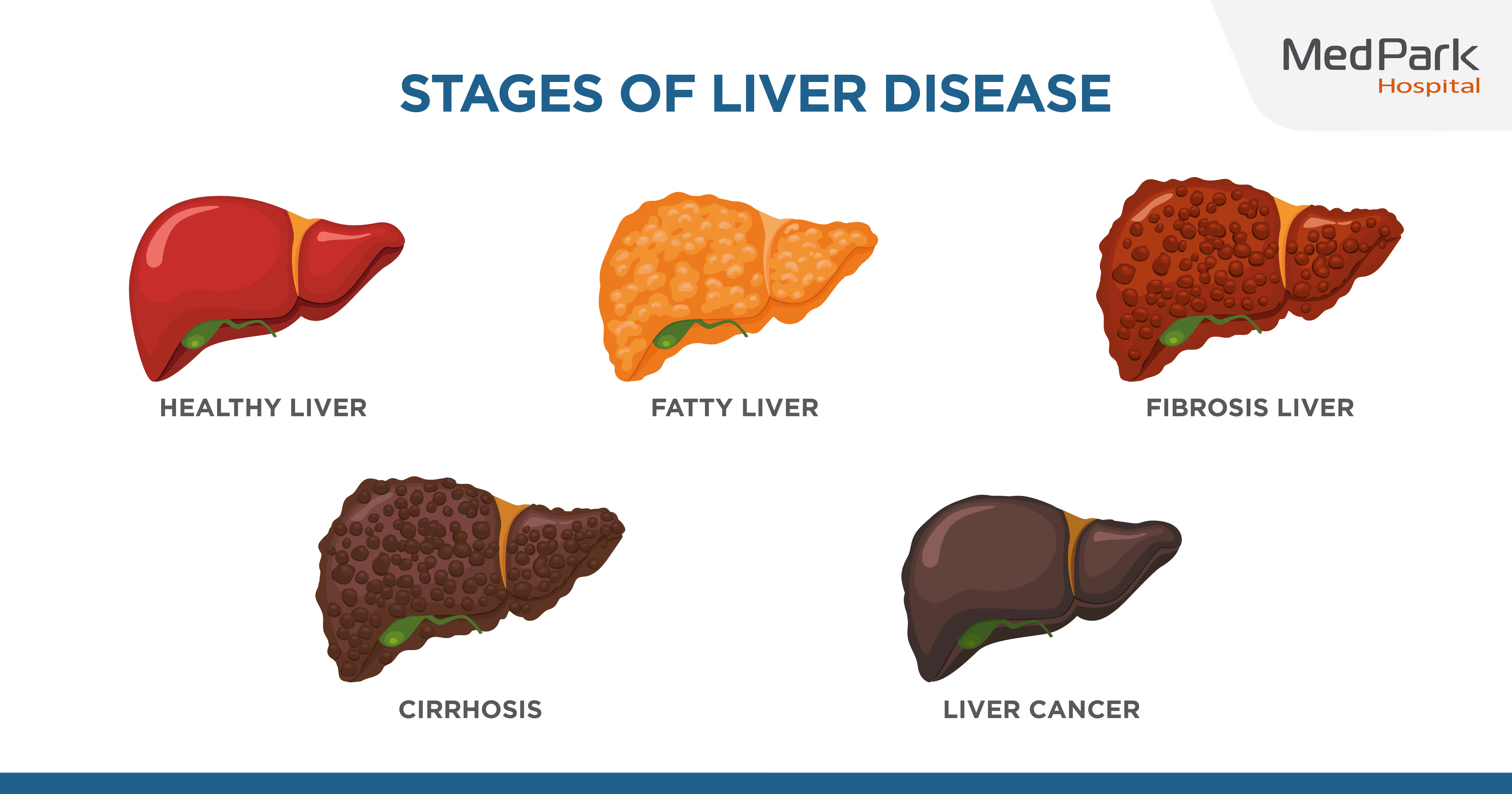
FibroScan Results: What is a normal FibroScan score?
Fibroscan results consist of 2 scores: Liver Stiffness Score (Fibrosis Score) and Fatty Liver Score (CAP Score), as follows:
1. The fibrosis score indicates the stiffness of liver tissue or the degree of fibrosis (liver scarring). The higher the score, the more likely liver fibrosis or cirrhosis is.
1.1 Fibrosis score 2-7 kPa (F0-F1): Normal—no fibrosis or mild fibrosis
1.2 Fibrosis score 7-9.5 kPa (F2): Moderate liver stiffness or moderate liver fibrosis
1.3 Fibrosis score 9.5-12.5 kPa (F3): Severe liver stiffness or severe liver fibrosis
1.4 Fibrosis score of 12.5 kPa or higher (F4): Cirrhosis
2. The CAP (Controlled Attenuation Parameter) score indicates steatosis, or the amount of fat accumulation in the liver. The higher the score, the more severe the fatty liver disease.
2.1 CAP score below 220 dB/m (S0): Healthy liver, no steatosis
2.2 CAP score 221-260 dB/m (S1): Fat accumulation 11-33% (1/3), Mild steatosis
2.3 CAP score 260-290 dB/m (S2): Fat accumulation 34-66% (1/3 to 2/3), moderate steatosis
2.4 CAP score 290-400 dB/m (S3): Fat accumulation 67% or more (>2/3), severe steatosis
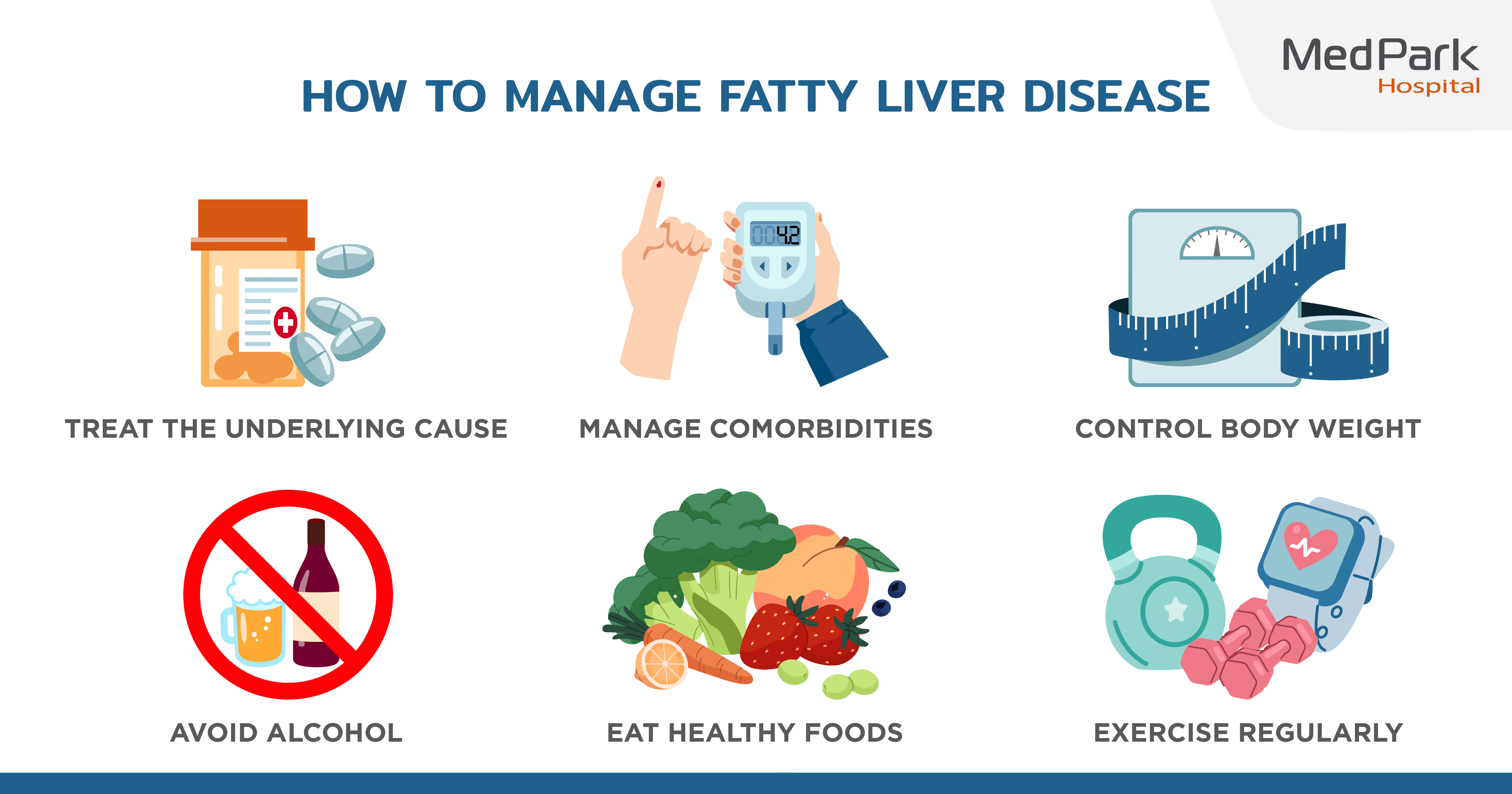
What to do if the FibroScan test results indicate fibrosis or steatosis?
If the FibroScan results show fibrosis or steatosis, the doctor will outline the treatment plan and provide instructions as follows:
- Control your diet and body weight: Avoid or limit foods high in fat, such as fried foods, fatty foods, and sweets, as well as refined carbohydrates. Instead, increase your intake of vegetables, fruits, and lean proteins.
- Engage in regular exercise for at least 3-5 days a week, totaling 150 minutes, with activities such as brisk walking, running, swimming, or cycling. Lose weight gradually and set specific weight loss goals, such as aiming to lose 5-10% of your body weight.
Can fibrosis or steatosis be reversed?
Fatty liver disease can be improved through weight loss. Early-stage fibrosis or scarring is curable if detected early and the underlying cause is treated properly, such as receiving antiviral medication for hepatitis patients or making significant lifestyle changes, such as losing weight; controlling diet, fat, and sweets intake; and maintaining a disciplined exercise routine, including reducing or quitting alcohol consumption for fibrosis patients.
Moderate-stage and severe-stage fibrosis can be improved or partially reversed if the underlying cause is identified and treated early, giving the liver time to repair itself. End-stage liver fibrosis is not curable, but with proper treatment, the progression can be slowed and complications reduced. Ultimately, whether a cure is possible is determined by the cause and stage of the disease at the time of detection and the speed of initial treatment.

FibroScan MedPark Hospital
Gastrointestinal and Liver Center, MedPark Hospital, Bangkok, Thailand, provides FibroScan tests to measure liver fat accumulation, detect fibrosis or scarring, and monitor chronic liver diseases such as fatty liver, hepatitis B/C, alcoholic liver disease, and cirrhosis. Our experienced team of gastrointestinal and liver specialists, along with our skilled nurses, uses state-of-the-art medical technology and equipment to ensure accurate, rapid, and precise diagnoses, enabling timely treatment and targeted care; maximizing the chances of successful recovery while minimizing complications; and promoting overall liver health and physical well-being.
FAQ
- Is FibroScan painful?
FibroScan is painless. It functions like a standard ultrasound, using low-frequency sound waves transmitted through the skin via a transducer. Throughout the examination, the patient will feel only a slight vibration.