





Sudden Unexplained Nocturnal Death Syndrome
Sudden unexplained nocturnal death syndrome (SUNDS) is a condition causing unexpected sudden death while sleeping with an unknown cause, without any warning signs or symptoms. SUNDS is thought to be caused by genetics or certain medical conditions that the deceased was unaware of and had never been diagnosed with before, such as malignant heart rhythm abnormalities, congenital structural heart defects, cerebral artery aneurysm, or sudden unexpected death in epilepsy (SUDEP). Sudden unexplained nocturnal death syndrome can occur at any age, from newborns to adolescents to adults. It is more common in males than females and can occur even in people who are seemingly strong and healthy. Risk screening is therefore vital to prevent loss of life before it occurs.
What causes sudden unexplained nocturnal death syndrome?
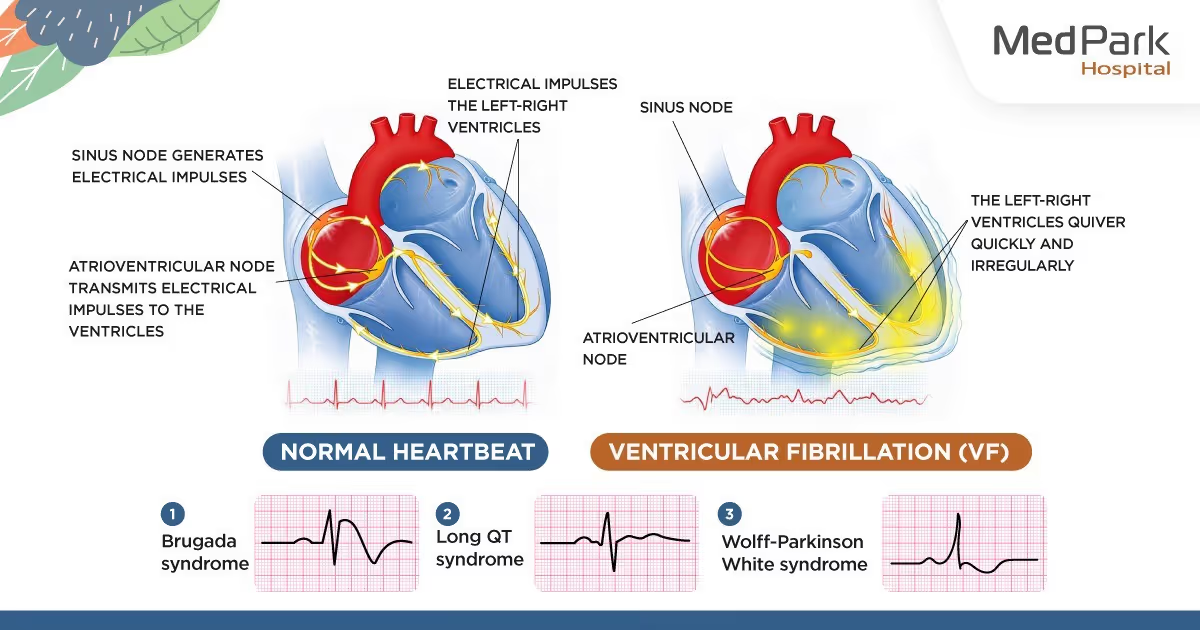
Causes of sudden unexplained nocturnal death syndrome (SUNDS) include a group of biological conditions that lead to quick-onset, unforeseen death, most of which are caused by heart disease, both genetic and non-genetic cardiac disorders, including other diseases or conditions that are not heart disease, as well as the use of certain drugs and miscellaneous factors.
1. Genetic heart conditions, such as:
- Hypertrophic cardiomyopathy (HCM) is characterized by a thickened heart septum, obstructing blood flow, leading to irregular heart rhythm, sudden cardiac arrest (SCA), and sudden death.
- Brugada syndrome is defined by an abnormal electrocardiogram (ECG) pattern, resulting in severe ventricular arrhythmias, cardiac arrest, and sudden death while sleeping.
- Long QT syndrome: a disorder of the heart's electrical system, leading to irregular heart rhythm, syncope, and sudden death.
- Ventricular fibrillation (VF) is characterized by rapid and irregular ventricular electrical impulses, resulting in insufficient pumping, arrhythmias, sudden cardiac arrest, and death.
2. Non-genetic heart conditions, such as
- Heart failure, acute heart attack
- Acute arrhythmias
- Acute myocarditis
- Aortic valve stenosis
- Aortic catastrophe
3. Non-heart conditions or diseases, such as:
- Epilepsy
- Cerebral hemorrhage
- Stroke
- Cerebral aneurysm
- Meningitis, brain abscess
- Hypertensive crisis
- Acute anaphylaxis
- Pulmonary embolism
- Sleep apnea
4. Certain medications that disrupt the heart's electrical activity or affect heart rhythm, such as:
- Certain sleeping pills
- Certain anti-anxiety medications
- Addictive substances such as cocaine
5. Miscellaneous factors, such as
- Vitamin B1 deficiency
- Potassium deficiency
- Dehydration
- Excessive alcohol consumption
6. Males (aged 35-50 years) are 3.7 times more likely to die from SUNDS due to sudden cardiac arrest (SCA) than females (56% male and 44% female).
7. Race: Southeast Asians and Japanese have a higher mortality rate from SUNDS due to Brugada syndrome than other ethnicities. In addition, statistics also reveal that Asians have a higher mortality rate from sudden cardiac arrhythmias than other ethnicities as well.
8. Sudden infant death syndrome (SIDS) is due to the infant's airway becoming blocked, resulting in suffocation and death. SIDS can be caused by organ abnormalities, improper sleeping positions, cigarette smoke, or pollution.
What are the warning signs and symptoms of sudden unexplained nocturnal death syndrome?
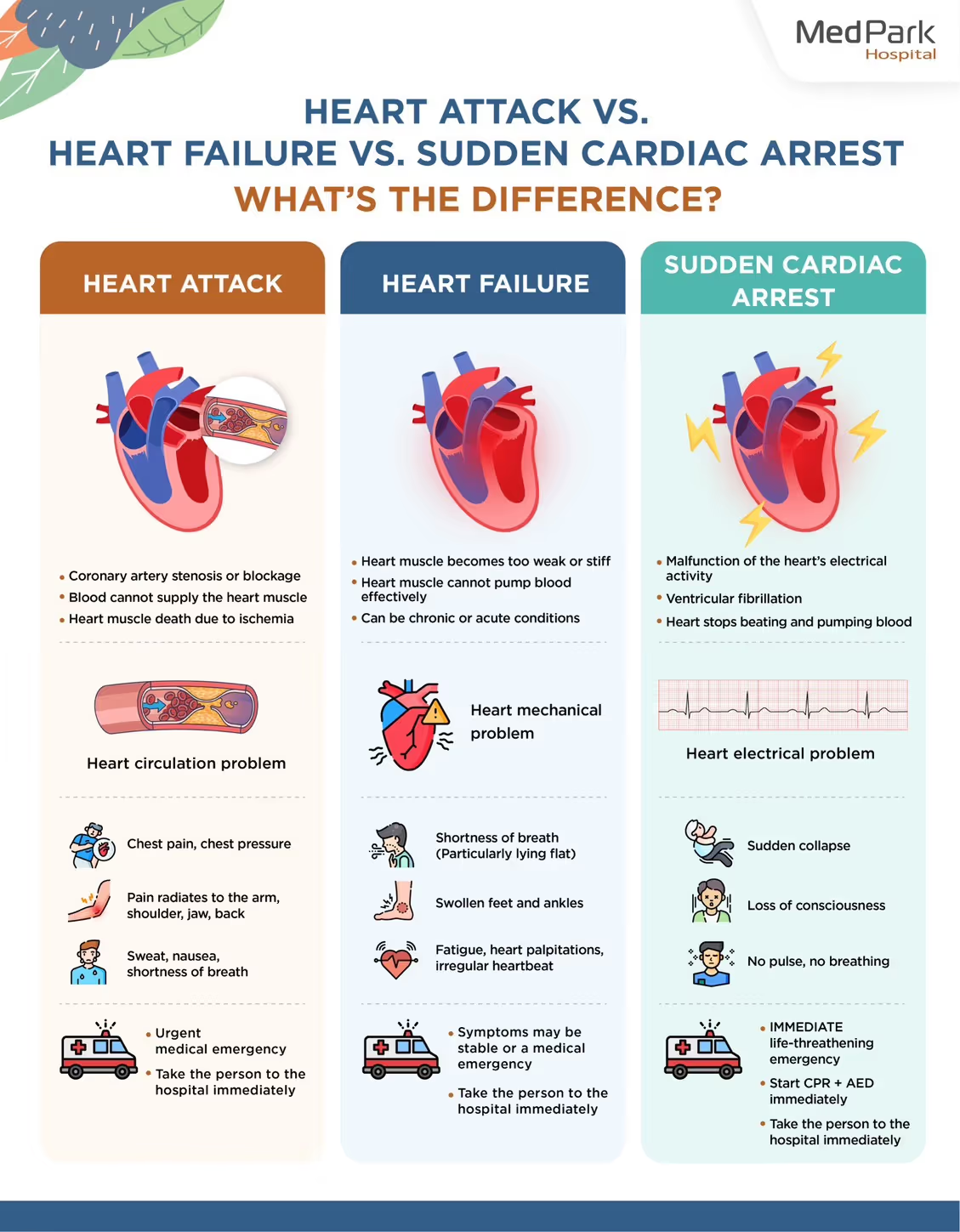
Typically, sudden unexplained nocturnal death syndrome (SUNDS) may not have any warning signs or symptoms. Death frequently occurs unexpectedly and without warning. However, many people who die from SUNDS have prodromal symptoms, which are often similar to the symptoms of heart disease, which is the most common cause of sudden unexplained nocturnal death syndrome, such as:
- Heart palpitations, rapid heartbeat
- Dizziness, lightheadedness
- Acute thunderclap headache
- Chest pain
- Shortness of breath, wheezing, difficulty breathing
- Bluish lips and face
- Profuse sweating
- Fainting, unconsciousness
- Epileptic seizures
If you see someone experiencing these symptoms, including unconsciousness, sudden collapse, and no pulse or breathing, call 1669 immediately (Thailand) for medical assistance or contact the nearest hospital emergency department and start CPR immediately.
Who is at risk of sudden unexplained nocturnal death syndrome?
- Individuals with a family history of sudden unexplained nocturnal death syndrome (SUNDS), whether known or unknown cause.
- Individuals with a history of heart diseases, such as Brugada syndrome, coronary artery stenosis, arrhythmias, hypertrophic cardiomyopathy (HCM), or congenital heart disease.
- Male
- Individuals with the following underlying medical conditions:
- High blood pressure (Hypertension)
- High cholesterol
- Diabetes
- Obesity
- Chronic kidney disease
- Seizures
- Stroke
- Obstructive sleep apnea
- Low blood potassium levels, severe vitamin B1 deficiencies
- Smoking or using narcotic drugs such as cocaine or amphetamines
- Habitual alcohol consumption, malnutrition, and lack of exercise
- Taking certain medications, such as antibiotics, diuretics, certain sleeping pills, or lithium
How is sudden unexplained nocturnal death syndrome diagnosed?
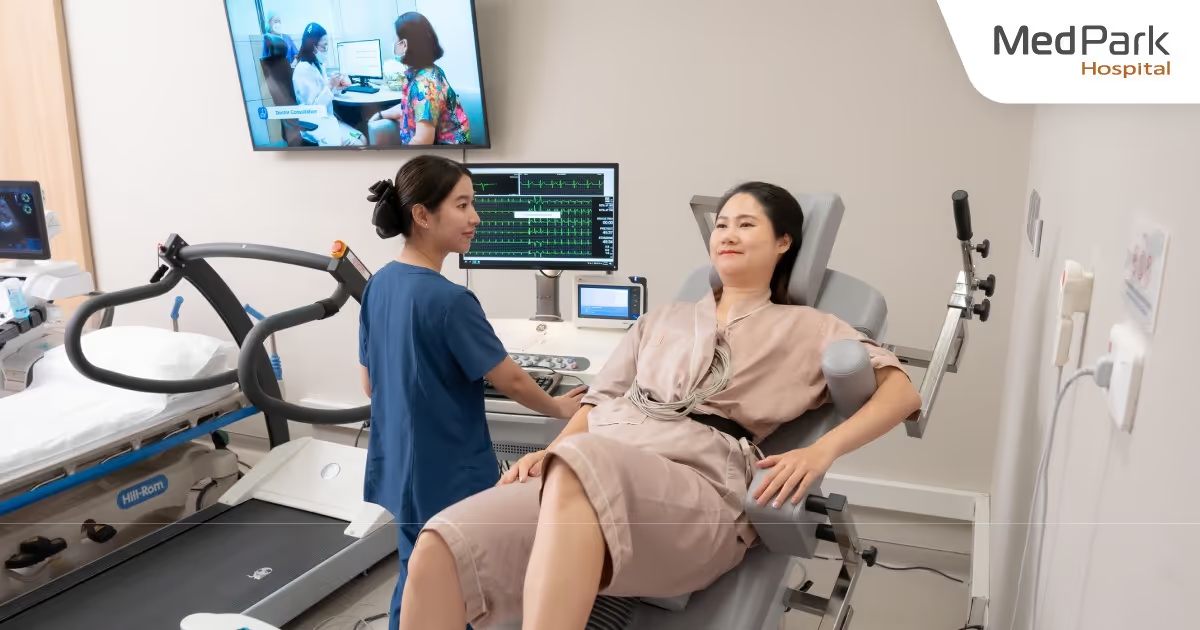
Typically, the risk of sudden unexplained nocturnal death syndrome is diagnosed after sudden cardiac arrest occurs, and the patient is taken to the hospital in time before they die. Upon arrival, the doctor will conduct a thorough physical evaluation followed by specialized examinations to identify abnormalities, such as
- Electrocardiogram (ECG) to identify irregularities in the heart’s electrical activity, such as arrhythmias, cardiomyopathy, long QT syndrome, or the risk of sudden cardiac arrest.
- Echocardiogram to detect abnormalities in the heart's structure and function to identify heart diseases such as aortic valve stenosis, mitral valve prolapse, congenital heart defects, pericarditis, or aortic dissection.
- Cerebral angiogram to locate stenosis or occlusion of the cerebral arteries, including cerebral thrombosis, atherosclerosis, or aneurysms, which can cause cerebral hemorrhage and lead to stroke.
Is sudden unexplained nocturnal death syndrome treatable?
Currently, sudden unexplained nocturnal death syndrome (SUNDS), including Brugada syndrome, is not always treatable. According to diagnostic tests to identify the cause of death of people who die from SUNDS or Brugada syndrome, the majority of them were unaware they had risks or physical abnormalities until death occurred. Only a small number of people are lucky enough to make it to a doctor in time for successful resuscitation, leading to a thorough diagnosis and disease-addressing interventions. To treat conditions or diseases, doctors may consider treatment options as follows:
- Implantable Cardioverter Defibrillator (ICD): An ICD delivers electrical shocks to the heart when an arrhythmia or cardiac arrest occurs, restoring normal heart function and preventing death.
- Radiofrequency Ablation and Electrophysiologic Study: A surgeon inserts an intravascular catheter through the groin artery up to the heart and ablates the ectopic electrical foci to restore the normal heart electrical impulses.
- Mechanical thrombectomy: A surgeon threads a thrombectomy catheter along the artery to the narrowed or blocked cerebral artery, then sucks or pulls the blood clot out of the brain to open the blood vessel.
Can sudden unexplained nocturnal death be prevented?
There is no 100% prevention of sudden unexplained nocturnal death syndrome. However, the risk can be minimized by having early health screening to identify future risks, particularly for those who have family members with SUNDS or Brugada syndrome, those experiencing heart disease symptoms, those taking certain medications or narcotic drugs, and those who are malnourished or overworked and sleep deprived. This should be combined with the following lifestyle changes as follows:
- Avoid taking medications or stimulants that may increase the risk (consult a doctor).
- See a doctor if you experience frequent seizures, dizziness, fainting, or chest pain.
- Place your infant in a supine position, keep the baby's bed away from the parents, and keep objects out of the baby's bed.
- Consume a healthy diet, get enough sleep, and work out frequently.
- Individuals who have been identified as having any risk factors should have regular health checkups.
Sudden Death Syndrome Screening MedPark Hospital
Cardiology Center, MedPark Hospital, Bangkok, Thailand, specializes in screening for risks of sudden death syndrome (SDS), whether genetic heart diseases, non-genetic heart diseases, aorta or cerebrovascular disorders, or other risk factors that may lead to sudden unexpected death, using electrocardiograms, cardiac nuclear medicine scans, cerebral angiograms, etc., integrated with leading-edge medical technology and a state-of-the-art cardiac catheterization laboratory (Cath Lab), under the comprehensive care of over 40 specialists who are ready to provide best-in-class diagnosis and treatment holistically to lower the risk of SDSs while implementing preventative healthcare to ensure patients maintain strong physical health and can live lives with their loved ones and families as long as possible.
FAQ
Is sudden unexplained nocturnal death syndrome hereditary?
Sudden unexplained nocturnal death syndrome can be inherited. In many autopsies of people who die suddenly while sleeping with no known cause or those without obvious signs of heart disease, doctors find a link to sudden arrhythmic death syndrome (SADS), which is caused by a cardiac electrophysiology disorder, including Long QT syndrome, Brugada syndrome, or catecholaminergic polymorphic ventricular tachycardia (CPVT); and channelopathies, caused by mutations in SCN5A, SCN1B, CACNA1C, or CLCN1 that disrupt the heart's electrical system.
Therefore, cardiologists recommend that individuals with a family member who died suddenly while sleeping without a known cause undergo screening for the Risk of Sudden Death Program to thoroughly examine heart function and identify risk genes to prevent SADS.
Why do some physically fit athletes or young people suddenly die?
In summarizing the causes of death of seemingly healthy professional athletes or many young adults who die suddenly, doctors have found that many of those who died had hypertrophic cardiomyopathy (HCM), which causes cardiac blood flow obstruction, sudden cardiac arrest, and sudden death, a cardiovascular disease due to an APOE gene mutation, or cardiomyopathies due to mutations of certain genes, such as MYBPC3, MYH7, TTN, LMNA, or PKP2, which result in weak heart contraction and poor heart relaxation, heart failure, and sudden death. Therefore, preventative targeted health checkups are vital.